Find Skin Tag Removal near me
Book the best Skin Tag Removal online in seconds. Read reviews and compare the top rated Skin Tag Removal near you on Faces.
Skin tag removal is a cosmetic procedure aimed at eliminating small, benign growths that can appear on various parts of the body. The process typically involves methods such as cryotherapy, where the tag is frozen off, or excision, which involves cutting the tag away under local anaesthetic. Other treatments may include cauterisation, which uses heat to remove the tag. These procedures are generally quick, minimally invasive, and performed by qualified professionals, helping to improve the appearance and comfort of the skin.
 6655 Appointments made
 847+ clinics to offer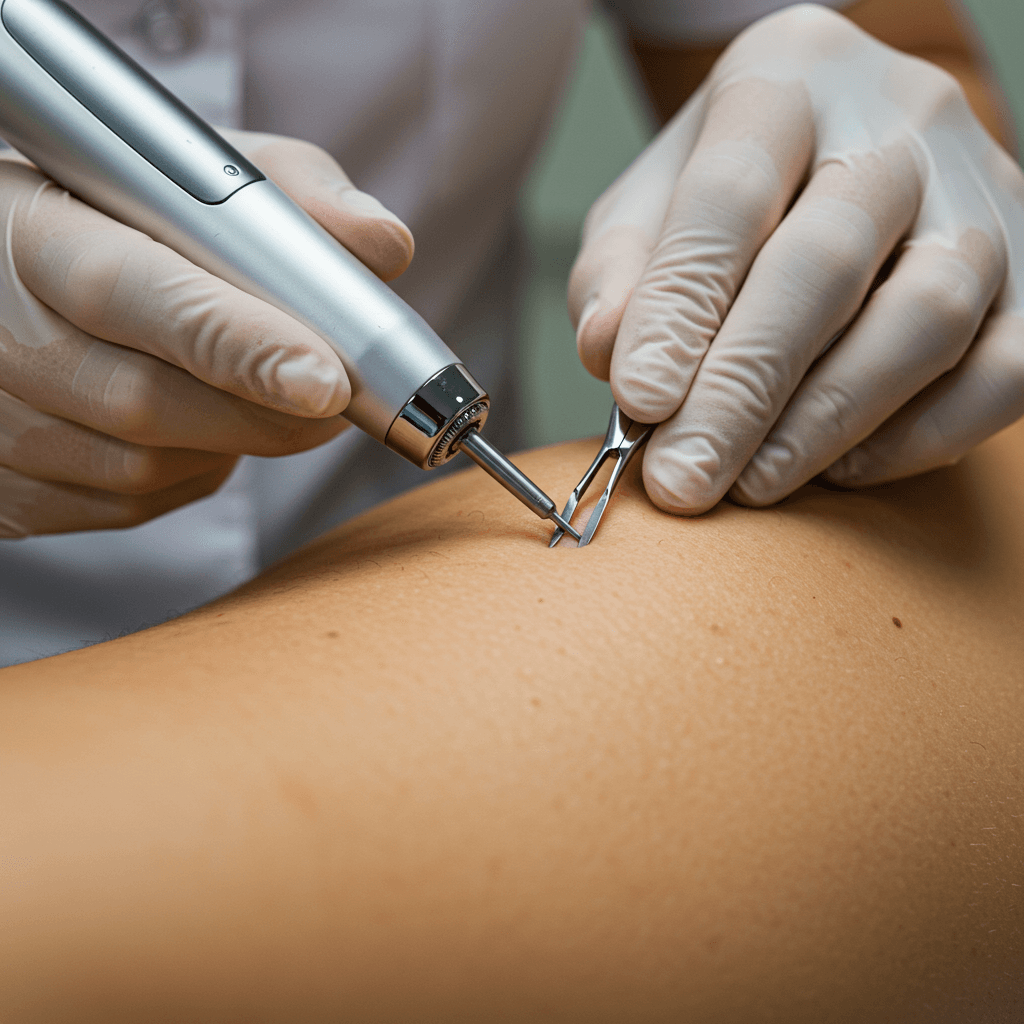

Highlights

Price range

Treatment time

Recovery time

Treatment sessions

Duration of results

Satisfaction rate
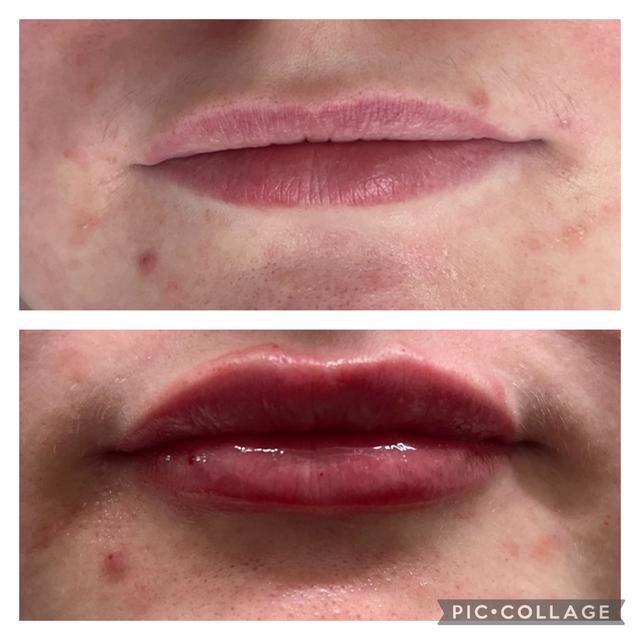
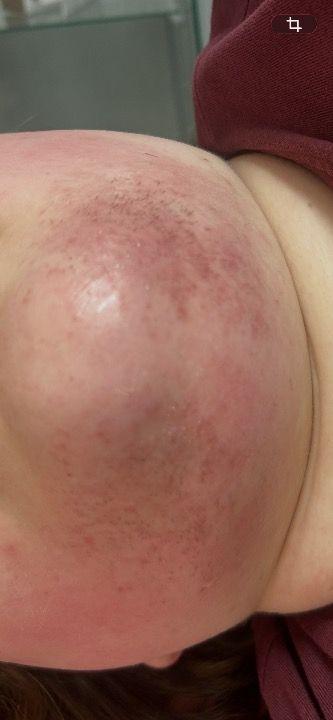
Before / After results
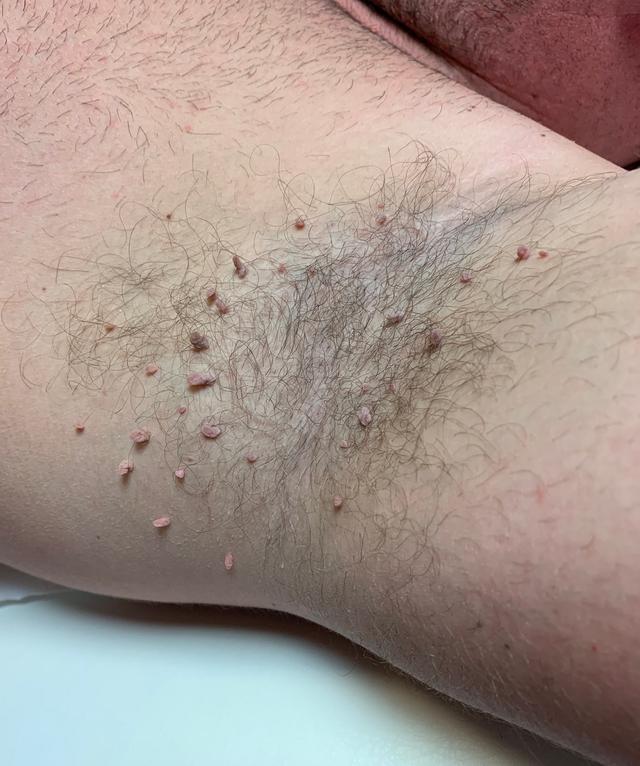
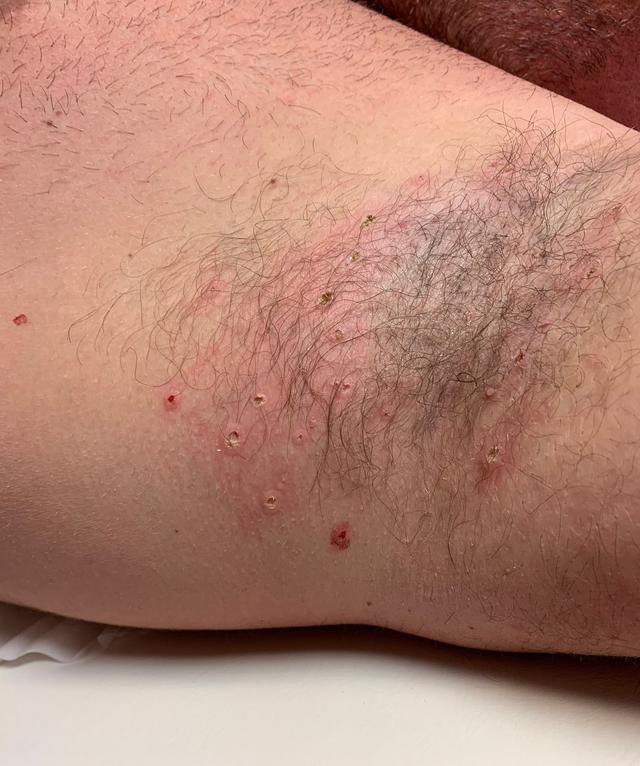
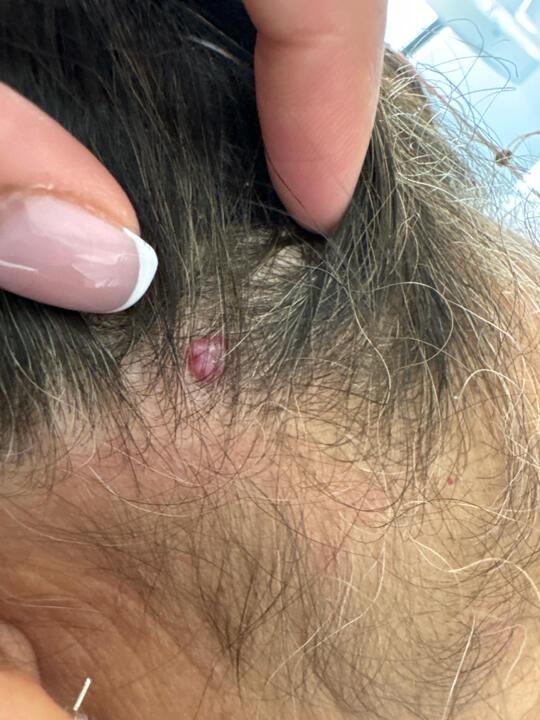
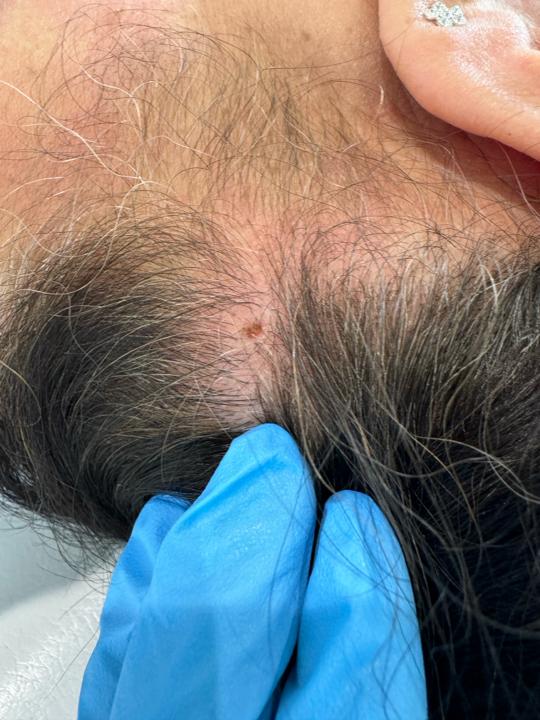

How it works
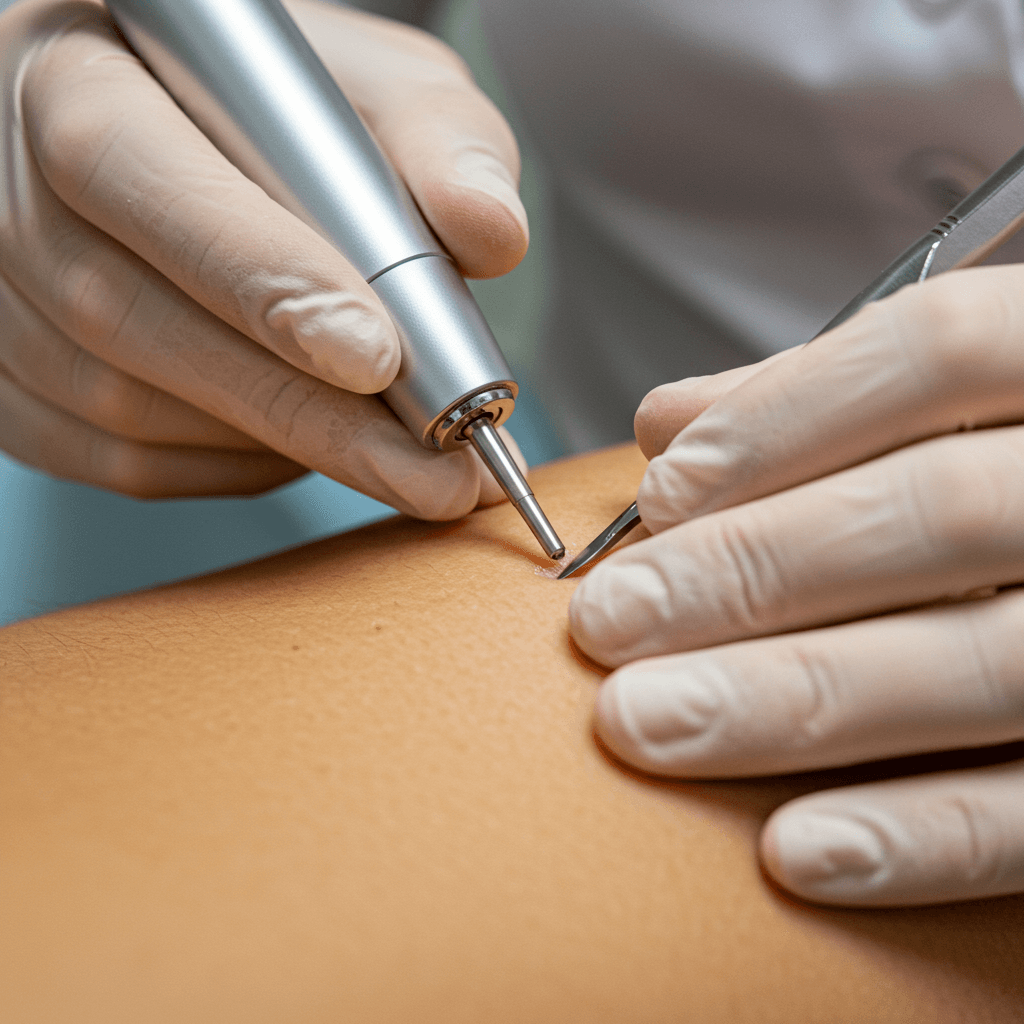
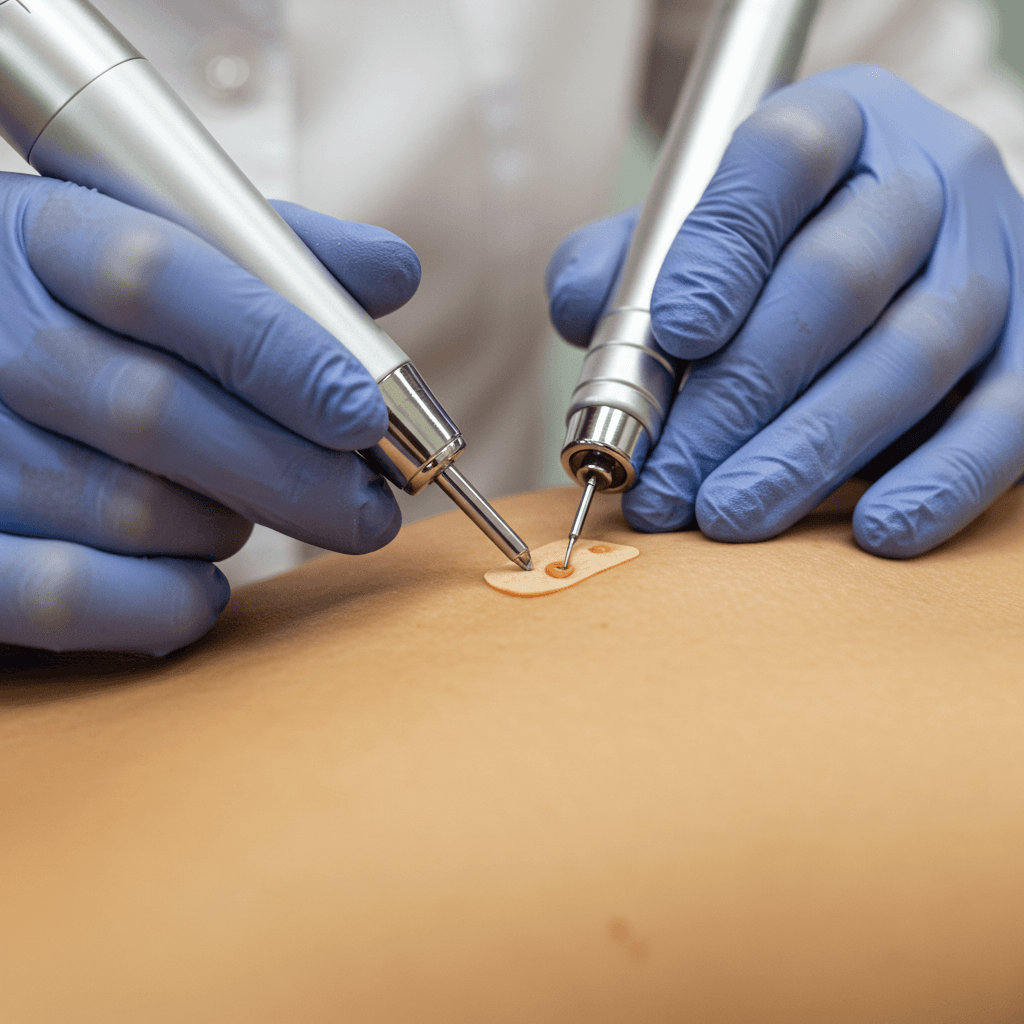
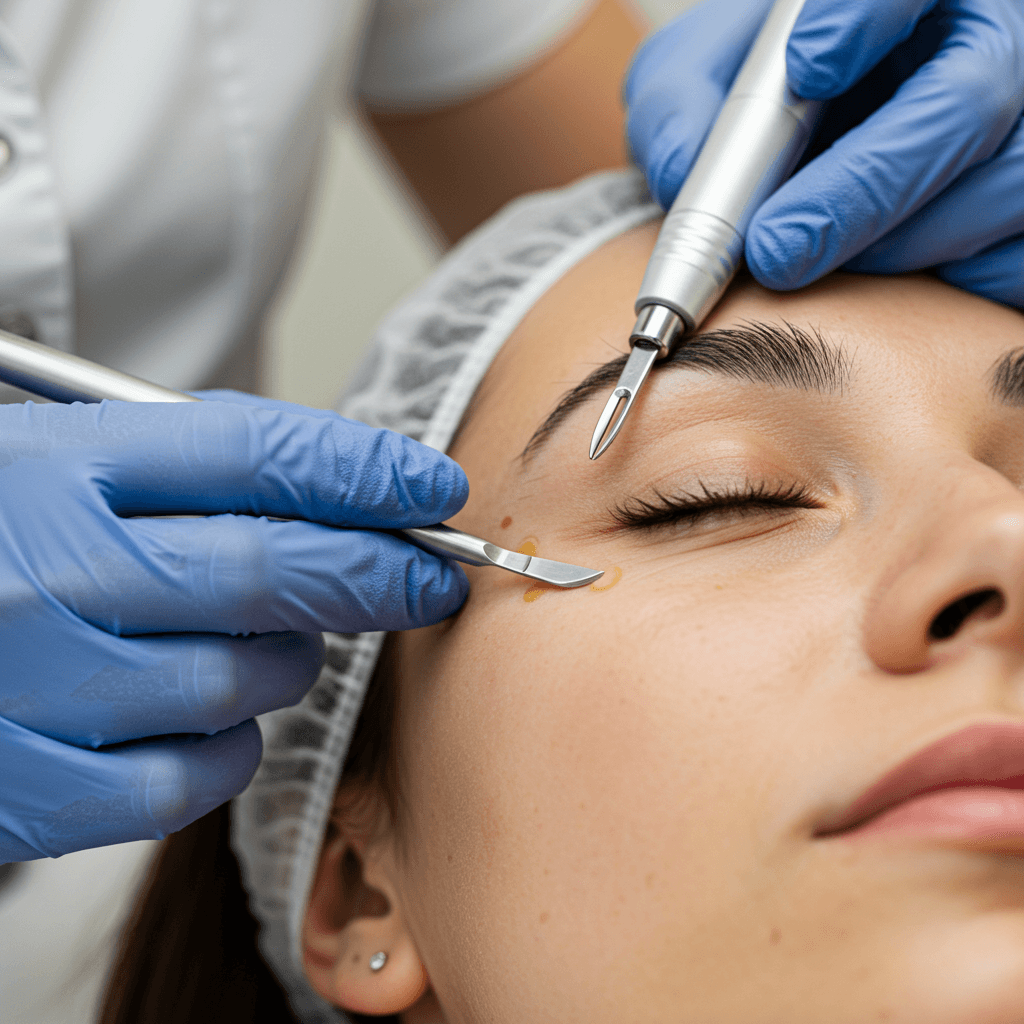
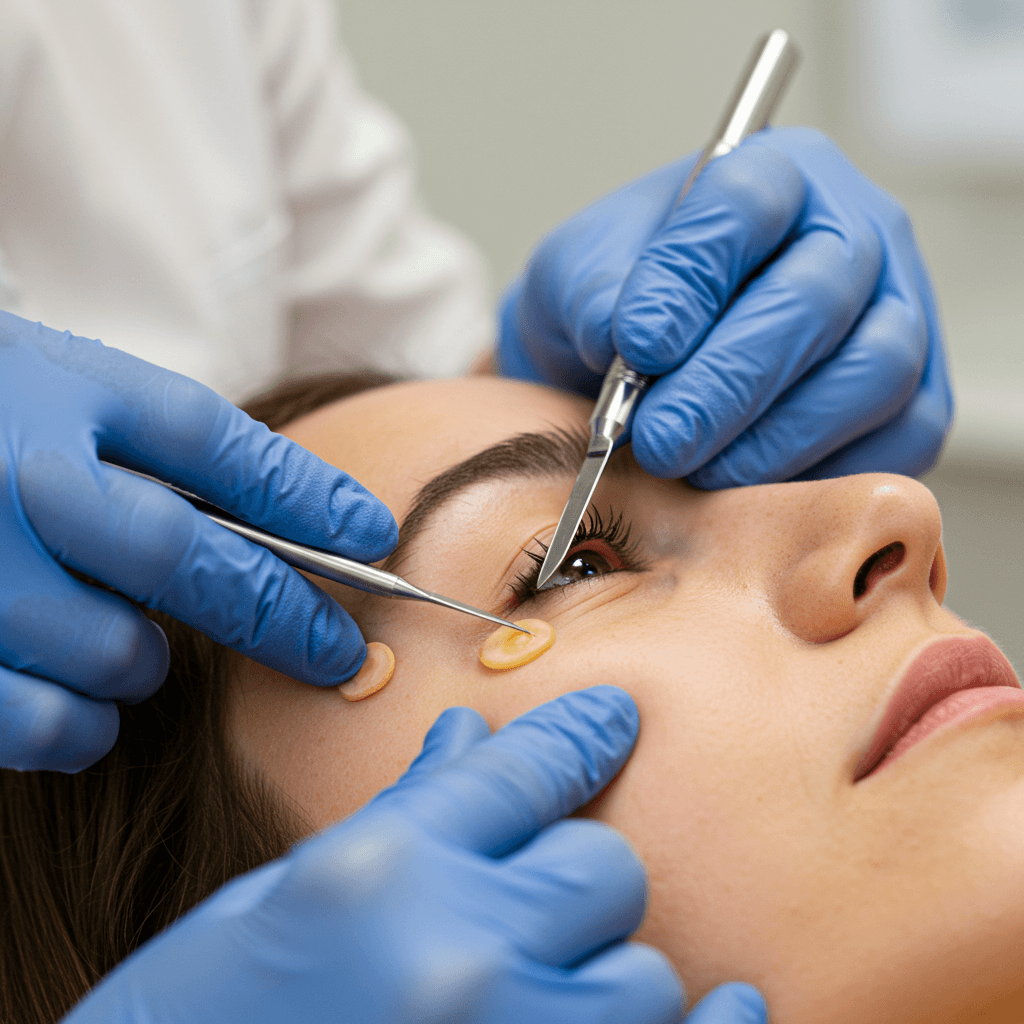
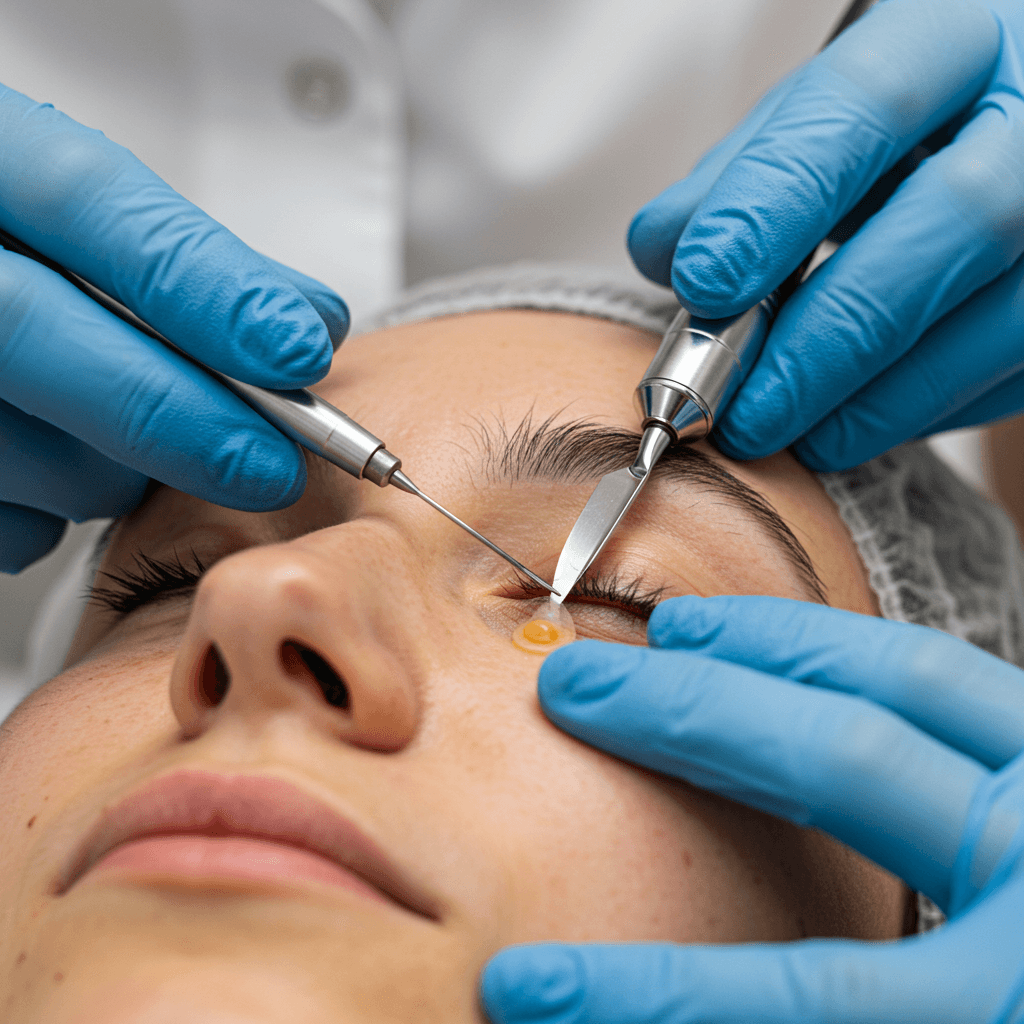
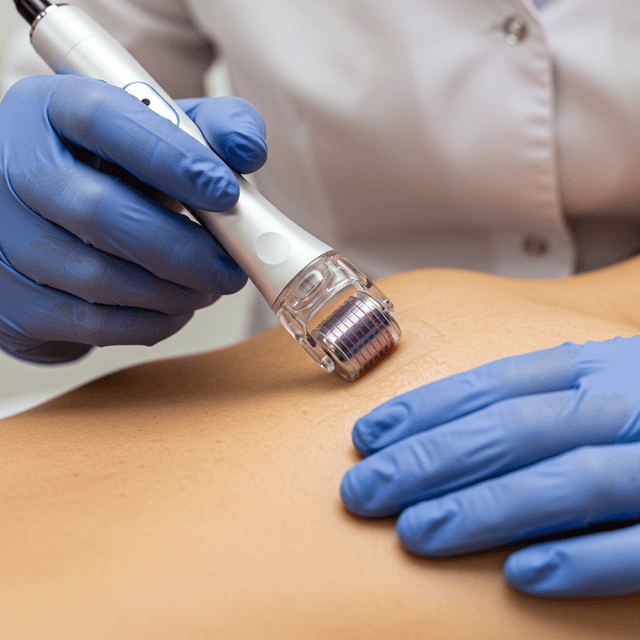
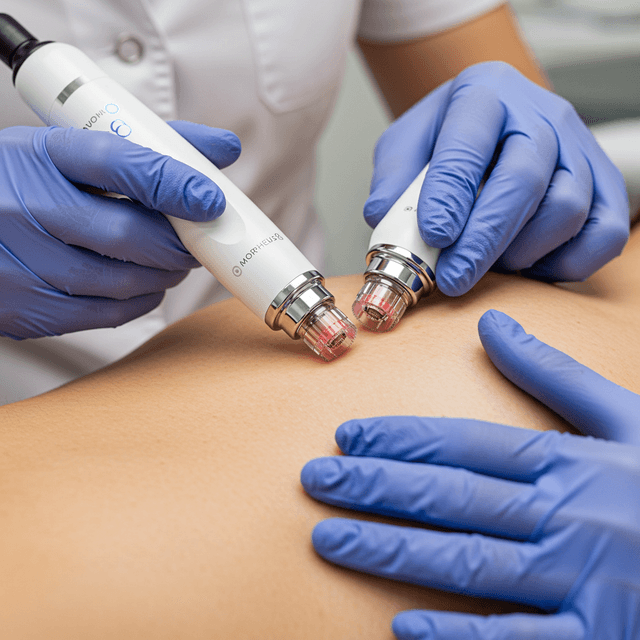
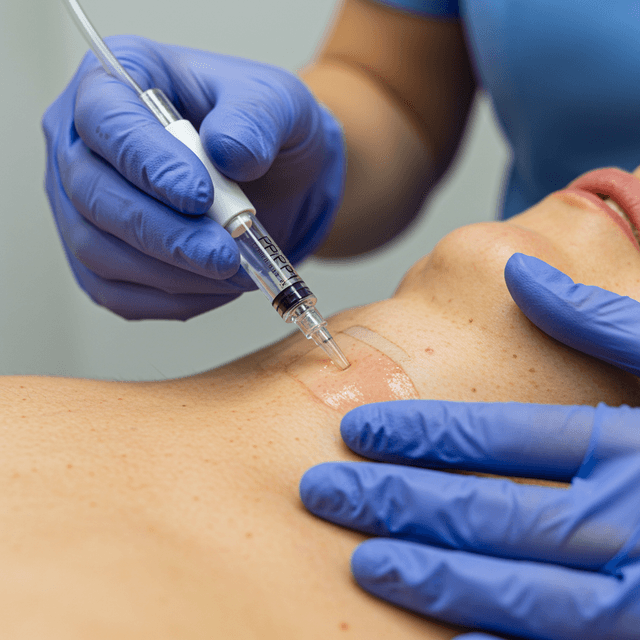
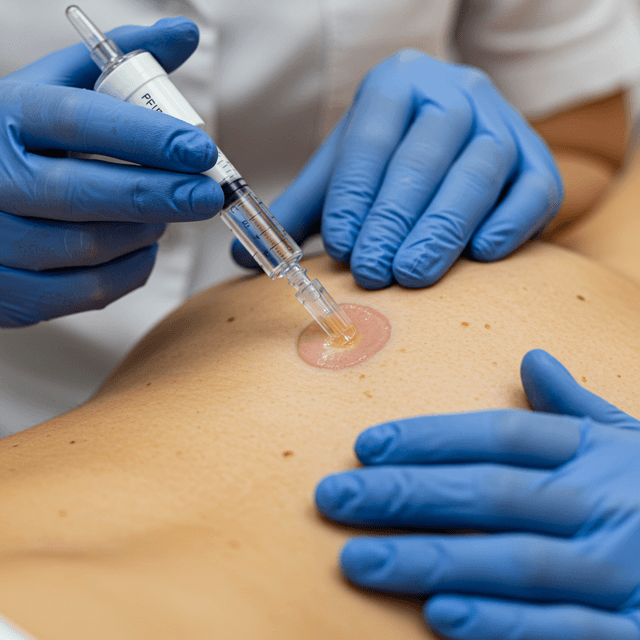
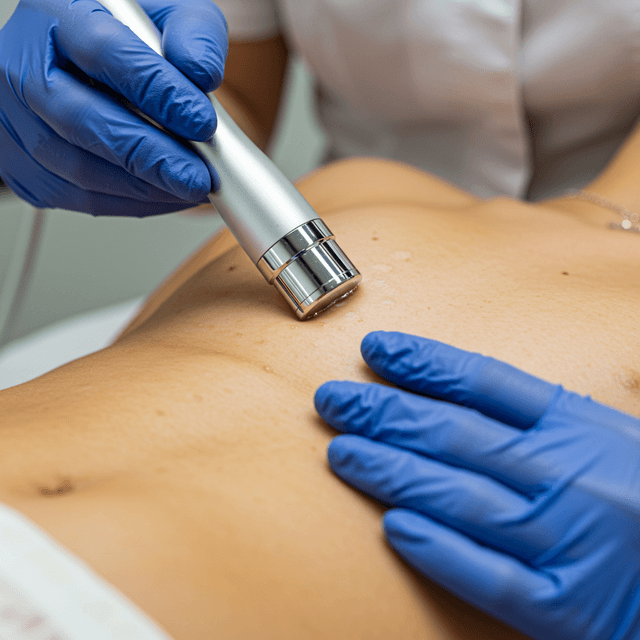
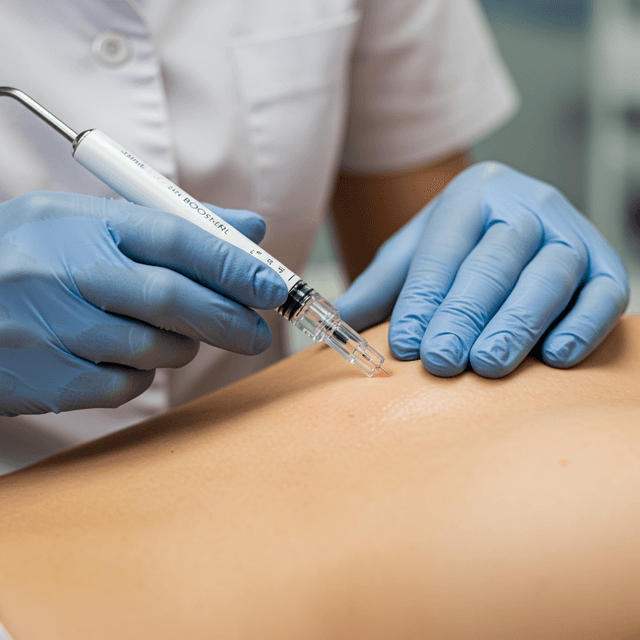
Skin tag removal typically involves cutting, freezing, or burning the growth using specialised instruments. The purpose is to eliminate these harmless lesions for cosmetic reasons or discomfort. Materials may include cryotherapy equipment, surgical scissors, or electrosurgical devices, ensuring safe and effective extraction while minimising damage to surrounding skin.


Ideal candidates
A good candidate for skin tag removal is generally healthy, exhibits bothersome or irritating skin tags, and seeks a cosmetic improvement. Ideal characteristics include a clear understanding of the procedure, realistic expectations, and no underlying skin conditions. The treatment effectively addresses concerns related to appearance and discomfort caused by skin tags.
Treatment variations
Various skin tag removal methods are available, tailored to specific areas and aesthetic objectives. Your practitioner will assess your needs and recommend the most appropriate option, considering factors such as the treatment area, your desired appearance, and individual anatomy, ensuring a personalised and effective approach to skin tag removal.
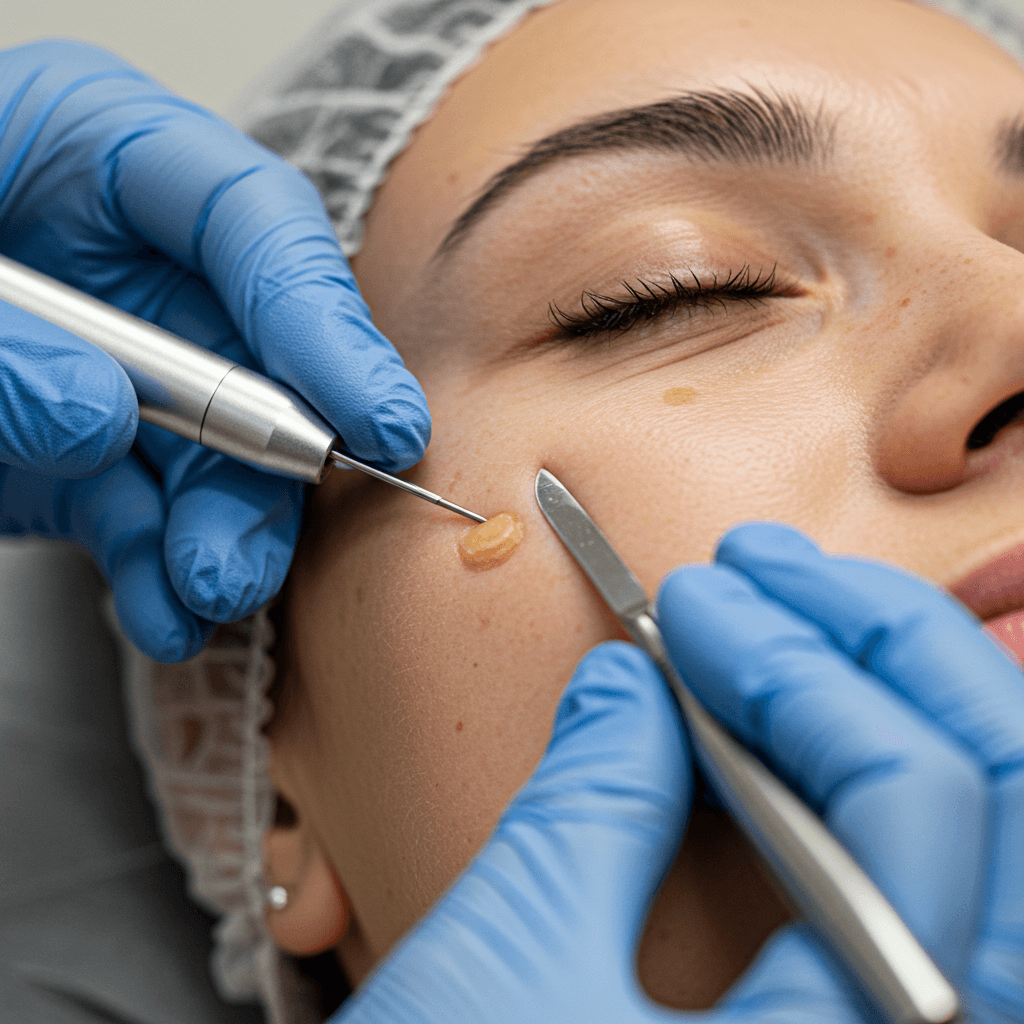
Important considerations
Skin tag removal treatments can be safe when performed by a qualified professional. It's crucial to consult a dermatologist to assess the skin tags and discuss potential risks. Ensure that the procedure is conducted in a sterile environment to minimise infection risk. Always follow pre-procedure guidelines, such as avoiding blood thinners. Consider professional services for effective and safe removal. Prioritising safety and expertise will yield the best results.
The Skin Tag Removal procedure
Skin tag removal is a non-surgical procedure often achieved through cryotherapy, which involves freezing the skin tags to ensure they fall off without leaving significant scarring.
What it feels like
After skin tag removal, patients often experience immediate relief and a sense of comfort. The treated area may feel slightly tender initially, but as healing progresses, the skin typically returns to a smooth, clear state, enhancing overall confidence.
Skin Tag Removal benefits
01
Safe Procedure
Skin tag removal is a safe treatment when performed by a professional.
02
Effective Results
Achieve effective results quickly, restoring your skin's natural appearance.
03
Immediate Relief
Experience immediate relief from irritation caused by skin tags.
04
Boosted Confidence
Removing skin tags can enhance your confidence and self-esteem.
05
Easy to Book
You can easily book appointments for skin tag removal at your convenience.
Skin Tag Removal risks and side effects
Understand potential side effects like swelling, bruising, or asymmetry. Seek prompt care for severe pain, discoloration, or worsening symptoms.
1. Pain and Discomfort
Patients may experience mild to moderate pain or discomfort during and after the procedure, potentially requiring over-the-counter pain relief to manage symptoms effectively.
2. Bleeding
Some bleeding is common post-treatment, especially if the skin tag is larger. Proper aftercare is essential to minimise blood loss and expedite healing.
3. Infection
There is a risk of infection at the site of removal. Signs include increased redness, swelling, or discharge, necessitating prompt medical attention to avoid complications.
4. Scarring
Skin tag removal can lead to scarring, particularly if the area doesn’t heal properly. It is important to follow aftercare instructions to reduce this risk.
5. Allergic Reaction
Rarely, patients may have an allergic reaction to anaesthetic or topical treatments used during the procedure. Symptoms could include rashes or swelling, requiring immediate medical evaluation.
Recovery process
Recovery timeline
After skin tag removal, mild swelling and bruising may occur, typically subsiding within a few days. It's advisable to avoid strenuous physical activity for at least a week. Final results usually become visible in two to three weeks as the area heals, revealing smoother skin without the skin tag.

Aftercare Instructions
- Keep the area clean and dry.
- Avoid picking or scratching the site.
- Apply any prescribed ointments as directed.
- Limit sun exposure to prevent irritation.
- Refrain from heavy exercise or activities that may cause sweating for a few days.
- Contact your healthcare provider if you notice excessive redness, swelling, or discharge.

Week 1
During the first week post skin tag removal, patients may experience mild swelling and bruising, gradually subsiding. The treated area will begin to heal, with the skin tag fading noticeably as the days progress.

Week 2
In the second week post-skin tag removal, swelling significantly reduces, and any redness begins to fade. Most patients notice a smoother appearance, with the treated area healing well and results becoming more apparent.

Months 1–6+
In the weeks following skin tag removal, patients may experience slight redness or swelling, but optimal results typically appear within a month, with effects stabilising over time as skin heals and becomes smoother.
Questions about Skin Tag Removal
All your questions answered.
Skin tag removal results are typically permanent, but individual factors such as skin type, age, and overall health can influence longevity. New skin tags may develop due to genetic predisposition or weight fluctuations. Maintenance treatments may be recommended for those prone to skin tags, ensuring long-lasting results. Regular check-ups with a dermatologist are advisable for optimal skin health.
Skin tag removal is generally well-tolerated, with minimal discomfort reported. Patients may feel a slight pinch or tug during the procedure. Practitioners often use local anaesthetic to ensure comfort, and the process is usually quick. Post-procedure, over-the-counter pain relief can be helpful, and practitioners will provide aftercare advice to manage any tenderness effectively.
Patients can typically resume normal activities immediately after skin tag removal, with minimal downtime. Temporary side effects may include slight redness or swelling at the treatment site. It's advisable to avoid makeup for 24 hours post-procedure to allow the area to heal properly. Always follow any specific aftercare instructions provided by your practitioner for the best results.
Good candidates for skin tag removal are generally healthy adults with bothersome or unsightly skin tags. Contraindications include pregnancy, certain skin conditions, or underlying health issues. It's vital to consult a qualified practitioner to assess your specific situation, discuss your medical history, and ensure safe and effective treatment options tailored to your needs.
 We’re an MHRA licensed broker.
All-in-one platform for aesthetic clinics. Manage bookings and digital consent easily. Reduce paperwork and save time. Secure client data and records. Built for modern practitioners.


Get in touch







.1f395bec.png&w=32&q=75) 539+ clinics
539+ clinics



 5 (37)
 62.01m