Find PRP near me
Book the best PRP online in seconds. Read reviews and compare the top rated PRP near you on Faces.
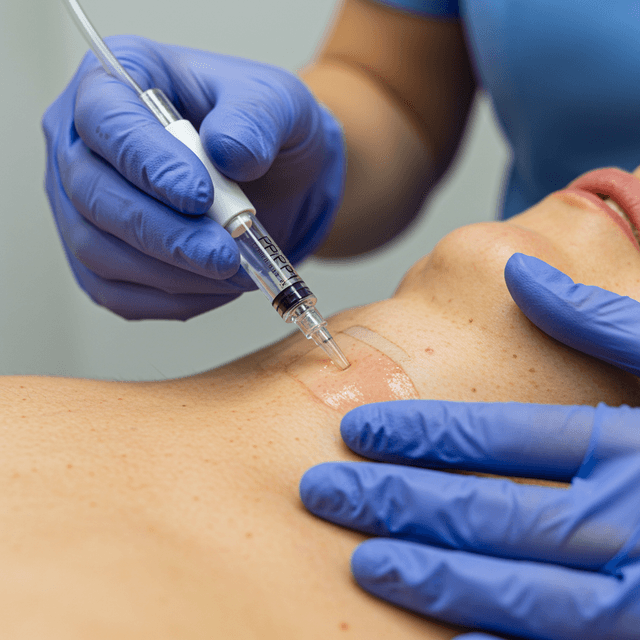
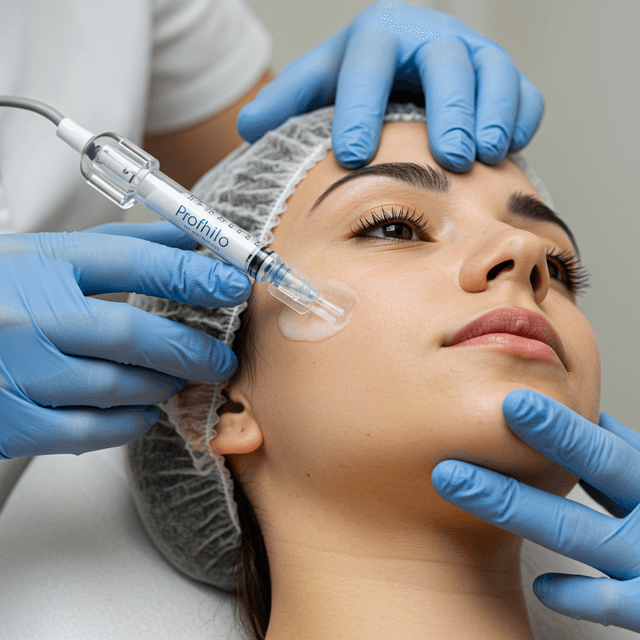
Platelet-Rich Plasma (PRP) therapy is a medical treatment that utilises a patient's own blood to promote healing and regeneration of tissues. The procedure involves drawing a small amount of blood, processing it to extract the platelet-rich plasma, and then injecting this concentrated solution into the targeted area. PRP is commonly used for treating conditions such as joint pain, tendon injuries, and hair loss, as the growth factors in the plasma can stimulate cell repair, enhance tissue recovery, and improve overall outcomes.
 36602 Appointments made
 7230+ clinics to offer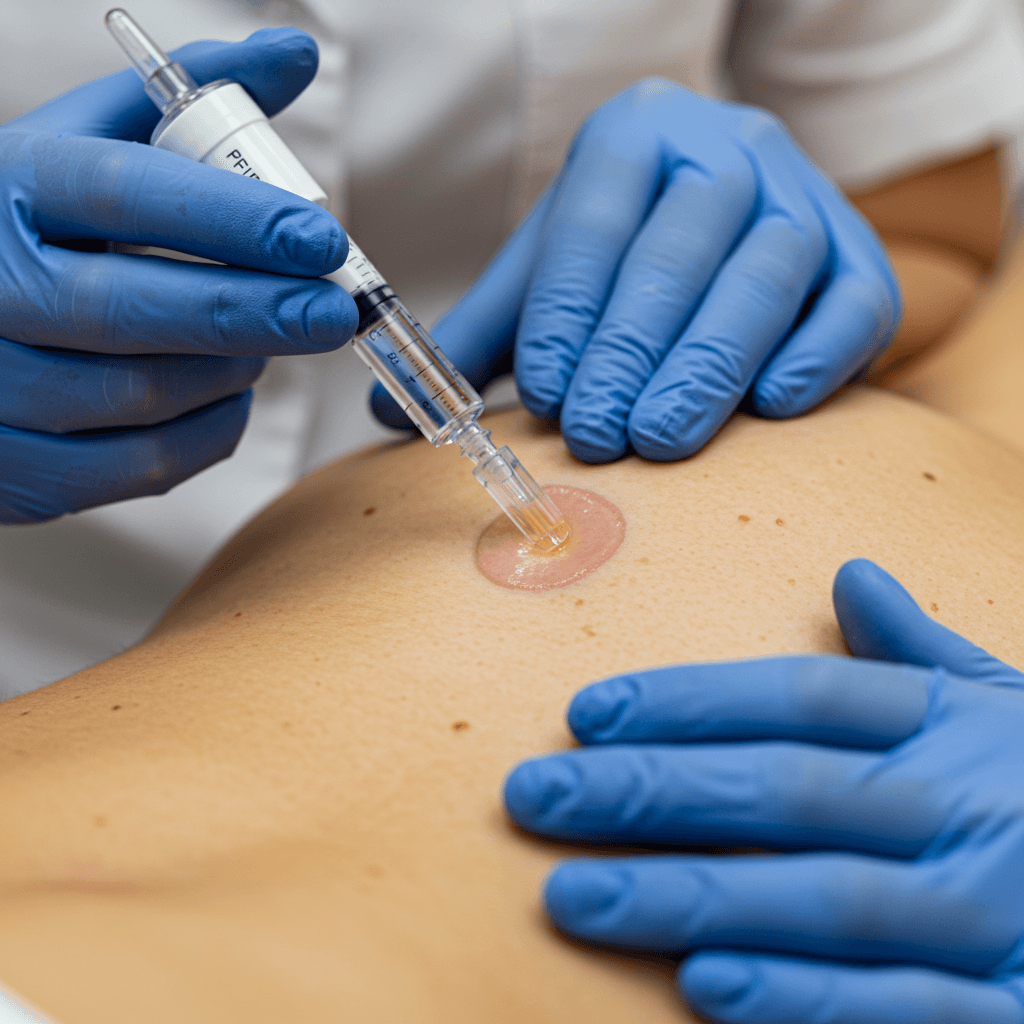
Highlights

Price range

Treatment time

Recovery time

Treatment sessions

Duration of results

Satisfaction rate
Before / After results
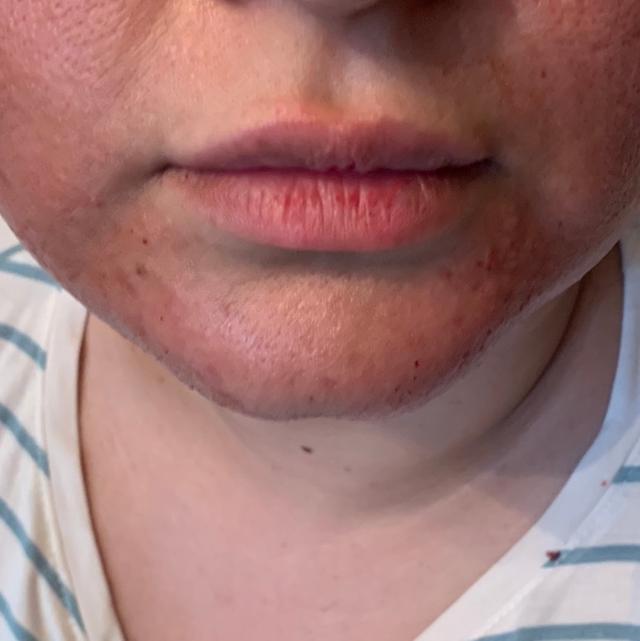
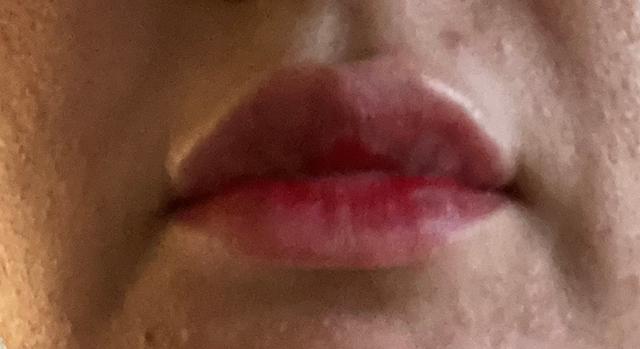
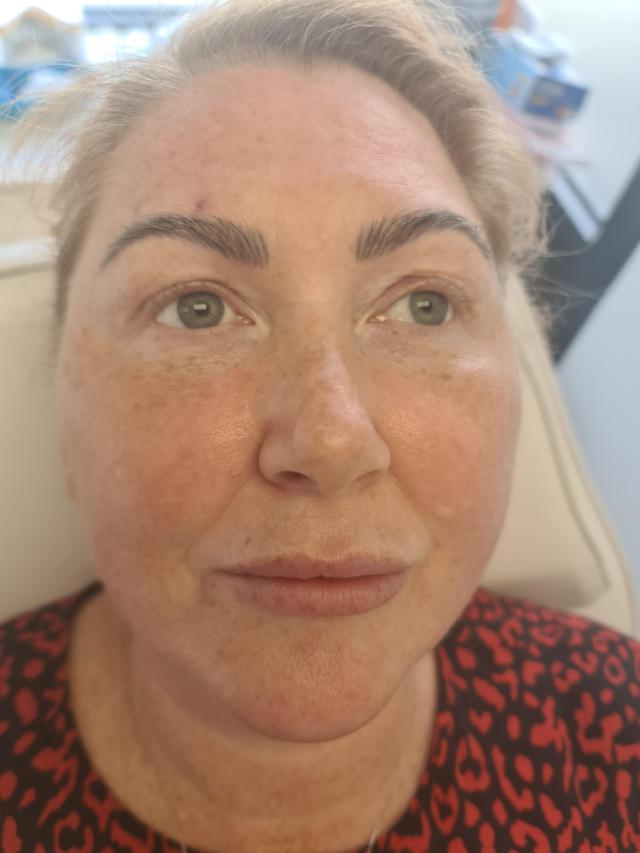
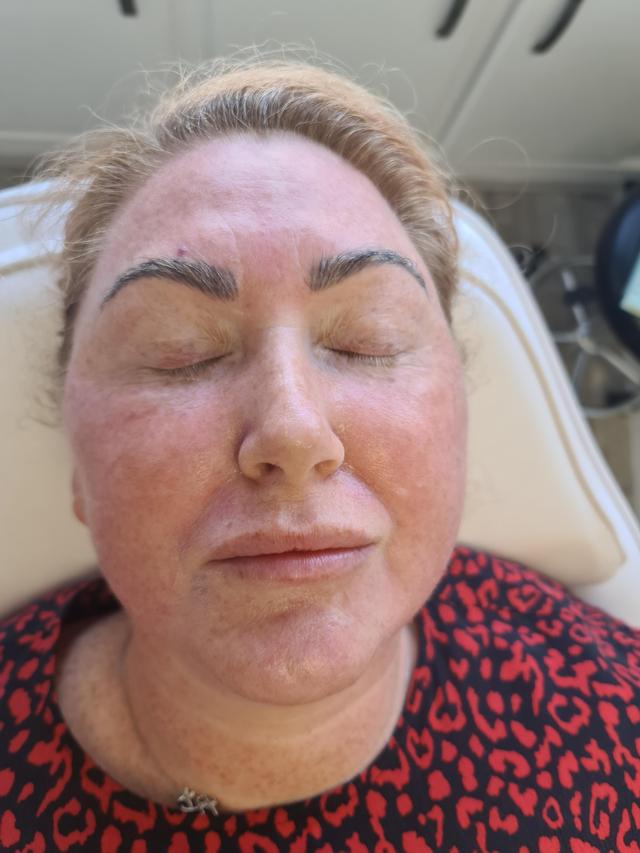
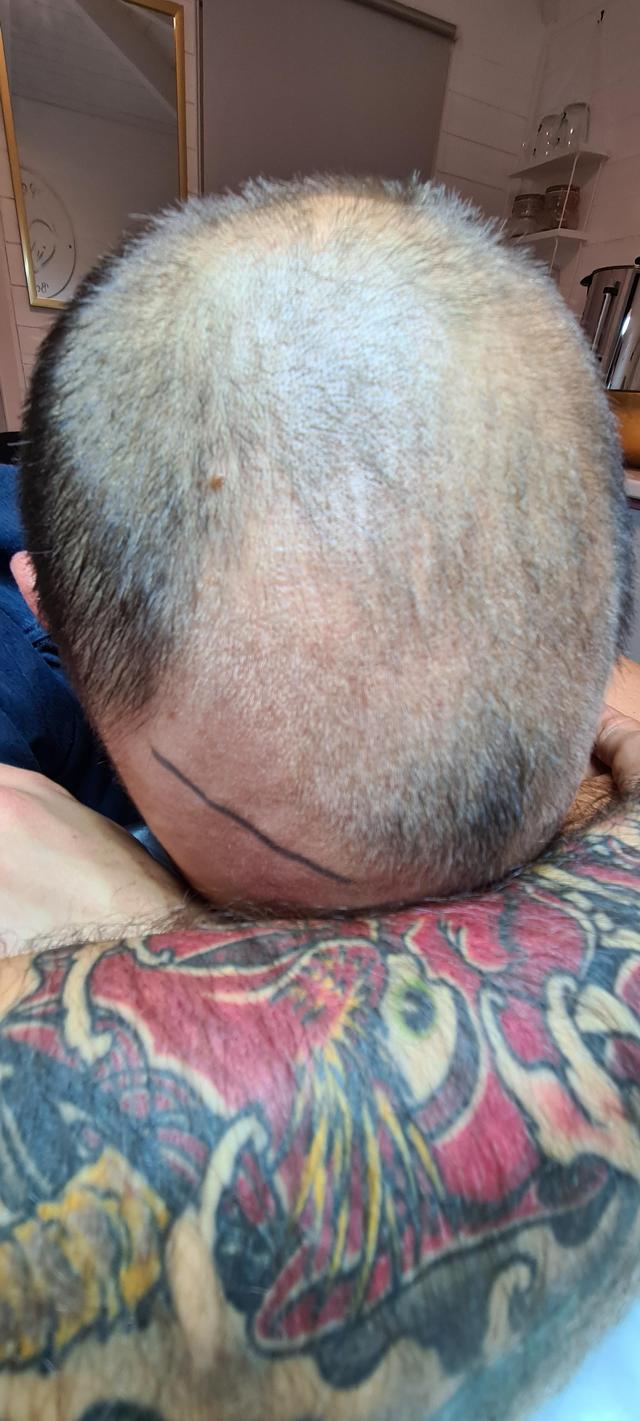
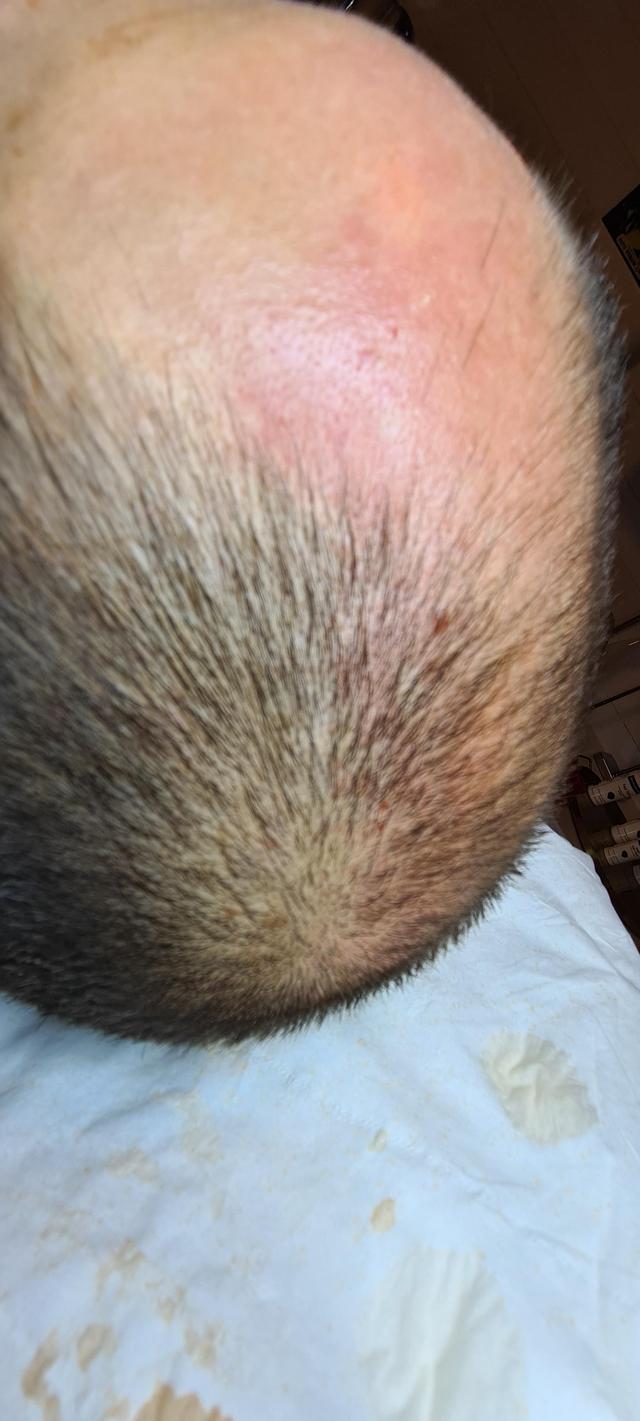
How it works
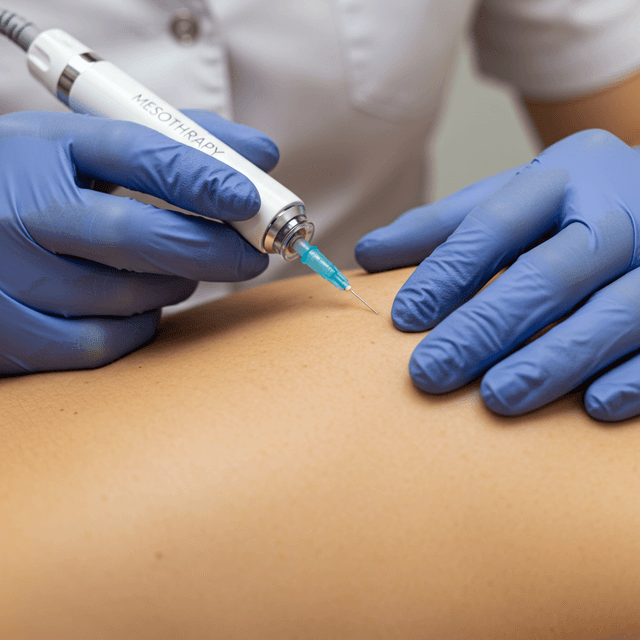
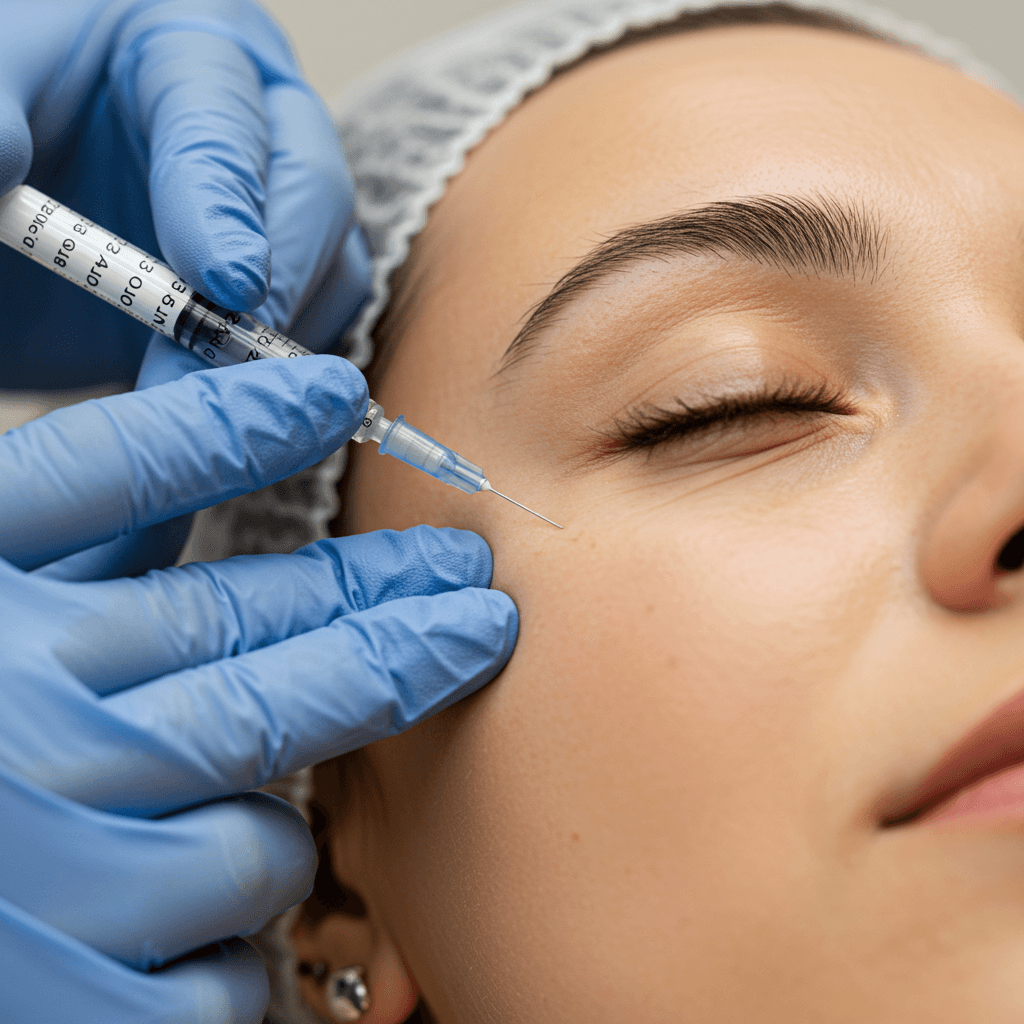
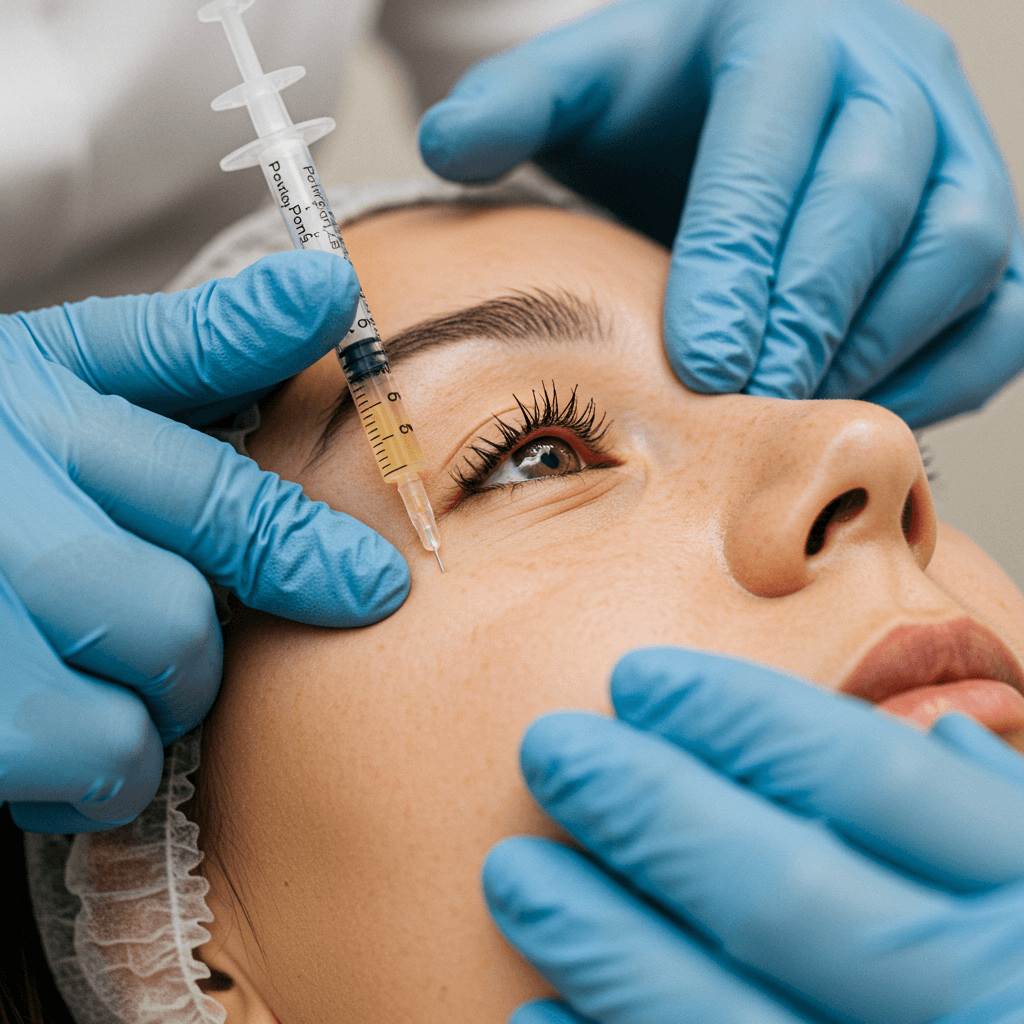
Platelet-rich plasma (PRP) therapy involves drawing a small amount of blood, centrifuging it to separate the plasma rich in platelets, and then injecting this concentrated solution into the affected area. The purpose is to accelerate healing and tissue regeneration, utilising the growth factors and proteins within the platelets.


Ideal candidates
Ideal candidates for PRP treatment are those experiencing hair thinning, skin rejuvenation needs, or joint pain, particularly individuals with good overall health. This treatment is effective for those seeking non-surgical solutions, but concerns such as blood disorders or active infections may disqualify some patients.
Treatment variations
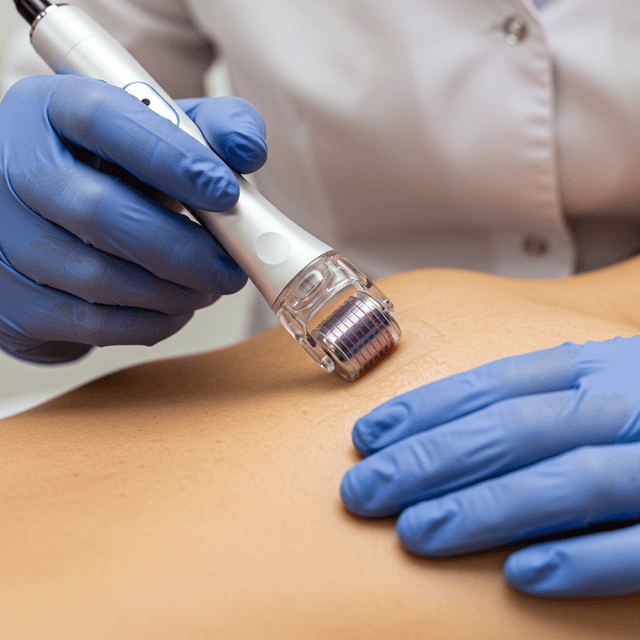
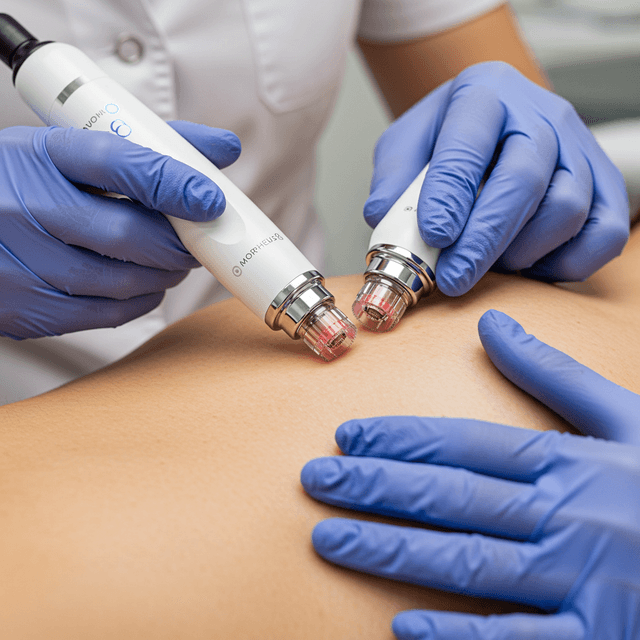
There are various types of PRP tailored for specific areas and aesthetic objectives. Your practitioner will assess your needs and recommend the most appropriate option, considering the treatment area, your desired aesthetic outcome, and individual anatomy. This personalised approach ensures optimal results for your unique circumstances.
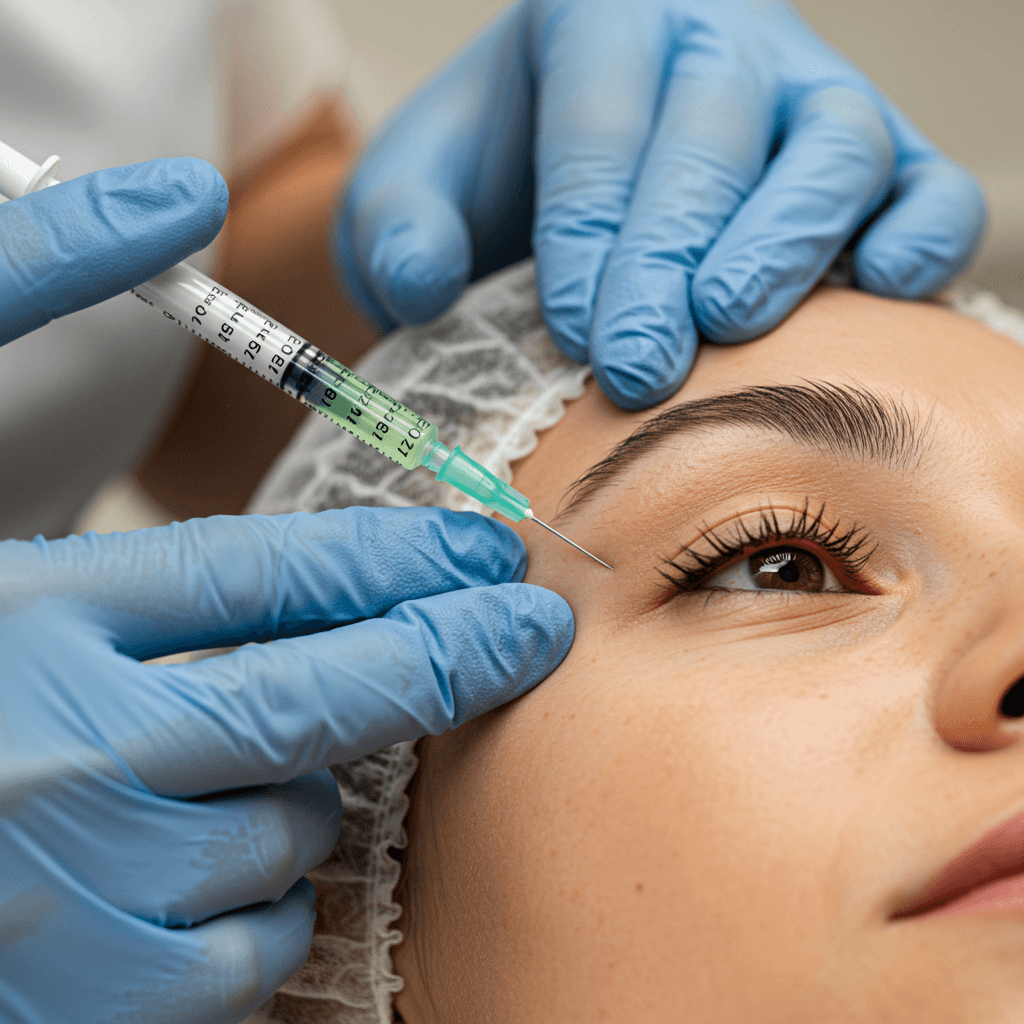
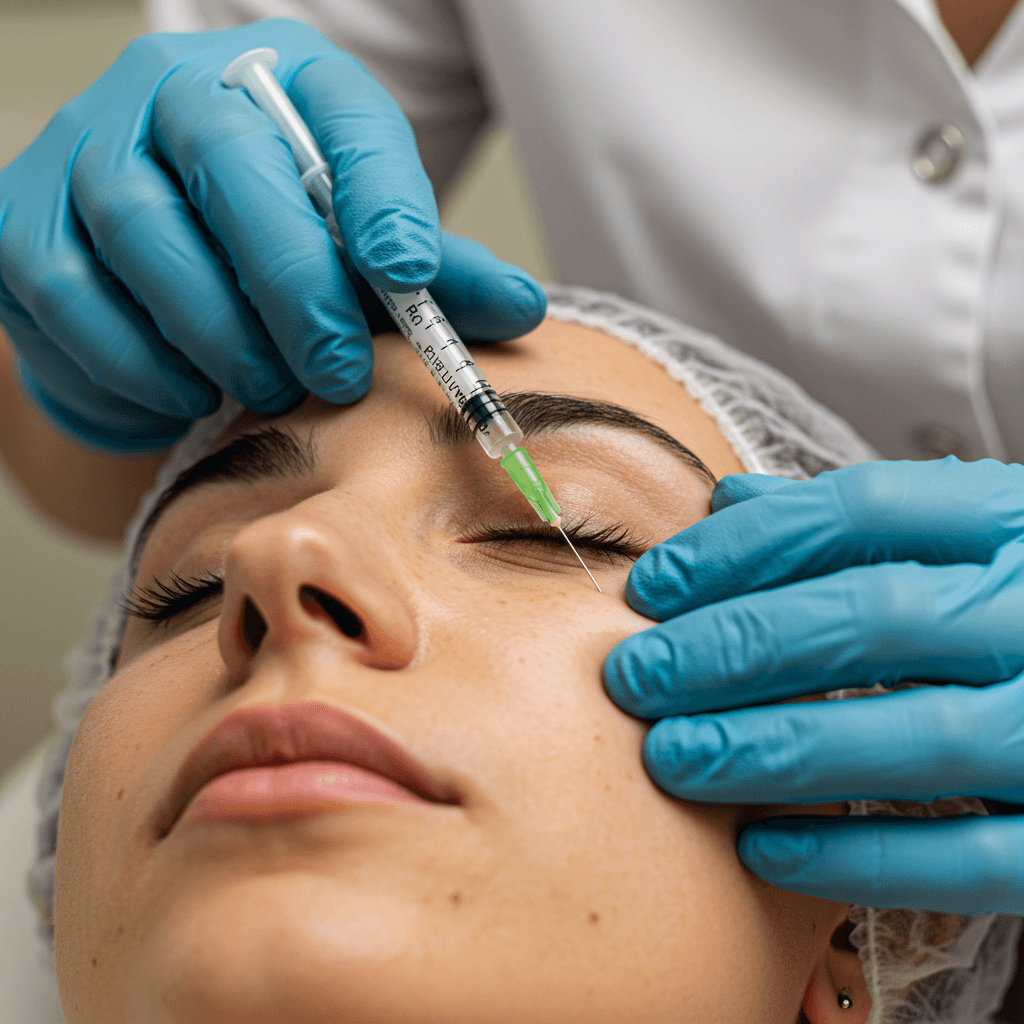
Important considerations
PRP (Platelet-Rich Plasma) treatments are generally safe when performed by a qualified professional. Safety considerations include ensuring sterile techniques and a thorough medical assessment prior to the procedure. It’s essential to discuss any medical history and potential allergies with your practitioner. Opting for a reputable clinic enhances safety and effectiveness. Prior to treatment, avoid blood thinners and alcohol for optimal results. For cutting-edge hair restoration or rejuvenation, choose experienced clinicians who prioritise patient safety.
The PRP procedure
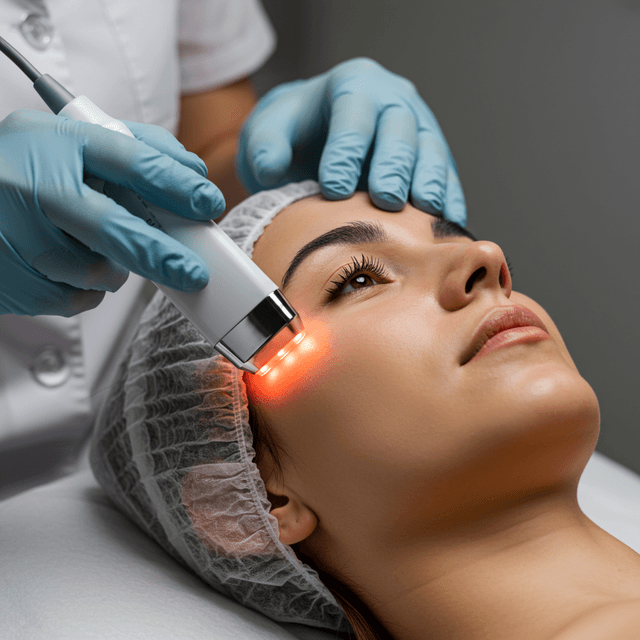
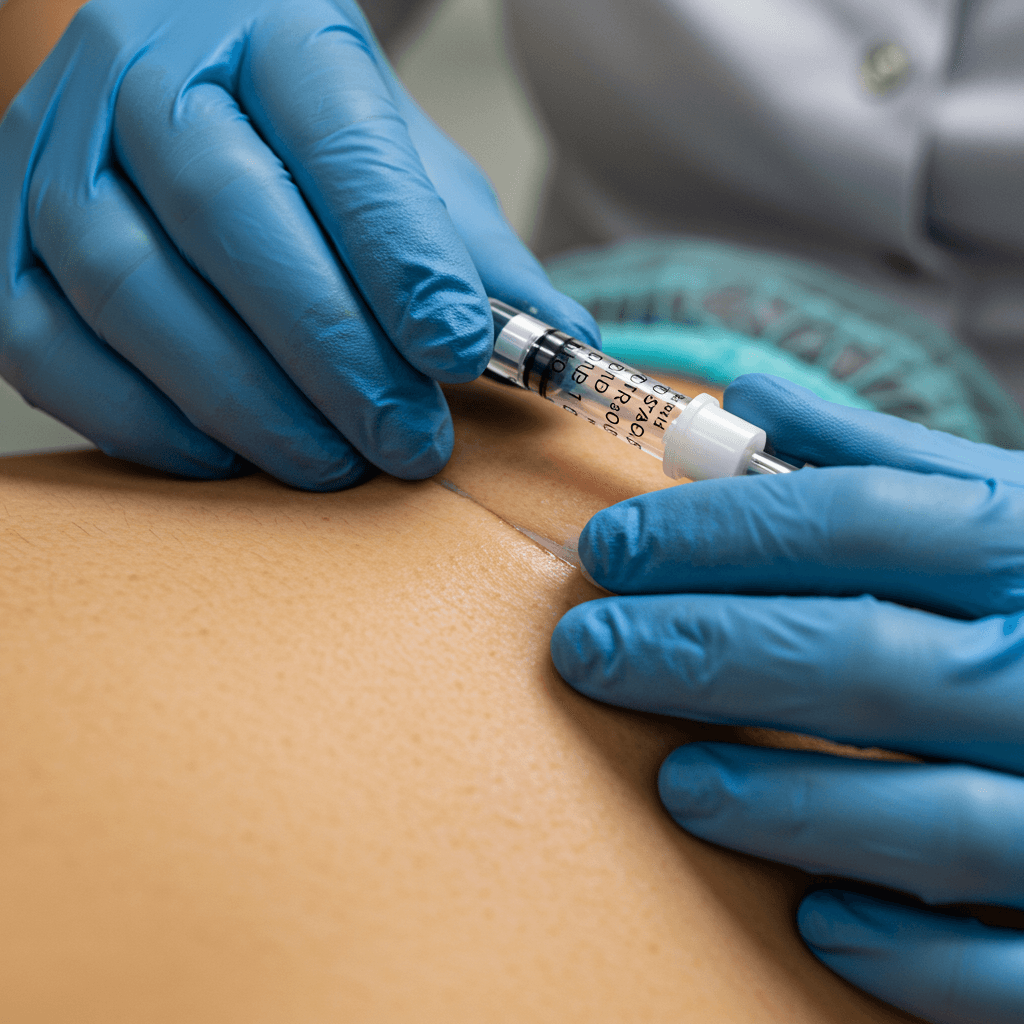
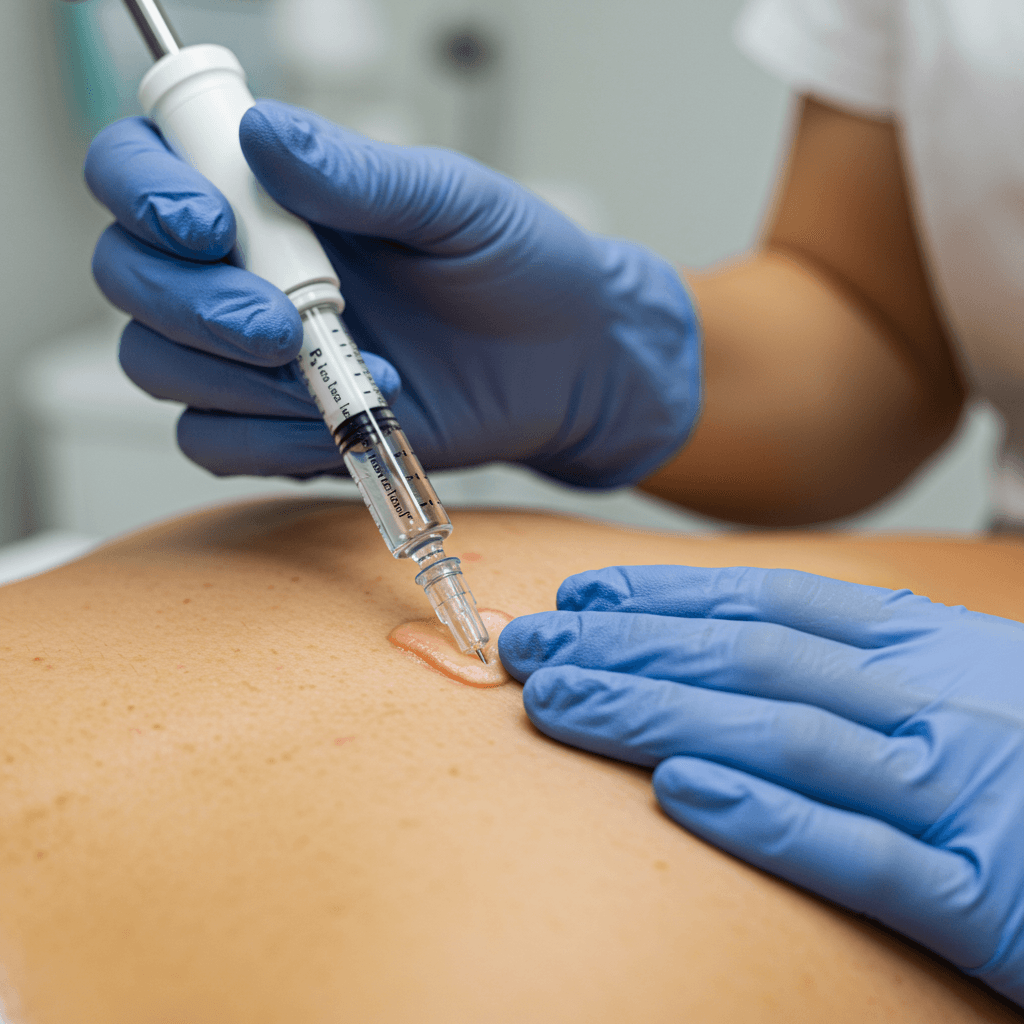
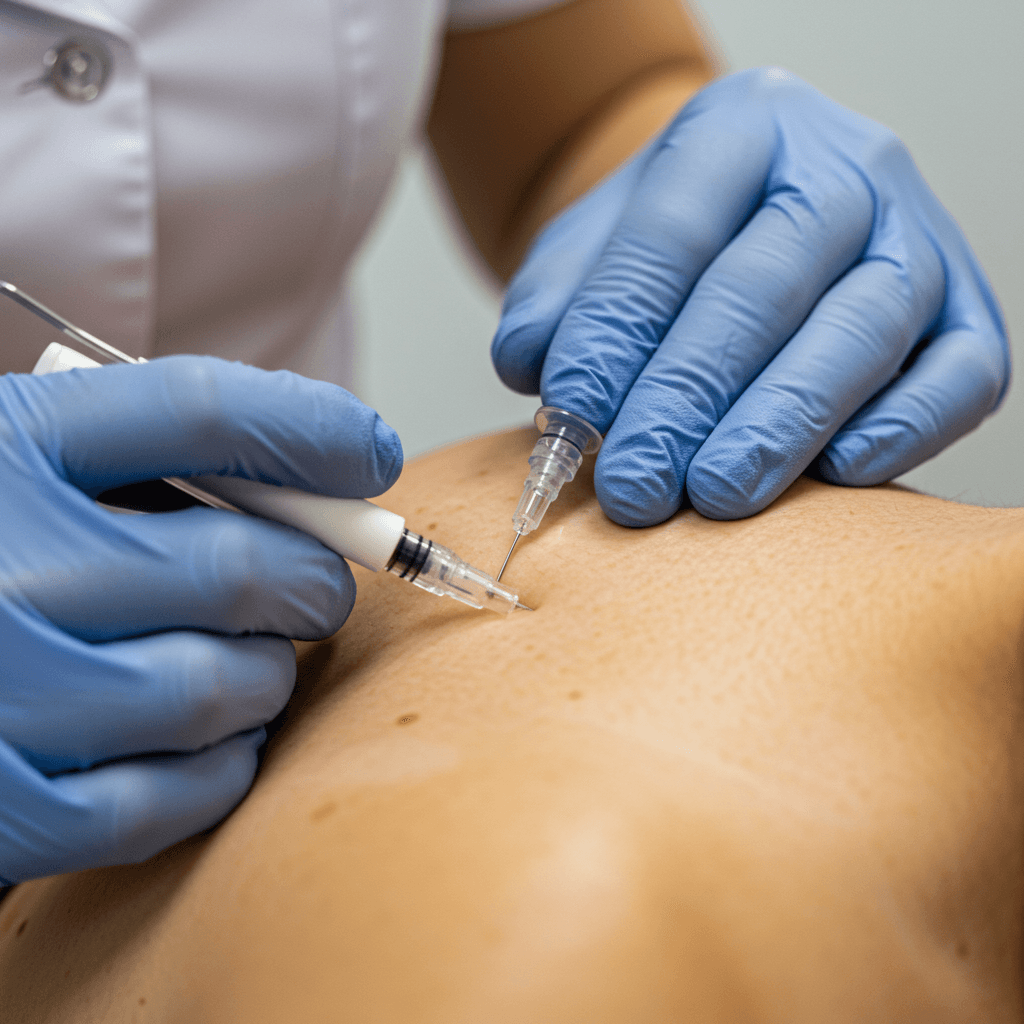
The PRP procedure is a non-surgical treatment that utilises platelet-rich plasma derived from the patient’s own blood to promote skin rejuvenation and stimulate hair growth.
What it feels like
Following PRP treatment, patients often report a sense of comfort and rejuvenation. Mild swelling or tenderness may occur, but these sensations typically subside quickly, leaving one feeling revitalised and optimistic about the benefits of the procedure.
PRP benefits
01
Effective Healing
PRP treatment promotes effective healing by using your body's own platelets.
02
Safe Procedure
The procedure is safe, minimising risks associated with traditional treatments.
03
Professional Guidance
Receive professional guidance throughout the treatment for optimal results.
04
Pain Relief
PRP offers significant relief from pain in various musculoskeletal conditions.
05
Quick Recovery
Patients experience a quick recovery time, allowing them to return to activities sooner.
PRP risks and side effects
Understand potential side effects like swelling, bruising, or asymmetry. Seek prompt care for severe pain, discoloration, or worsening symptoms.
1. Pain at Injection Site
Mild to moderate pain can occur at the injection site, typically resolving within a few days. It may be accompanied by tenderness, which usually subsides without further intervention.
2. Swelling and Bruising
Some patients may experience swelling or bruising where the PRP is injected. This is generally temporary, but significant bruising can be distressing and may last longer in some individuals.
3. Infection Risk
Though rare, there is a potential risk of infection at the injection site. Proper hygiene and technique are crucial to minimise this risk, but patients should monitor for any signs of infection.
4. Allergic Reaction
An allergic reaction to the anticoagulants used in the preparation of PRP, although uncommon, may occur. Symptoms can include swelling, itching, or redness at the injected area requiring medical attention.
5. Nerve Damage
In very rare cases, nerve damage can occur if the needle inadvertently affects nearby nerves. This can lead to numbness or tingling, which may resolve over time or require additional treatment.
Recovery process
Recovery timeline
After PRP treatment, swelling and bruising may occur, peaking within 1-2 days and typically resolving in a week. Physical activity should be limited for 48 hours. Most patients notice improvements within 3-4 weeks, with final results becoming visible around 3-6 months post-treatment as tissue regeneration progresses. Always follow your practitioner’s specific aftercare instructions.

Aftercare Instructions
- Avoid intense exercise for 24-48 hours post-treatment.
- Keep the treatment area clean and dry for 24 hours.
- Refrain from using makeup on the treated area for at least 24 hours.
- Stay hydrated and maintain a healthy diet.
- Avoid sun exposure and harsh skin products for several days.
- Follow up with your provider as recommended.

Week 1
During the first week post-PRP treatment, patients may experience mild swelling and bruising, which typically subsides within a few days. Initial results may appear subtle, improving gradually as healing progresses.

Week 2
In the second week post-PRP treatment, swelling typically reduces significantly, with initial results becoming more apparent. Patients may notice improved skin texture and tone, though full effects will continue to develop over time.

Months 1–6+
Patients may experience initial improvements within weeks, with optimal results typically surfacing around three to six months post-treatment, as effects gradually enhance and stabilise over time, leading to sustained benefits.
Questions about PRP
All your questions answered.
PRP results typically last between six months to a year, depending on individual factors such as age, lifestyle, and the specific condition being treated. Longevity can be enhanced with maintenance treatments, usually recommended every 6 to 12 months. Regular assessments can help tailor your treatment plan for optimal results.
The PRP procedure may cause mild discomfort, often likened to a pinprick during blood draw and injection. Practitioners prioritise your comfort by applying a topical anaesthetic beforehand. Ice packs can also be used post-treatment to minimise any swelling or soreness. Most patients find the discomfort manageable, with many reporting only slight soreness after the procedure.
After PRP treatment, most patients can resume normal activities within 24 to 48 hours. Temporary side effects may include mild swelling, redness, or bruising at the injection sites. It's advisable to avoid makeup for at least 24 hours post-treatment to allow the skin to heal properly. Always follow your practitioner's specific aftercare instructions for optimal results.
Good candidates for PRP treatment typically include individuals seeking improvement in hair loss, joint pain, or skin rejuvenation. Contraindications may involve autoimmune disorders, blood clotting issues, or active infections. A consultation with a qualified practitioner is essential to assess suitability and discuss any potential risks or concerns, ensuring a personalised approach to treatment based on individual health needs.
 We’re an MHRA licensed broker.
All-in-one platform for aesthetic clinics. Manage bookings and digital consent easily. Reduce paperwork and save time. Secure client data and records. Built for modern practitioners.


Get in touch








 5 (101)
 22.51m
.1f395bec.png&w=32&q=75) 539+ clinics
539+ clinics