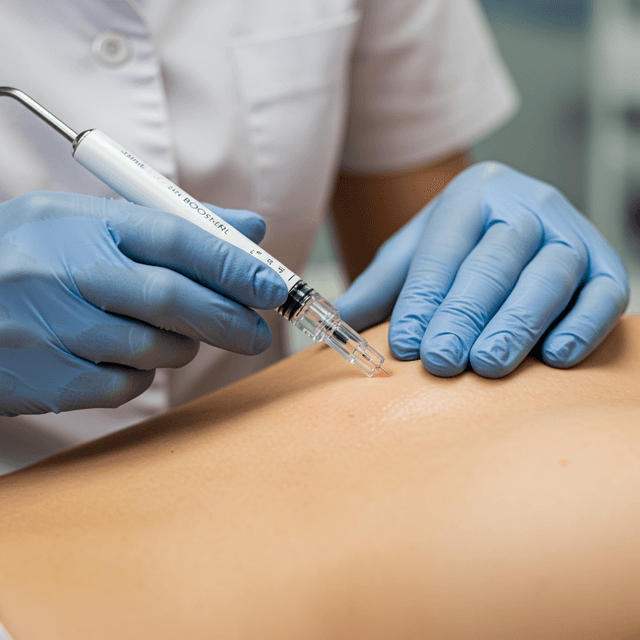
Find Skin Lightening near me
Book the best Skin Lightening online in seconds. Read reviews and compare the top rated Skin Lightening near you on Faces.
Skin lightening is a cosmetic treatment aimed at reducing melanin pigment in the skin to achieve a lighter complexion. This can be accomplished using various methods, including topical creams, chemical peels, and laser therapy. Common active ingredients in skin lightening products include hydroquinone, kojic acid, and vitamin C, which work by inhibiting melanin production or accelerating skin cell turnover. While some individuals seek skin lightening for aesthetic preferences, it is essential to approach such treatments with caution due to potential side effects and regulatory considerations.
 19 Appointments made
 22+ clinics to offer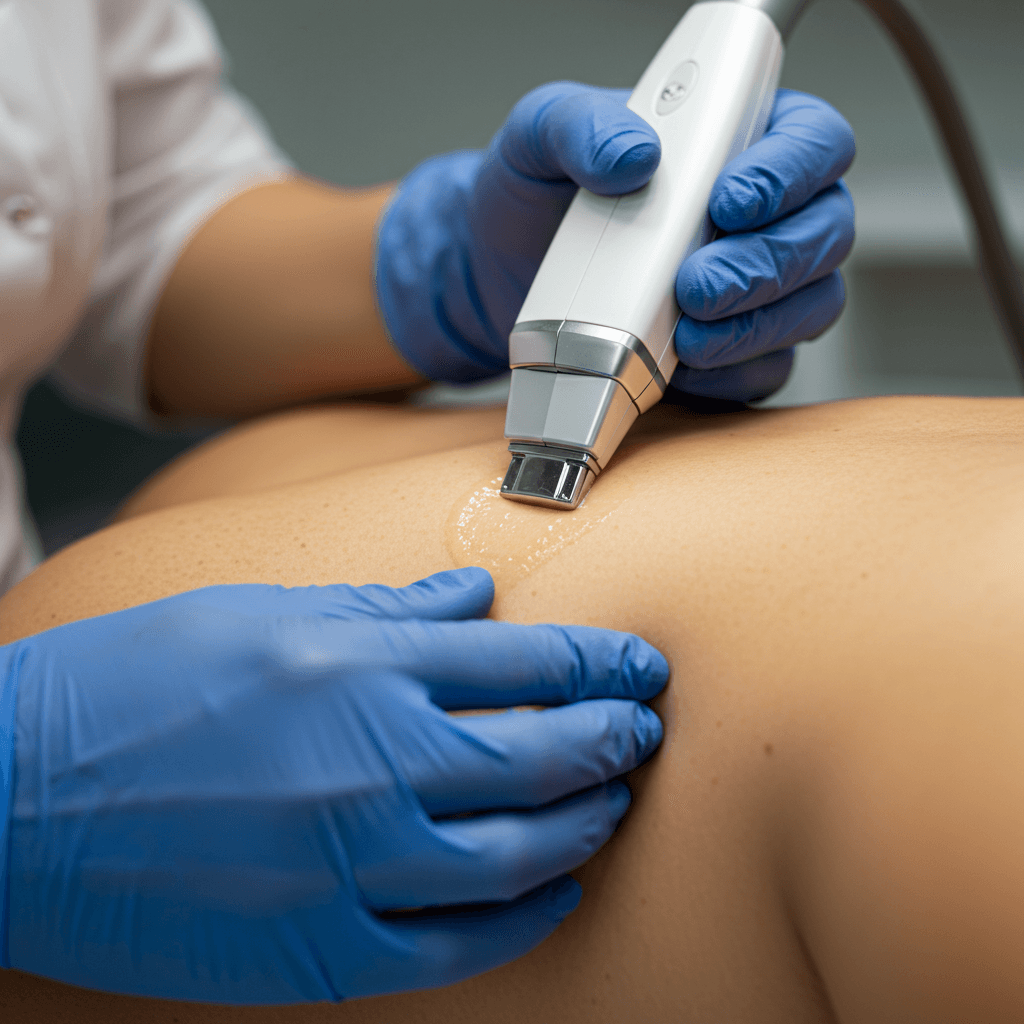
Highlights

Price range

Treatment time

Recovery time

Treatment sessions

Duration of results

Satisfaction rate
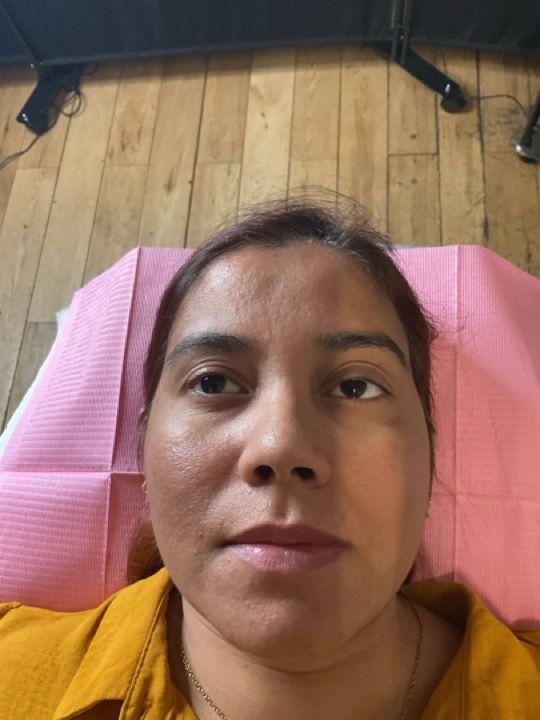
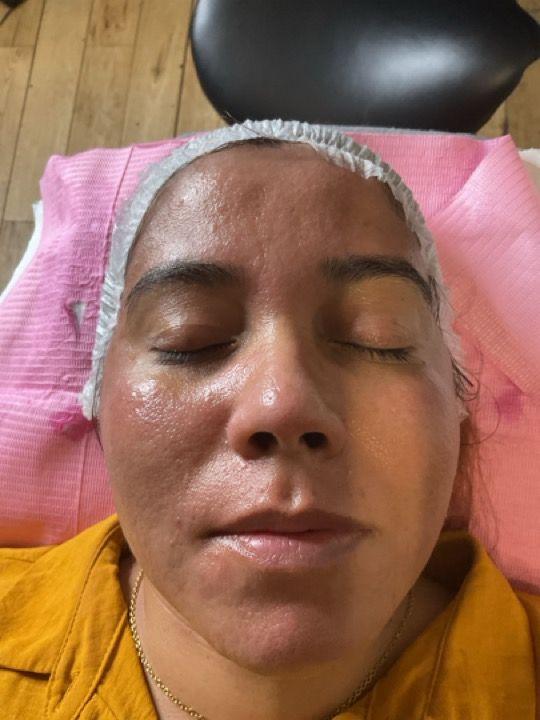
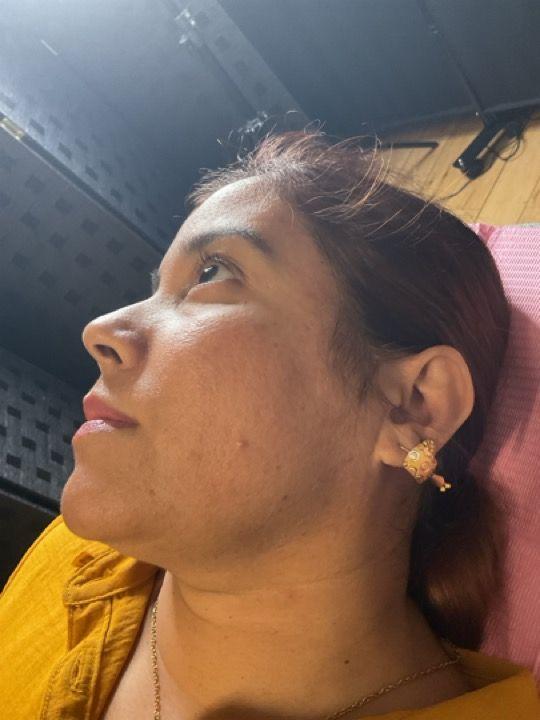
Before / After results
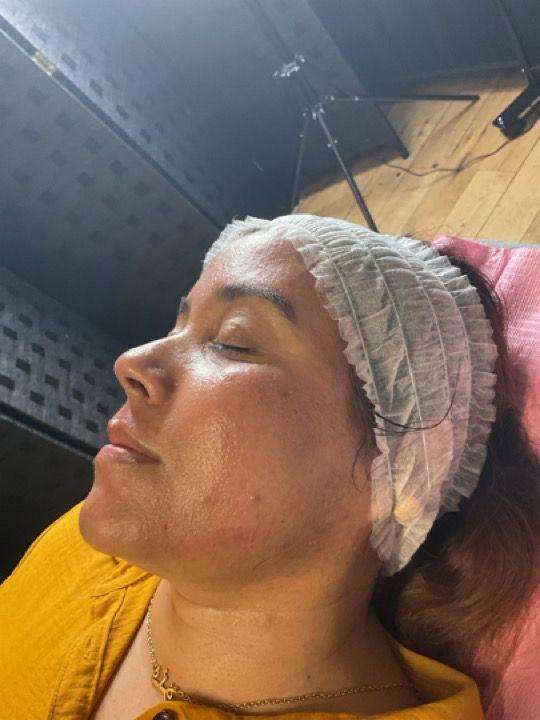
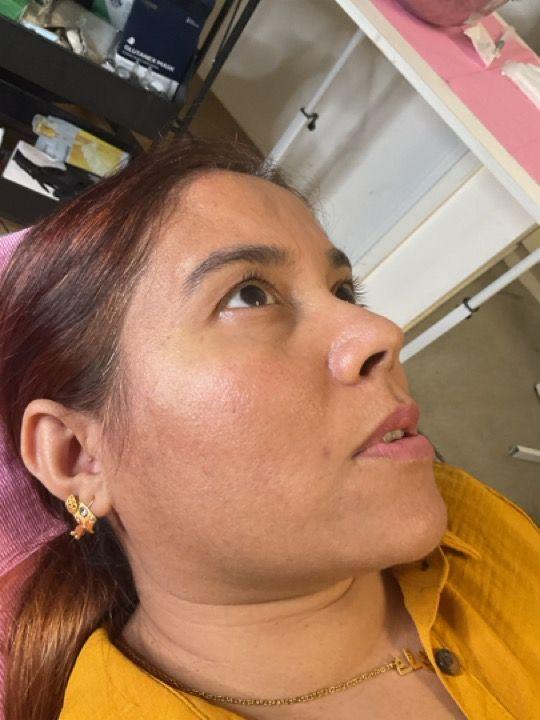
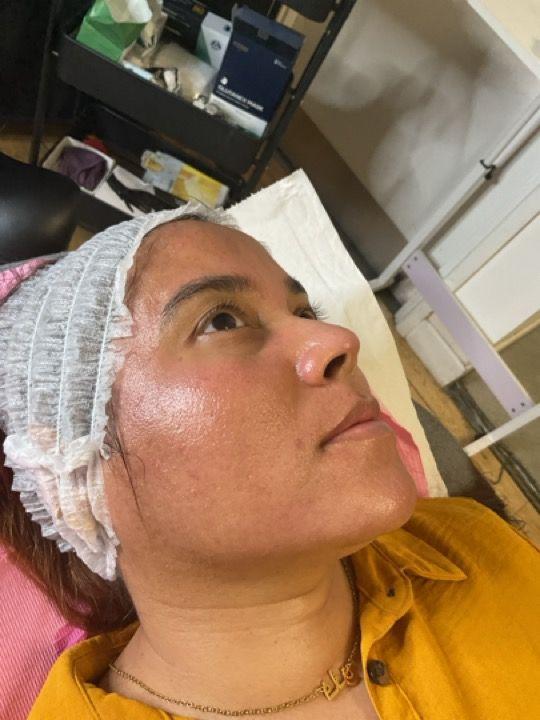
How it works
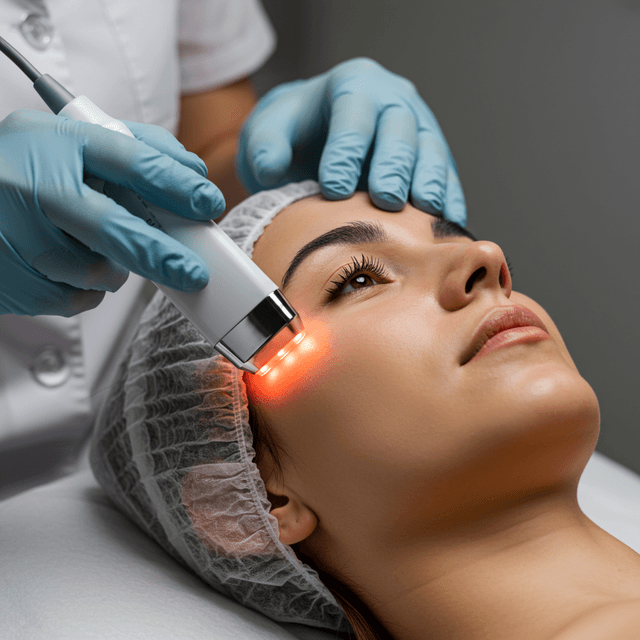
Skin lightening involves inhibiting melanin production to reduce hyperpigmentation. Common materials include hydroquinone, kojic acid, and arbutin, which target enzymes in melanin synthesis. The purpose is to achieve a more even skin tone, enhance aesthetic appeal, or address skin disorders, although caution is advised due to potential side effects.

Ideal candidates
A good candidate for skin lightening treatment typically has uneven skin tone, hyperpigmentation, or specific areas of darkened skin. Ideal candidates are generally in good health, with realistic expectations and a desire to enhance their complexion. Concerns addressed include sun damage, age spots, and post-inflammatory hyperpigmentation.
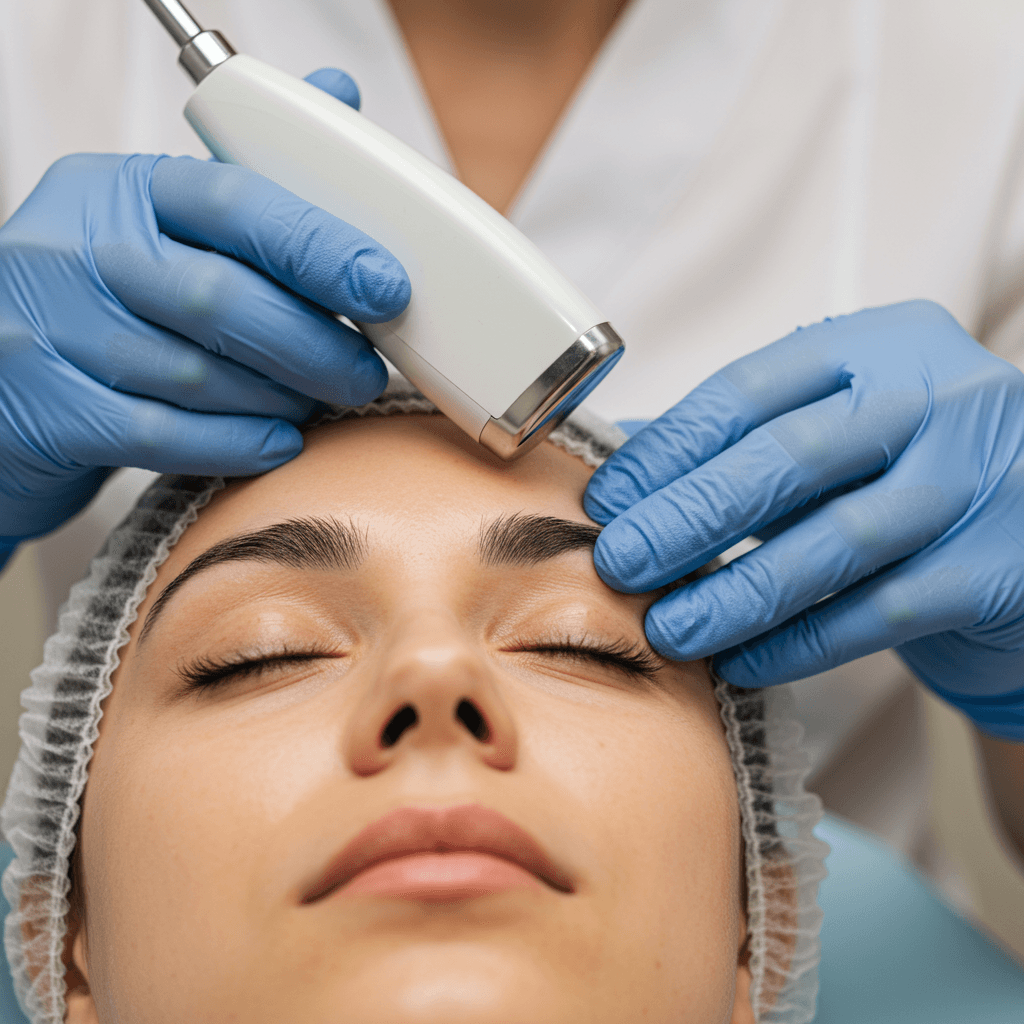
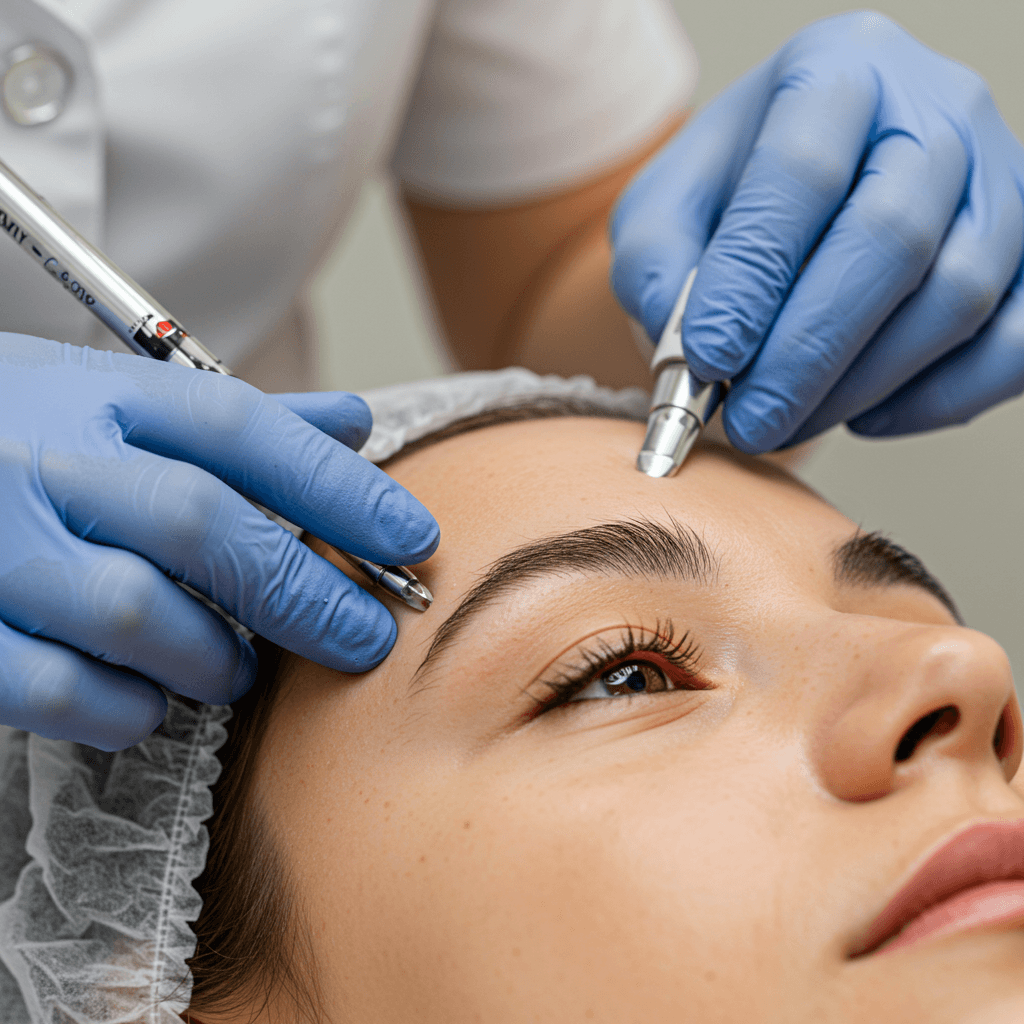
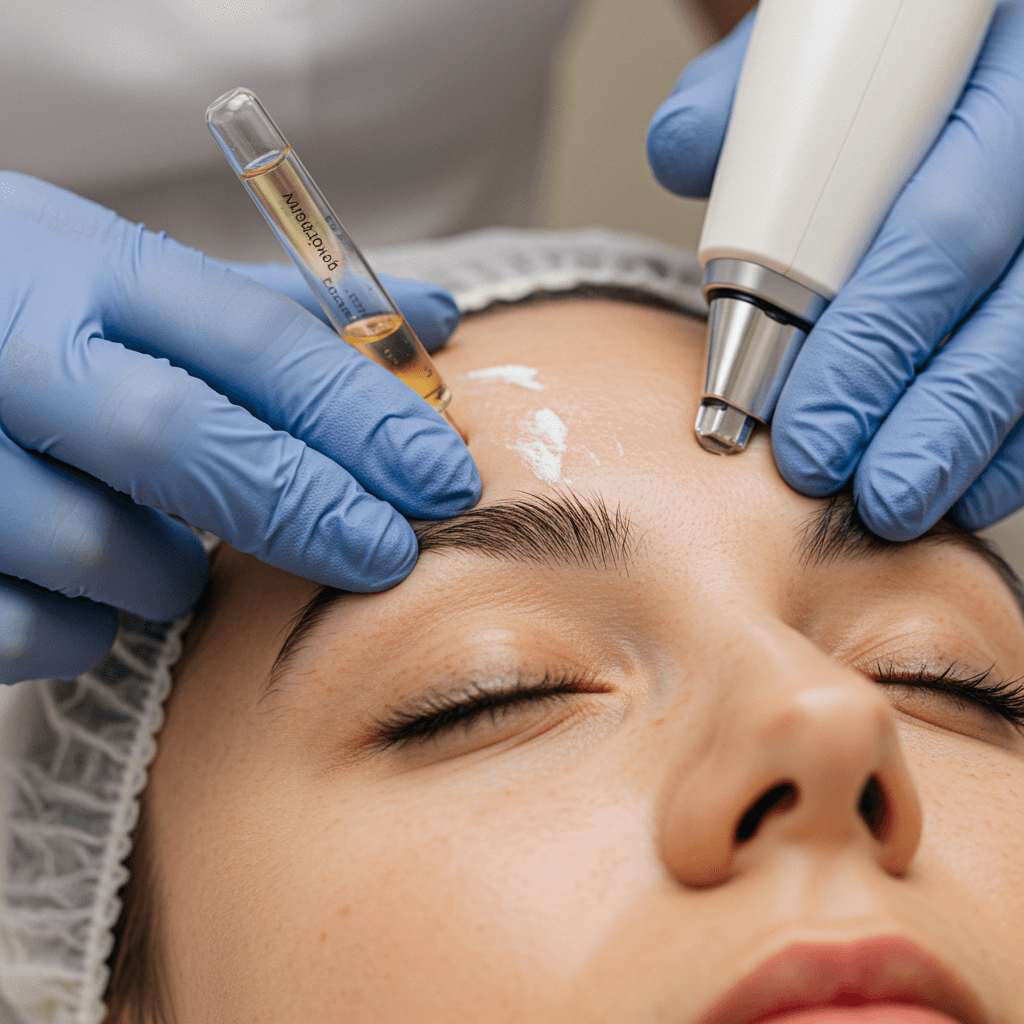
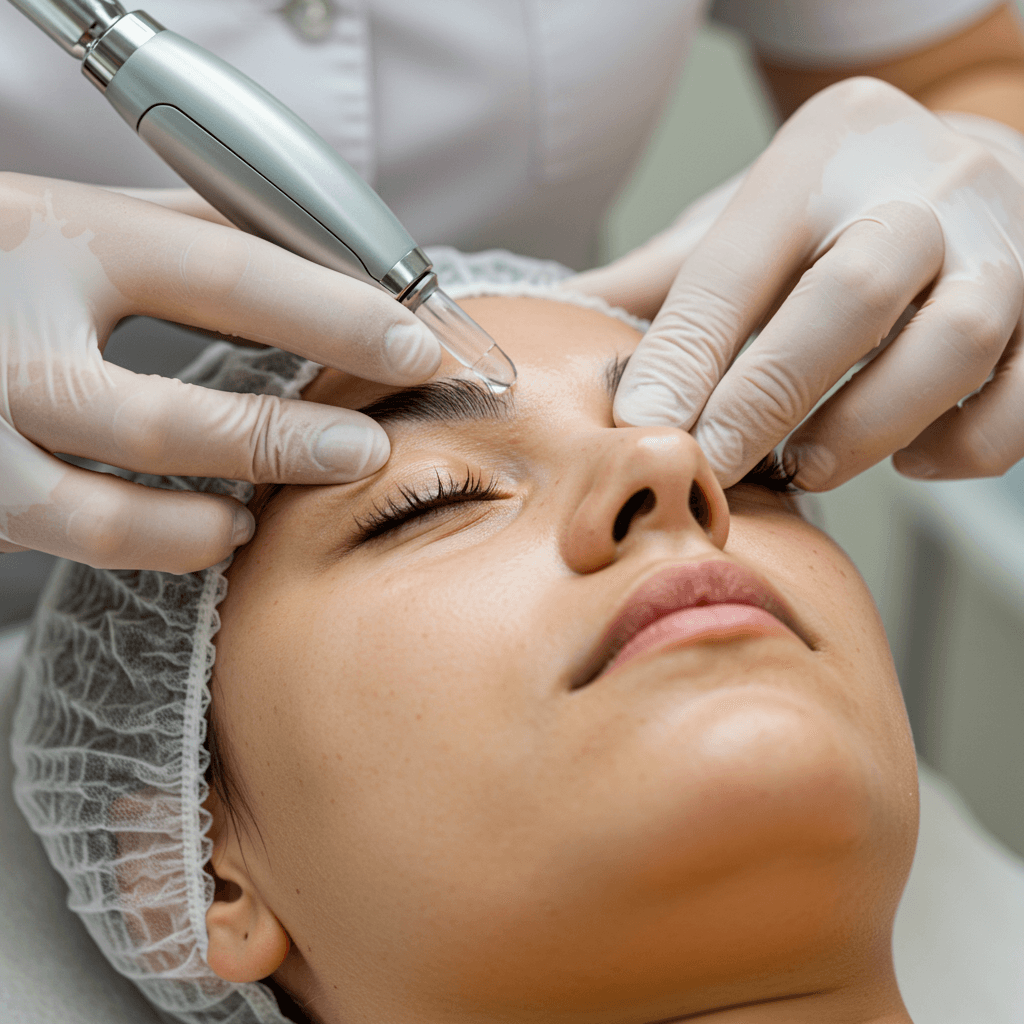
Treatment variations
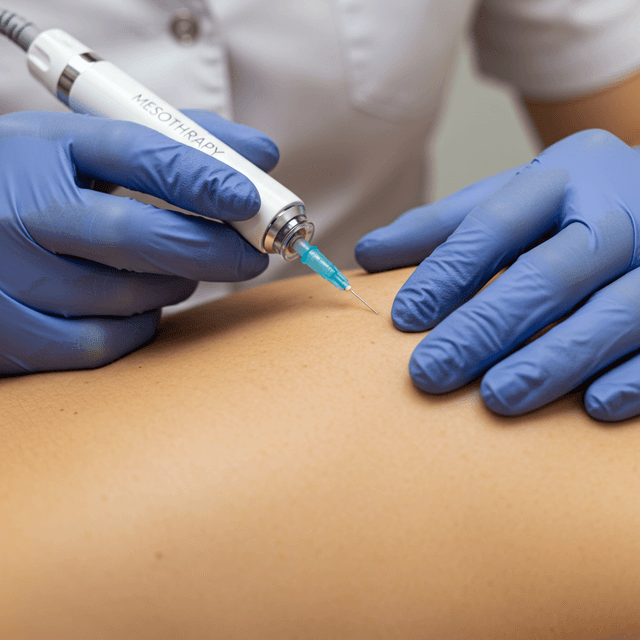
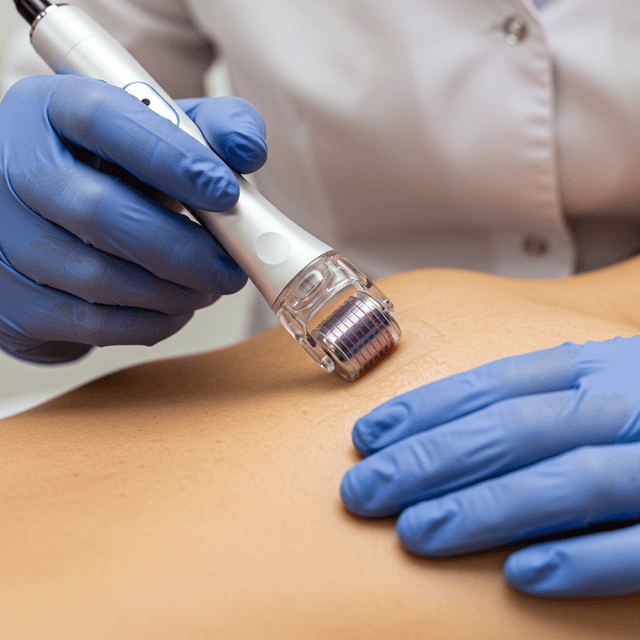
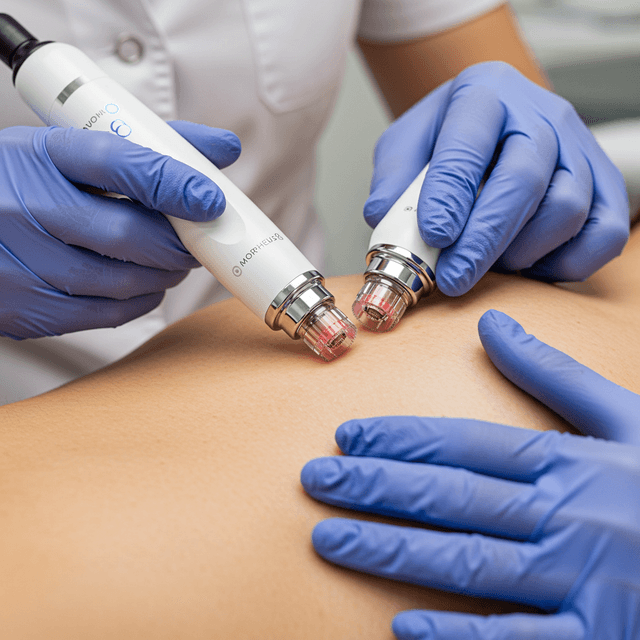
Various skin lightening treatments cater to specific areas and aesthetic aspirations. Your practitioner will evaluate your needs and recommend the most appropriate option, considering the treatment area, your desired outcome, and individual anatomy. This tailored approach ensures optimal results, enhancing your natural beauty while addressing your unique skin concerns.
Important considerations
Skin lightening treatments can be safe when performed by qualified professionals, such as dermatologists or licensed aesthetic practitioners. It's crucial to discuss your skin type and any underlying conditions beforehand. Safety considerations include potential side effects like irritation or allergic reactions, so thorough patch testing is essential. Always choose reputable clinics and ensure products are compliant with regulations. Prioritise consultation to explore options tailored to your needs for effective and safe skin lightening.
The Skin Lightening procedure
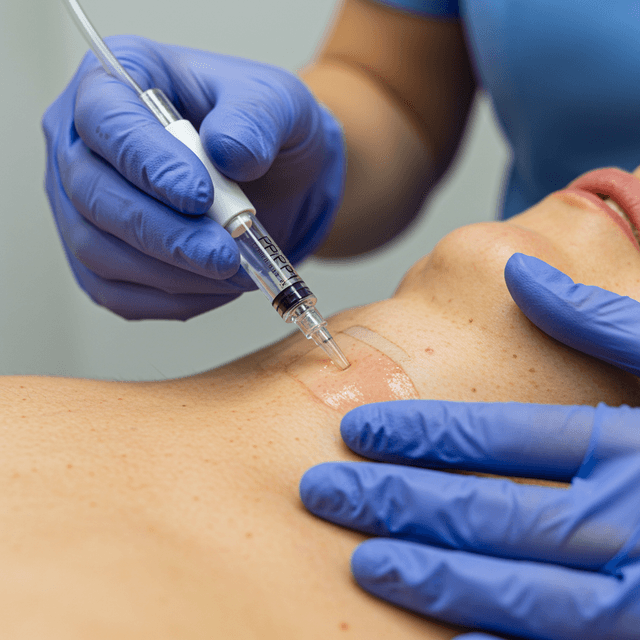
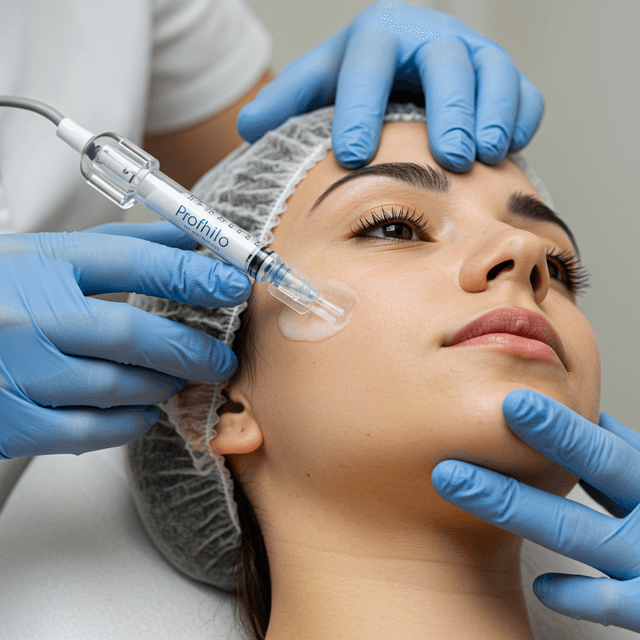
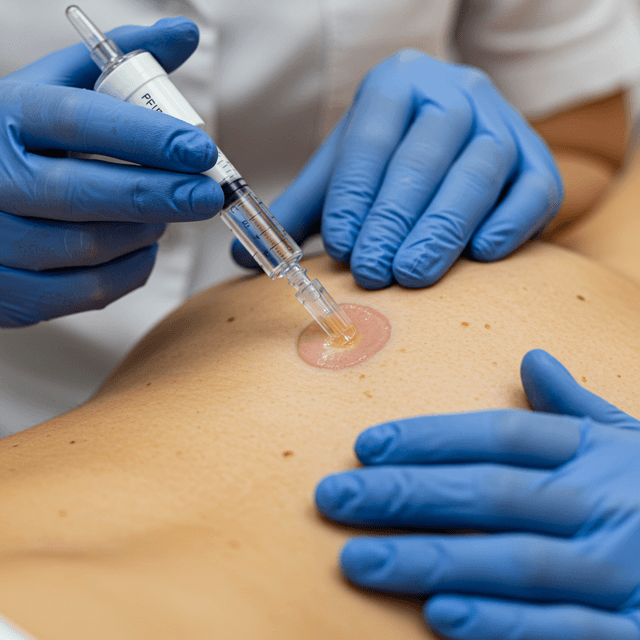
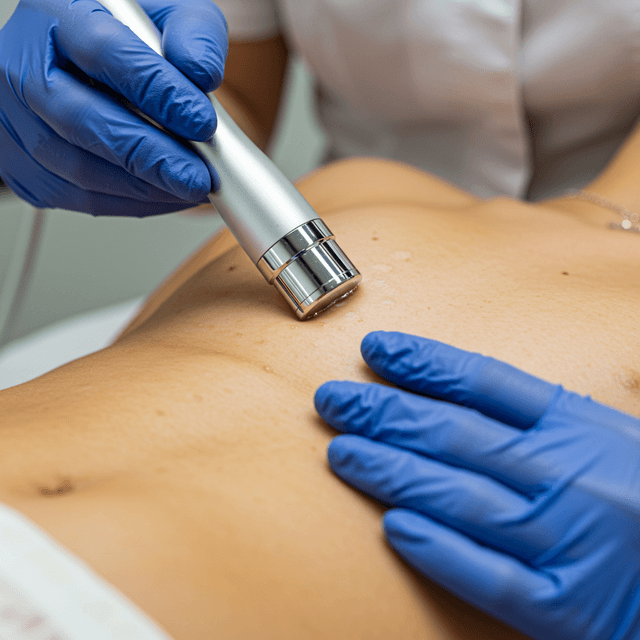
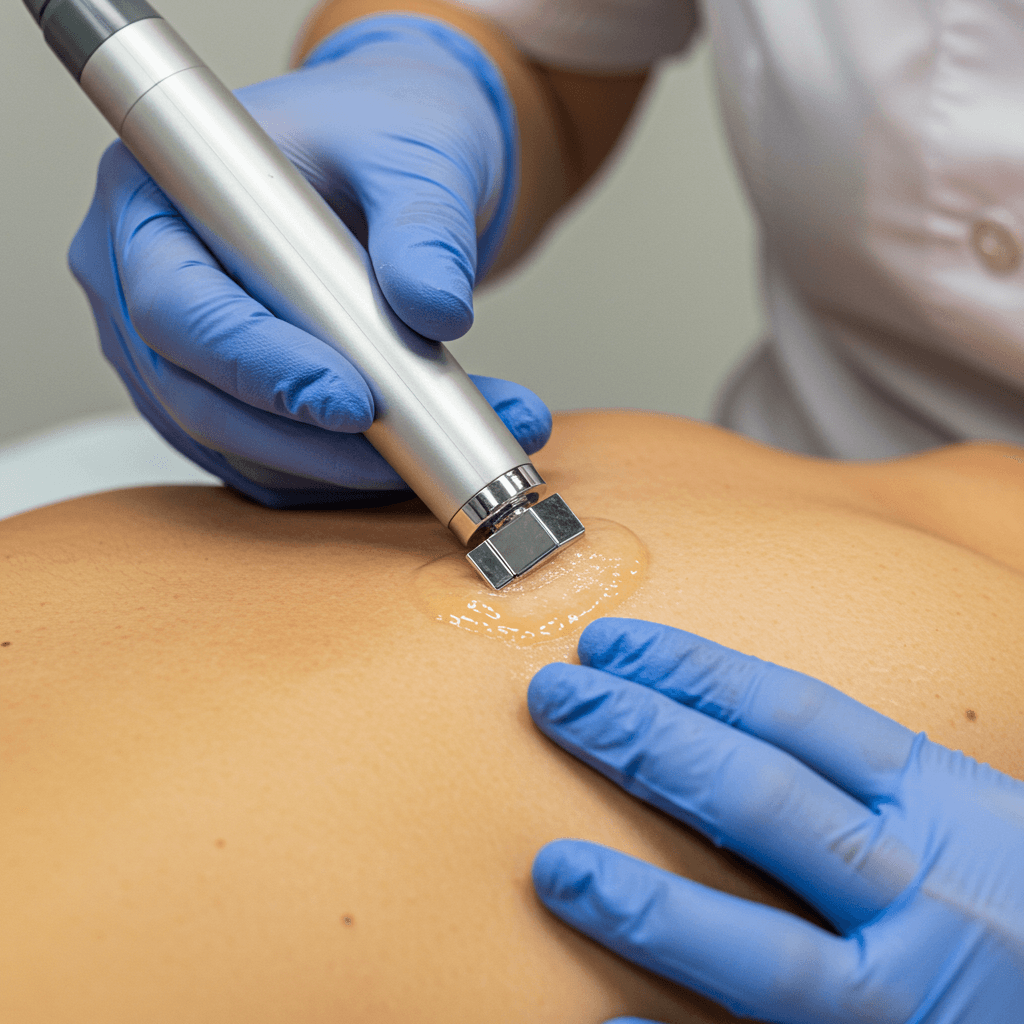
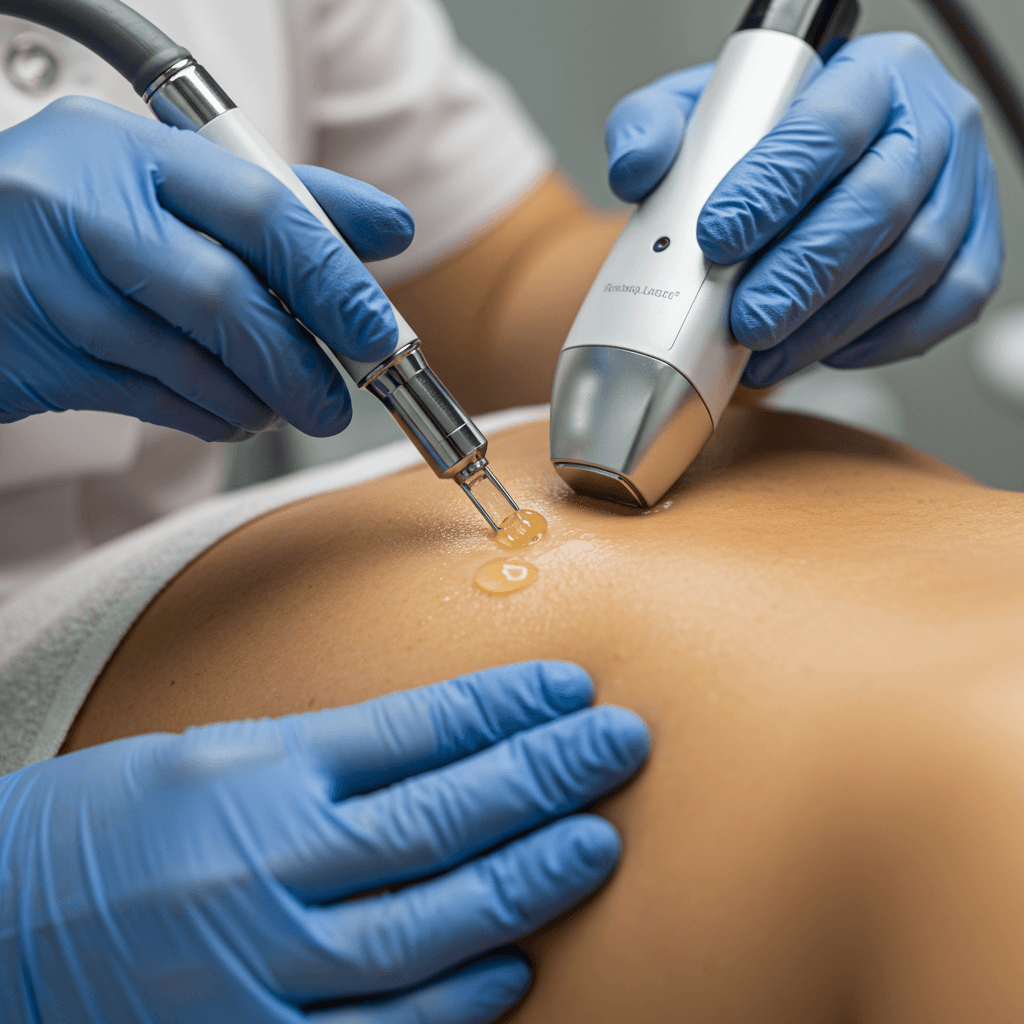
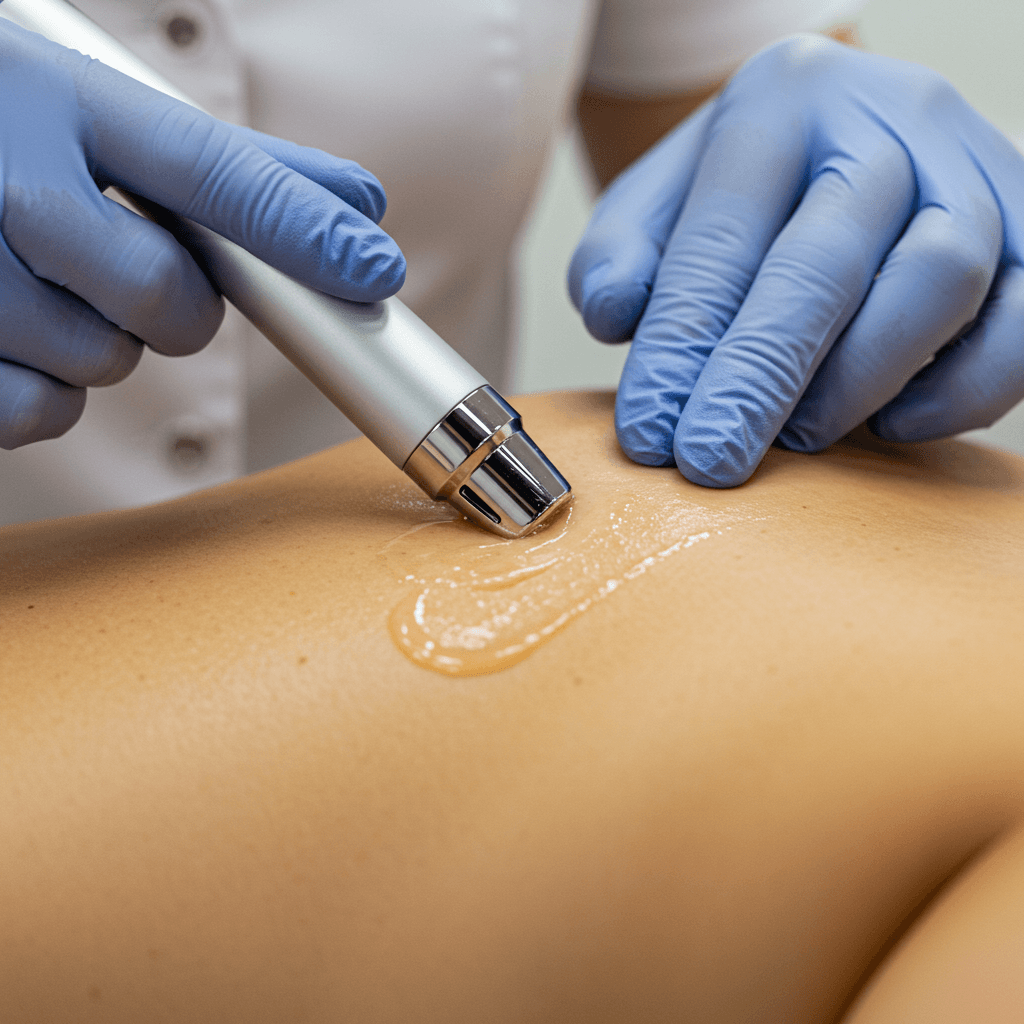
Skin lightening is a non-surgical procedure that typically utilises topical agents like hydroquinone or chemical peels to reduce melanin production and achieve a brighter skin tone.
What it feels like
After skin lightening treatment, patients often experience a sense of rejuvenation and satisfaction. The skin may feel fresh and smooth, with a noticeable brightness. Many report a boost in confidence as they enjoy their enhanced complexion, feeling comfortable in their own skin.
Skin Lightening benefits
01
Professional Guidance
Receive expert advice for optimal skin lightening results tailored to your needs.
02
Effective Results
Achieve noticeable skin tone improvement with scientifically-backed treatment options available.
03
Safe Procedures
Undergo treatments that prioritise your skin’s health and minimise potential risks.
04
Quick Relief
Enjoy swift outcomes with treatments designed for rapid and effective skin enhancement.
05
Book Consultations
Schedule appointments with specialists to discuss personalised skin lightening strategies.
Skin Lightening risks and side effects
Understand potential side effects like swelling, bruising, or asymmetry. Seek prompt care for severe pain, discoloration, or worsening symptoms.
1. Skin Irritation
Commonly occurs as redness, itching, or a burning sensation, often due to harsh chemicals. Those with sensitive skin are particularly susceptible to such reactions.
2. Discolouration
May lead to paradoxical darkening or uneven skin tone, especially with prolonged use. This condition, known as post-inflammatory hyperpigmentation, can be distressing for individuals seeking even-toned skin.
3. Thinning of Skin
Prolonged use of potent ingredients can result in skin atrophy, making skin thin and fragile. This increases the likelihood of bruising and other injuries to the skin.
4. Mercury Toxicity
Certain illegal skin lightening products contain mercury, which can lead to serious health issues, including kidney damage and neurological problems. Symptoms may not appear immediately, complicating diagnosis and treatment.
5. Increased Sun Sensitivity
Skin lightening treatments can heighten sensitivity to UV radiation, leading to an increased risk of sunburn and long-term skin damage. Proper sun protection is essential during and after treatment.
Recovery process
Recovery timeline
After skin lightening treatment, mild swelling and bruising may occur, lasting 3-5 days. Patients are advised to avoid strenuous physical activity for at least a week. Initial results can be seen within a few days, but final outcomes typically become visible after 4-6 weeks as skin continues to heal and lighten further.

Aftercare Instructions
- Avoid sun exposure; use SPF 30+ daily.
- Keep the treated area moisturized.
- Refrain from picking or scratching the skin.
- Avoid harsh exfoliants and active ingredients for at least a week.
- Stay hydrated and maintain a balanced diet.
- Follow up with your dermatologist as recommended.

Week 1
During the first week post-skin lightening treatment, patients may experience mild swelling and bruising, with results gradually becoming noticeable as the skin settles. Initial redness may subside, revealing a brighter complexion thereafter.

Week 2
In the second week post-treatment, swelling typically diminishes significantly, and skin may start to appear brighter and more even-toned. Patients might notice initial results, though final outcomes will develop gradually over time.

Months 1–6+
Patients may notice gradual lightening within 4-6 weeks, with optimal results appearing after 3-6 months. Over time, maintenance is essential, as skin tone may shift without continuous care. Regular follow-ups ensure lasting effects.
Questions about Skin Lightening
All your questions answered.
Skin lightening results typically last anywhere from a few weeks to several months, depending on factors like skin type, treatment method, and sun exposure. To maintain results, regular maintenance treatments and sun protection are essential. Individual lifestyle choices and skincare routines also significantly influence longevity, so ongoing care is crucial for sustaining your desired complexion.
The level of discomfort during skin lightening procedures varies, but most patients report minimal pain, akin to a mild sting or tingling sensation. Practitioners often use topical anaesthetics to enhance comfort, alongside cooling techniques post-treatment. Open communication between patients and practitioners is encouraged to address any concerns, ensuring a supportive environment throughout the process for a more pleasant experience.
Patients can generally resume normal activities shortly after skin lightening treatment, though mild redness or swelling may occur. Downtime is typically minimal, lasting a few hours to a day. Temporary side effects can include dryness or peeling. Makeup can usually be applied after 24 hours, but it’s best to consult your practitioner for personalised advice.
Good candidates for skin lightening treatments typically have uneven skin tone or hyperpigmentation. However, individuals with certain skin conditions, a history of keloids, or those who are pregnant or breastfeeding may be contraindicated. A thorough consultation with a qualified practitioner is essential to assess eligibility, discuss potential risks, and tailor the treatment to individual needs for optimal results.
 We’re an MHRA licensed broker.
All-in-one platform for aesthetic clinics. Manage bookings and digital consent easily. Reduce paperwork and save time. Secure client data and records. Built for modern practitioners.


Get in touch








 0 (0)
0 (0) 85.12m



.1f395bec.png&w=32&q=75) 539+ clinics
539+ clinics