






 Shop
- All categories
- POMs
- Kenalog
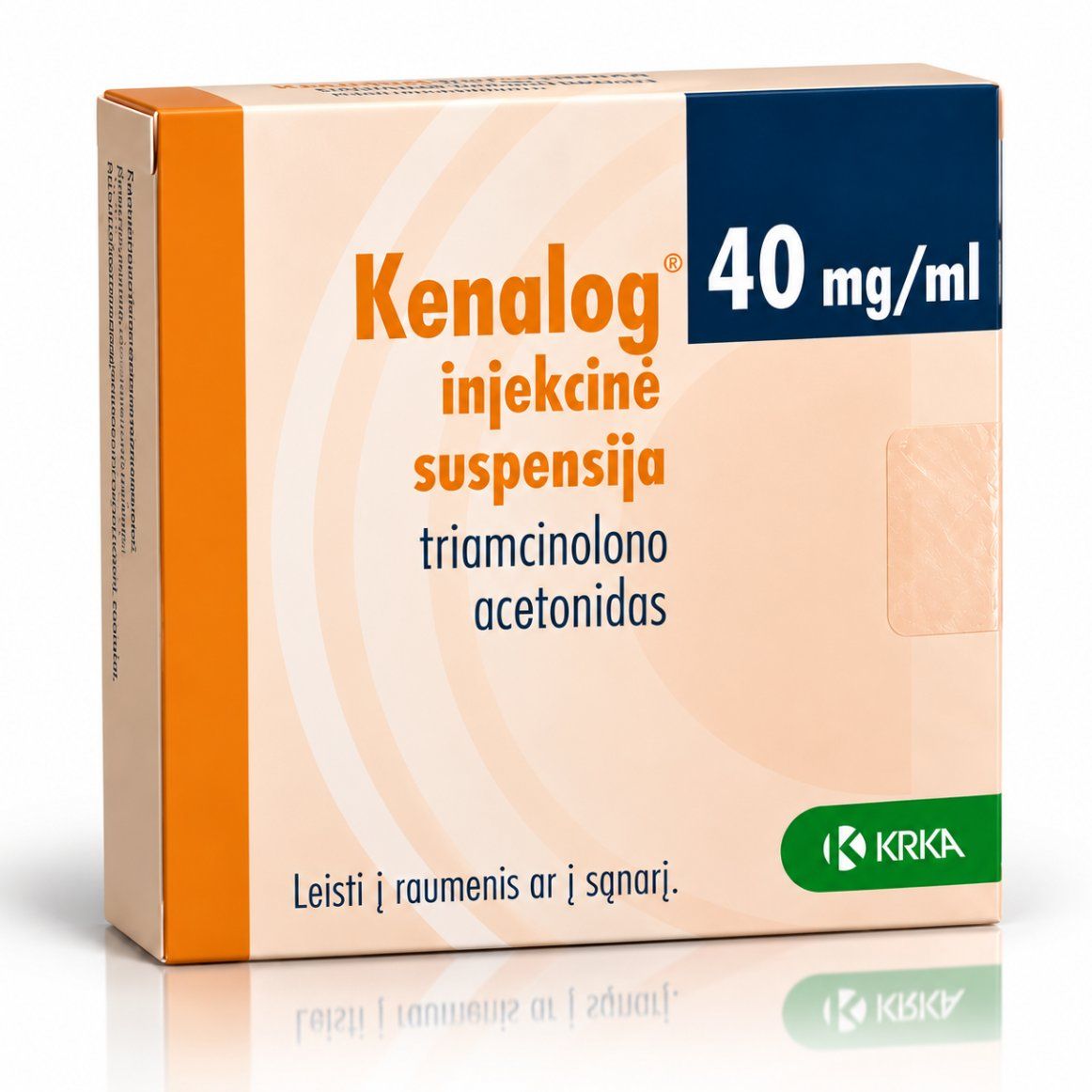
Kenalog 40mg/ml Triamcinolone Injection – Triple Pack (3 vials)
Kenalog 40mg/ml Triamcinolone Injection – Triple Pack (3 vials)
In stock
In stock
Kenalog 40mg/ml Injection – 3 × 1ml Vials
Kenalog 40mg/ml Injection is a prescription-only corticosteroid medicine containing triamcinolone acetonide at a concentration of 40mg/ml. Each 1ml vial contains 40mg of triamcinolone acetonide as a sterile aqueous suspension for injection. This presentation contains 3 × 1ml vials and is intended for intra-articular or intramuscular administration by appropriately trained healthcare professionals.
Kenalog has anti-inflammatory and anti-allergic properties and provides a prolonged depot corticosteroid effect suitable for selected clinical situations requiring sustained local or systemic anti-inflammatory action.
Key Benefits
Kenalog is formulated to support anti-inflammatory treatment across several clinical indications:
- Prescription-only corticosteroid injection containing triamcinolone acetonide 40mg/ml
- 40mg triamcinolone acetonide per 1ml vial
- Supplied as 3 × 1ml vials
- Potent anti-inflammatory and anti-allergic activity
- Suitable for intra-articular use in selected inflammatory joint conditions
- Suitable for intramuscular administration where a sustained systemic corticosteroid effect is required
- Depot suspension formulation provides prolonged corticosteroid action
- Sterile aqueous suspension for injection
- Professional healthcare use only
Product Details
Key specifications for Kenalog 40mg/ml injection:
- Product: Kenalog Intra-Articular / Intramuscular Injection
- Active ingredient: Triamcinolone acetonide
- Strength: 40mg/ml
- Vial size: 1ml
- Amount per vial: 40mg triamcinolone acetonide
- Pack size: 3 × 1ml vials
- Pharmaceutical form: Sterile aqueous suspension for injection
- Routes: Intra-articular or intramuscular use only
- Legal category: Prescription-only medicine (POM)
- Intended user: Appropriately trained healthcare professional
- Professional use only; not intended for self-administration
Always refer to the product information supplied with the exact triamcinolone acetonide preparation before administration, as availability, manufacturer, and product information may vary.
What Is Kenalog?
Kenalog contains triamcinolone acetonide, a synthetic corticosteroid with potent anti-inflammatory and anti-allergic activity. Corticosteroids work by modifying inflammatory and immune responses within the body. When used locally within an appropriate joint or related structure, triamcinolone can help reduce inflammation, pain, and swelling. When administered intramuscularly, it provides a sustained systemic corticosteroid effect for selected medical conditions.
Licensed Intra-Articular Uses
Kenalog may be used intra-articularly for relief of pain, swelling, and stiffness associated with inflammatory conditions including:
- Rheumatoid arthritis
- Osteoarthrosis with an inflammatory component
- Bursitis
- Epicondylitis
- Tenosynovitis
Treatment should only be undertaken following appropriate diagnosis and clinical assessment.
Licensed Intramuscular Uses
Intramuscular Kenalog may be used where sustained systemic corticosteroid treatment is required. Licensed indications have included selected allergic conditions, endocrine disorders, collagen disorders, dermatological diseases, rheumatic disorders, gastrointestinal disorders, respiratory conditions, haematological disorders, neoplastic conditions, and renal disease. The exact clinical indication and treatment regimen must be determined by an appropriate prescriber.
Intra-Articular Administration
When used intra-articularly, Kenalog may help reduce inflammation within affected joints. Appropriate joint assessment is required before injection. Corticosteroids should not be injected into unstable joints or where active infection is present in or around the intended joint. Repeated corticosteroid injections require careful clinical consideration because excessive or inappropriate treatment may contribute to damage of joint structures.
Intramuscular Administration
Where intramuscular administration is clinically indicated, Kenalog is intended to be administered as a deep intramuscular injection. Historical UK product information specifies deep injection into the gluteal region — the deltoid should not be used for this preparation. Appropriate technique is important because incorrect superficial administration can contribute to local tissue or fat atrophy.
Depot Corticosteroid Effect
Kenalog is formulated as a suspension that provides a prolonged corticosteroid effect. The duration of benefit varies between patients. Repeat administration should be based on clinical assessment and recurrence of symptoms rather than automatically being given at fixed intervals.
Important Safety Warnings
Systemic Corticosteroid Effects: Even when given by injection, corticosteroids can produce systemic effects involving immune function, blood glucose, blood pressure, bone metabolism, mood, hormonal function, eyes, skin, muscles, and the gastrointestinal system. Risk depends on dose, frequency, duration of therapy, and individual patient factors.
Infection Risk: Corticosteroids can suppress immune responses, increasing susceptibility to infection, masking signs of infection, worsening existing infection, and reactivating certain latent infections. Patients receiving systemic or repeated corticosteroid treatment should be appropriately assessed for infection risk. Live vaccines and exposure to infectious diseases may require special consideration.
Endocrine and Adrenal Effects: Repeated or prolonged corticosteroid exposure can suppress the hypothalamic-pituitary-adrenal axis. Abrupt withdrawal after significant or prolonged systemic corticosteroid exposure may therefore be inappropriate. Patients receiving repeated treatment may require a Steroid Treatment Card or Steroid Emergency Card where clinically indicated.
Blood Glucose: Corticosteroids can increase blood glucose levels. Particular care may be required in patients with diabetes, impaired glucose tolerance, risk factors for diabetes, or patients using glucose-lowering medicines.
Cardiovascular Precautions: Corticosteroids may contribute to fluid retention, changes in blood pressure, electrolyte disturbances, and worsening of certain cardiovascular conditions. Patients with significant cardiovascular disease should be assessed carefully before systemic corticosteroid treatment.
Mood and Psychiatric Effects: Systemic corticosteroids can cause psychiatric or mood-related adverse effects including insomnia, mood changes, anxiety, irritability, depression, euphoria, confusion, behavioural changes, and rarely severe psychiatric symptoms.
Visual Effects: Systemic and locally administered corticosteroids can be associated with blurred vision, cataracts, glaucoma, and central serous chorioretinopathy. Patients developing persistent visual symptoms should receive appropriate ophthalmic assessment.
Local Tissue Effects: Incorrect or repeated corticosteroid injections may cause skin atrophy, subcutaneous fat atrophy, changes in pigmentation, injection-site discomfort, tendon damage, tendon rupture, and joint damage with repeated inappropriate use. The Achilles tendon must not be injected with depot corticosteroids.
Hypersensitivity and Anaphylaxis: Serious hypersensitivity reactions, including anaphylaxis, have been reported with injectable triamcinolone preparations. Practitioners should have appropriate emergency medicines and resuscitation equipment available. Suspected anaphylaxis requires immediate emergency management.
Contraindications and Precautions
Kenalog should not be administered where contraindicated by the product information or patient’s clinical condition. Particular consideration may be required in patients with active or untreated infection, diabetes, hypertension, osteoporosis, peptic ulcer disease, glaucoma, psychiatric history, cardiovascular disease, renal or hepatic impairment, previous corticosteroid complications, or relevant immune suppression. A complete medical and medication history should be reviewed before treatment.
Medicine Interactions
Corticosteroids may interact with numerous medicines, including anticoagulants, antidiabetic medicines, certain anticonvulsants, rifampicin, some antifungal medicines, diuretics, NSAIDs, vaccines, and certain medicines affecting steroid metabolism. Medication history should therefore be reviewed before administration.
Before Administration
Before using Kenalog 40mg/ml:
- Confirm patient identity, clinical indication, and prescription
- Check the 40mg/ml strength and confirm the intended route and prescribed amount
- Check the expiry date and inspect the vial
- Review allergies, contraindications, relevant medicines, and infection risk
- Ensure appropriate emergency equipment is available
Do not use the vial if damaged or if the suspension appears unsuitable.
Suspension for Injection and Aseptic Technique
Kenalog is supplied as a sterile aqueous suspension rather than a clear injectable solution. The product should be prepared and handled according to the manufacturer’s instructions. It should not be physically mixed with other medicinal products unless specifically supported by appropriate compatibility information.
Strict aseptic precautions must be observed during preparation and administration. Practitioners should perform appropriate hand hygiene, prepare the injection area correctly, use sterile needles and syringes, avoid contamination of the vial, maintain aseptic technique during administration, and dispose of sharps immediately after use.
Storage
Store Kenalog according to the manufacturer’s product information. Do not store above 25°C, do not freeze, store the vial upright, keep the product in its outer packaging where required, and do not use after the expiry date shown on the packaging.
Quantity
 1

Insurance for Kenalog 40mg/ml Triamcinolone Injection – Triple Pack (3 vials)
Compare insurance quotes from trusted partners.
Get your quote
Meet your seller

MediSync
 5.0 (81)
167 products
248 sold
 We’re an MHRA licensed broker.
All-in-one platform for aesthetic clinics. Manage bookings and digital consent easily. Reduce paperwork and save time. Secure client data and records. Built for modern practitioners.


Get in touch