Find Microdermabrasion near me
Book the best Microdermabrasion online in seconds. Read reviews and compare the top rated Microdermabrasion near you on Faces.
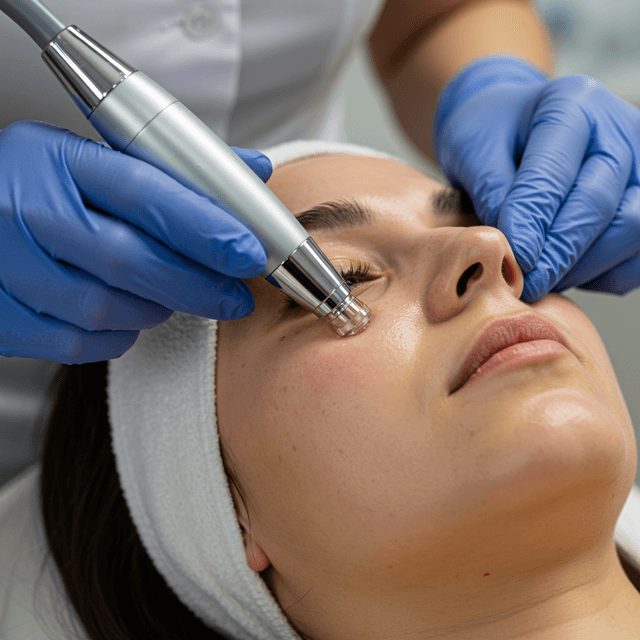
Microdermabrasion is a non-invasive skin resurfacing treatment designed to exfoliate the outermost layer of dead skin cells, promoting a smoother, more radiant complexion. During the procedure, fine crystals or a diamond-tipped wand is used to gently remove the top layer of skin, stimulating collagen production and enhancing skin texture. This treatment can help address issues such as fine lines, acne scars, and uneven skin tone, making it suitable for various skin types looking for a refreshed appearance.
 9383 Appointments made
 2551+ clinics to offer


Highlights

Price range

Treatment time

Recovery time

Treatment sessions

Duration of results

Satisfaction rate
Before / After results





How it works
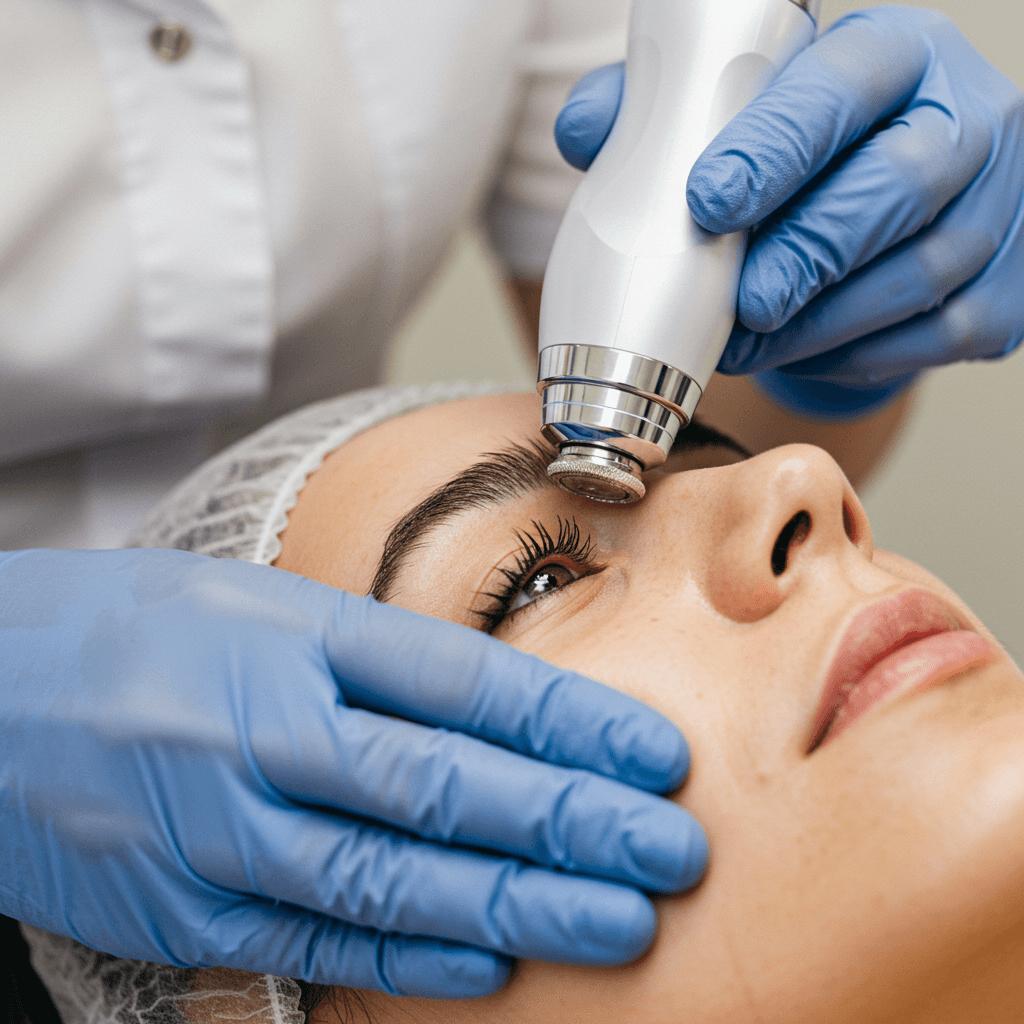
Microdermabrasion is a non-invasive skin treatment that exfoliates the outer layer using fine crystals or diamond-tipped wands. The mechanism involves gently abrading the skin to remove dead cells, promoting regeneration. Its purpose is to improve skin texture, tone, and minimise imperfections, typically using materials like aluminium oxide or sodium bicarbonate crystals.


Ideal candidates
Good candidates for microdermabrasion include individuals with mild skin imperfections, such as dull skin, fine lines, and superficial scars. Ideal candidates have non-sensitive skin and seek a non-invasive treatment option. This procedure effectively addresses issues like uneven texture, sun damage, and minor acne scarring, promoting a smoother, healthier complexion.
Treatment variations
Microdermabrasion comes in various forms, tailored to specific areas and aesthetic objectives. Your practitioner will assess your unique anatomy and desired outcomes to recommend the best approach. This personalised treatment ensures optimal results, enhancing your skin's texture and appearance in the most effective way possible.


Important considerations
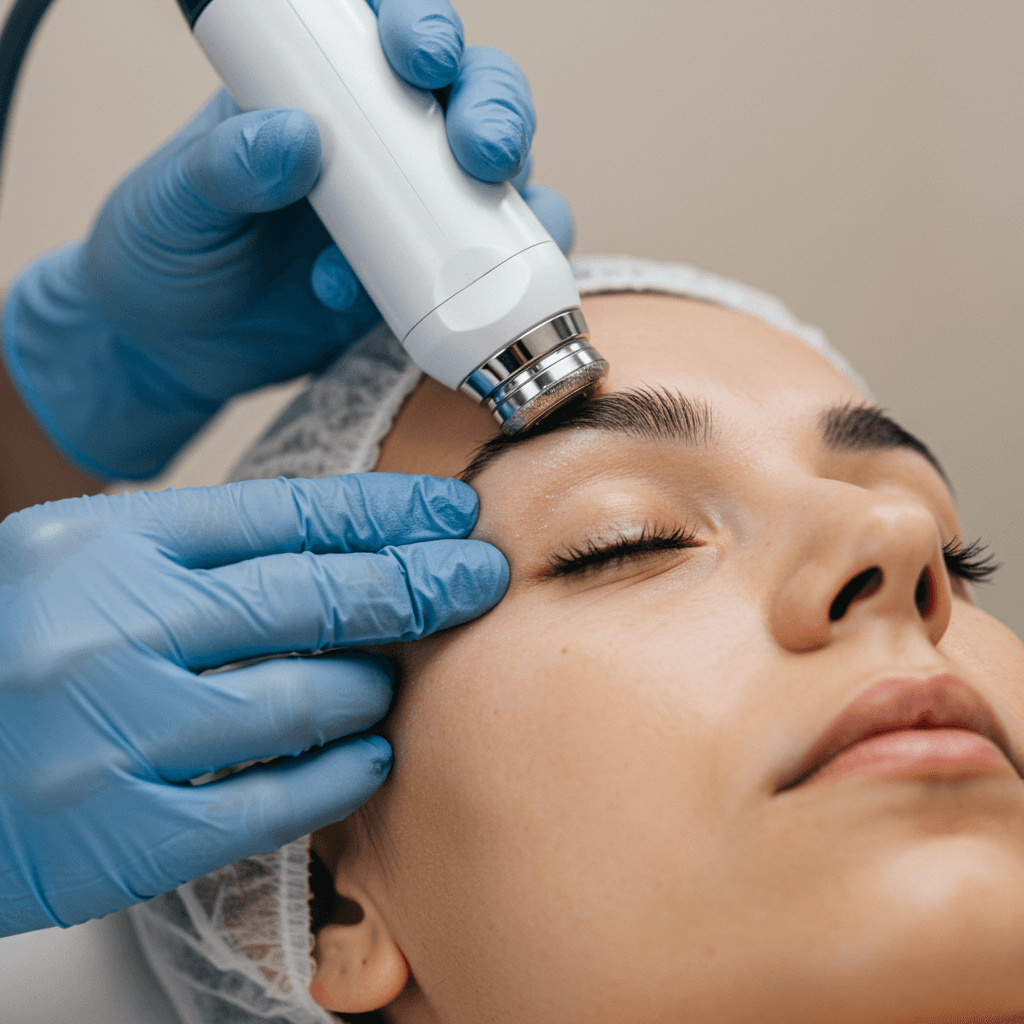
Microdermabrasion treatments are generally safe when performed by a qualified professional. It's essential to consult with a skincare expert to assess your skin type and any potential risks. Precautions include avoiding sun exposure and certain skincare products beforehand. Choose reputable clinics offering certified practitioners to ensure effective, safe treatments. Enhance your skin’s texture and glow with this popular procedure, but always prioritise safety and professionalism for the best results.
The Microdermabrasion procedure
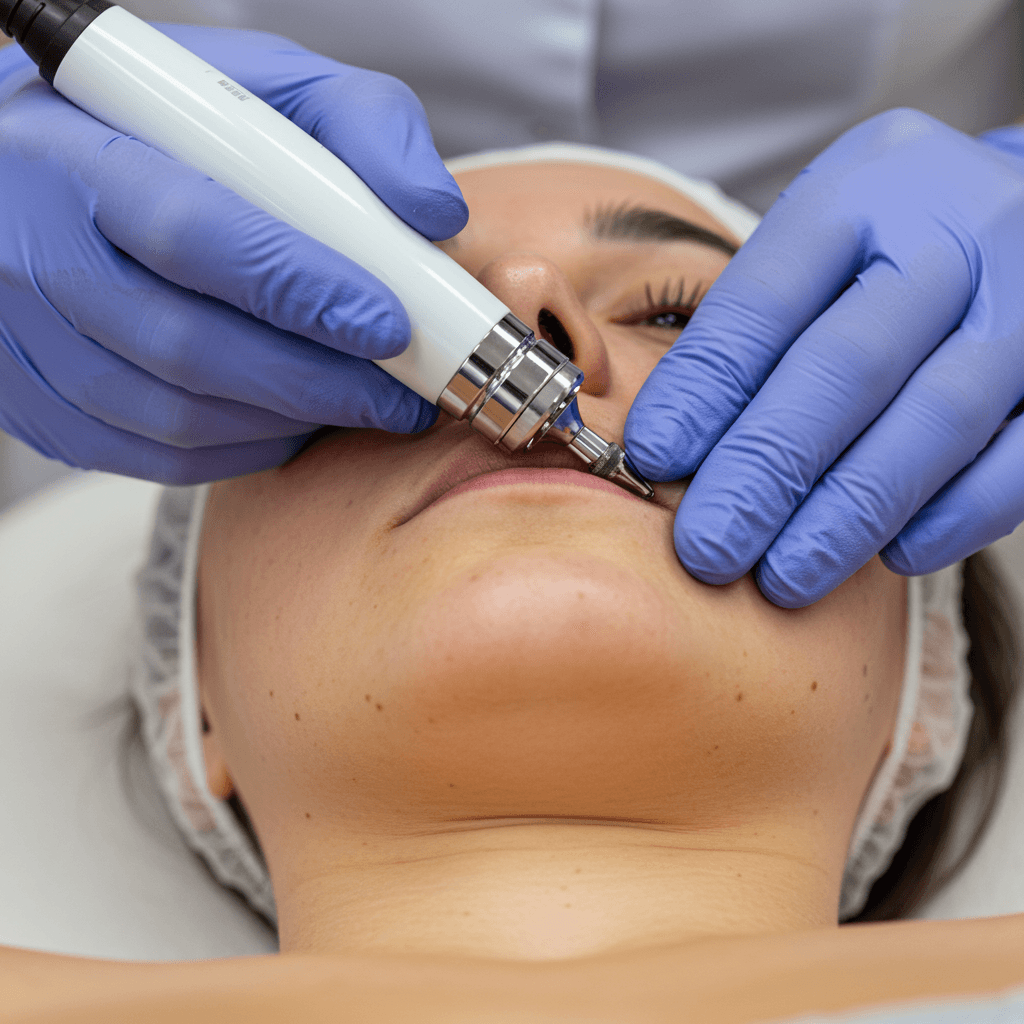
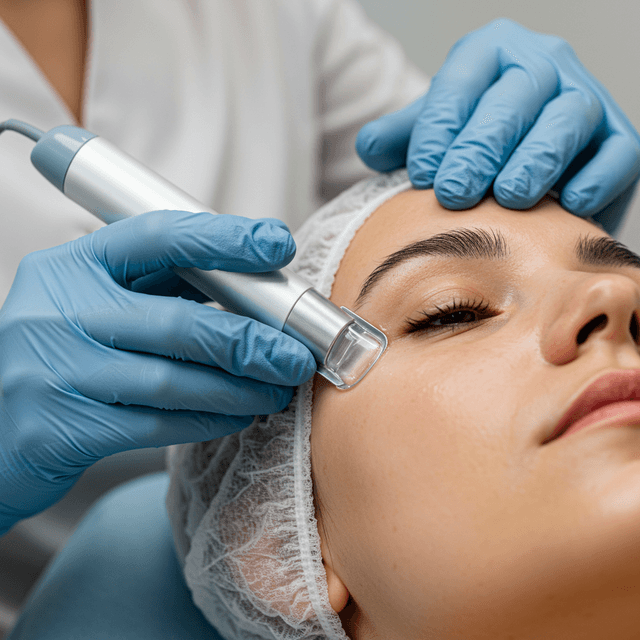
Microdermabrasion is a non-surgical skin rejuvenation procedure that employs a diamond-tipped wand or fine crystals to exfoliate the outer layer of skin, promoting a smoother, more radiant complexion.
What it feels like
After microdermabrasion, patients often experience a delightful sense of freshness and rejuvenation. The skin feels smoother and looks brighter, with minimal redness and no downtime, making it an ideal choice for those seeking a quick, revitalising boost.
Microdermabrasion benefits
01
Skin Renewal
This effective treatment promotes cell turnover for fresh, youthful skin.
02
Safe Procedure
Microdermabrasion is a professional, non-invasive method with minimal side effects.
03
Scar Reduction
Achieve relief from acne scars and blemishes with consistent treatments.
04
Brightening Effect
Book your session to enhance skin tone and texture instantly.
05
Minimises Pores
This effective therapy helps to reduce the appearance of enlarged pores.
Microdermabrasion risks and side effects
Understand potential side effects like swelling, bruising, or asymmetry. Seek prompt care for severe pain, discoloration, or worsening symptoms.
1. Redness and Sensitivity
Post-treatment, skin may appear red and feel sensitive, resembling mild sunburn. This is usually temporary and subsides within a few hours.
2. Swelling
Mild swelling can occur, particularly in sensitive areas. While it's generally short-lived, excessive swelling may indicate an allergic reaction or irritation.
3. Dryness and Flaking
Microdermabrasion can lead to temporary dryness and skin flaking as dead skin cells are removed. Proper moisturisation is essential to alleviate discomfort and promote healing.
4. Infection Risk
Although rare, there is a potential risk of infection if post-care instructions are not followed. Maintaining cleanliness and avoiding irritants is crucial for minimising this risk.
5. Hyperpigmentation
In some individuals, especially those with darker skin tones, microdermabrasion can provoke hyperpigmentation, resulting in dark patches. It's vital to conduct a patch test to assess skin reaction before full treatment.
Recovery process
Recovery timeline
After microdermabrasion, redness and mild swelling may occur but generally subside within a few hours. Bruising is rare. You can resume normal activities immediately, though it’s advisable to avoid strenuous exercise for 24 hours. The final results typically become visible within a week, revealing smoother, more radiant skin as it continues to rejuvenate.

Aftercare Instructions
- Avoid direct sunlight; use sunscreen daily.
- Refrain from harsh skincare products for 48 hours.
- Keep skin moisturized with gentle creams.
- Avoid heavy exercise and sweating for 24 hours.
- Do not pick or scratch treated areas.
- Limit hot showers and saunas for a few days.

Week 1
During the first week post-microdermabrasion, patients may experience mild redness and slight swelling, but bruising is uncommon. Skin texture improves gradually, revealing a brighter complexion as it heals and renews.

Week 2
In the second week post-Microdermabrasion, any swelling typically subsides significantly, revealing smoother, brighter skin. Patients may notice improved texture and a more radiant complexion as skin continues to heal and rejuvenate.

Months 1–6+
Following microdermabrasion, patients may notice smoother skin within weeks, with optimal results appearing after a month. Long-term effects include improved texture and tone, gradually enhancing over time with ongoing skincare and potential repeat treatments.
Questions about Microdermabrasion
All your questions answered.
Microdermabrasion results typically last from a few weeks to a couple of months, depending on individual skin type and lifestyle factors such as sun exposure and skincare routines. To maintain results, regular maintenance treatments every 4 to 6 weeks are recommended. Consistent use of quality skincare products at home can also help prolong the effects.
Microdermabrasion is generally a mild and non-painful procedure. Patients may experience slight discomfort or a warming sensation, akin to a gentle scrub. Practitioners use soothing techniques, such as cooling sprays, to enhance comfort. Most individuals find the treatment tolerable, and any sensation typically subsides quickly, allowing for a pleasant experience with minimal downtime.
Patients can typically resume normal activities immediately after a Microdermabrasion treatment. Some may experience mild redness or sensitivity, similar to a light sunburn, which usually subsides within a few hours. Makeup can generally be applied right after the treatment, but it's advisable to use gentle, non-irritating products to avoid any potential irritation.
Good candidates for microdermabrasion generally have dull skin, minor scarring, or uneven texture. However, those with active skin infections, severe acne, or certain skin conditions like eczema should avoid it. A consultation with a qualified practitioner is crucial to assess skin type, discuss expectations, and ensure safe treatment tailored to individual needs.
 We’re an MHRA licensed broker.
All-in-one platform for aesthetic clinics. Manage bookings and digital consent easily. Reduce paperwork and save time. Secure client data and records. Built for modern practitioners.


Get in touch







 5 (2)
5 (2) 30.77m




.1f395bec.png&w=32&q=75) 637+ clinics
637+ clinics