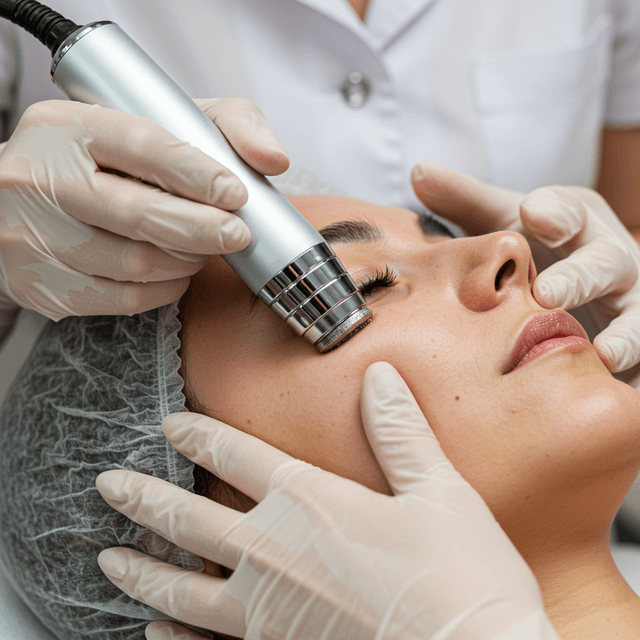
Find Chemical Peels near me
Book the best Chemical Peels online in seconds. Read reviews and compare the top rated Chemical Peels near you on Faces.
Chemical peels are cosmetic treatments designed to exfoliate the outer layers of skin, improving texture and appearance. During the procedure, a chemical solution, often containing acids like glycolic or salicylic acid, is applied to the skin, prompting the shedding of dead skin cells and stimulating new cell growth. This treatment can address various skin concerns, including acne, pigmentation, and fine lines, and typically requires minimal downtime, although some redness or peeling may occur post-treatment.
 1971 Appointments made
 637+ clinics to offer


Highlights

Price range

Treatment time

Recovery time

Treatment sessions

Duration of results

Satisfaction rate
Before / After results


How it works
Chemical peels utilise acids such as glycolic, salicylic, or trichloroacetic acid to exfoliate the skin. By removing the outer layers, they promote cell turnover, improving texture and reducing imperfections. The procedure aims to treat issues like acne, pigmentation, and fine lines, revealing smoother, healthier skin beneath.


Ideal candidates
A good candidate for chemical peels typically has concerns such as uneven skin tone, fine lines, or mild acne scars. Ideal candidates are generally in good health, possess realistic expectations, and have non-sensitive skin. Those seeking to improve skin texture and rejuvenate appearance without invasive procedures benefit most from this treatment.
Treatment variations
Chemical peels come in various types, tailored to specific areas and aesthetic objectives. Your practitioner will assess your individual needs, considering the treatment area and your desired outcome, to suggest the most effective peel. This personalised approach ensures optimal results while enhancing your skin's appearance safely and effectively.


Important considerations
Chemical peels can be safe when performed by a qualified professional. Safety considerations include assessing skin type and potential allergies. It’s essential to consult with a licensed practitioner who can tailor the treatment to your needs and minimise risks. Before the procedure, avoid sun exposure and certain medications to ensure optimal results. For effective skin rejuvenation, always choose reputable clinics offering chemical peel treatments to achieve glowing skin safely.
The Chemical Peels procedure
Chemical peels are non-surgical skin treatments that utilise acids to exfoliate the outer layers, improving texture and tone for a rejuvenated appearance.
What it feels like
Post-treatment, patients often experience a gentle warmth and mild tightness, quickly followed by a sense of rejuvenation. The skin feels refreshed, with an unmistakable glow, leaving individuals comforted by the knowledge that they’re one step closer to radiant skin.
Chemical Peels benefits
01
Effective Results
Chemical peels provide effective relief from uneven skin tone and texture.
02
Safe Procedure
This professional treatment is safe for various skin types when conducted by experts.
03
Skin Renewal
Experience effective skin renewal and rejuvenation after a thorough peel session.
04
Reduced Blemishes
Enjoy relief from acne scars and blemishes with regular chemical peel treatments.
05
Boosted Confidence
Book a chemical peel for a radiant complexion and boosted self-confidence.
Chemical Peels risks and side effects
Understand potential side effects like swelling, bruising, or asymmetry. Seek prompt care for severe pain, discoloration, or worsening symptoms.
1. Redness and Irritation
Post-treatment redness and irritation are common, resembling sunburn. This typically subsides within a few days but may require soothing products for relief.
2. Peeling and Flaking
Peeling occurs as the skin exfoliates after treatment. While expected, excessive flaking can be distressing and may lead to uneven skin texture, requiring careful management.
3. Hyperpigmentation
In some cases, chemical peels can lead to hyperpigmentation, especially in individuals with darker skin tones. This discolouration may take time to resolve, necessitating further treatment.
4. Scarring
Although rare, improper application of chemical peels or inadequate aftercare may result in scarring. This risk emphasises the importance of choosing a qualified practitioner.
5. Infection
Chemical peels can disrupt the skin's barrier, increasing susceptibility to infections. Signs include increased redness, pus, or fever; prompt medical attention is essential if these symptoms arise.
Recovery process
Recovery timeline
After a chemical peel, mild swelling and redness are common for a few days, with potential peeling occurring within a week. Physical activity should be limited for at least 48 hours to minimise irritation. Final results typically become visible in 4 to 6 weeks, as skin continues to heal and rejuvenate.

Aftercare Instructions
- Avoid sun exposure; use broad-spectrum sunscreen.
- Do not pick or peel flaking skin.
- Keep skin moisturized with a gentle moisturizer.
- Avoid harsh products (exfoliants, retinoids) for 1-2 weeks.
- Refrain from strenuous exercise for 48 hours.
- Stay hydrated and follow any specific instructions from your practitioner.

Week 1
In the first week post-chemical peel, patients may experience mild swelling and redness, with potential bruising. As healing progresses, skin may peel, revealing healthier, smoother complexion beneath, though results fully develop over several weeks.

Week 2
In the second week post-chemical peel, swelling typically diminishes significantly, revealing smoother skin. Patients may notice increased clarity and brightness, with any redness fading, showcasing early results of rejuvenation and improved texture.

Months 1–6+
Patients can expect initial redness and peeling post-treatment. Optimal results typically appear around 4-6 weeks, with skin texture and tone improving over months, leading to long-term radiance and reduced imperfections. Maintenance is key for sustained benefits.
Questions about Chemical Peels
All your questions answered.
The results of chemical peels typically last from a few weeks to several months, depending on the peel depth and individual skin type. Factors such as age, skin care routine, and sun exposure can influence longevity. To maintain results, regular maintenance treatments are recommended, often every few months, to enhance skin health and appearance.
Chemical peels may cause mild discomfort, often described as a tingling or stinging sensation. Practitioners typically use numbing creams and cooling techniques to minimise any pain. The level of discomfort varies depending on the peel's strength, but most patients find it tolerable. Your practitioner will ensure you're comfortable throughout the procedure and address any concerns you may have.
After a chemical peel, patients may experience some redness, peeling, or sensitivity for a few days. Generally, normal activities can be resumed within 1-2 days, though more intense exercise should be avoided for a week. Makeup can usually be applied after 24 hours, but it's best to consult with your practitioner for personalised advice.
Good candidates for chemical peels typically have uneven skin tone, acne scars, or signs of ageing. However, individuals with certain skin conditions, pregnancy, or those on specific medications may not be suitable. A thorough consultation with a qualified practitioner is essential to assess your skin type, discuss any contraindications, and ensure the treatment aligns with your skincare goals.
 We’re an MHRA licensed broker.
All-in-one platform for aesthetic clinics. Manage bookings and digital consent easily. Reduce paperwork and save time. Secure client data and records. Built for modern practitioners.


Get in touch







 4 (1)
4 (1) 48.69m





.1f395bec.png&w=32&q=75) 125+ clinics
125+ clinics