
Find Ear Irrigation near me
Book the best Ear Irrigation online in seconds. Read reviews and compare the top rated Ear Irrigation near you on Faces.
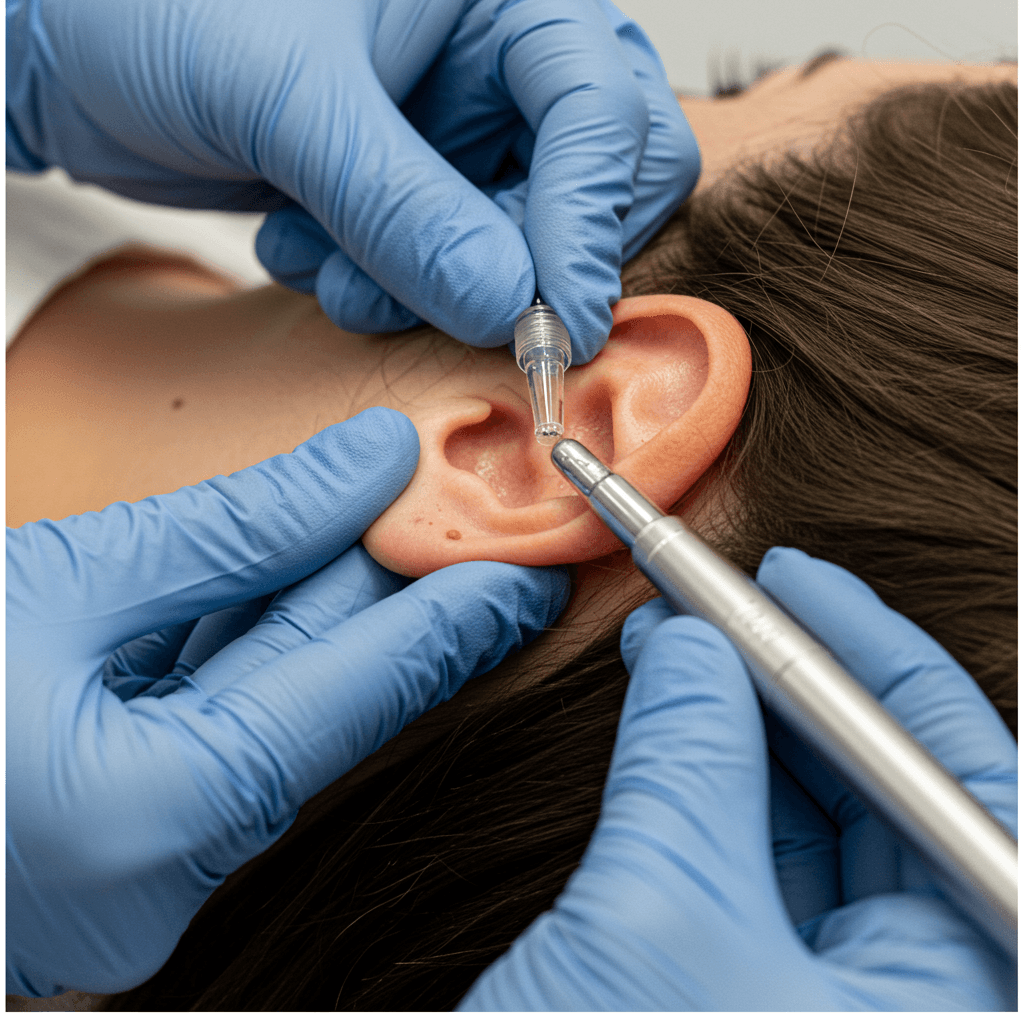
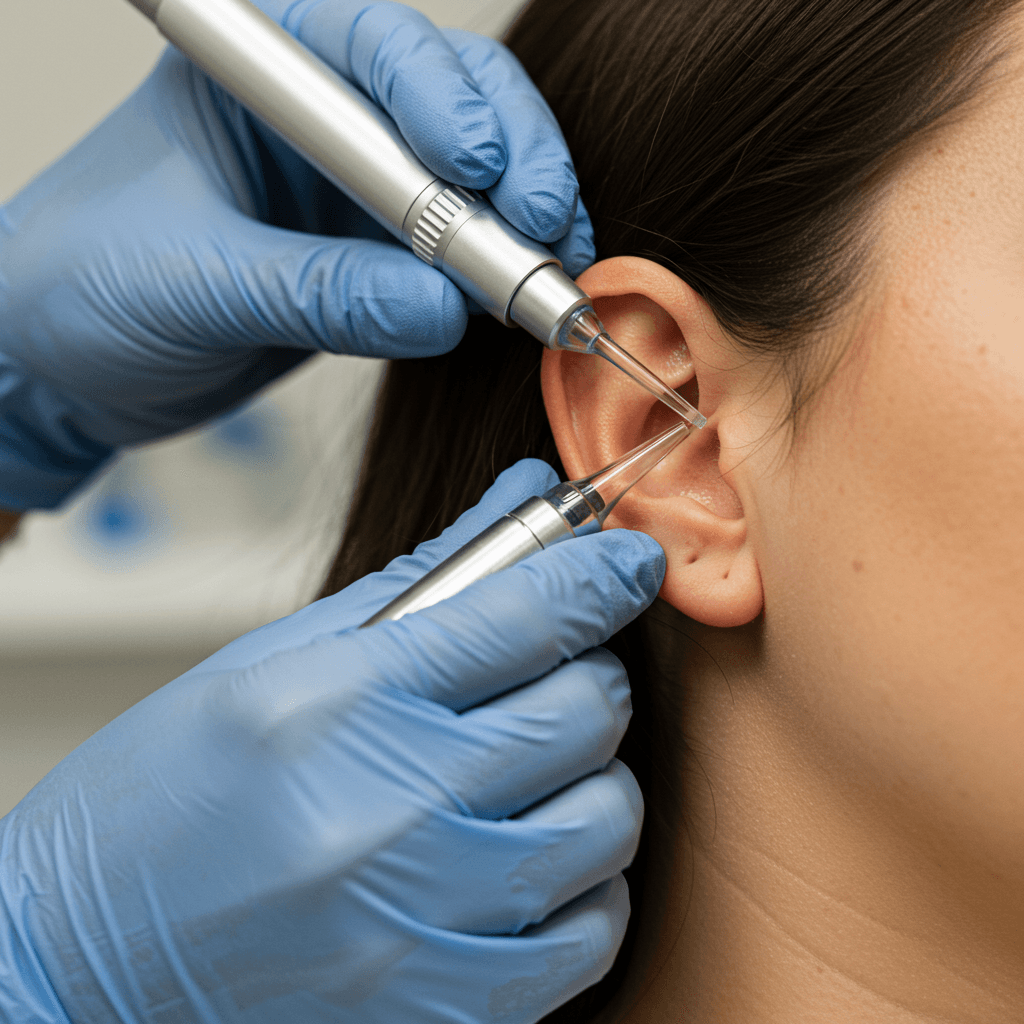
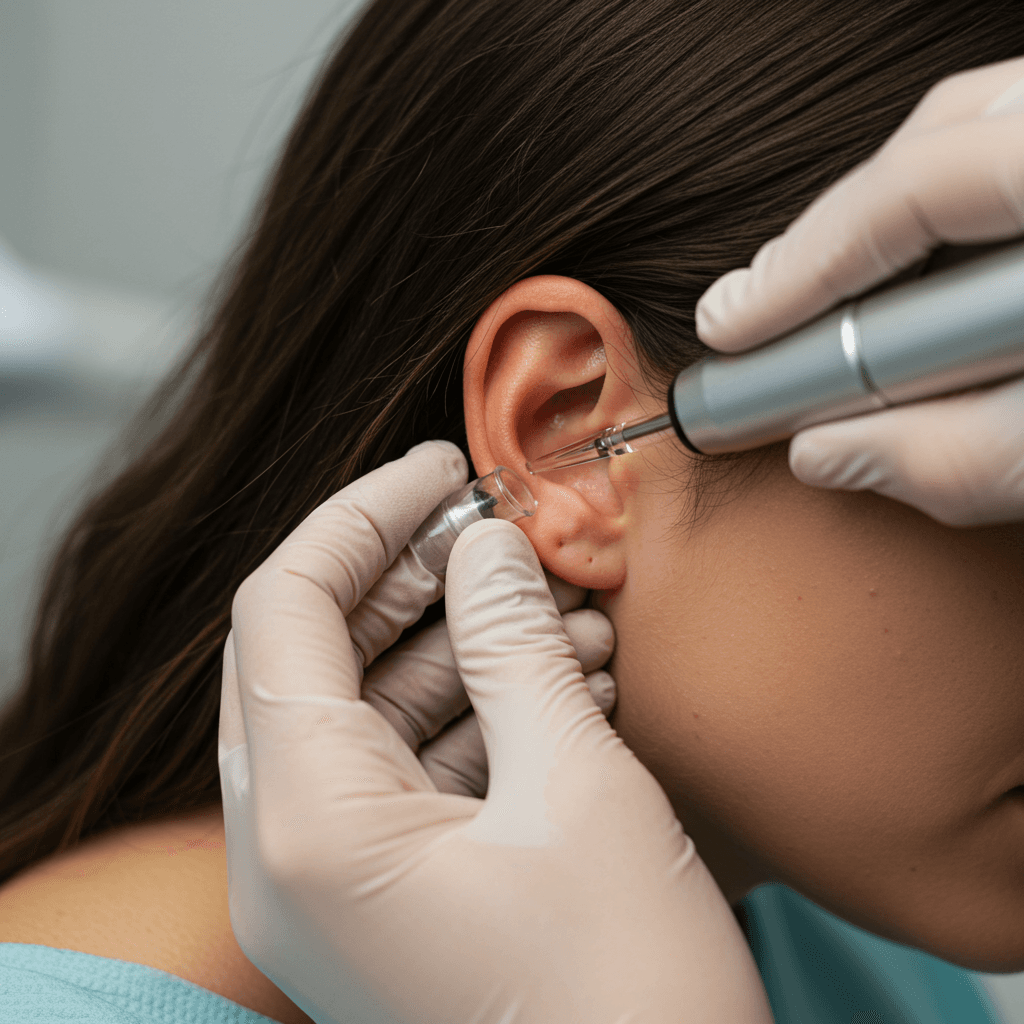
Ear irrigation is a medical procedure designed to remove excess earwax, foreign objects, or debris from the ear canal. The process typically involves the gentle flushing of the ear with a warm saline solution or water, using a syringe or an irrigation device. This treatment helps alleviate symptoms such as hearing loss, discomfort, or blockage caused by built-up wax. It is generally performed by healthcare professionals in a clinical setting, ensuring safety and effectiveness during the procedure.
 906 Appointments made
 143+ clinics to offer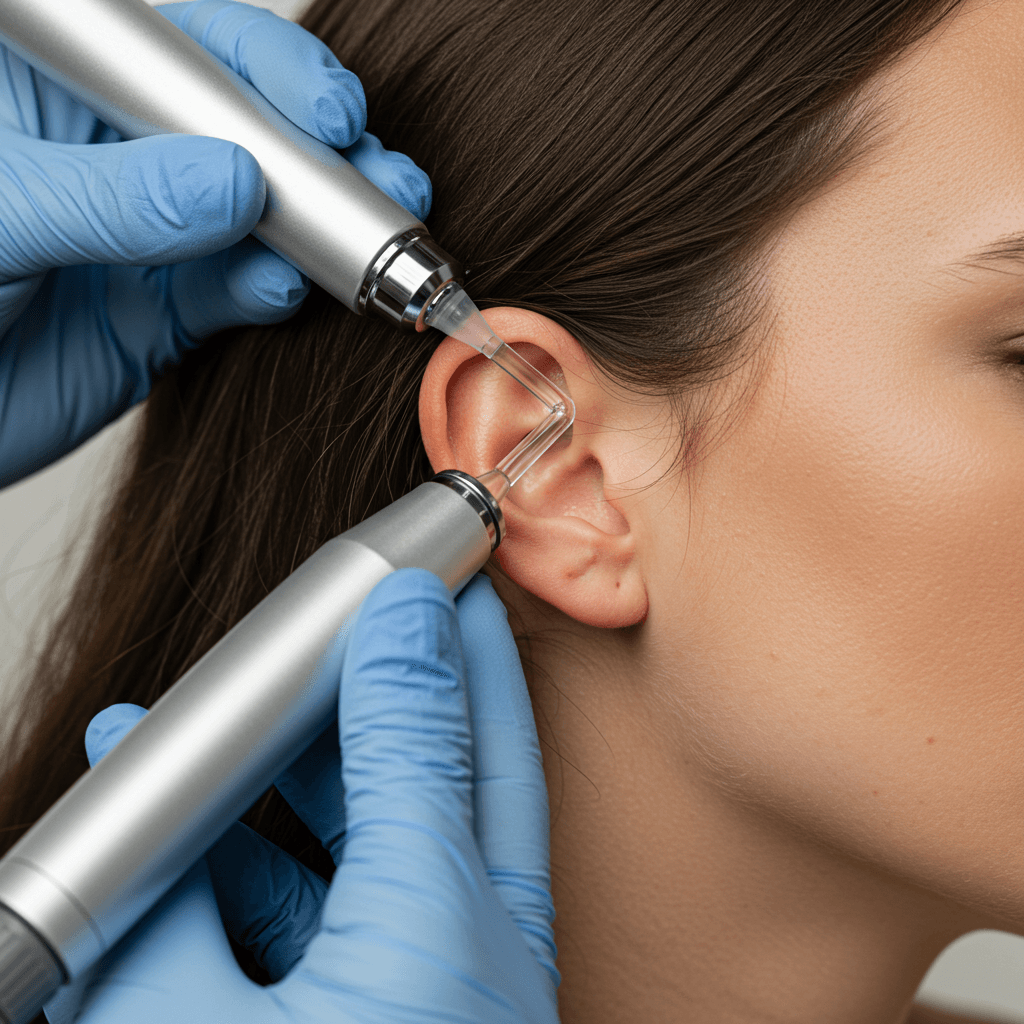
Highlights

Price range

Treatment time

Recovery time

Treatment sessions

Duration of results

Satisfaction rate
How it works
Ear irrigation involves flushing the ear canal with a saline solution or water to remove wax buildup or debris. The procedure typically uses a syringe or an ear irrigator, allowing gentle flow. Its primary purpose is to relieve discomfort and prevent hearing loss caused by excessive earwax.


Ideal candidates
A good candidate for ear irrigation is someone experiencing earwax blockage, leading to discomfort, hearing loss, or infections. Ideal characteristics include adults with no history of ear problems, recent ear surgery, or perforated eardrums. Ear irrigation effectively alleviates symptoms related to excessive earwax build-up.
Treatment variations
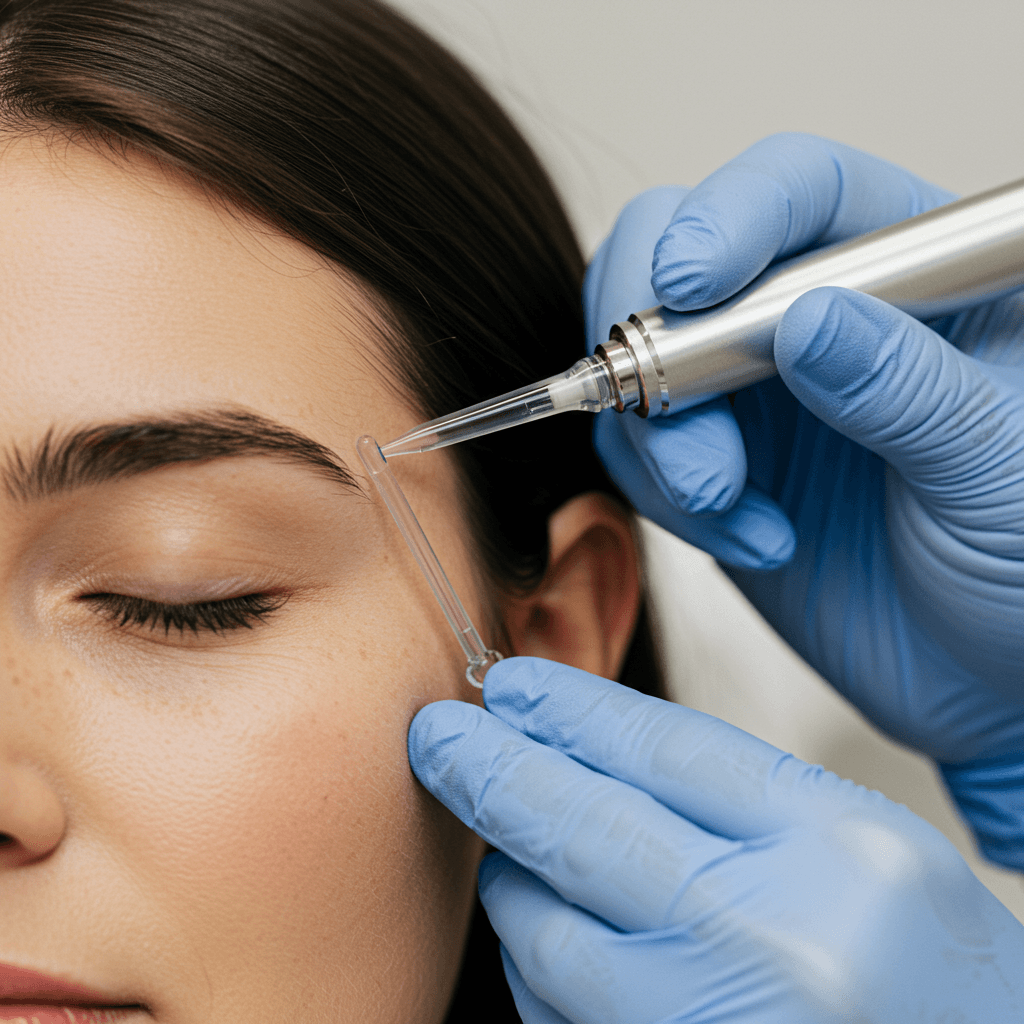
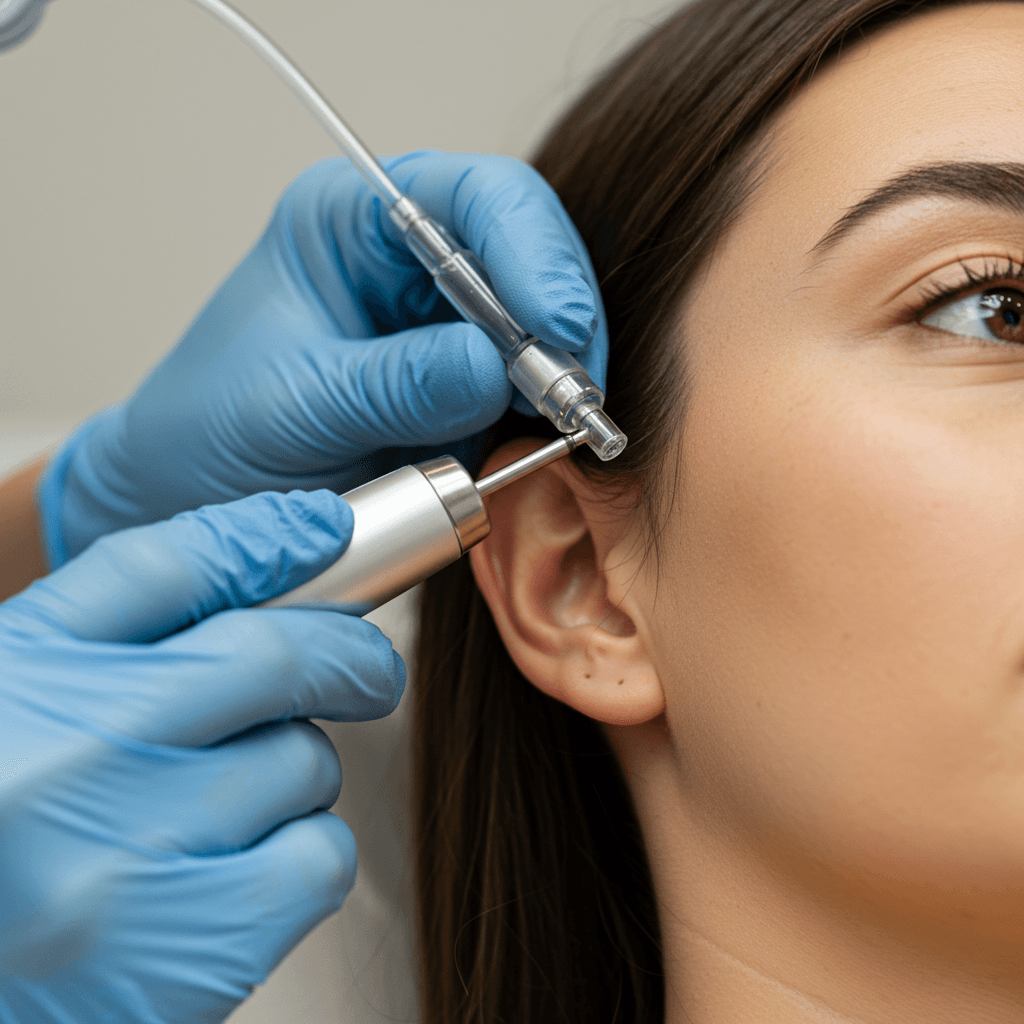
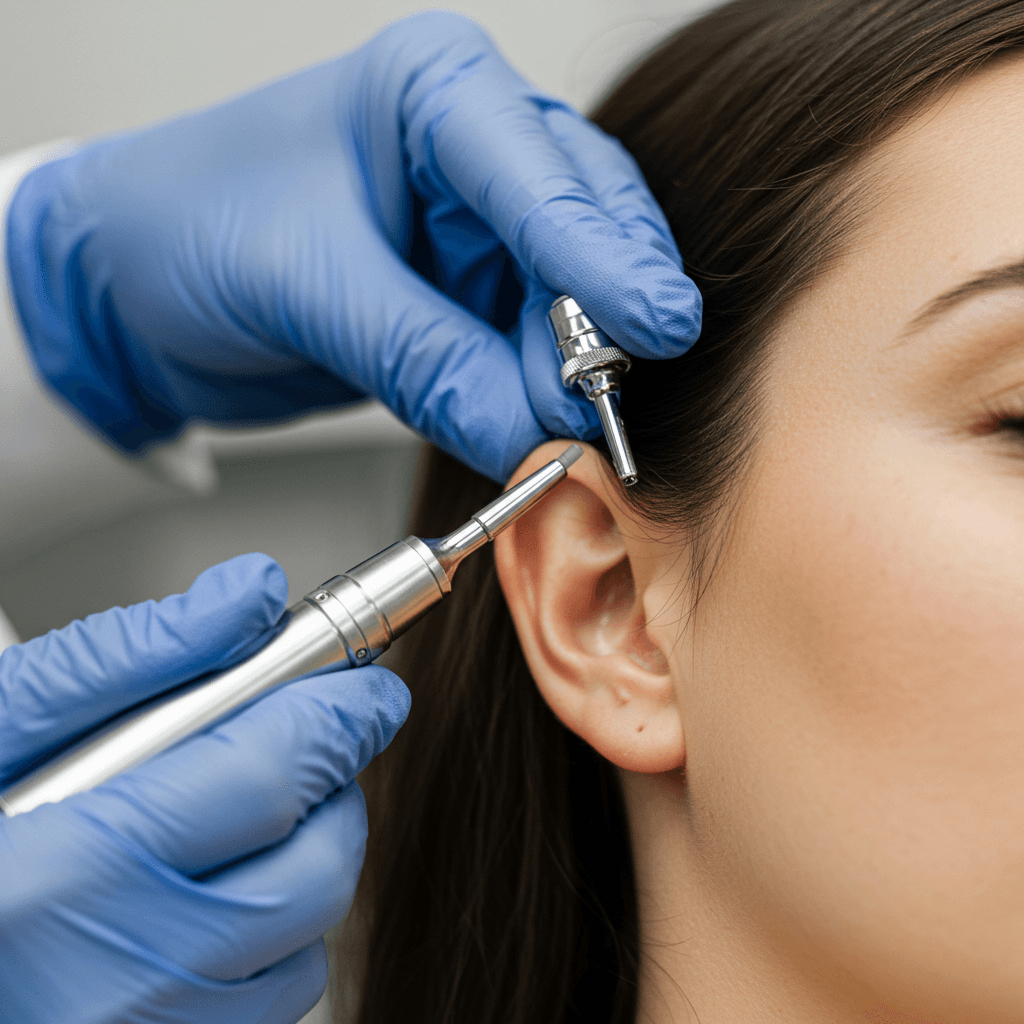
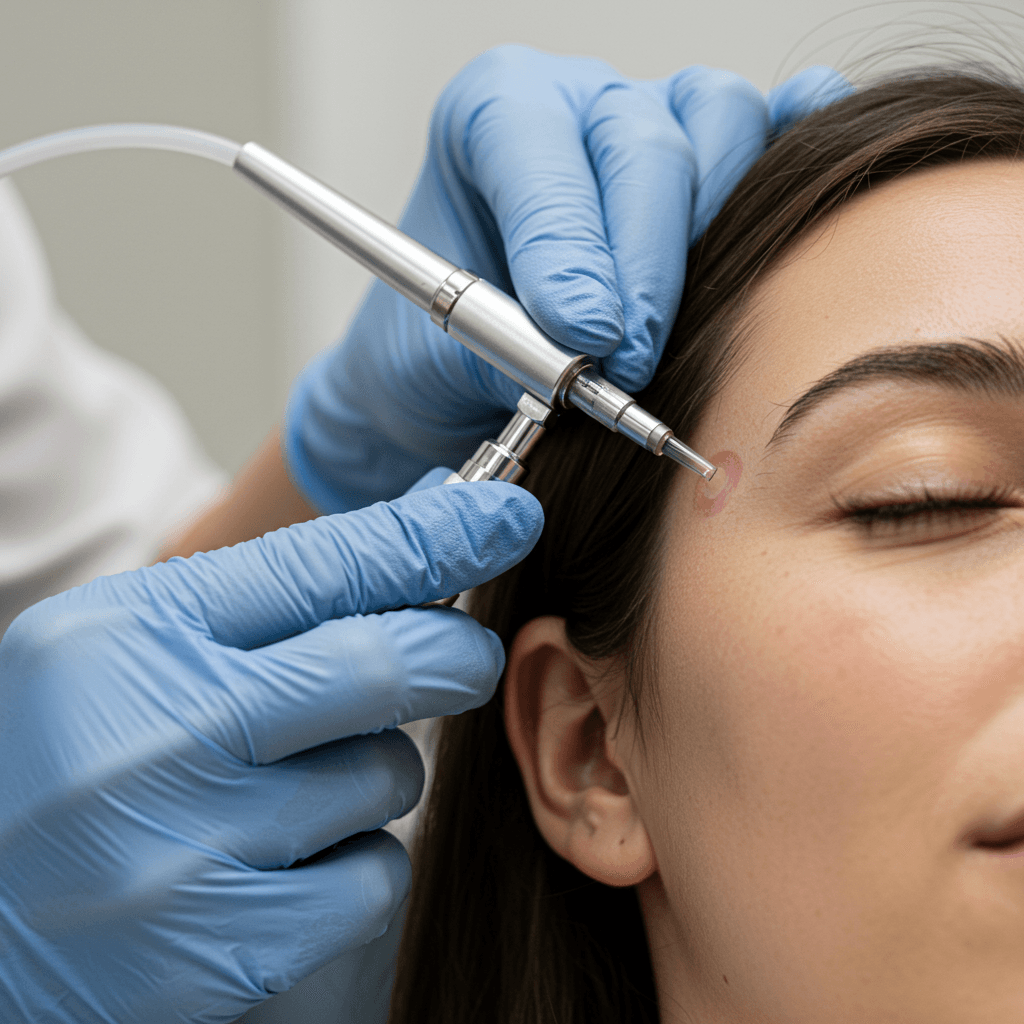
Ear irrigation methods vary, each tailored for specific areas and aesthetic objectives. Your practitioner will assess your individual needs, considering the treatment area and desired outcome, to recommend the most appropriate option. This personalised approach ensures optimal results while addressing your unique anatomy and aesthetic aspirations.
Important considerations
Ear irrigation treatments are generally safe when conducted by a qualified professional. It’s crucial to have a thorough assessment to rule out conditions like perforated eardrums or infections. Precautions such as ensuring the method used is sterile and the right technique is followed are essential for avoiding complications. Always consult an expert to schedule your ear irrigation appointment, ensuring a safe and effective ear care experience.
The Ear Irrigation procedure
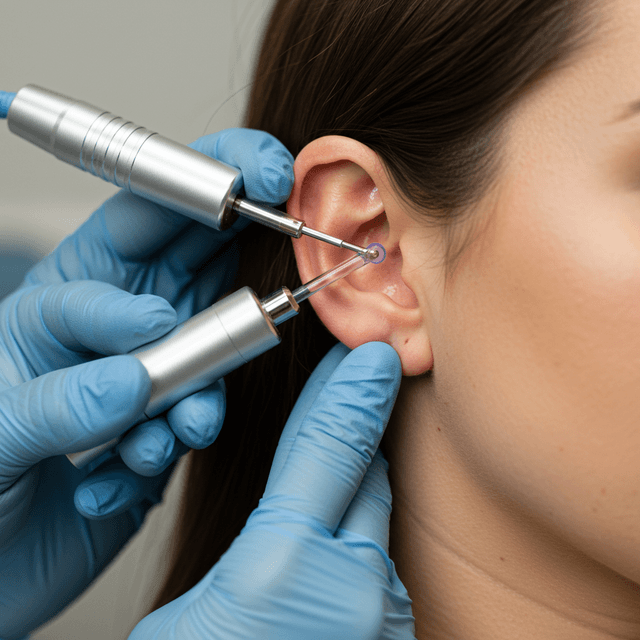
Ear irrigation is a non-surgical procedure that uses warm water or saline to safely remove earwax buildup and improve ear health and hearing clarity.
What it feels like
After ear irrigation, patients often experience a remarkable sense of relief and clarity. The removal of wax enhances hearing and comfort, allowing for a refreshing sensation. It's a quick and effective procedure that leaves many feeling revitalised and at ease.
Ear Irrigation benefits
01
Effective Cleaning
Ear irrigation provides effective removal of earwax build-up.
02
Professional Guidance
Receive professional advice during the treatment for optimal results.
03
Safe Procedure
Ear irrigation is a safe method when performed by trained professionals.
04
Immediate Relief
Patients often experience immediate relief from discomfort after treatment.
05
Quick Appointment
Book a swift appointment to address ear concerns efficiently.
Ear Irrigation risks and side effects
Understand potential side effects like swelling, bruising, or asymmetry. Seek prompt care for severe pain, discoloration, or worsening symptoms.
1. Discomfort or Pain
Patients may experience temporary discomfort or pain during the procedure, often due to the pressure applied or the sensation of water in the ear.
2. Dizziness or Vertigo
Some individuals may feel dizzy or experience vertigo, as the ear's balance mechanisms can be temporarily disrupted by water and movement during irrigation.
3. Infection Risk
There is a potential risk of introducing bacteria into the ear canal, leading to infections such as otitis externa, especially if proper hygiene is not maintained.
4. Perforated Eardrum
In rare cases, excessive pressure during irrigation can cause a perforation of the eardrum, which may result in hearing loss or require further medical intervention.
5. Tinnitus
Some patients may experience a ringing or buzzing in the ears (tinnitus) following the treatment, which is typically temporary but can be distressing if it persists.
Recovery process
Recovery timeline
After ear irrigation, swelling and bruising are rare, and any discomfort typically resolves within a few hours. Light physical activity can usually be resumed shortly after the procedure, but avoid strenuous exercise for 24 hours. Final results, such as improved hearing, become noticeable within a day, as earwax is effectively removed.

Aftercare Instructions
- Keep ears dry for 48 hours.
- Avoid swimming and water exposure.
- Do not insert objects into the ear canal.
- Monitor for excessive pain or discharge.
- Use prescribed ear drops as directed.
- Schedule a follow-up appointment if symptoms persist.

Week 1
During the first week post-ear irrigation, patients may experience mild swelling and occasional bruising. Results typically improve as discomfort decreases, with clearer hearing gradually returning as any residual wax is expelled.

Week 2
In the second week post-ear irrigation, patients typically experience reduced swelling and noticeable improvement in hearing. Any discomfort should lessen, revealing clearer auditory function as the ear continues to heal and recover.

Months 1–6+
In the weeks following ear irrigation, patients may notice improved hearing and reduced discomfort. Optimal results typically emerge within a month, with effects stabilising over time, leading to sustained ear health and functionality.
Questions about Ear Irrigation
All your questions answered.
Ear irrigation results typically last several weeks to a few months, depending on factors such as individual earwax production, lifestyle, and ear hygiene. Regular maintenance treatments, like professional cleaning or at-home care, can help prolong results and prevent future blockages. It’s advisable to consult a healthcare professional for personalised recommendations on maintaining optimal ear health.
Ear irrigation is generally a mild procedure, with most patients experiencing minimal discomfort, akin to a slight tickling sensation. Practitioners often use warm water to enhance comfort, and local anaesthetic drops may be applied if necessary. To ensure a pleasant experience, professionals are trained to proceed gently and provide reassurance throughout the process, making it as comfortable as possible.
After ear irrigation treatment, patients can typically resume normal activities immediately, though they may experience slight discomfort or temporary fullness in the ear. It's advisable to avoid inserting anything into the ear canal for 24 hours. Makeup can generally be applied straight away, but individuals should exercise caution around the ear area until any irritation subsides.
Good candidates for ear irrigation are those with excess wax causing discomfort or hearing issues. However, contraindications include a history of ear surgery, tympanic membrane perforation, or active ear infections. A consultation with a qualified practitioner is essential to assess suitability and ensure safe treatment, as individual circumstances may vary significantly.
 We’re an MHRA licensed broker.
All-in-one platform for aesthetic clinics. Manage bookings and digital consent easily. Reduce paperwork and save time. Secure client data and records. Built for modern practitioners.


Get in touch







.1f395bec.png&w=32&q=75) 75+ clinics
75+ clinics

 5 (11)
 89.87m


