
There’s a shift happening in aesthetics and it’s been building for a while. Patients are moving away from the “filled” look. They’re asking better questions. They want results that look like their own skin, just better. And practitioners who’ve been paying attention are already adjusting their treatment menus accordingly.
Polynucleotides sit right at the centre of that shift. If you haven’t added them to your practice yet, or you have but want to understand the science and clinical application more thoroughly, this is the breakdown you need.
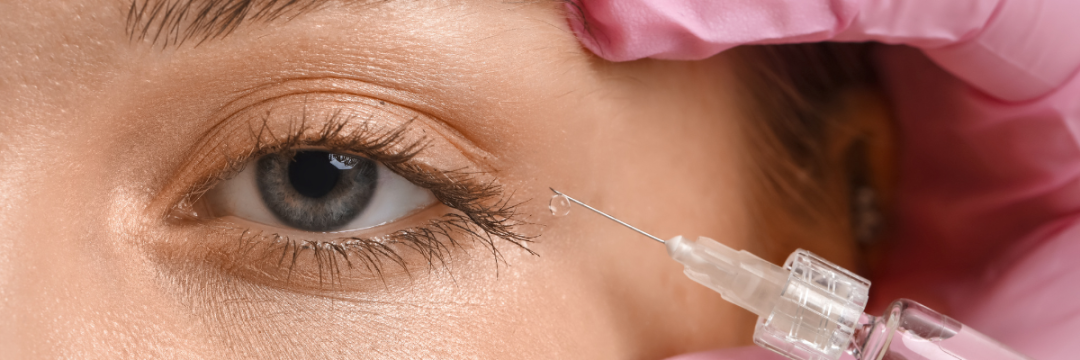
What Are Polynucleotides and Where Do They Come From?
Polynucleotides are long chains of nucleotides, the basic building blocks of DNA. In aesthetic medicine, they’re derived from highly purified salmon or trout DNA (depending on the manufacturer), which shares a significant structural similarity with human DNA. That similarity is part of what makes them so well tolerated and clinically effective.
The concept isn’t new. Polynucleotides have been used in wound healing and ophthalmology for decades. What’s relatively new is their application in aesthetic medicine, and the pace at which the evidence base has grown over the last few years has been genuinely impressive.
They work differently from anything else in your kit. They don’t add volume. They don’t fill. They stimulate. The mechanism of action is centred on fibroblast activation, cellular repair, and tissue regeneration. In practical terms, that means improved skin quality from the inside out, not a surface-level fix.
The Science Behind PDRN and Why It Matters Clinically
You’ll hear polynucleotides referred to interchangeably with PDRN (polydeoxyribonucleotide), and while there are technical distinctions between them depending on molecular weight and purification method, for the purposes of clinical practice the terms are broadly used to describe the same category of treatment.
PDRN treatment works primarily through two pathways. The first is the salvage pathway, where fragmented DNA is taken up by cells and used as raw material for tissue repair and regeneration. The second is through activation of A2A adenosine receptors, which triggers an anti-inflammatory response and promotes angiogenesis (the formation of new blood vessels). Better vascular supply means better tissue nutrition, which means healthier, more resilient skin over time.
This is what separates polynucleotides from standard hyaluronic acid skin boosters. You’re not just hydrating the tissue, you’re actually changing the cellular environment. For patients with chronically damaged, depleted, or ageing skin, that distinction matters enormously.
Plinest, The Polynucleotide Product Worth Knowing
There are a growing number of polynucleotide products on the market now, and the quality varies. Plinest is one of the most clinically credible options available, and it’s worth understanding what sets it apart.
Plinest is manufactured by Mastelli, an Italian pharmaceutical company with a long track record in regenerative medicine. The product uses highly purified PDRN derived from Oncorhynchus mykiss (rainbow trout) DNA, which undergoes a rigorous extraction and sterilisation process to ensure purity and biocompatibility.
It’s available in different formulations designed for different clinical indications. Plinest Classic is the standard option for overall skin quality improvement. Plinest Eye is specifically formulated for the periorbital area, a notoriously difficult region to treat effectively with most injectables. And Plinest Fast contains a lidocaine addition for improved patient comfort during injection.
As a polynucleotide skin booster, Plinest sits in a slightly different category from pure HA products. It’s regenerative rather than purely hydrating, which means the results develop over time rather than being immediately visible. Set that expectation with your patients from the start.
Polynucleotide Under Eyes, One of the Best Applications in Practice
If there’s one area where polynucleotides genuinely outperform most other treatments, it’s the periorbital region.
Polynucleotide under eyes treatment has become one of the most requested applications in clinics that offer it, and the results explain why. The skin under the eyes is thinner, more fragile, and more prone to showing the signs of ageing than almost anywhere else on the face. Traditional HA fillers in this area carry real risks (Tyndall effect, migration, puffiness) and require a level of precision that makes them unsuitable for many patients.
Polynucleotides approach the problem differently. Rather than adding volume, they improve the quality of the tissue itself. Patients with crepiness, dark circles related to skin thinning, and fine lines in the periorbital area often see significant improvement after a course of treatment. It’s not dramatic in the way a filler result is, but it’s often more appropriate, particularly for younger patients who don’t need volume but do need skin quality improvement.
Plinest Eye is specifically designed for this area, with a formulation optimised for the delicate periorbital tissue.
Read more about Plinest Eye here: Why Plinest Eye Is Trending in Aesthetic Treatments
Polynucleotide vs Profhilo
This comparison comes up constantly, both from patients who’ve done their research and from practitioners building out their treatment menus. They’re not the same thing, and understanding the distinction helps you make better clinical decisions.
Profhilo is a high-concentration HA product that works through bioremodelling. It spreads through the tissue, stimulates collagen and elastin production, and provides significant hydration. The results are relatively fast and the BAP technique is well established. It’s excellent for patients who need a hydration and remodelling boost, particularly in lax skin.
Polynucleotides go deeper in terms of mechanism. They’re not hydrators in the same way. They’re cellular regenerators. For patients with genuine tissue damage, significant photoageing, chronic inflammation, or skin that has been through repeated procedures and needs recovery time, polynucleotides often deliver results that Profhilo simply can’t.
| CATEGORY | PROFHILO | POLYNUCLEOTIDES |
|---|---|---|
| What it is | Ultra-pure hyaluronic acid (HA) at 64 mg/ml. Not a filler — flows and spreads under the skin. | Purified DNA fragments (PDRN/PN) from salmon/trout sperm. Stimulates cellular repair at a biological level. |
| Mechanism | Hydrates, bioremodels, and stimulates collagen & elastin. Spreads through tissue to remodel the skin matrix. | Activates adenosine A2A receptors, promoting DNA repair, angiogenesis, and fibroblast proliferation. |
| Primary benefits | Deep hydration, skin laxity improvement, glow, anti-ageing, fine line softening, improved texture and tone. | Tissue repair, scar remodelling, anti-inflammation, skin regeneration, dark circles, acne scarring, hair loss. |
| Best suited for | Dehydrated skin, early-to-moderate laxity, dull complexion, fine lines, overall skin quality. Ages 30–60+. | Damaged/scarred skin, hair thinning, dark circles, inflammatory conditions, post-procedure recovery, photodamage. |
| Treatment areas | Face, neck, décolletage, hands. Uses 5-point BAP injection technique. | Face, under eyes, scalp (hair restoration), neck, décolletage, targeted scarring areas. |
| Injection technique | Slow retrograde linear threading at specific anatomical points. Spreads naturally from minimal injection sites. | Multiple micro-injections (mesotherapy-style) into the dermis/subdermal layer across a wider area. |
| Session protocol | 2 sessions, 4 weeks apart. Maintenance every 6–12 months. | 3–4 sessions, 2–4 weeks apart. Maintenance every 3–6 months. |
| Onset of results | Immediate hydration boost; collagen remodelling builds over 4–8 weeks post-course. | Gradual — regeneration takes 4–12 weeks. Slower but more structural and reparative. |
| Duration | 6–12 months on average. | 3–6 months per course; cumulative with repeat treatments. |
| Downtime | Minimal — lumps resolve in 24–48 hrs. Possible mild bruising or swelling. | Minimal — mild redness/swelling at sites. Resolves within 24–72 hrs. |
| Pain level | Moderate — fewer injections but can be uncomfortable. Topical anaesthetic commonly used. | Moderate — more injection points but smaller volumes. Topical anaesthetic recommended. |
| Contraindications | HA allergy, active infection, autoimmune conditions, pregnancy/breastfeeding, Streptococcal infections. | Fish/seafood allergy, autoimmune conditions, pregnancy/breastfeeding, active skin infections. |
| Approx. cost (UK) Prices are based on Faces Consent listings and may change without notice. Please check the shop for the most current pricing. | £ 63.49 – £ 249.00 | £ 49.00 – £ 60.00 Prices are based on Plinest brand listings on Faces Consent and may change without notice. Please check the shop for the most current pricing. |
| Combination use | Pairs well with PN, toxin, microneedling, threads. Often combined with polynucleotides. | Excellent alongside Profhilo, toxin, PRP, microneedling, laser. Frequently used as a complement. |
| Unique strength | Hydration & bio-remodelling. Unmatched for skin quality, laxity, and glow. | Repair & regeneration. Addresses underlying cellular damage — ideal where healing is the priority. |
Who Is the Ideal Patient for Polynucleotide Treatment?
Regenerative aesthetics as a category attracts a particular kind of patient, and it’s worth knowing who you’re treating.
Polynucleotides work well across a broad age range, which makes them unusually versatile. Younger patients (late 20s to early 40s) with dehydrated, stressed, or post-acne skin often respond brilliantly. Older patients with significant photoageing, skin thinning, or loss of elasticity also see meaningful improvement, often in combination with other treatments.
Specific patient profiles that tend to do particularly well:
- Patients with periorbital crepiness or thinning
- Patients recovering from laser or energy-based treatments who need tissue support
- Patients with post-inflammatory hyperpigmentation or acne scarring
- Patients who have been heavy smokers or had significant UV exposure
- Patients who want a natural result and are averse to volume-adding treatments
- Patients who have had filler complications and want a non-volumising alternative
Ready to Add Plinest to Your Treatment Menu?
If you’re looking to expand into regenerative aesthetics or you want to offer your patients one of the most clinically credible polynucleotide options available, Plinest is worth stocking.
Browse the full Plinest range including Plinest Classic, Plinest Eye, and Plinest Fast through the Faces Consent shop, available to verified aesthetic practitioners.
You’ll also find a ready-to-use polynucleotide consent form using the Faces app or website, so you can get started with everything you need in one place.
FAQs
How many sessions of polynucleotide treatment does a patient typically need?
Most protocols recommend an initial course of three to four sessions spaced two to four weeks apart. After the initial course, maintenance sessions are typically recommended every three to six months depending on the patient’s skin condition, age, and lifestyle factors. Patients with more significant skin damage or ageing may benefit from more frequent maintenance in the first year.
Are polynucleotides safe for all skin types and Fitzpatrick tones?
Generally yes. Polynucleotides are well tolerated across skin types and tones. The anti-inflammatory mechanism of action actually makes them particularly useful in patients with reactive or sensitised skin. As always, a thorough consultation and full medical history are essential. The main contraindications are known hypersensitivity to fish or fish-derived products (given the salmon or trout DNA origin), active infection at the treatment site, autoimmune conditions, and pregnancy.
Can polynucleotides be combined with other aesthetic treatments?
Yes, and this is where they really come into their own. Polynucleotides combine well with HA skin boosters, collagen stimulators, energy-based devices, and chemical peels. Many practitioners use them as a foundational treatment to improve tissue quality before or after other procedures. They’re also used post-laser to support healing and recovery. Space combination treatments appropriately and follow manufacturer guidance on timing.
How do polynucleotides differ from PRP?
Both are regenerative treatments that stimulate tissue repair, but they work through different mechanisms. PRP (platelet-rich plasma) uses growth factors derived from the patient’s own blood to stimulate healing. Polynucleotides work through DNA fragment uptake and adenosine receptor activation. Polynucleotides have the advantage of being a standardised, off-the-shelf product with consistent dosing and no need for blood draw equipment or centrifuge. Some practitioners use both in combination for patients with significant skin damage.
What are the most common side effects of polynucleotide injections?
Side effects are generally mild and short-lived. The most common are swelling, redness, and tenderness at injection sites, which typically resolve within 24 to 48 hours. Small papules or blebs at injection points can occur, particularly with superficial micro-injection technique, and these usually resolve within a day or two. Bruising is possible, particularly in the periorbital area. Serious adverse events are rare but as with any injectable treatment, infection and vascular complications are possible and practitioners should be trained in recognition and management.