
The under-eye area is one of the most requested concerns in clinic, and for a long time the options were limited. This guide walks through what polynucleotides actually are, why Plinest Eye specifically has become one of the go-to periorbital treatments for UK practitioners, who it suits, how it compares to other under-eye options, and what you need to have in place — clinically and administratively — before adding it to your treatment menu.
What Are Polynucleotides in Aesthetic Medicine?
Polynucleotides (PN) are naturally derived molecules, typically sourced from purified DNA fragments, used in aesthetic medicine to stimulate the skin’s own regenerative processes rather than physically add volume. When injected into the dermis, they:
- Stimulate fibroblast activity, driving collagen and elastin production from within
- Promote cellular turnover and tissue repair
- Improve hydration by supporting the skin’s natural water-retention capacity
- Have anti-inflammatory and antioxidant properties that support overall skin quality
- Work biologically over a course of sessions, rather than delivering an instant, volumising effect
This mechanism is what sets polynucleotide treatments apart from dermal fillers. Rather than occupying space, PN treatments are designed to improve the underlying quality, thickness, and resilience of the tissue itself — which is exactly why they’ve become the treatment of choice for delicate, high-risk areas like the periorbital zone.
What Is Plinest Eye?
Plinest Eye is a polynucleotide-based injectable, manufactured by Mastelli, built specifically for the periorbital area using PN-HPT® (highly purified polynucleotide technology) at 7.5mg/ml. Unlike general-purpose polynucleotide products, it’s formulated and dosed with the sensitivity of the eye contour in mind.
Start With the Anatomy
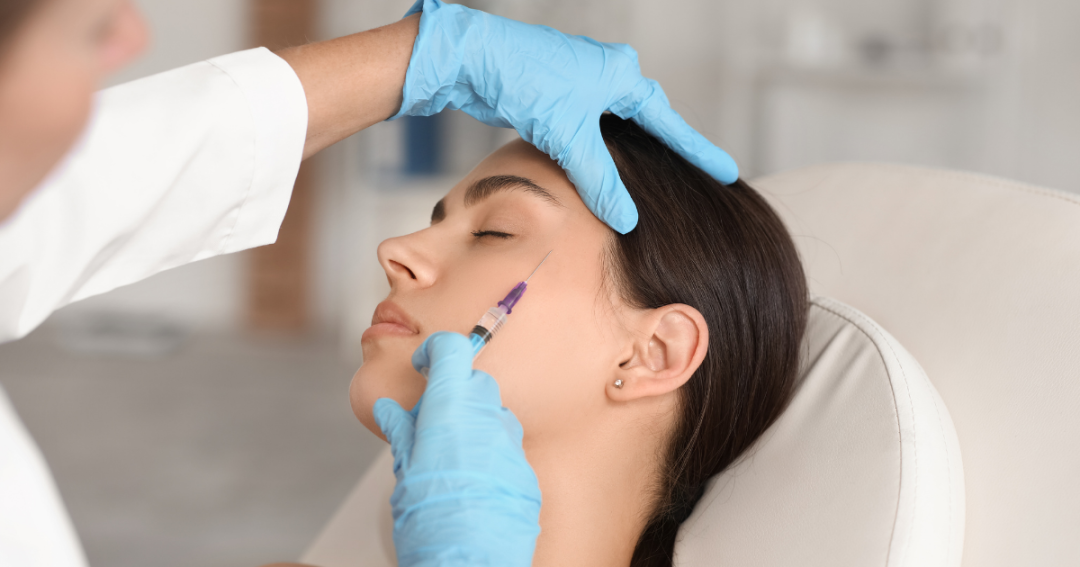
Before anything else, the anatomy is everything here. The tear trough sits in a sensitive, high-risk zone. When you’re treating underneath the eye, you’re only going to be injecting half a mil per eye. Given the sheer volume of product in such a sensitive area, you do not want to be going above that.
That’s a principle worth reinforcing in training and in your own practice. The periorbital area demands restraint. Overcorrecting with volume here doesn’t just look wrong, it can cause real problems. Half a mil per eye is the ceiling for the tear trough, and sticking to that keeps your clients safe and your results clean.
So what happens to the rest of the syringe? That’s where it gets interesting.
Understanding the 2ml Syringe and How to Use It Properly
Plinest Eye comes as a 2ml syringe. If you’re doing a standard Plinest Eye treatment and capping yourself at half a mil per tear trough, that leaves you with 1ml remaining after treating both eyes. For a lot of practitioners new to this product, that raises a question about what to do with the rest.
The answer is straightforward, and it’s one of the things that actually makes Plinest Eye such a smart product to have in your clinic.
You Can Treat the Whole Eye Area
With Plinest Eye, you’re not limited to the tear trough. The remaining product can be used to treat around the crow’s feet and into the sleep lines. That means with a single 2ml syringe, you’re delivering a full eye treatment of polynucleotide: tear trough, lateral eye lines, and the skin creasing that clients describe as looking permanently tired.
That’s a genuinely compelling treatment proposition. One syringe, one appointment, a comprehensive result. Clients aren’t coming back just for the under-eye; they’re getting the whole periorbital zone addressed in a single session.
Why Plinest Eye Is Trending in Aesthetic Treatments
For a long time, filler carried real risks in the under-eye zone: migration, Tyndall effect, vascular complications, and most topical approaches just weren’t cutting it for clients who wanted something more. That’s changed. If you haven’t looked seriously at Plinest Eye yet, now’s the time.
The Plinest Eye polynucleotides work by stimulating fibroblast activity and promoting cellular regeneration in the treated tissue. This drives collagen and elastin synthesis from within, which is why the results look natural. You’re improving the skin’s actual structure rather than filling space or adding volume artificially.
This is particularly relevant around the crow’s feet and sleep lines, where the skin is thin and creased from repeated movement. You’re not trying to freeze those expressions or pad out the area with volume. You’re improving the actual quality of the tissue so it becomes more resilient, better hydrated, and firmer over time.
What clients see over time is a meaningful improvement in skin texture, reduction in fine lines, better hydration retention, and a general brightening of that shadowy hollowness that makes people look permanently tired. It’s not overnight, but it’s real and it lasts. That combination of safety in a high-risk zone, natural-looking results, and genuine biological improvement is exactly why demand for this treatment keeps climbing.
Plinest Eye Benefits for Patients
- Improves skin quality, hydration, and elasticity in the delicate periorbital area
- Reduces the appearance of crepiness, fine lines, and crow’s feet
- Softens the shadowy, hollow look that makes clients appear tired, without adding volume
- Delivers natural-looking results, since the treatment works biologically rather than physically filling space
- Doesn’t carry the migration or Tyndall effect risk associated with filler in this zone
- Treats the full eye area — tear trough, crow’s feet, and sleep lines — from a single 2ml syringe
- Results build progressively and last, supported by a structured maintenance schedule
What the Before and After Actually Shows
Results from Plinest Eye before and after comparisons typically show improvement in skin laxity and texture, reduction in crepiness under the eye, softer crow’s feet, and a fresher overall appearance. The transformation is subtle in the best possible way — clients look like themselves, just less exhausted.
Because you’re treating the full eye area, including the lateral lines and sleep creases, the cumulative improvement is more comprehensive than a tear trough-only approach. Clients often notice that their whole eye area looks better rested, not just the hollow underneath.
Be honest about timelines. The biological regeneration process takes time, and the most compelling changes tend to appear after the second or third session as collagen remodelling accumulates. Set that expectation clearly, and you’ll have far fewer disappointed clients and a lot more loyal ones.
Who Is an Ideal Candidate for Plinest Eye Treatment?
- Clients with early to moderate periorbital ageing — crepiness, dehydration, fine lines, or dullness under the eyes
- Those who’ve had a poor experience with filler in the tear trough, or are nervous about adding volume in that area
- Clients looking for a full periorbital refresh (tear trough, crow’s feet, and sleep lines) rather than a single-point fix
- People seeking gradual, natural-looking improvement over an instant volumising effect
- Clients in generally good health with no active infection, known hypersensitivity, or other contraindication in the treatment area
- Anyone already on a skin-quality treatment pathway who could benefit from a biostimulatory approach around the eyes specifically
As with any injectable, individual suitability should always be confirmed at consultation and via a full medical history review.
Plinest Eye vs Other Under-Eye Treatments
It’s worth being explicit about this with clients because the comparison comes up constantly. Plinest Eye is not a filler. It doesn’t add volume, it doesn’t risk migration, and it doesn’t carry the same complication profile as hyaluronic acid in the periorbital zone. It works biologically, stimulating the skin’s own regenerative processes rather than physically occupying space.
- Vs dermal filler: Filler adds volume and carries migration/Tyndall risk in the tear trough; Plinest Eye improves skin quality without volumising, making it a lower-risk option for this zone
- Vs topical eye creams: Topicals work at the surface and have limited ability to penetrate and affect deeper tissue quality; Plinest Eye is delivered intradermally, working from within
- Vs surgical blepharoplasty: Surgery addresses excess skin/fat surgically with associated downtime and risk; Plinest Eye is a non-surgical option suited to clients with early-to-moderate concerns who aren’t candidates for, or don’t want, surgery
For clients who’ve had poor experiences with filler around the eyes, or who are nervous about adding volume in that area, this distinction is a genuine selling point.
How Many Sessions Are Recommended?
This is one of the most common questions clients ask, so it’s worth having a clear answer ready. The standard protocol is typically 3 to 4 sessions, spaced 2 to 4 weeks apart, followed by maintenance every 6 to 12 months depending on the individual.
Younger clients with early signs of periorbital ageing may see great results with 2 to 3 sessions. Those presenting with more advanced laxity, deeper crow’s feet, or significant sleep line creasing often benefit from the full 4-session course before moving to maintenance.
Factor this into your treatment planning conversations from the start. Clients appreciate a clear roadmap, and it helps with treatment uptake. They’re committing to a course, not just a one-off appointment, and understanding why makes that an easier conversation.
Is It Safe? What Aesthetic Professionals Should Know
Plinest Eye has a well-established safety profile when used within recommended parameters, but the periorbital area is unforgiving of shortcuts. Key points for practitioners:
- Respect the dosing ceiling — no more than half a mil per eye in the tear trough, given the vascular anatomy of the area
- Technique matters — serial puncture and linear threading, applied intradermally at a superficial depth, are the most commonly used approaches; the tear trough requires particular care given its vascular anatomy
- Formal training is essential — don’t treat this area without product-specific training, regardless of prior filler or biostimulator experience
- Screen for contraindications — active infection in the treatment area, known hypersensitivity to any ingredient, and other standard injectable contraindications all apply
- Source from an authorised distributor — this protects both product integrity and your regulatory standing
- Document everything — a full medical history and a signed, treatment-specific consent form should be completed before any injection
Two things worth having in place before your first Plinest Eye client walks in:
A Plinest Eye consent form covering the specific risks, technique, and expected outcomes of periorbital polynucleotide treatment
A Plinest Eye aftercare form you can send digitally so clients have clear, documented post-treatment guidance
Where to Buy Polynucleotides Online Safely
Always order Plinest Eye and other polynucleotide products through an authorised UK distributor to guarantee product integrity, correct storage handling, and full traceability. Plinest Eye should be stored at room temperature, away from direct light and heat — always follow the manufacturer’s storage guidance and check the expiry date before use.
Browse our range of Plinest Eye products and place your order today. If you have clinical questions about protocols or patient selection, our team is here to help.
Why Clinics Are Adding Plinest Eye to Their Treatment Menu
The Full Eye Treatment Angle
One of the strongest arguments for stocking Plinest Eye is the full eye treatment story. When you explain to a client that a single syringe covers the tear trough, crow’s feet, and sleep lines in one appointment, it reframes the value entirely. You’re not selling a single injection point, you’re offering a complete periorbital polynucleotide protocol.
That’s a much more compelling conversation than explaining why a small amount of product is going under one specific area. The whole-eye approach gives clients a complete result and gives you a treatment that justifies its place on your menu.
Communicating the Value
Price sensitivity can be a barrier with polynucleotide treatments because clients compare the cost to topical alternatives they’ve been using for years. The conversation needs to shift from cost to mechanism. You’re not selling a cream, you’re offering cellular regeneration that topicals simply cannot achieve.
Before and after photography is your strongest tool here. Build a portfolio from your first clients across the full eye area — under-eye, crow’s feet, and sleep lines — and let the results do the talking.
Ready to Add Plinest Eye to Your Clinic?
If you’re looking to expand your periorbital offering with a treatment that’s clinically credible, practically smart, and genuinely effective across the full eye area, Plinest Eye is worth adding to your portfolio. Stock it, learn the protocol properly, and build your results gallery from day one.
See It in Action
Watch our quick breakdown on TikTok, covering anatomy, dosing, and how to get a full eye result from a single 2ml syringe:
FAQs
Why is the recommended dose only half a mil per eye for the tear trough?
The tear trough sits in one of the most sensitive and vascular areas of the face. Injecting more than half a mil per eye in this zone increases the risk of swelling, migration, and other complications. Half a mil is the safe ceiling for the tear trough, and Plinest Eye’s 2ml syringe is designed so the remaining product can be used across the crow’s feet and sleep lines for a full eye treatment.
Can the leftover product from the tear trough be used elsewhere in the same session?
Yes, and this is one of the key advantages of Plinest Eye. After treating both tear troughs at half a mil each, you have 1ml remaining in the syringe. That can be used to treat the crow’s feet and sleep lines in the same session, delivering a complete periorbital polynucleotide treatment from a single 2ml syringe.
What injection technique is recommended for Plinest Eye?
The most commonly used approaches are serial puncture and linear threading, applied intradermally at a superficial depth. Technique varies depending on the treatment zone: the tear trough requires particular care given the vascular anatomy, while the crow’s feet and sleep lines allow for a more straightforward intradermal approach. Formal training with the product is strongly advisable before clinical use.
How quickly will clients see results?
Initial improvement in hydration and skin texture can be noticeable after the first or second session. More significant changes in fine lines, laxity, and crow’s feet typically become apparent after the third session and continue to develop over the following weeks as collagen remodelling progresses.
How should Plinest Eye be stored?
Plinest Eye should be stored at room temperature, away from direct light and heat. Always follow the manufacturer’s storage guidance, check the expiry date before use, and ensure you’re ordering through an authorised UK distributor to guarantee product integrity.