
Plenty of products arrive with a lot of noise and then quietly disappear. Sculptra is not one of them. It has been around for years, the science behind it has held up, and clients are arriving at consultations far more informed about what it actually does. That last point matters, because a client who understands they are buying collagen stimulation rather than instant volume tends to be a much happier client at the six week mark.
What is Sculptra and why the demand keeps growing
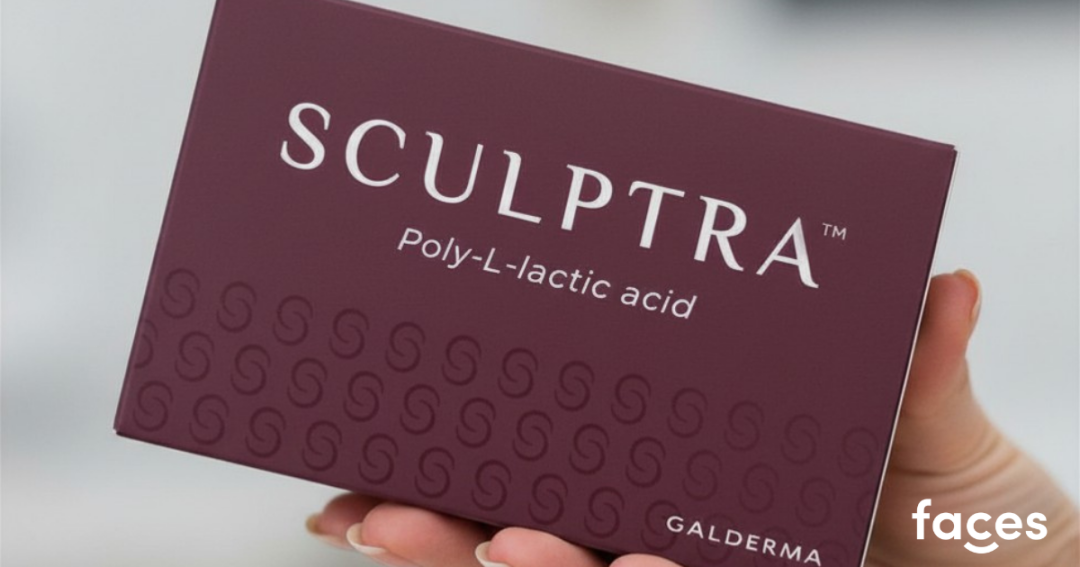
When a client asks what is Sculptra, the honest answer is that it is a biostimulator, not a traditional dermal filler. The active ingredient is poly-L-lactic acid (PLLA), a substance that has been used safely in dissolvable sutures for decades. Rather than sitting under the skin and pushing tissue upward the way hyaluronic acid does, it works by prompting the client’s own fibroblasts to produce new collagen over time.
That distinction is the whole game. The micro-particles are gradually broken down and absorbed, and what remains is the client’s own collagen scaffolding. This is why results build slowly and look so natural. Nobody walks out looking treated. They tend to look like themselves a few years earlier, with a change so gradual that friends assume they have simply been sleeping well.
The growing demand makes sense in that context. The market has shifted firmly towards subtle, structural results and away from the overfilled look that defined a certain era. Clients in their forties and fifties who want to address volume loss and skin quality at the same time are exactly who this suits, and word of mouth in that demographic is powerful.
How a Sculptra treatment actually works in clinic
A proper Sculptra treatment is a course, not a single appointment, and managing that expectation upfront prevents a lot of awkward conversations later. Most faces require two to three sessions spaced around four to six weeks apart, with each session using one to two vials depending on the area and degree of volume loss.
A few practical points that the leaflet tends to underplay:
Reconstitution and hydration
Reconstitute well ahead of time. A generous dilution, typically around 7 to 8ml of sterile water plus lidocaine, with the vial left to fully hydrate, produces a smoother and more even suspension and lowers nodule risk considerably. Rushing this stage invites problems. The vial should be shaken properly before drawing up so the mixture is even rather than clumped.
Placement and technique
This is a deep product. It belongs in the deep dermis or subcutaneous plane, placed with a fanning or cross hatching technique, and it should never be injected superficially. Aspirate, keep the needle or cannula moving, and avoid high risk zones such as the under eye and lips entirely. The lower face, cheeks, temples and jawline are where it performs best. Off label use on the décolletage or upper arms exists, but confidence is best built on the face first.
The aftercare that makes or breaks results
Massage is non negotiable, and most of it falls to the client. The familiar rule of five gives them an easy way to remember it: massage the area five times a day, for five minutes, for five days. Clear written instructions are essential, because a client who forgets to massage is a client who may develop a palpable lump, and that becomes a problem at the next review.

Setting expectations with Sculptra before and after results
Patience is the single biggest hurdle. Clients accustomed to fillers expect an immediate result, so when they look in the mirror the next morning and see nothing dramatic, some panic. The timeline needs to be explained before they ever sit in the chair. Collagen production takes weeks, so visible change typically starts around six to eight weeks and continues building for several months. Once established, it commonly lasts up to two years, which is a strong selling point.
A frequent follow up question is how long does Sculptra last, and the answer is one of its real strengths. Because the result is built from the client’s own collagen rather than a gel that gradually breaks down, the effect tends to hold for up to two years in most cases. That longevity is worth emphasising at consultation, as it reframes the higher upfront commitment of a multi session course into strong value over time compared with treatments needing more frequent top ups.
A photography protocol is invaluable here. Standardised lighting, the same angles, and the same distance at every visit. Showing a nervous client genuine Sculptra before and after images, ideally clinic results rather than manufacturer stock, builds trust far more effectively than reassurance alone. It also offers protection, because the gradual nature of the result means people genuinely forget how they looked at baseline.
Is Sculptra better than fillers?
The most common question from both clients and newer injectors is Is Sculptra better than fillers? and the honest answer is that it is the wrong question. They do different jobs. Hyaluronic acid fillers deliver immediate, precise, reversible volume, ideal for sculpting a chin, defining a jaw or plumping lips. The collagen stimulator delivers gradual, global, foundational improvement across a larger area, and it is not reversible.
In practice the two complement each other. A biostimulator can restore overall facial support and skin quality, with a small amount of hyaluronic acid filler then placed for specific structural definition once that base is established. Framing one as better sets up a false choice. Framing each as the right tool for the right goal is what keeps clients on a sensible long term plan.
What is the disadvantage of Sculptra?
No product is perfect, and pretending otherwise damages credibility. The main drawbacks are the slow onset, which does not suit clients chasing an instant fix, the course of multiple sessions, which means a higher overall cost and commitment, and the small but real risk of papules or nodules if dilution, technique or aftercare slips. Because it is not dissolvable in the way hyaluronic acid is, errors are harder to correct, which is precisely why training and patient selection matter so much. Screening out the impatient and selecting clients who understand the process protects both results and reputation.
Sourcing and the importance of provenance
Where stock comes from is not a small detail. Practitioners looking to buy Sculptra Injections should only ever source it through a regulated pharmacy that verifies prescriber credentials, because counterfeit and grey market product carries genuine patient safety risk. The convenience of being able to buy Sculptra online through a properly regulated channel is welcome, but convenience should never override traceability, cold chain integrity and a clear audit trail.
This is one area where the right platform removes a lot of friction. Genuine, traceable stock is available through the Faces pharmacy, sitting alongside the wider clinic tools rather than as a separate logistical headache.
Pricing is one of the first things practitioners ask about, and how much does Sculptra cost depends largely on vial quantity and the pharmacy or seller supplying it. In the Faces pharmacy, prices currently range from £135.00 for a single 5ml vial up to £408.00 for larger packs. Factoring that cost per vial into a multi session course is essential when pricing the full treatment for clients, so the per session margin holds up across the whole plan rather than just the first appointment.
Where it fits in a wider treatment plan?
A biostimulator rarely works in isolation. It addresses volume and skin quality, but dynamic lines from muscle movement are a different problem entirely, which is where anti wrinkle injections come in. Planning these together, and documenting them properly, keeps the client journey coherent and keeps records clean.
Running the admin side without the headache
The clinical side is only half the job. Consent, aftercare instructions, medical histories, bookings and prescriptions all have to be handled correctly, and chasing those across separate systems wastes time that should be spent treating clients. Faces Consent is built as an all in one platform for aesthetics clinics, bringing the booking system, regulated pharmacy, consent forms and aftercare forms into a single place. For a treatment like this one, where aftercare compliance and accurate records genuinely affect outcomes, having digital consent and aftercare tied directly to the booking and the stock used is a meaningful advantage rather than a nice to have.
FAQs
Most faces require a course of two to three sessions, using one to two vials per session, spaced four to six weeks apart. The exact number depends on the degree of volume loss and the areas being treated, so it is best assessed and documented at consultation rather than promised in advance.
Visible improvement usually begins around six to eight weeks and continues building over several months as collagen develops. Clients chasing an overnight change are not ideal candidates, so the timeline should be set out clearly before treatment begins.
Once results are established, they commonly last up to around two years. Many clients return for a top up session before that point to maintain the effect rather than waiting for it to fully fade.
Papules and nodules are the most reported issue. They are largely preventable through generous dilution, full hydration of the product, deep correct placement, and strict client adherence to the massage protocol. Clear written aftercare significantly reduces the risk.
Yes. It pairs well with hyaluronic acid fillers for targeted definition and with anti wrinkle injections for dynamic lines. Combination planning tends to deliver more natural, balanced results, provided each element is sequenced sensibly and recorded accurately.
Yes. It pairs well with hyaluronic acid fillers for targeted definition and with anti wrinkle injections for dynamic lines. Combination planning tends to deliver more natural, balanced results, provided each element is sequenced sensibly and recorded accurately.