Find Vitamin D Injection near me
Book the best Vitamin D Injection online in seconds. Read reviews and compare the top rated Vitamin D Injection near you on Faces.
Vitamin D injection is a medical treatment designed to increase vitamin D levels in individuals who may have deficiencies due to inadequate sun exposure or dietary intake. The procedure typically involves administering a sterile solution containing vitamin D3 (cholecalciferol) directly into a muscle or bloodstream, allowing for quicker absorption compared to oral supplements. This treatment can help support bone health, immune function, and overall well-being. It is often recommended for those at risk of deficiency, such as the elderly or individuals with certain medical conditions.
 3640 Appointments made
 1105+ clinics to offer


Highlights

Price range

Treatment time

Recovery time

Treatment sessions

Duration of results

Satisfaction rate
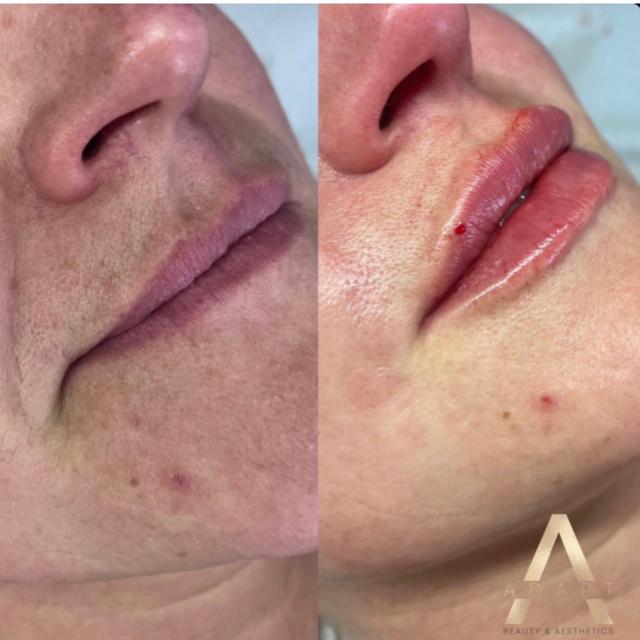
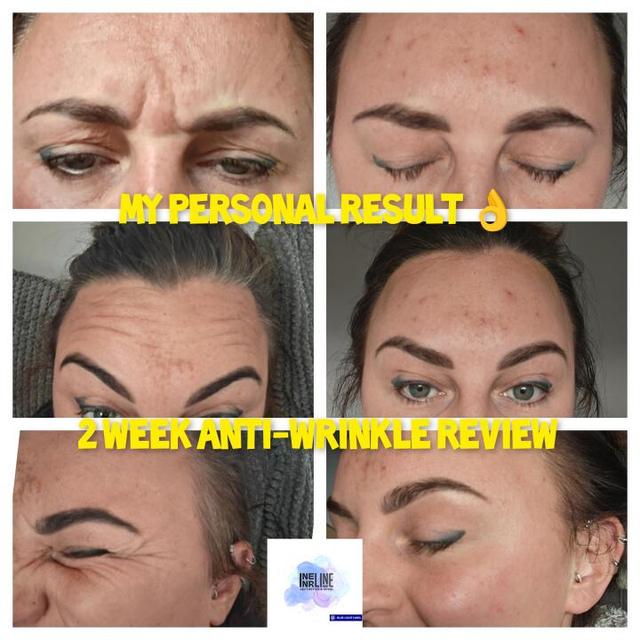
Before / After results


How it works
Vitamin D injections deliver the active form of vitamin D, aiding calcium absorption for bone health. They are primarily used to treat deficiencies, enhancing immune function and supporting mood. The injection typically contains cholecalciferol or ergocalciferol, administered intramuscularly for effective systemic absorption.


Ideal candidates
A good candidate for Vitamin D injection treatment includes individuals with a confirmed deficiency, particularly those at risk due to limited sun exposure, dietary restrictions, or certain medical conditions. This treatment addresses concerns such as weakened bone health, immune function, and overall well-being, promoting optimal physiological function.
Treatment variations
Various types of Vitamin D injections are tailored for specific areas and aesthetic outcomes. Your practitioner will assess your treatment area, desired results, and individual anatomy to recommend the most appropriate option, ensuring a personalised approach to achieving your aesthetic goals while prioritising safety and effectiveness.


Important considerations
Vitamin D injection treatments can be safe when administered by a qualified healthcare professional. Essential safety considerations include assessing individual medical history and potential allergies. Prior to the procedure, it’s crucial to discuss any medications you’re taking. Ensure you choose a reputable clinic that follows health regulations. By prioritising safety and professional expertise, you can benefit from Vitamin D injections effectively. Always consult a healthcare provider for tailored advice before proceeding.
The Vitamin D Injection procedure
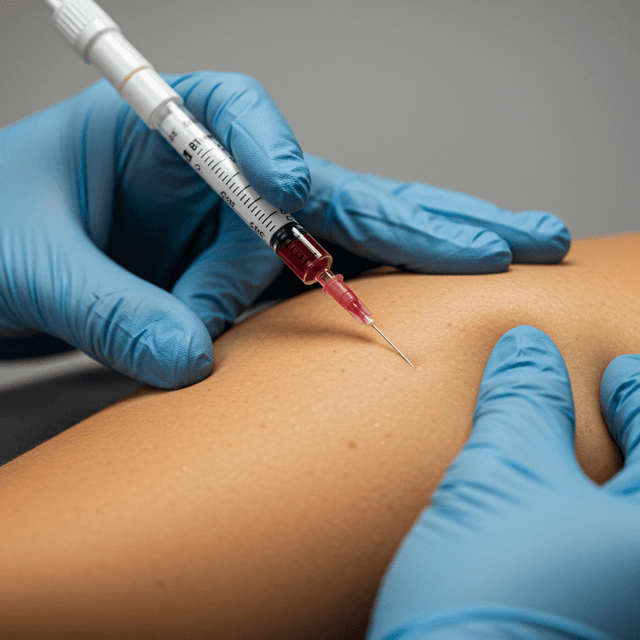
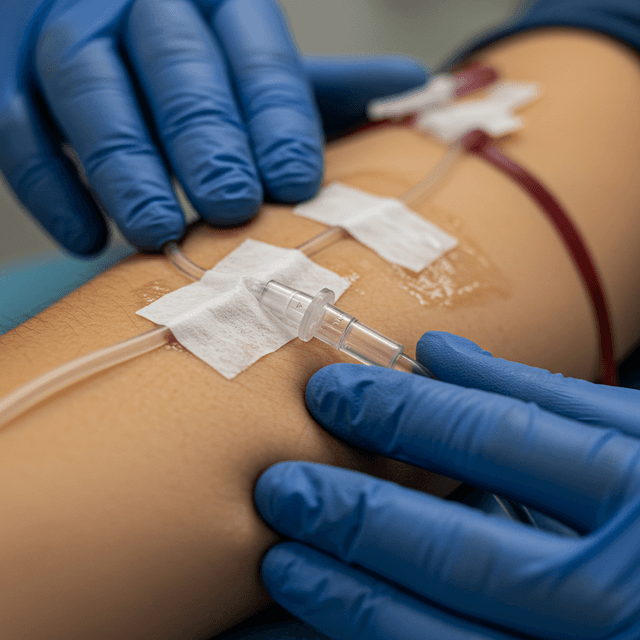
Vitamin D Injection is a non-surgical procedure involving the administration of vitamin D to enhance skin health and support overall well-being.
What it feels like
Following a Vitamin D injection, patients often report a sense of immediate relief and comfort. Many experience an uplifting improvement in mood and energy levels, contributing to an overall feeling of wellness and vitality in their daily lives.
Vitamin D Injection benefits
01
Effective Absorption
Vitamin D injections ensure effective absorption compared to oral supplements.
02
Quick Relief
Injections provide quick relief from deficiency symptoms for faster recovery.
03
Safe Administration
Administered by professionals, injections offer a safe method to boost Vitamin D levels.
04
Long-Lasting Results
Vitamin D injections can lead to longer-lasting results than traditional supplements.
05
Convenient Option
A simple booking can provide a convenient option for Vitamin D supplementation.
Vitamin D Injection risks and side effects
Understand potential side effects like swelling, bruising, or asymmetry. Seek prompt care for severe pain, discoloration, or worsening symptoms.
1. Injection Site Reactions
Pain, swelling, or redness at the injection site may occur. These reactions are usually mild and temporary, resolving within a few days without requiring further medical attention.
2. Nausea and Gastrointestinal Issues
Some individuals may experience nausea, vomiting, or stomach cramps after the injection. These symptoms are typically short-lived and can be managed with dietary changes or medication if necessary.
3. Hypercalcaemia
Excessive vitamin D can lead to elevated calcium levels in the blood, causing symptoms such as confusion, fatigue, or kidney issues. Regular monitoring of calcium levels is essential to prevent this complication.
4. Allergic Reactions
Though rare, some individuals may have allergic reactions to the injection, presenting as rash, itching, or swelling. Severe reactions, such as anaphylaxis, require immediate medical attention.
5. Changes in Mood or Mental State
Some patients report mood swings or changes in mental clarity following vitamin D injections. While uncommon, it’s advisable to discuss any significant mood changes with a healthcare professional.
Recovery process
Recovery timeline
After a Vitamin D injection, mild swelling or bruising at the injection site may occur, typically resolving within a few days. Patients are generally advised to avoid strenuous physical activity for 24 to 48 hours. Final results, including improvements in symptoms, can usually be noticed within a few weeks, depending on individual health conditions.

Aftercare Instructions
- Avoid strenuous exercise for 24 hours post-injection.
- Keep the injection site clean and dry.
- Apply a cool compress if swelling occurs.
- Stay hydrated but avoid excessive caffeine.
- Monitor for any unusual reactions and report them.
- Follow-up with your healthcare provider as advised.

Week 1
In the first week post-Vitamin D injection, patients may experience mild swelling and occasional bruising at the injection site. Results typically improve gradually, with enhanced energy levels and overall wellbeing becoming noticeable as the week progresses.

Week 2
In the second week post-Vitamin D injection, patients may notice reduced swelling and improved energy levels. Results typically begin to stabilise, enhancing overall well-being, though individual experiences may vary.

Months 1–6+
Patients may notice improved mood and energy within weeks, with optimal effects typically appearing around 1-3 months. Long-term benefits include enhanced bone health and immune function, stabilising over time with consistent vitamin D levels.
Questions about Vitamin D Injection
All your questions answered.
Vitamin D injection results typically last for several weeks to a few months, depending on individual factors such as your baseline levels, absorption rates, and overall health. Maintenance treatments may be necessary to sustain optimal levels, especially in those with higher needs or limited sun exposure. Regular monitoring can help determine the right approach for ongoing supplementation.
The Vitamin D injection may cause slight discomfort, often described as a brief sting. To minimise pain, practitioners use fine needles and may apply a numbing cream beforehand. They also ensure patients are relaxed and informed throughout the process. Most individuals experience manageable discomfort, typically subsiding shortly after the injection.
Patients can typically resume normal activities immediately after a Vitamin D injection. Downtime is minimal, though some may experience mild soreness or bruising at the injection site. These side effects are usually temporary. Makeup can generally be applied after 24 hours, allowing the injection site to heal properly. Always follow any specific advice given by your healthcare provider.
Good candidates for Vitamin D injection treatment typically include individuals with diagnosed deficiencies, malabsorption issues, or limited sun exposure. Contraindications may involve certain medical conditions or allergies. It’s crucial to consult a qualified practitioner before treatment to assess individual needs, evaluate potential risks, and ensure safe administration tailored to your health requirements.
 We’re an MHRA licensed broker.
All-in-one platform for aesthetic clinics. Manage bookings and digital consent easily. Reduce paperwork and save time. Secure client data and records. Built for modern practitioners.


Get in touch







.1f395bec.png&w=32&q=75) 7556+ clinics
7556+ clinics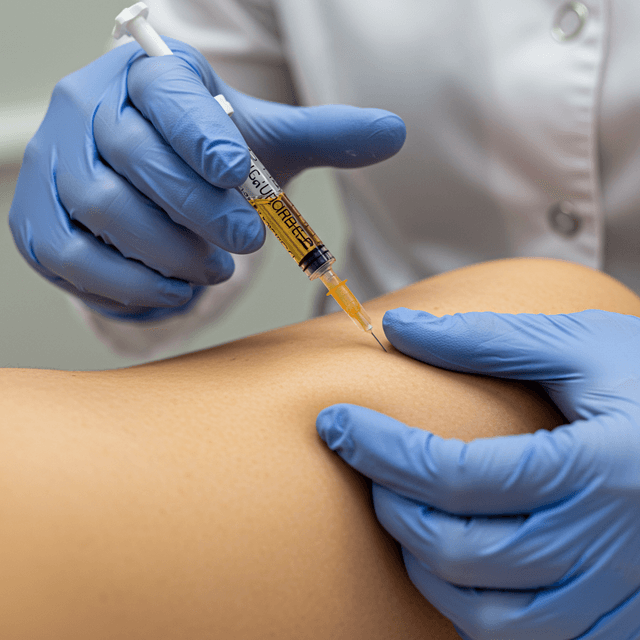


 4 (1)
4 (1) 48.69m