Book the best Teeth Whitening online in seconds. Read reviews and compare the top rated Teeth Whitening near you on Faces.
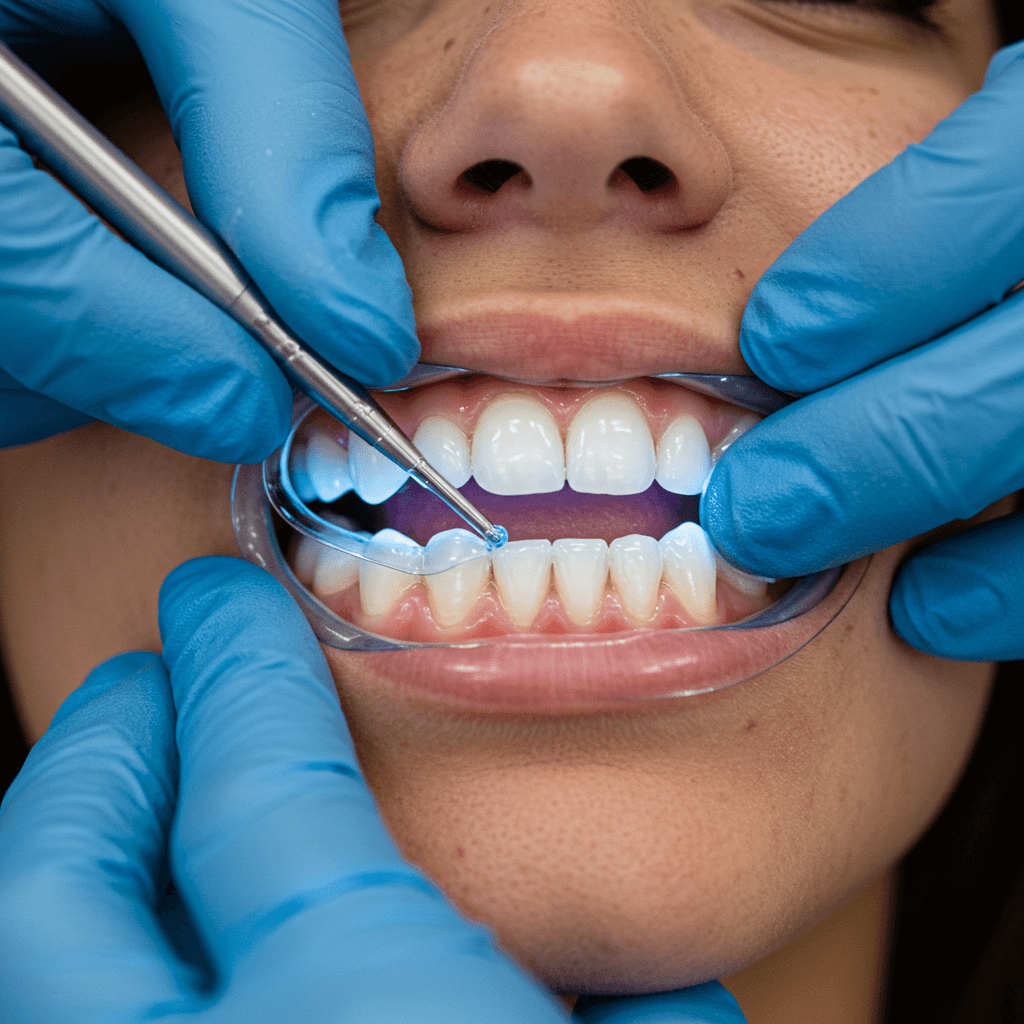
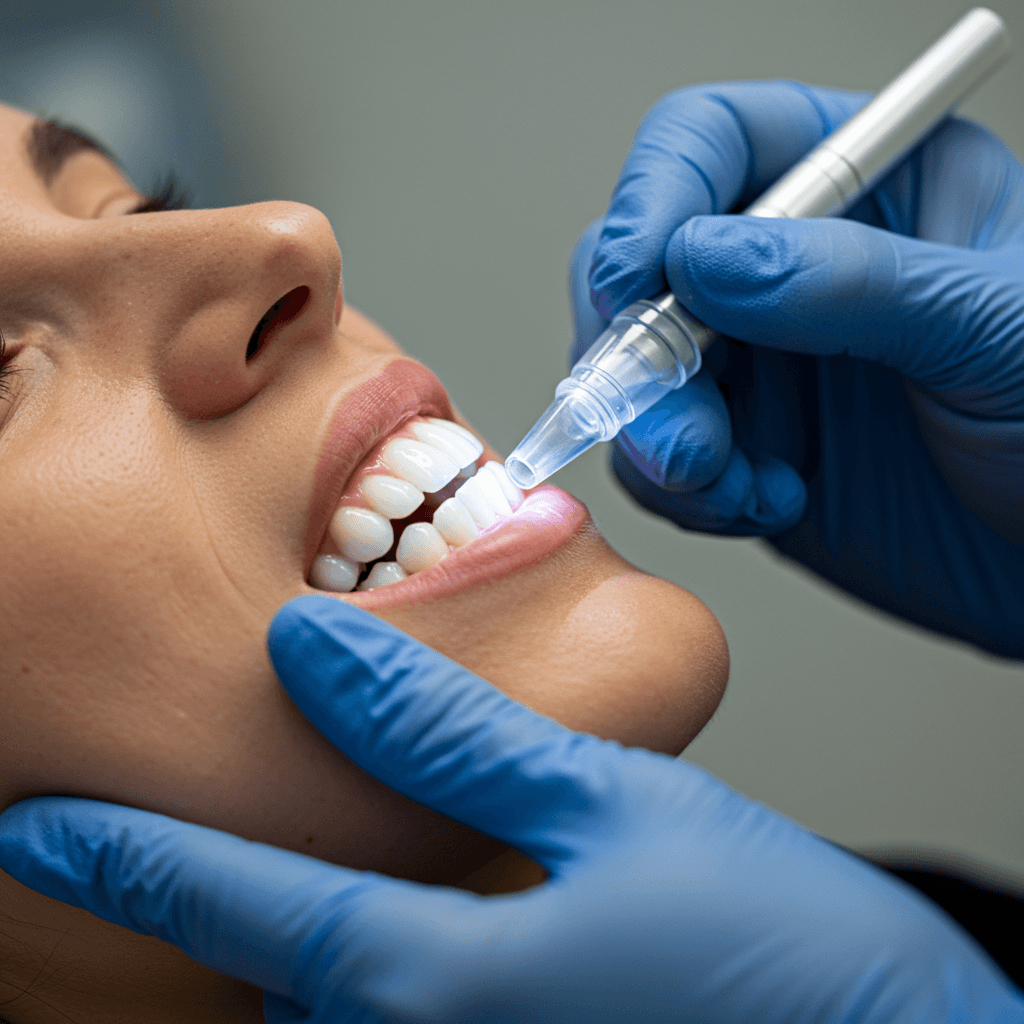
Teeth whitening is a cosmetic dental procedure designed to lighten the colour of teeth, enhancing their appearance. The treatment typically involves the application of a whitening agent, often containing hydrogen peroxide or carbamide peroxide, which penetrates the enamel to break down stains. Procedures can be conducted in a dental clinic or at home using custom trays. Results may vary depending on the initial tooth shade and the type of whitening method used, offering a brighter, more uniform smile.
 15857 Appointments made
 1725+ clinics to offer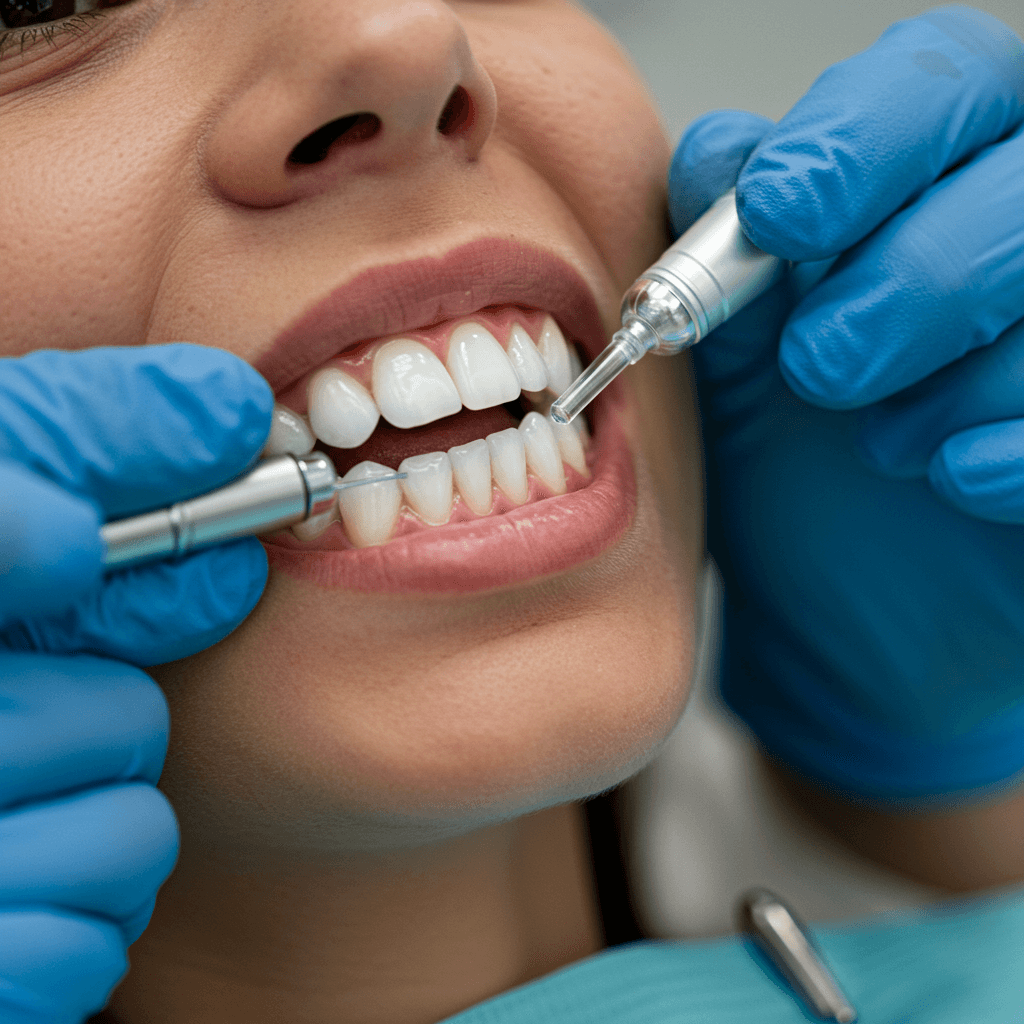
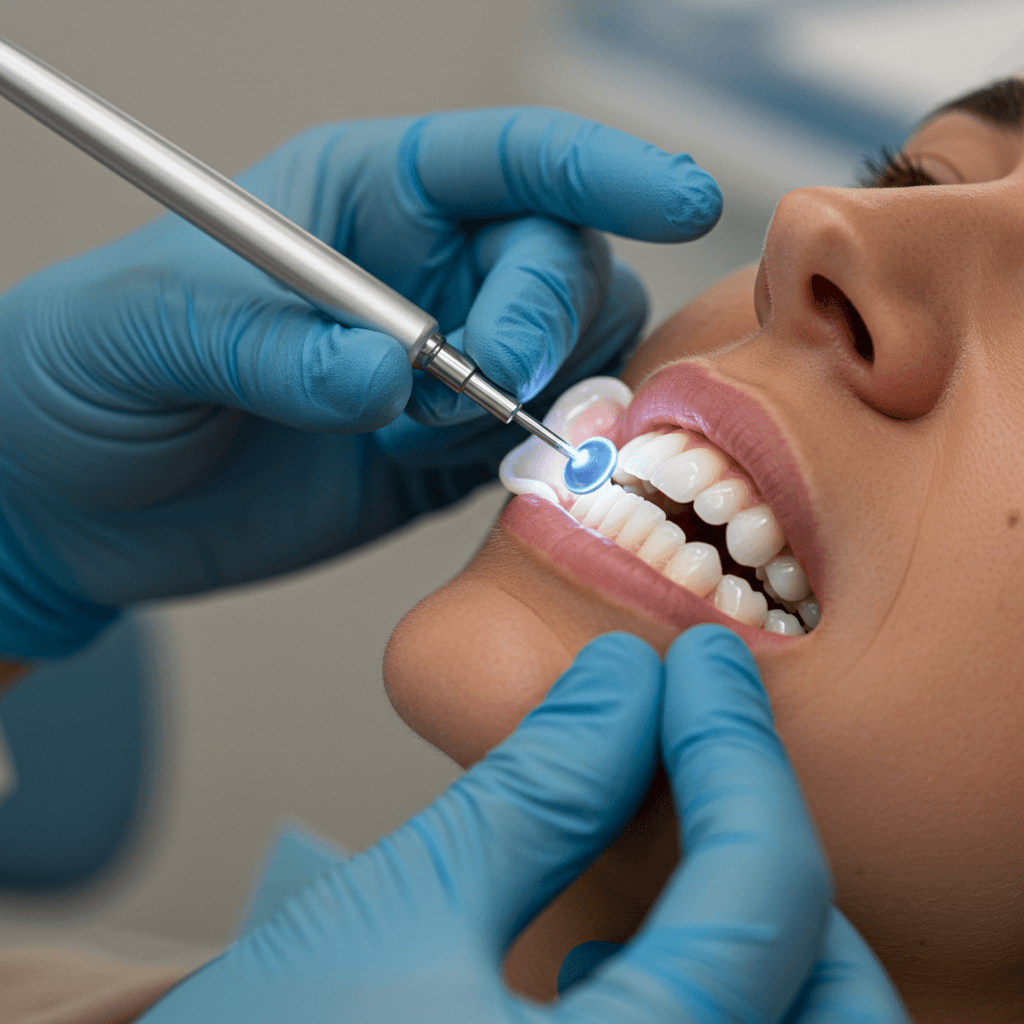

Price range

Treatment time

Recovery time

Treatment sessions

Duration of results

Satisfaction rate
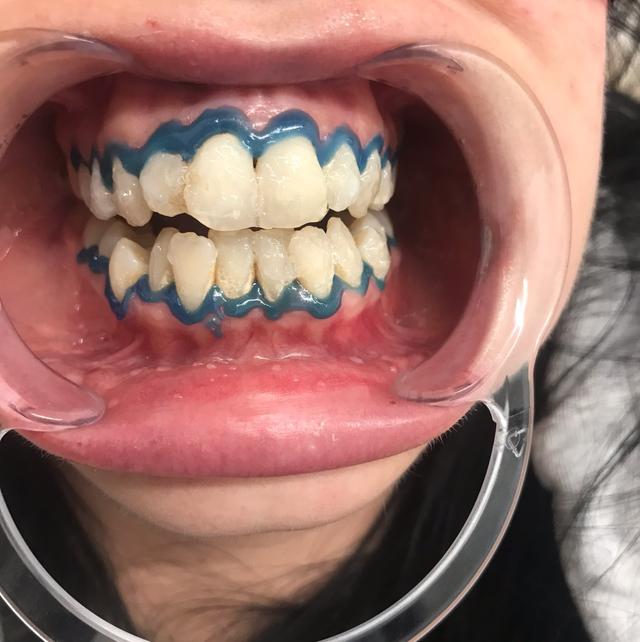
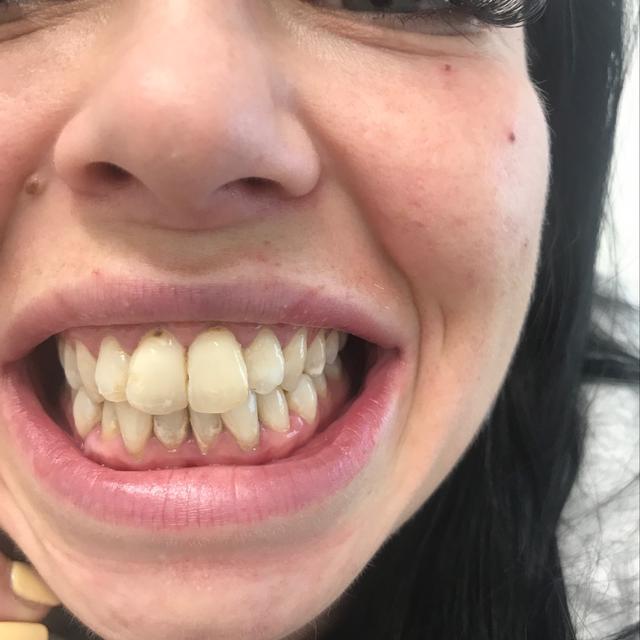
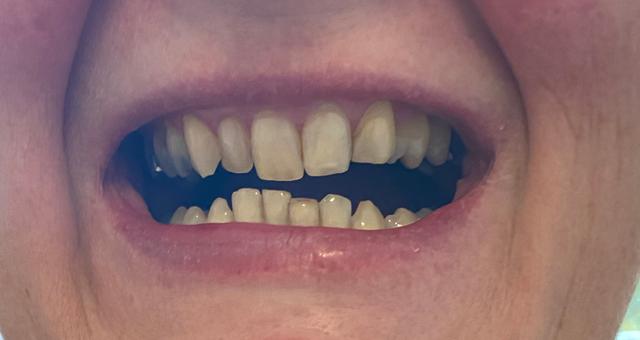

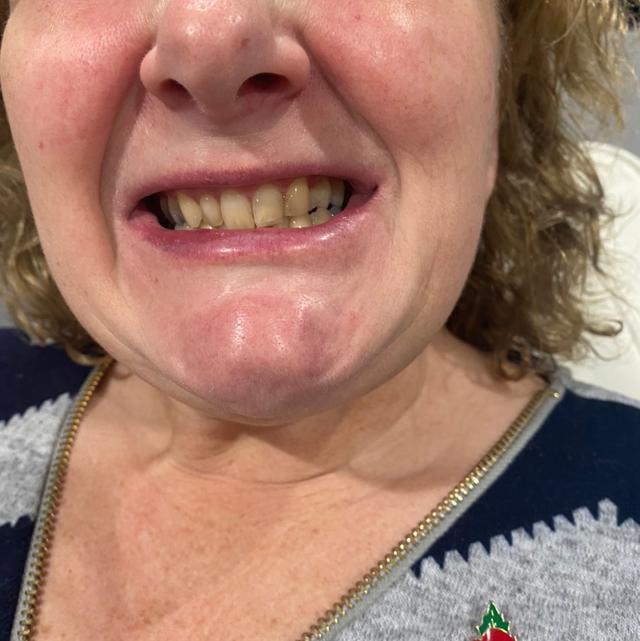
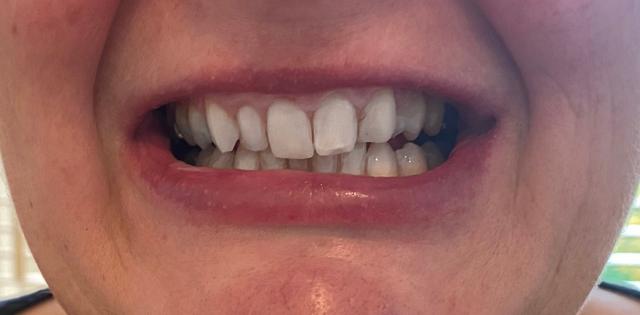
Teeth whitening utilises bleaching agents like hydrogen peroxide or carbamide peroxide to penetrate enamel, breaking down stains and discolouration. The primary purpose is to enhance aesthetic appeal and boost confidence. Treatments can vary from in-office procedures to at-home kits, providing versatile options for achieving a brighter smile.


A good candidate for teeth whitening is an adult with healthy teeth and gums, free from cavities or extensive dental work. Ideal candidates often seek to address discolouration from lifestyle habits, ageing, or certain medications. Consultation with a dental professional ensures safety and tailored treatment for optimal results.
Teeth whitening options vary to meet individual aesthetic needs and treatment areas. Your dental practitioner will assess your specific requirements and anatomy to recommend the most appropriate method. Whether seeking a brighter smile or targeting specific discolouration, tailored solutions ensure optimal results for every patient.
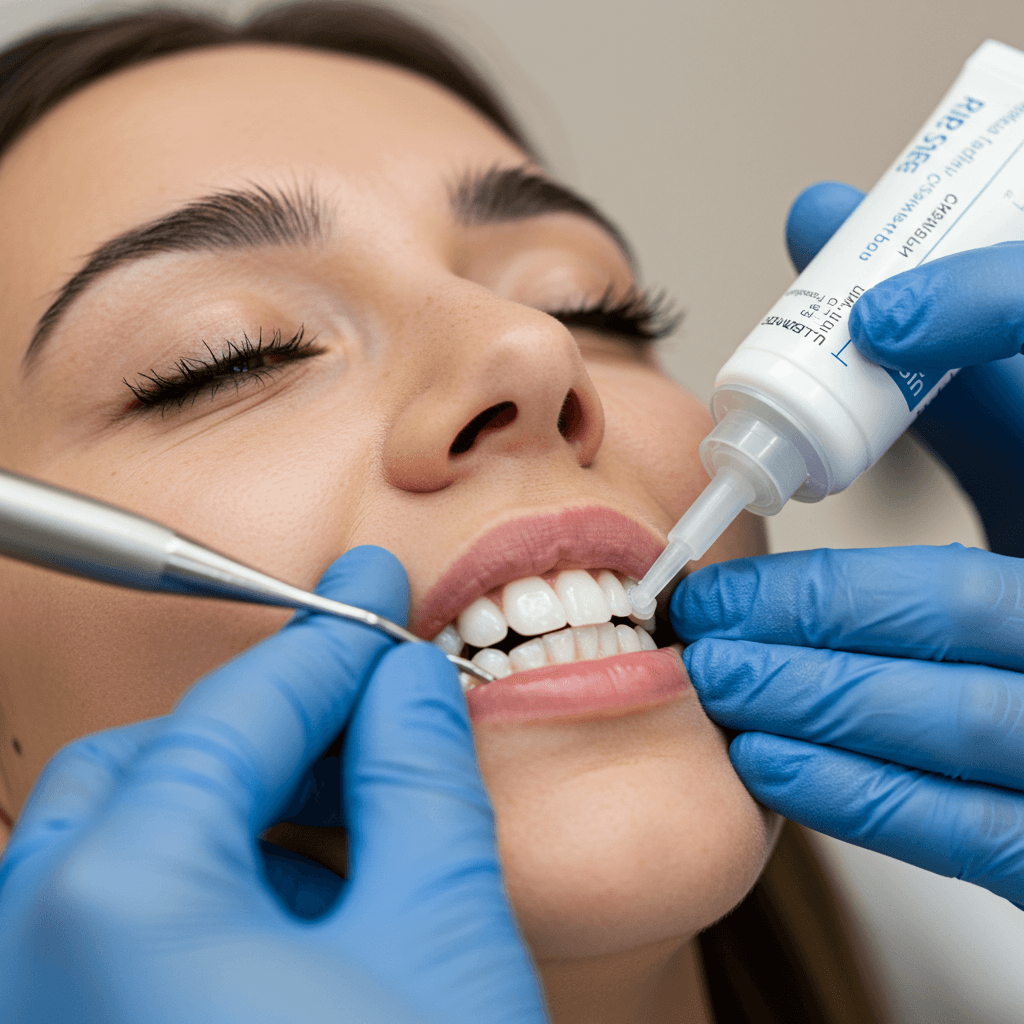
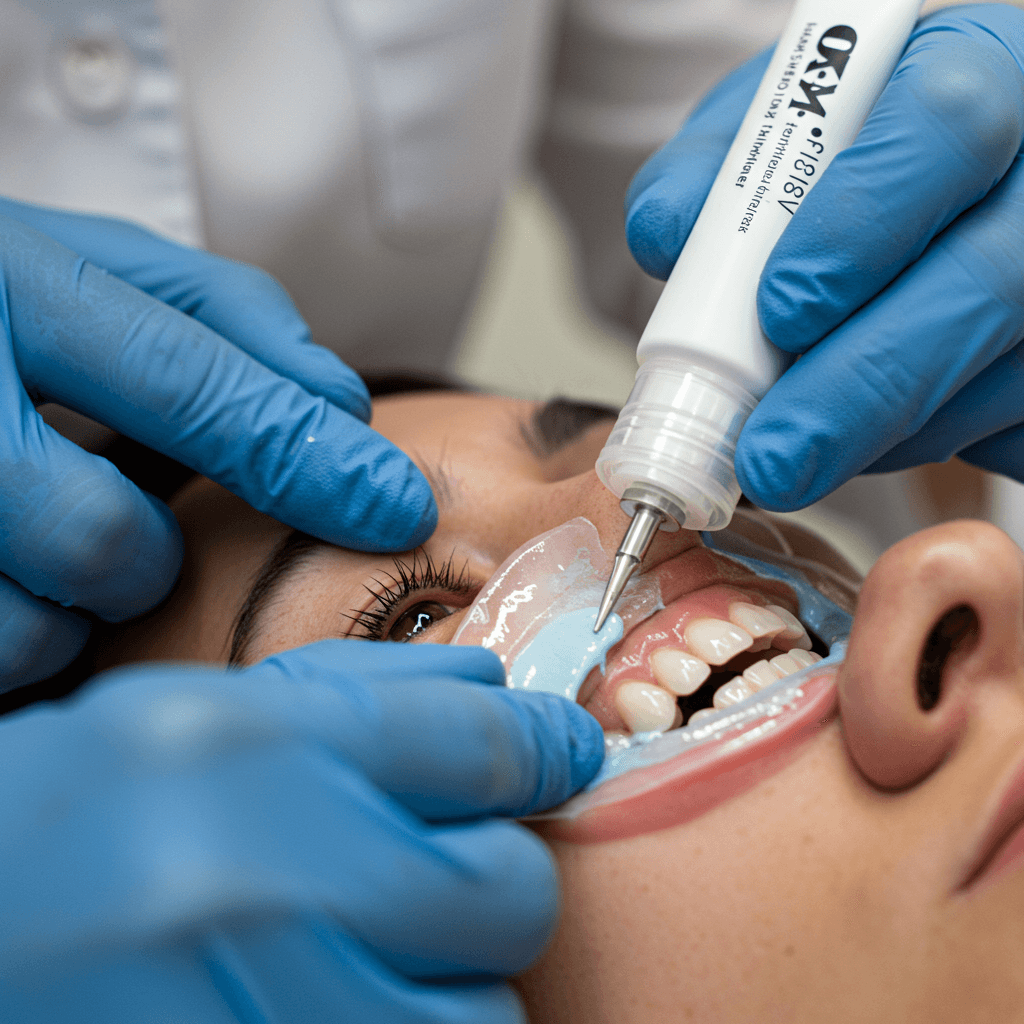
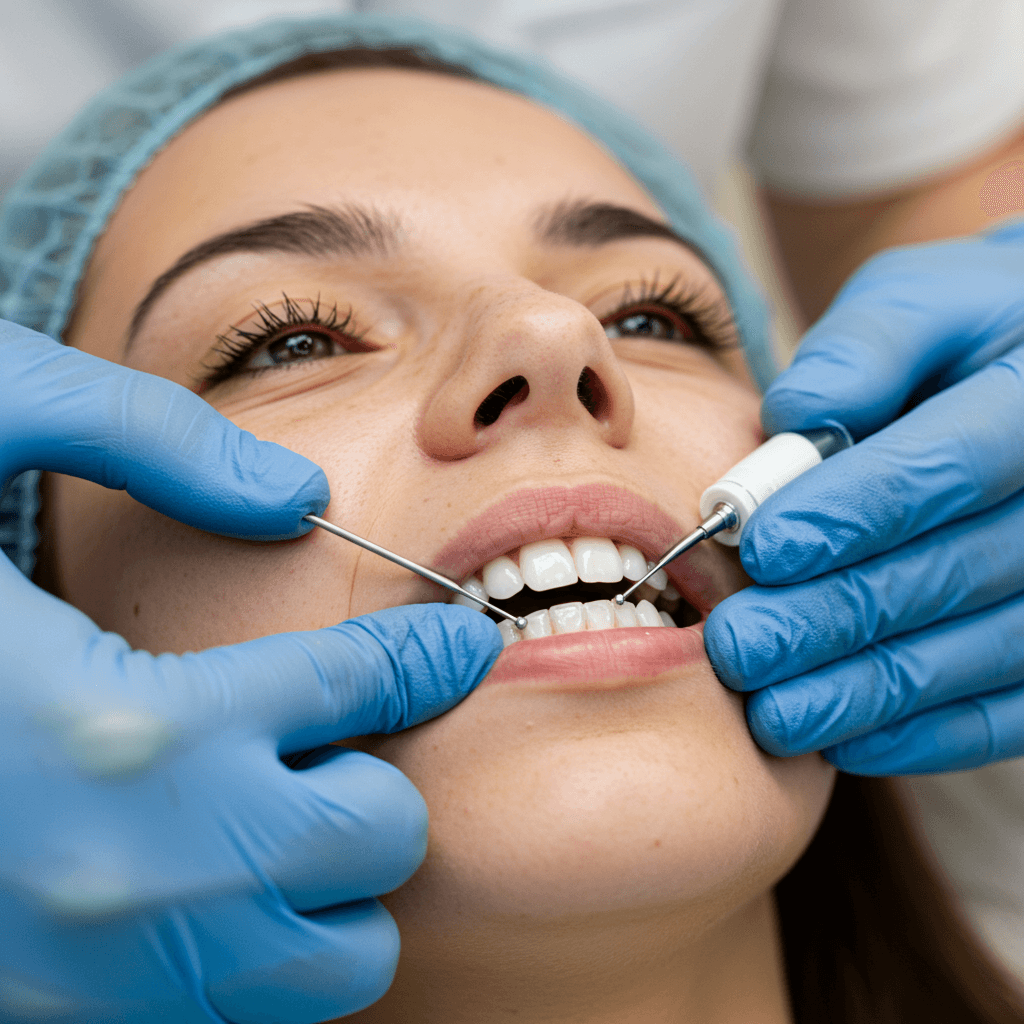
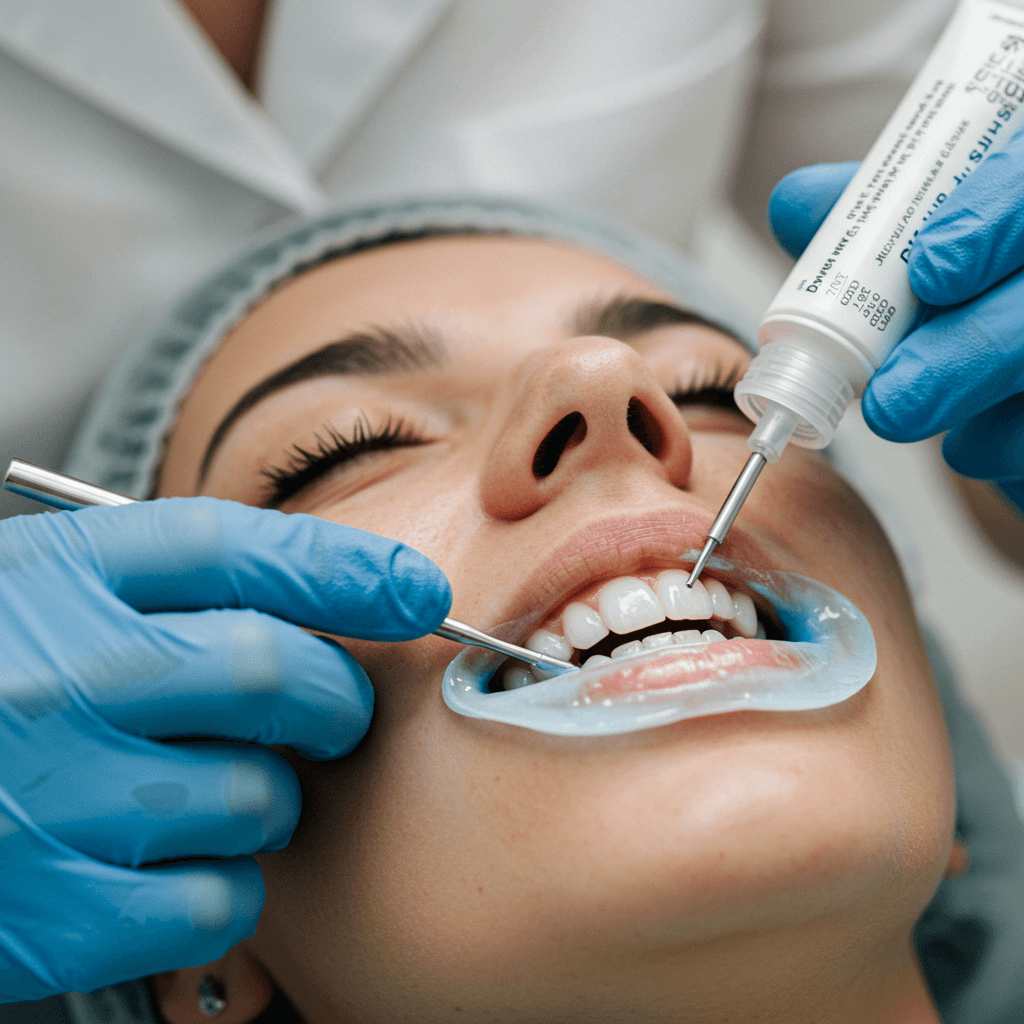
Teeth whitening treatments can be safe when performed by a qualified dental professional. It's crucial to assess your oral health beforehand, as conditions like sensitivity or gum issues can affect treatment outcomes. Ensure you choose a reputable clinic offering safe products and procedures. Always follow pre-treatment guidelines, such as avoiding certain foods or drinks that may interfere. Prioritising these safety considerations can help achieve a brighter smile effectively and safely.
Teeth whitening is a non-surgical cosmetic procedure that typically employs hydrogen peroxide or carbamide peroxide to lighten tooth enamel and enhance overall smile brightness.
After teeth whitening treatment, patients often experience a refreshing sense of brightness and confidence. The process is generally comfortable, with minimal sensitivity, leaving you with a revitalised smile that enhances your overall appearance and boosts self-esteem.
Enhances your appearance with an effective, radiant smile.
Achieve outstanding outcomes with professional teeth whitening treatments.
Undergo a safe and monitored process for optimal oral health.
Experience instant relief and confidence with a whiter smile.
Easily book your appointment for a quick teeth whitening session.
Understand potential side effects like swelling, bruising, or asymmetry. Seek prompt care for severe pain, discoloration, or worsening symptoms.
Teeth may become temporarily sensitive to hot and cold temperatures following whitening, due to the bleaching agents penetrating enamel and affecting nerve endings.
Bleaching agents can cause mild irritation or chemical burns to the gums, leading to redness or discomfort around treated areas.
Whitening treatments may not produce uniform results, particularly if there are pre-existing dental restorations, discoloured teeth, or varying enamel thickness, leading to noticeable colour discrepancies.
Excessive use of whitening products can lead to over-whitening, resulting in unnaturally bright teeth or a translucent appearance that detracts from overall aesthetics.
In rare cases, adverse reactions like allergic responses, soft tissue damage, or long-lasting sensitivity can occur, necessitating immediate professional intervention and potential discontinuation of treatment.
After teeth whitening, most patients experience minimal swelling or bruising, if any. Physical activity can typically be resumed immediately. Final results usually become visible within 24 to 48 hours as the teeth settle into their new shade, with optimal brightness observed after a week. Regular maintenance can enhance longevity, but immediate aftercare includes avoiding staining foods and drinks.


During the first week post-teeth whitening, patients may experience minor sensitivity, but typically no swelling or bruising occurs. Results gradually improve, with teeth appearing brighter over a few days as any initial sensitivity subsides.

In the second week post-treatment, any swelling typically subsides significantly, revealing a brighter, whiter smile. Results become more pronounced, and patients may notice improved confidence with their enhanced appearance.

In the weeks following teeth whitening, patients may notice gradual colour enhancement, achieving optimal brightness around four weeks. Effects typically last six months to two years, depending on maintenance and lifestyle factors.
All your questions answered.
Teeth whitening results typically last from six months to two years, depending on individual habits and lifestyle. Factors such as diet, smoking, and oral hygiene can affect longevity. To maintain your bright smile, consider using touch-up treatments or whitening toothpaste as needed, and consult your dentist for personalised advice on prolonging your results.
Teeth whitening typically involves minimal discomfort, with most patients experiencing only slight sensitivity during or after the procedure. Practitioners often use desensitising agents and provide advice on managing any sensitivity post-treatment. Additionally, a skilled practitioner will tailor the process to your needs, ensuring a comfortable experience with continuous support throughout the treatment.
Patients can typically resume normal activities immediately after a teeth whitening treatment. Some may experience temporary sensitivity or mild gum irritation, but these side effects usually subside quickly. Makeup can be applied right after the procedure, as there is no downtime required. It's advisable to avoid certain foods and drinks for at least 24 hours to maintain results.
Good candidates for teeth whitening are typically adults with healthy teeth and gums, seeking to improve the appearance of discoloured teeth. However, those with dental issues, such as cavities or gum disease, should not undergo treatment. A consultation with a qualified practitioner is essential to assess suitability, discuss options, and address any potential contraindications to ensure safe and effective results.
 We’re an MHRA licensed broker.
All-in-one platform for aesthetic clinics. Manage bookings and digital consent easily. Reduce paperwork and save time. Secure client data and records. Built for modern practitioners.







 5 (29)
 53.56m