
Find Microblading near me
Book the best Microblading online in seconds. Read reviews and compare the top rated Microblading near you on Faces.
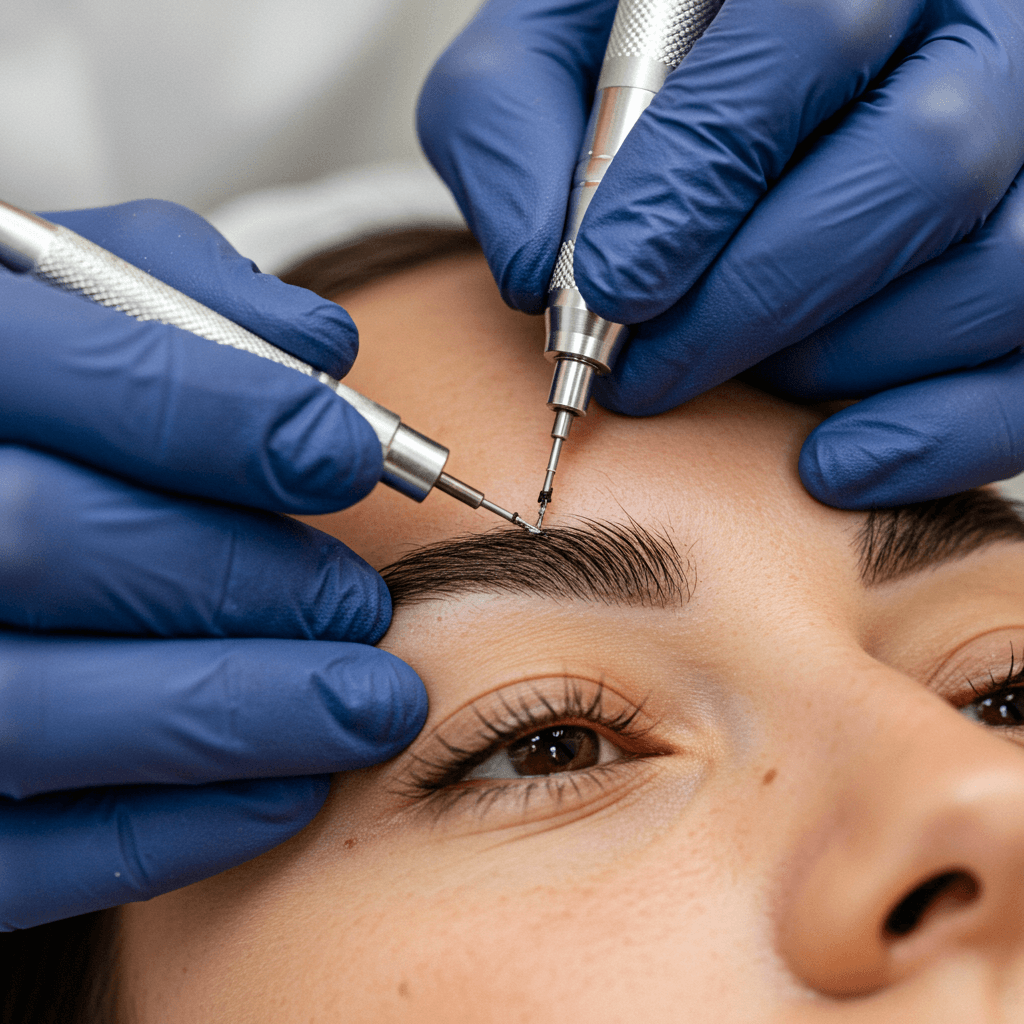
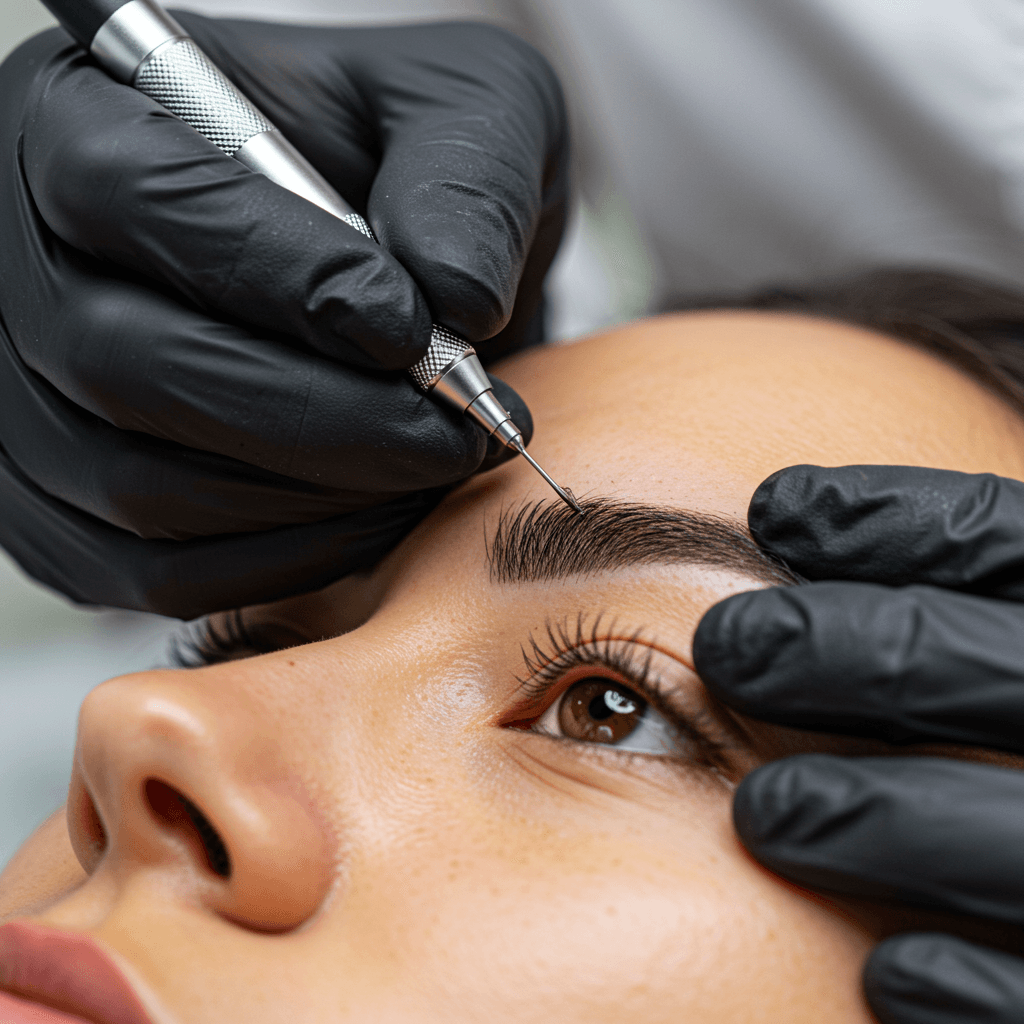
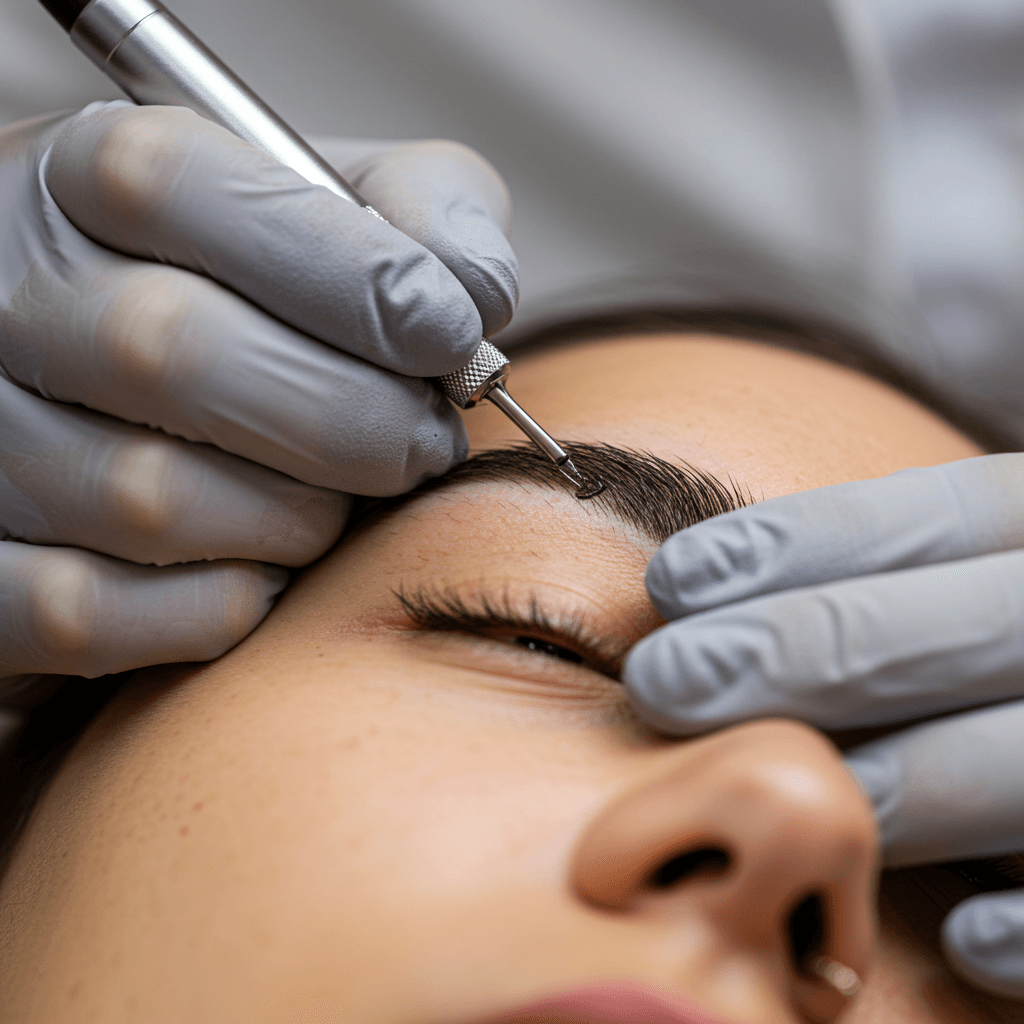
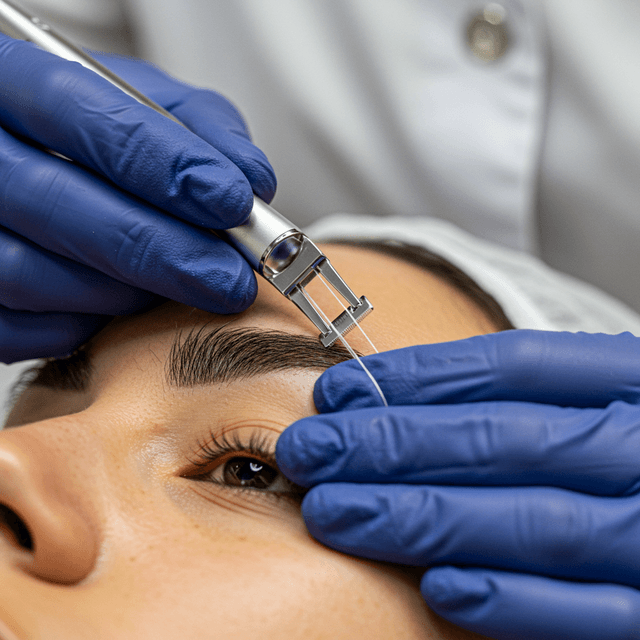
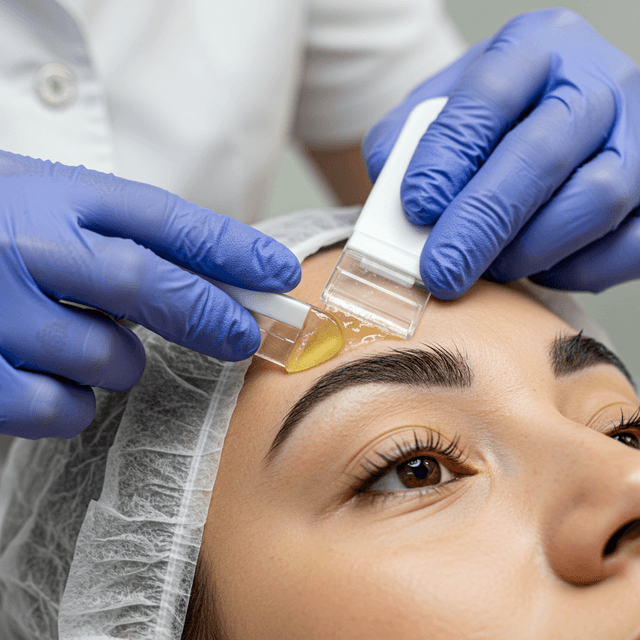
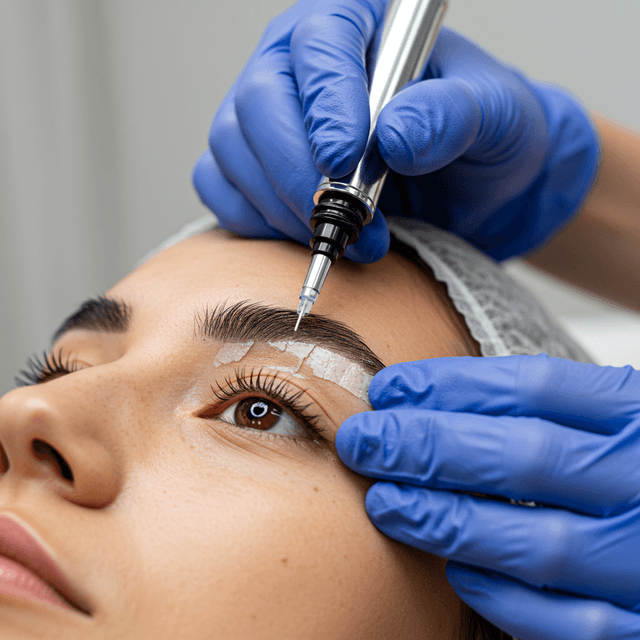
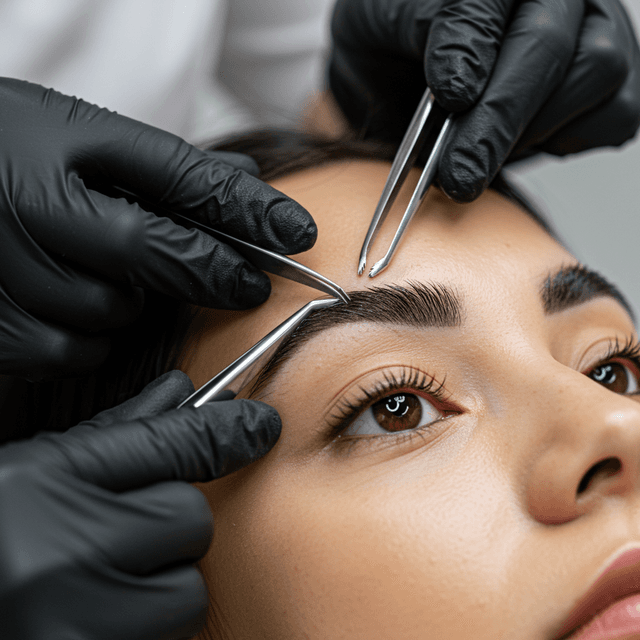
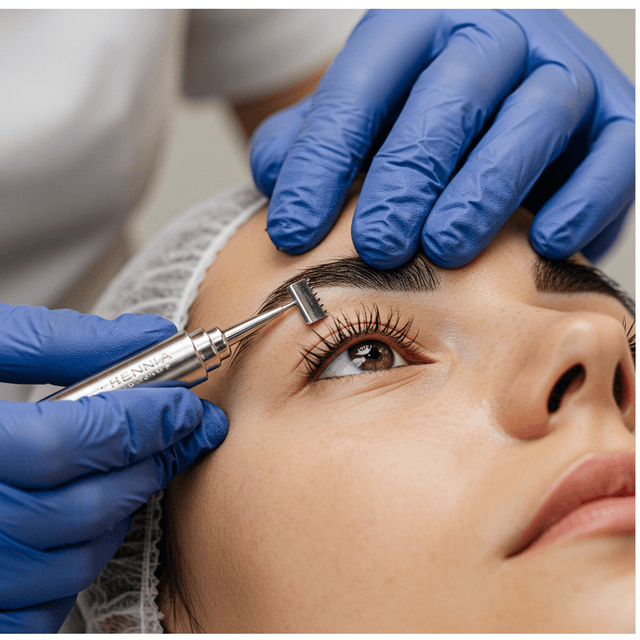
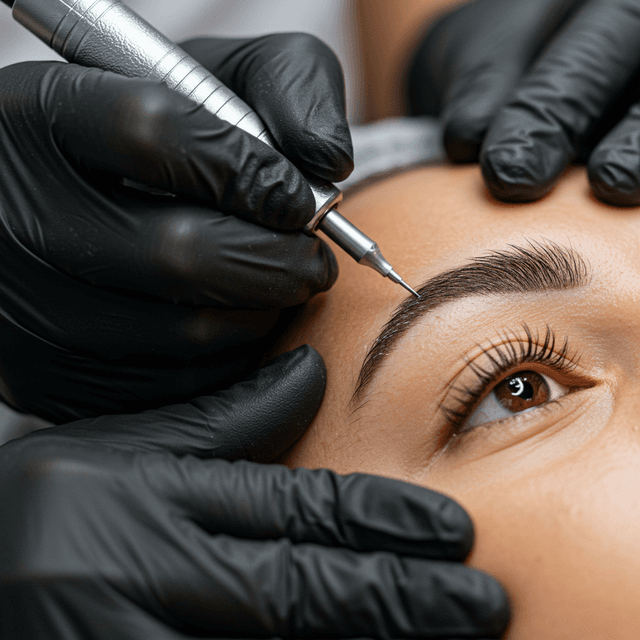
Microblading is a semi-permanent cosmetic procedure used to enhance the appearance of eyebrows. It involves a trained technician using a handheld tool with fine, disposable needles to deposit pigment into the skin, creating hair-like strokes that mimic natural eyebrow hairs. The treatment aims to achieve a fuller, more defined brow shape tailored to the individual's facial features. Typically, a topical numbing cream is applied before the procedure to minimise discomfort, and results can last from one to three years, depending on skin type and care.
 52235 Appointments made
 4767+ clinics to offer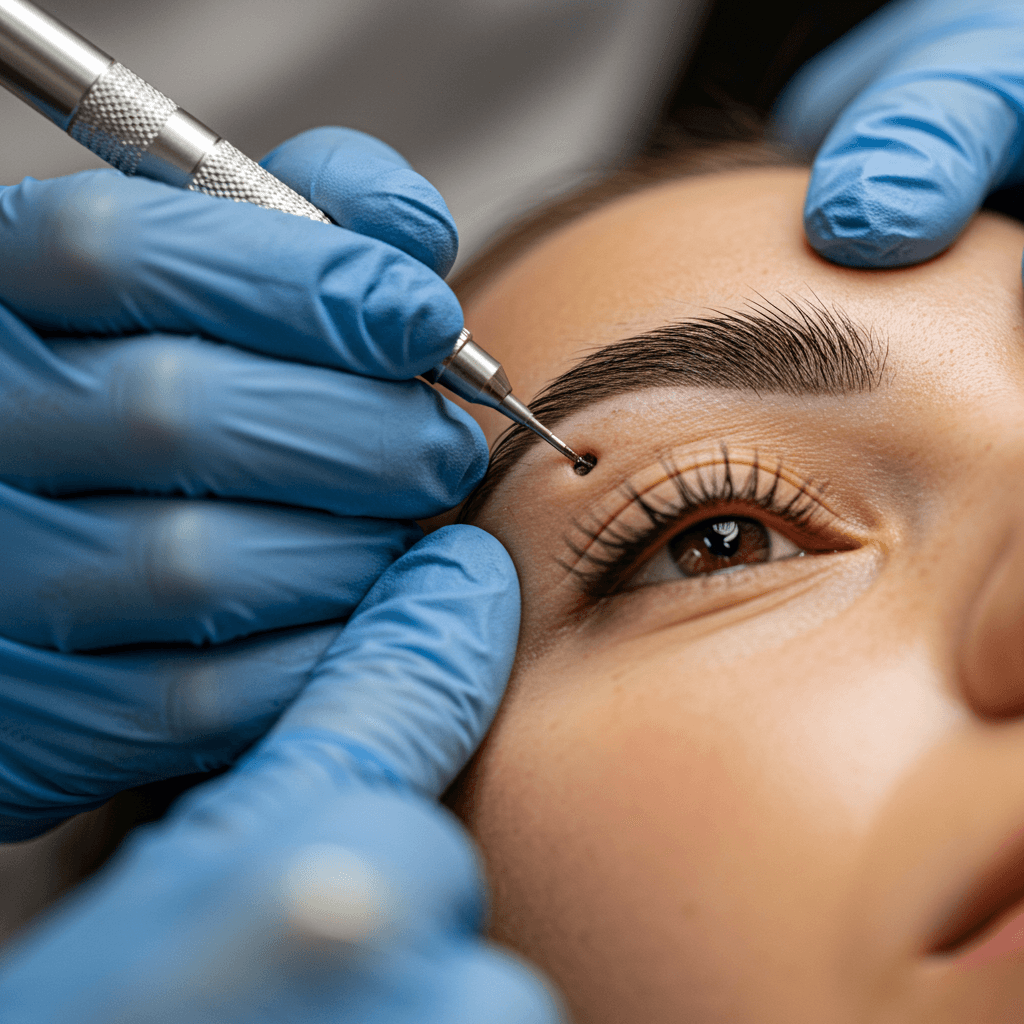
Highlights

Price range

Treatment time

Recovery time

Treatment sessions

Duration of results

Satisfaction rate
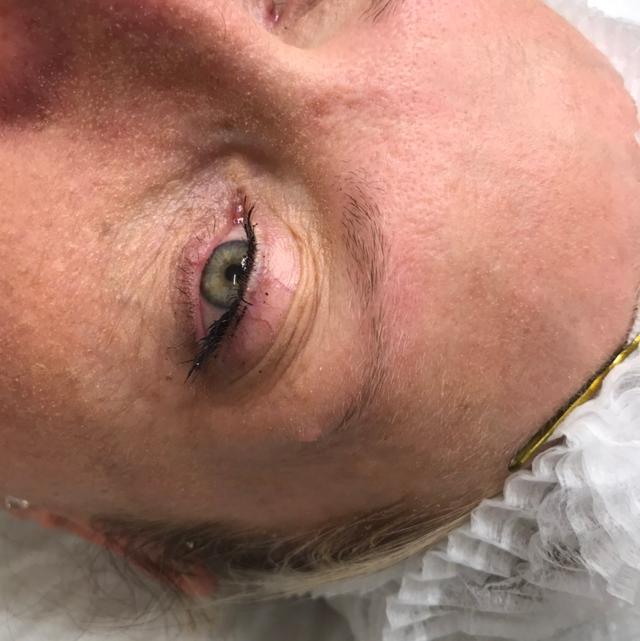
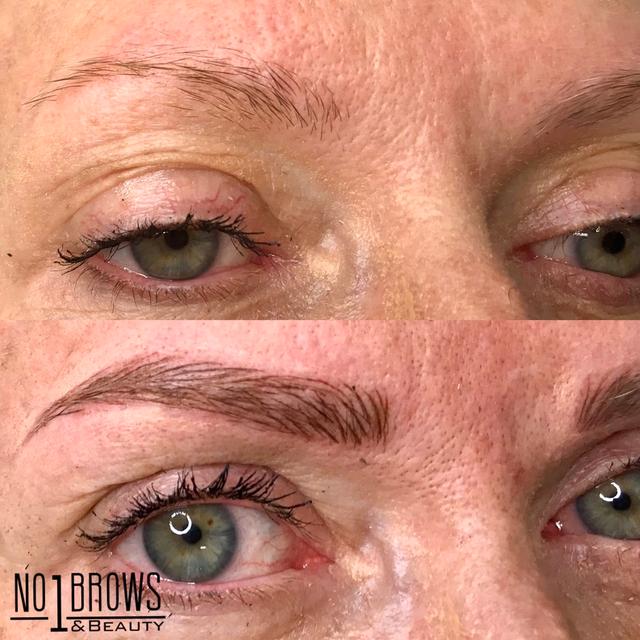
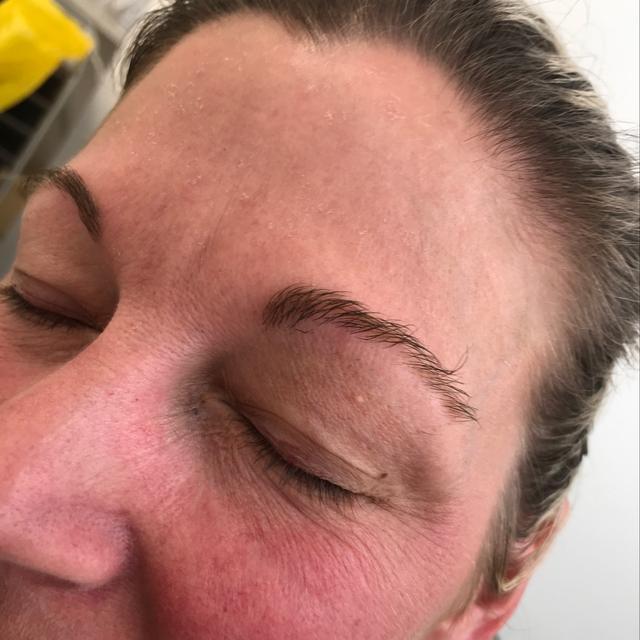
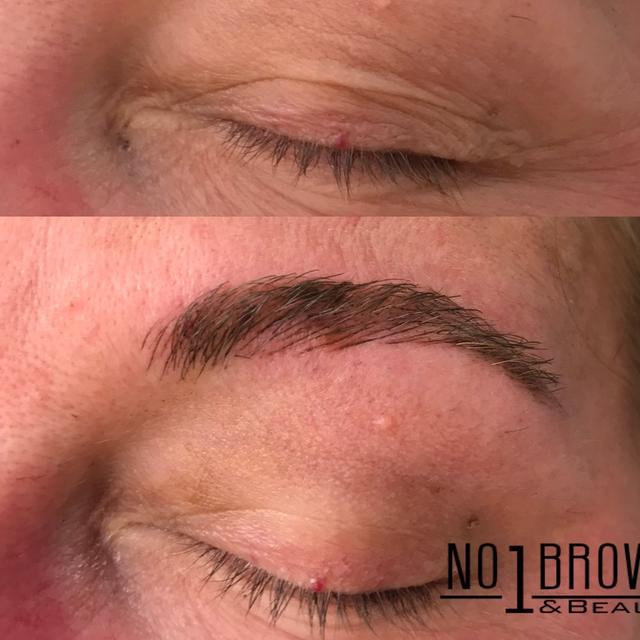
Before / After results
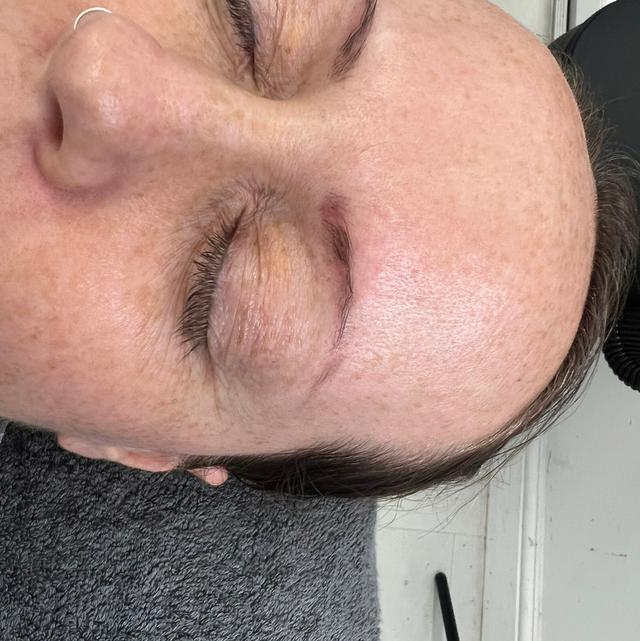
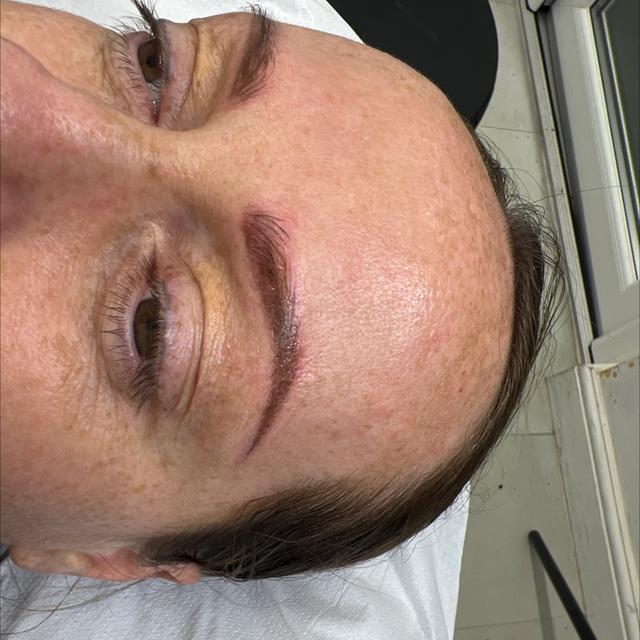
How it works
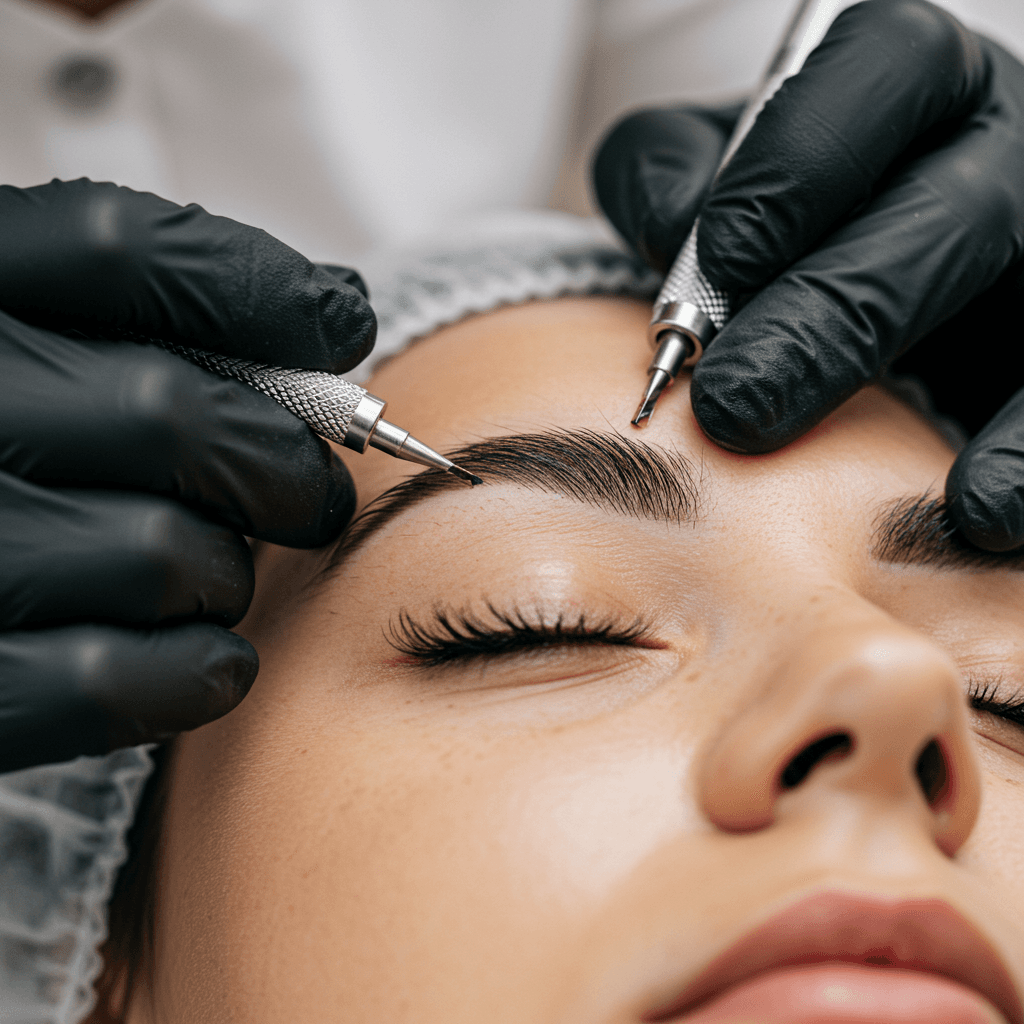
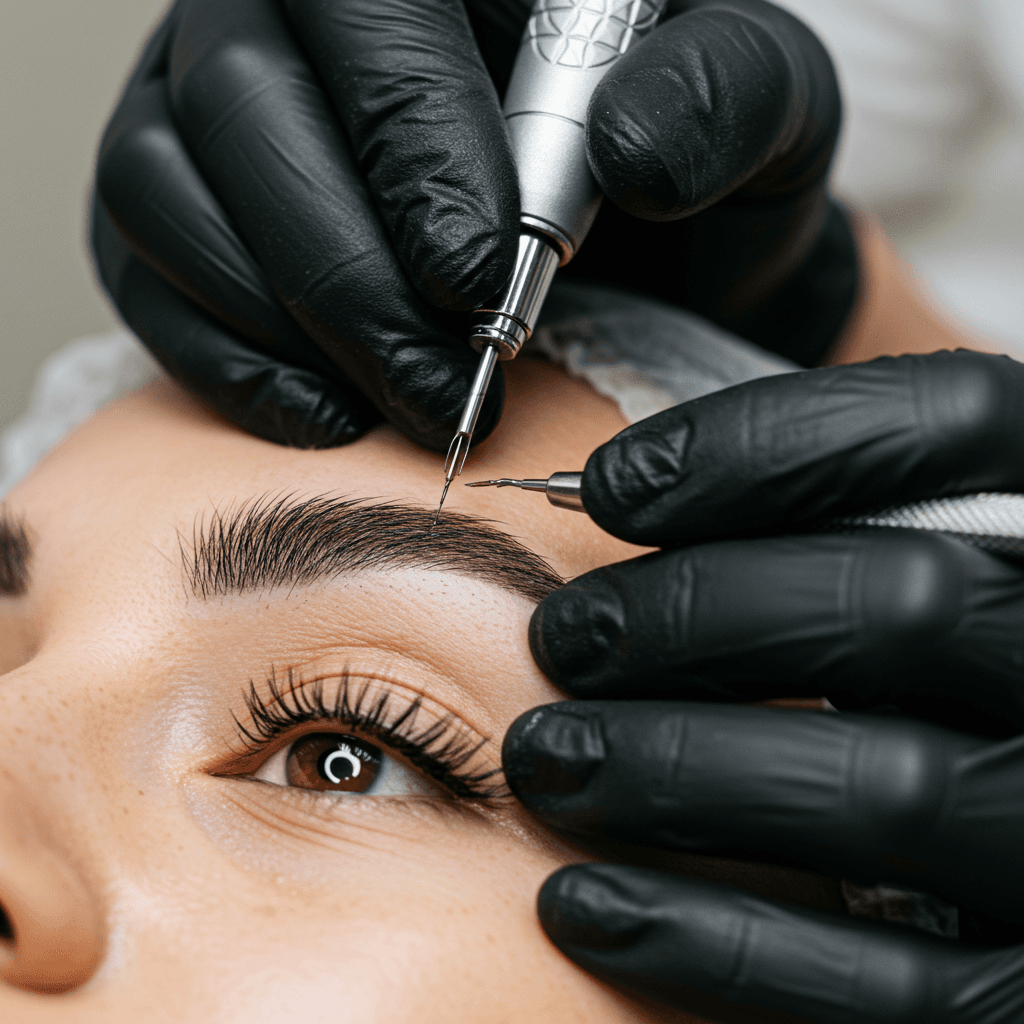
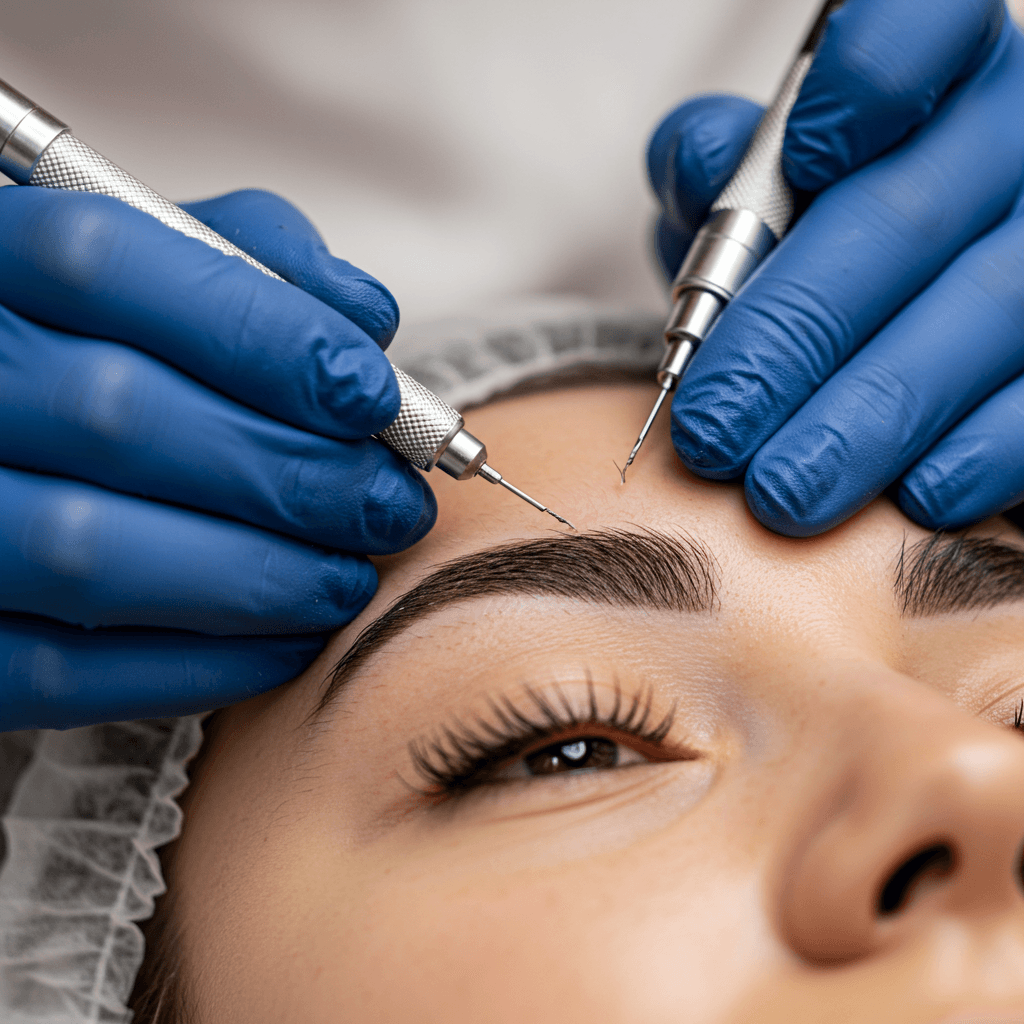
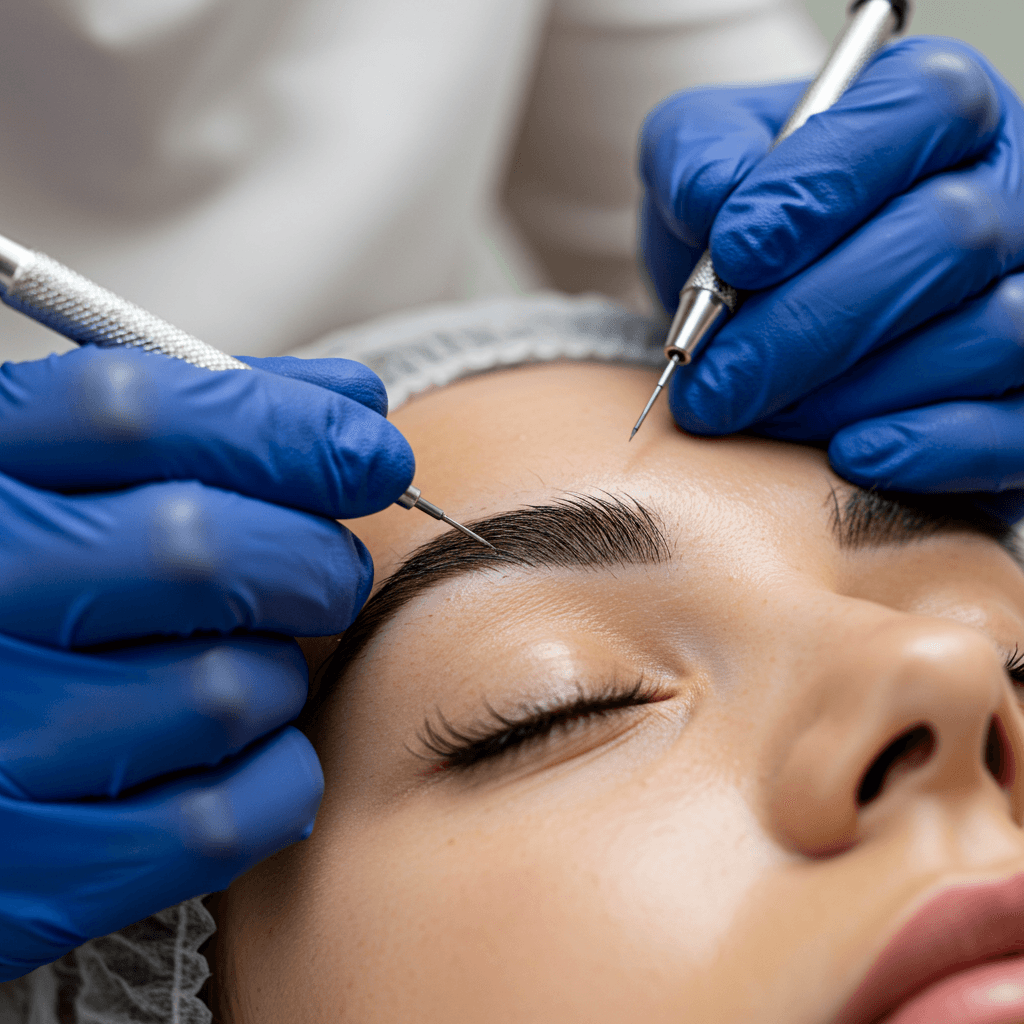
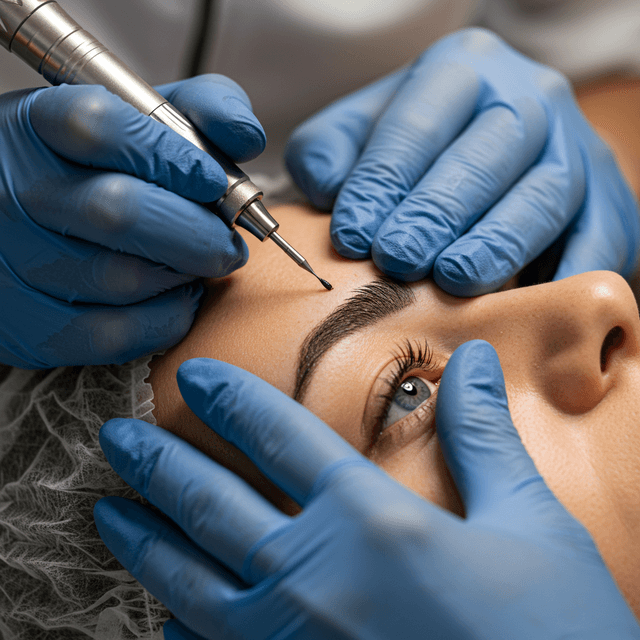
Microblading is a semi-permanent technique that uses a manual tool with fine needles to deposit pigment into the skin, creating hair-like strokes for fuller eyebrows. The purpose is to enhance and define the brow shape. Biocompatible pigments are typically used, ensuring a natural appearance and longevity.


Ideal candidates
A good candidate for microblading typically has sparse or uneven eyebrows, skin that is not prone to excessive oiliness, and is not pregnant or nursing. Ideal candidates are looking for a semi-permanent solution to enhance brow shape and fullness without the hassle of daily makeup application.
Treatment variations
Microblading offers various techniques tailored to specific areas and aesthetic objectives. Your practitioner will assess your individual needs and recommend the ideal approach, considering the treatment area, your desired outcome, and unique facial features. This personalised consultation ensures you achieve the best possible results for your eyebrows.
Important considerations
Microblading treatments can be safe when performed by a qualified professional in a sterile environment. It's crucial to choose a certified technician with experience to minimise risks such as infections or allergic reactions. Prior to your appointment, ensure you discuss any medical conditions and follow pre-treatment precautions, such as avoiding blood thinners. For stunning, long-lasting results, invest in reputable microblading services that prioritise safety and client satisfaction.
The Microblading procedure
Microblading is a non-surgical cosmetic procedure that uses a manual blade to deposit semi-permanent pigment into the skin, creating natural-looking, defined eyebrows.
What it feels like
After microblading, clients often feel a sense of relief and satisfaction, enjoying the natural appearance of their enhanced brows. Any mild discomfort quickly subsides, leaving behind beautifully defined eyebrows that boost confidence and simplify daily beauty routines.
Microblading benefits
01
Enhanced Appearance
Microblading offers an effective way to achieve beautifully defined eyebrows.
02
Time-Saving Solution
Book your microblading session for long-lasting results and daily make-up relief.
03
Professional Application
Performed by trained professionals, ensuring a safe and precise technique for stunning results.
04
Natural Results
Microblading provides an effective method for achieving natural-looking eyebrows.
05
Customisable Design
Enjoy personalised designs tailored to your features, offering a safe and stylish enhancement.
Microblading risks and side effects
Understand potential side effects like swelling, bruising, or asymmetry. Seek prompt care for severe pain, discoloration, or worsening symptoms.
1. Allergic Reactions
Some individuals may experience allergies to the pigments or numbing agents used, leading to redness, itchiness, or swelling around the treated area.
2. Infection
Improper aftercare or unsterilised tools can increase the risk of infection, resulting in painful sores, swelling, or pus, necessitating medical attention.
3. Scarring
If the skin is not properly cared for post-treatment, there’s a risk of scarring, which may lead to permanent changes in the skin's texture.
4. Fading or Discolouration
Microbladed brows can fade faster than expected due to factors like skin type or sun exposure, necessitating touch-ups and affecting overall appearance.
5. Uneven Results
Inexperienced practitioners may lead to asymmetry or unnatural shapes, resulting in a need for corrections or dissatisfaction with the final look.
Recovery process
Recovery timeline
After Microblading, mild swelling and potential bruising may occur, typically subsiding within 1-3 days. It's advisable to avoid strenuous physical activity for a week. Initial healing usually takes 7-14 days, with the final results visible around 4-6 weeks post-treatment, once the colour settles and the skin fully heals.

Aftercare Instructions
- Avoid wetting brows for 7-10 days.
- Do not apply makeup on the treatment area during healing.
- Refrain from sun exposure and tanning beds.
- Avoid picking or scratching the brows.
- Use a healing ointment as instructed.
- Stay away from pools, saunas, and exercise for a week.

Week 1
During the first week after microblading, patients may experience slight swelling and minimal bruising. As the healing progresses, the colour may appear darker initially, then soften and settle into a natural look.

Week 2
In the second week post-Microblading, swelling typically subsides significantly, with the brows appearing more natural. Expect some dryness and flaking as the skin heals, revealing the final shape and colour gradually.

Months 1–6+
In the month following microblading, patients can expect healing and fading of colour, with optimal results visible around six weeks. Over time, the brows may soften but generally maintain shape and colour for up to two years.
Questions about Microblading
All your questions answered.
Microblading results typically last between 1 to 3 years, depending on factors like skin type, lifestyle, and aftercare. Oily skin tends to fade quicker, while those with dry skin may enjoy longer-lasting results. Maintenance treatments, often advised every 6 to 12 months, help refresh and prolong the appearance of your brows, ensuring they remain looking their best.
Microblading usually involves minimal discomfort, often described as a light scratching sensation. Practitioners apply a topical numbing cream to alleviate pain before starting the procedure. Most clients report only mild discomfort during the treatment. Additionally, skilled technicians ensure a calm environment and communicate throughout, helping to enhance the overall comfort of the experience.
Yes, patients can resume normal activities post-Microblading, but expect some downtime of 7 to 10 days. Temporary side effects may include slight redness, swelling, or scabbing. It’s advisable to avoid makeup on the brow area for at least a week to ensure proper healing. Always follow your technician's aftercare advice for the best results.
Good candidates for microblading are those with sparse or thinning eyebrows seeking a fuller look. However, contraindications include pregnancy, certain skin conditions, and medications like blood thinners. A consultation with a qualified practitioner is crucial to assess individual suitability, discuss expectations, and ensure safety, ensuring the best results tailored to your needs.
 We’re an MHRA licensed broker.
All-in-one platform for aesthetic clinics. Manage bookings and digital consent easily. Reduce paperwork and save time. Secure client data and records. Built for modern practitioners.


Get in touch







.1f395bec.png&w=32&q=75) 6640+ clinics
6640+ clinics


 5 (69)
 46.14m