Find Leg Wax near me
Book the best Leg Wax online in seconds. Read reviews and compare the top rated Leg Wax near you on Faces.
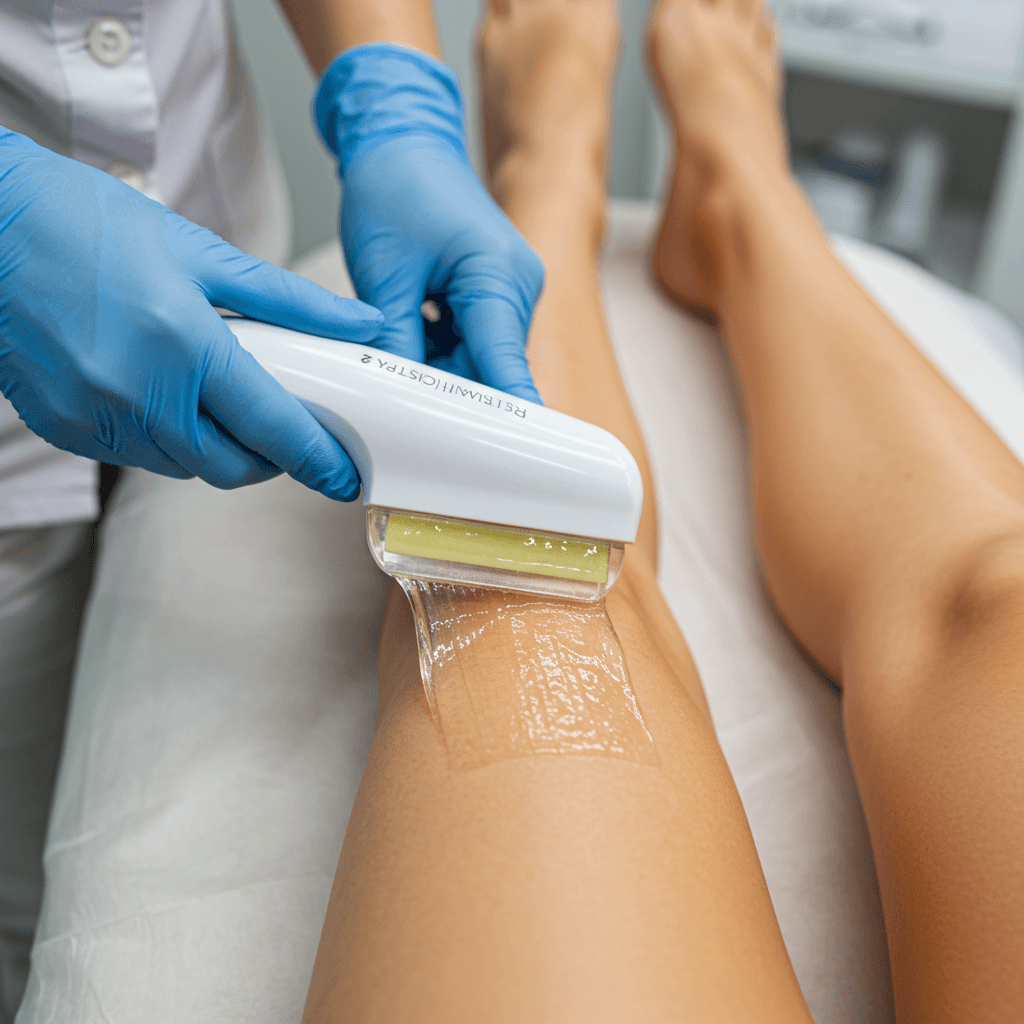
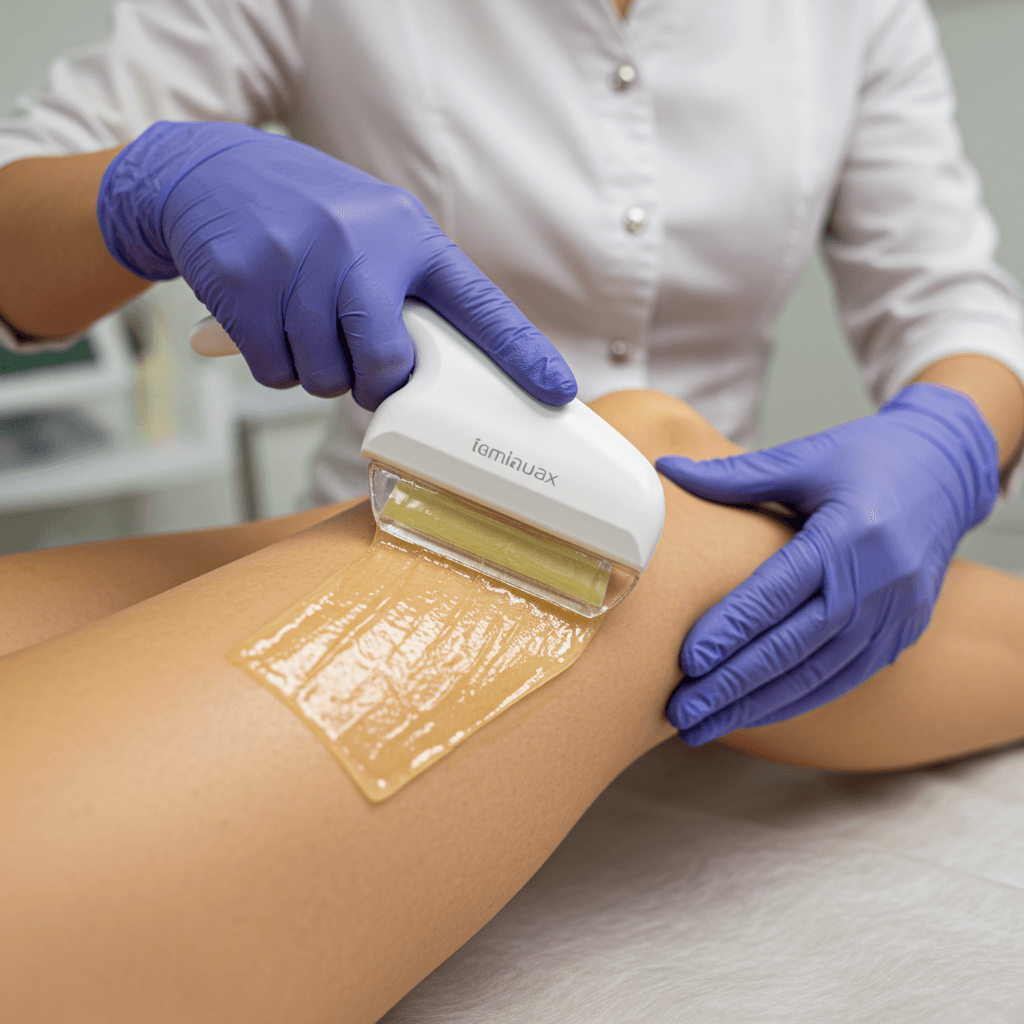
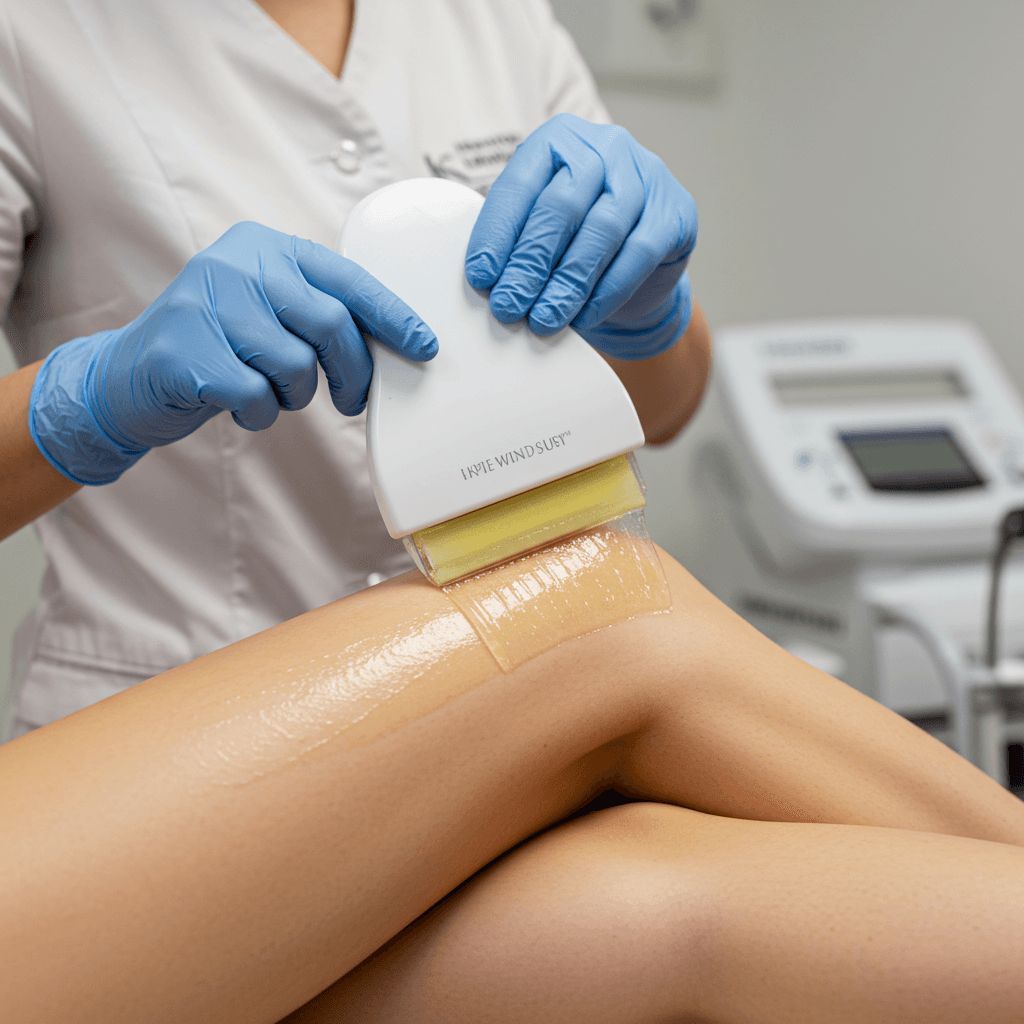
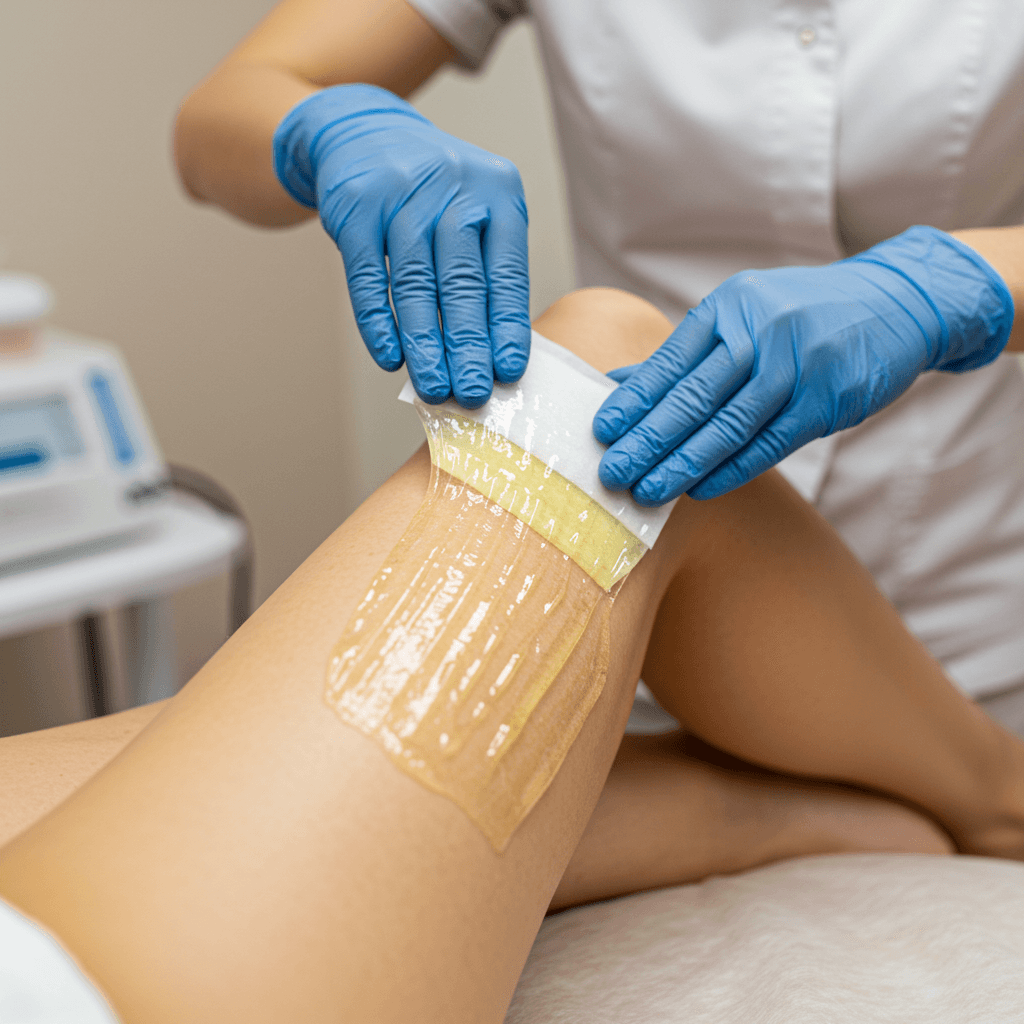
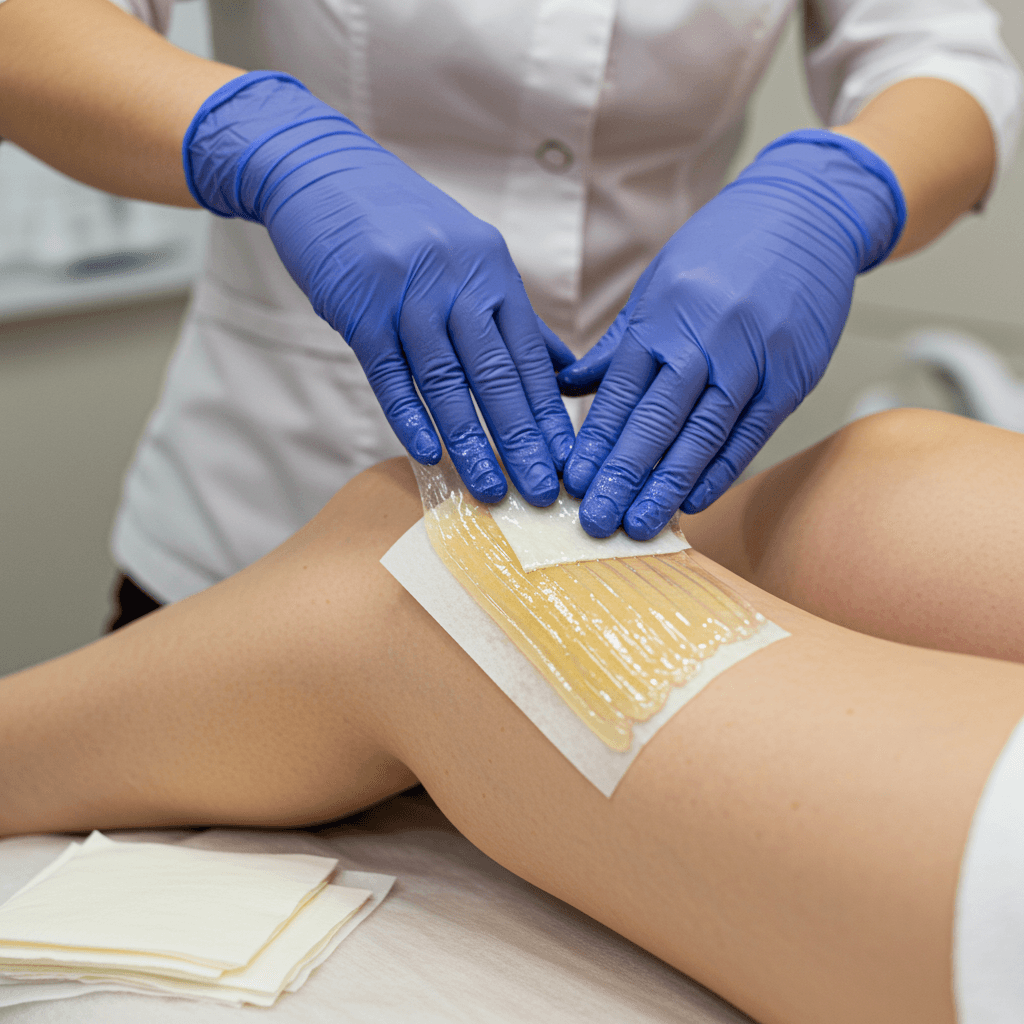
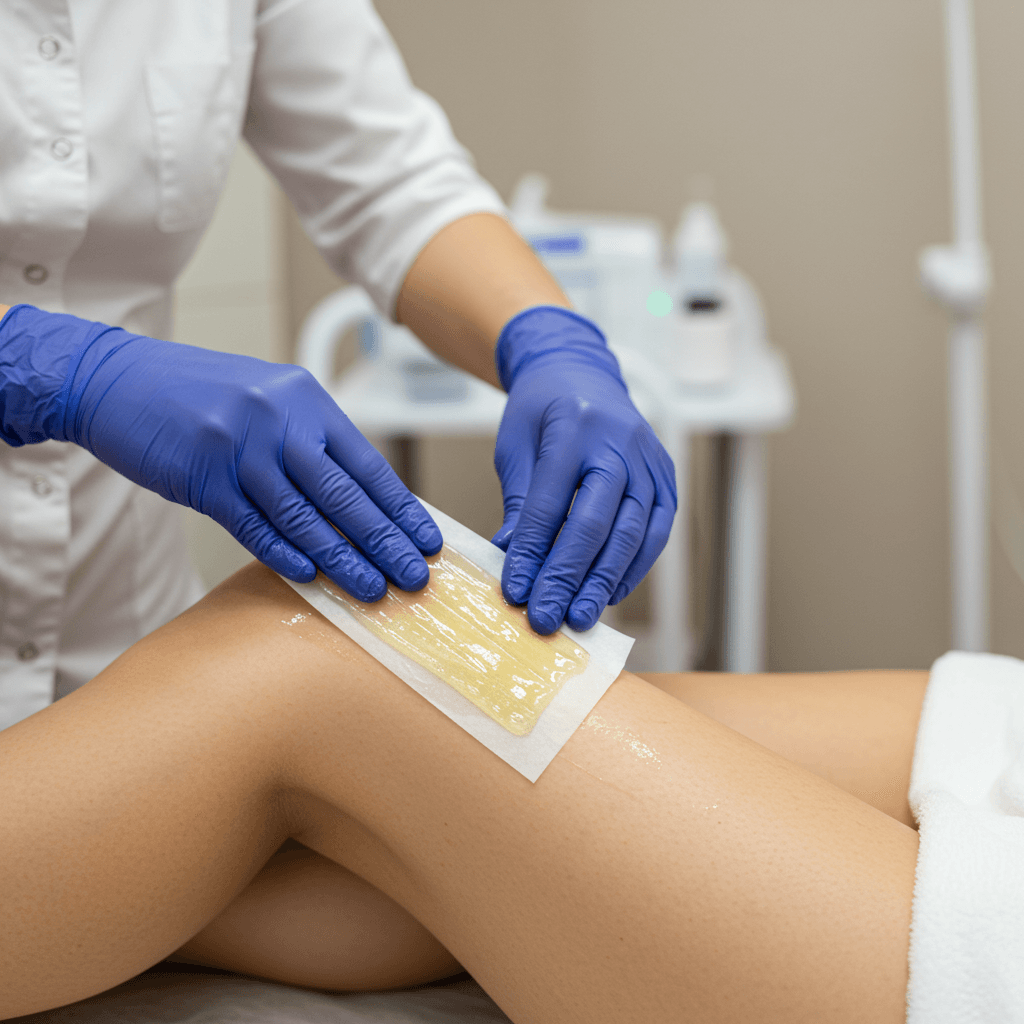
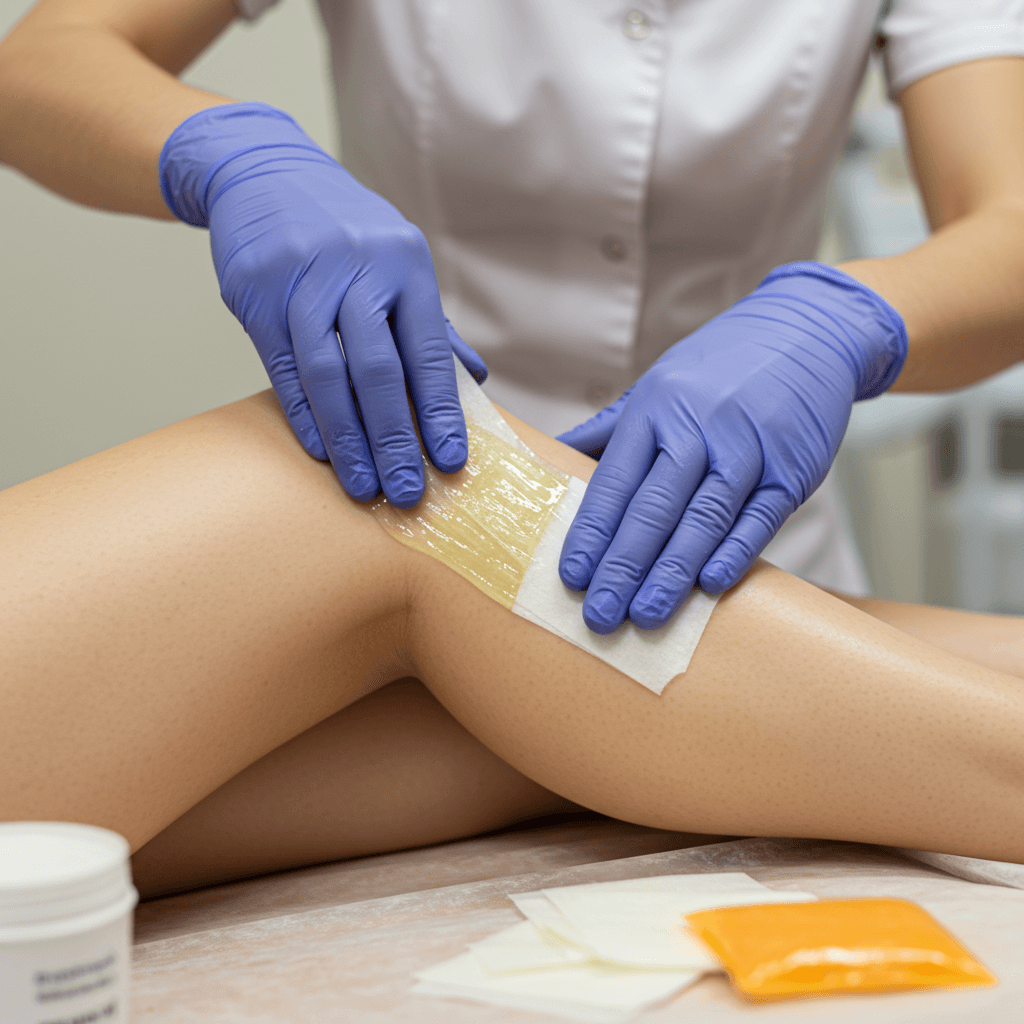
Leg waxing is a popular hair removal treatment that involves applying warm wax to the skin, which, once cooled slightly, adheres to unwanted hair. A cloth or paper strip is then pressed onto the wax and quickly removed, pulling the hair out from the root. This method provides longer-lasting results compared to shaving, as it takes several weeks for hair to regrow. Typically, various wax types, including soft and hard wax, may be used, often combined with soothing ingredients to minimise irritation.
 5003 Appointments made
 2559+ clinics to offer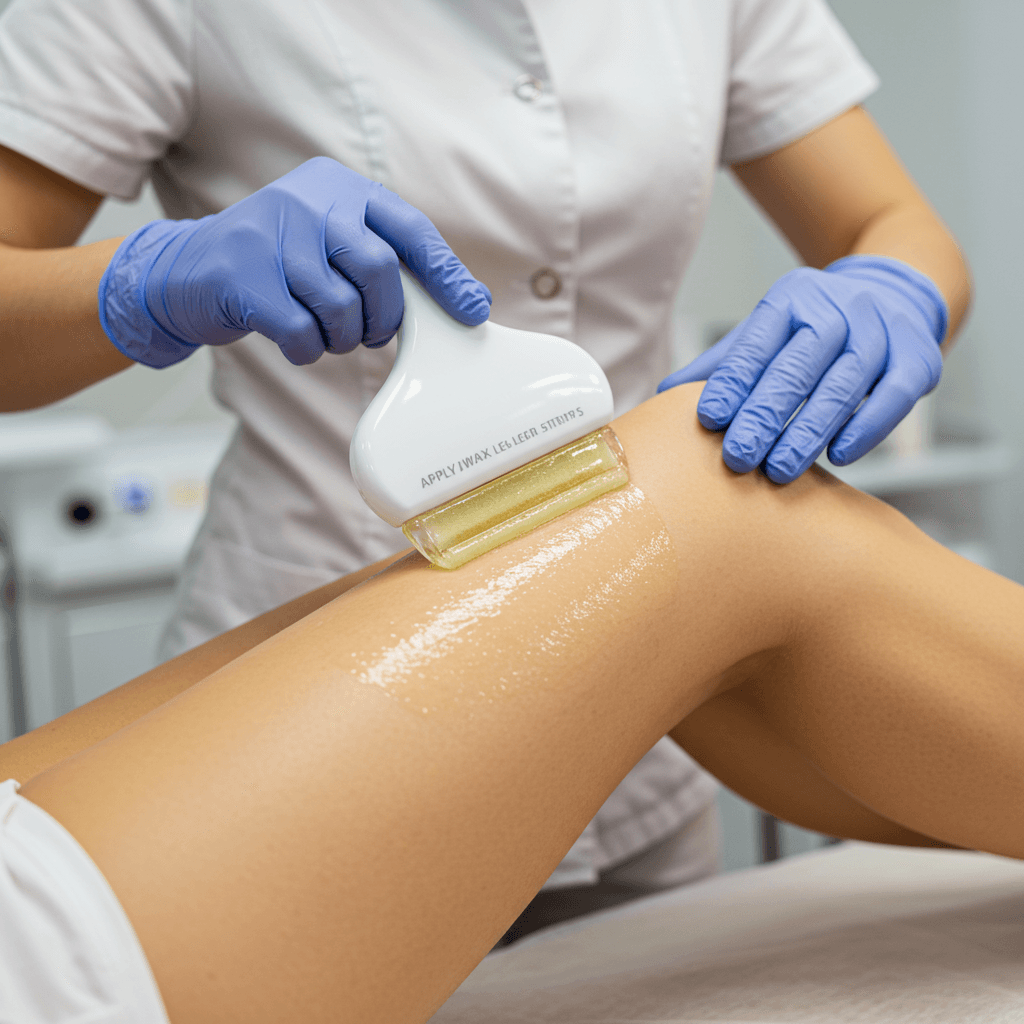
Highlights

Price range

Treatment time

Recovery time

Treatment sessions

Duration of results

Satisfaction rate
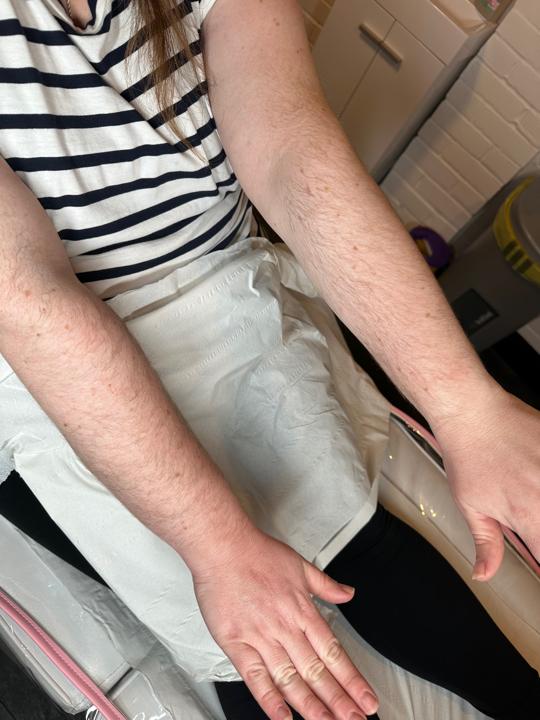
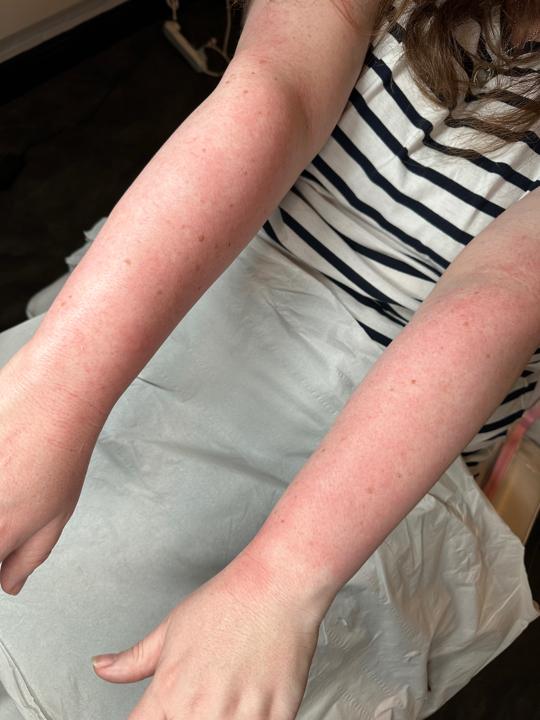
Before / After results


How it works
Leg wax works by applying a warm wax to the skin, which adheres to hair. Once it cools, a cloth strip is pressed on and quickly pulled away, removing the hair from the root. This method offers longer-lasting results than shaving, using materials like beeswax or synthetic wax blends.


Ideal candidates
A good candidate for leg wax treatment typically has fine to medium hair and healthy skin. Individuals seeking long-lasting hair removal, smooth skin, and reduced regrowth are ideal. Concerns such as unwanted hair and skin irritation from shaving can be effectively addressed through this method, providing a comfortable alternative.
Treatment variations
Various leg wax types cater to specific areas and aesthetic preferences. Your practitioner will assess your needs and recommend the best option tailored to the treatment area, your desired outcome, and your individual anatomy. This personalised approach ensures optimal results and a comfortable waxing experience.
Important considerations
Leg wax treatments can be safe when performed by a qualified professional in a clean environment. It's crucial to consult a practitioner to assess skin sensitivity and discuss any allergies. Prior to your appointment, avoid sun exposure and exfoliating treatments to minimise irritation. Ensure the salon uses high-quality products to guarantee a smooth finish. For the best results and optimal safety, always choose a reputable salon offering leg waxing services.
The Leg Wax procedure
Leg wax is a non-surgical hair removal technique using warm wax to effectively eliminate unwanted body hair, resulting in smooth, hair-free skin.
What it feels like
After a leg wax treatment, patients often experience silky-smooth skin and a sense of freshness. The skin may feel slightly warm initially, but any discomfort quickly subsides, leaving you feeling fabulous and confident in your newly polished appearance.
Leg Wax benefits
01
Effective Results
Enjoy long-lasting smoothness with professional leg wax treatments.
02
Safe Process
Leg waxing is a safe method for hair removal, minimising skin irritation.
03
Time-Saving
Book an appointment for quick and efficient hair removal compared to shaving.
04
Reduced Hair Growth
Regular waxing leads to finer hair regrowth, providing lasting relief from stubble.
05
Expert Technique
Professional aestheticians ensure a comfortable experience, delivering consistent and effective results.
Leg Wax risks and side effects
Understand potential side effects like swelling, bruising, or asymmetry. Seek prompt care for severe pain, discoloration, or worsening symptoms.
1. Skin Irritation
Redness, itching, or a burning sensation may occur post-waxing, often resolving quickly. However, sensitive skin may require soothing products for relief.
2. Ingrown Hairs
Hair may grow back underneath the skin, leading to painful bumps and inflammation. Regular exfoliation can help prevent this issue.
3. Allergic Reactions
Some individuals may experience allergic reactions to wax ingredients, resulting in hives or swelling. A patch test prior to treatment can minimise this risk.
4. Skin Discolouration
Waxing may cause temporary darkening or lightening of the skin, particularly in those with darker skin tones. This usually fades over time, but can be distressing.
5. Infection
Although rare, direct trauma to the skin can lead to infections if not properly cared for. Keeping the area clean and avoiding tight clothing post-treatment reduces this risk.
Recovery process
Recovery timeline
After a leg wax treatment, mild swelling or redness may occur, typically subsiding within a few hours to a day. Bruising is uncommon but can happen. Light physical activity is usually fine, but avoid intense workouts for 24 hours. Final results are visible within a week as skin settles and any irritation resolves.

Aftercare Instructions
- Avoid hot showers, saunas, and steam for 24 hours post-waxing.
- Refrain from tight clothing to prevent irritation.
- Do not apply perfumed products or lotions for 48 hours.
- Exfoliate gently after 3 days to prevent ingrown hairs.
- Moisturize daily to keep skin hydrated.
- Stay out of direct sun exposure for a few days.

Week 1
During the first week post-leg wax, patients may experience mild swelling and occasional bruising, which typically resolves quickly. Results improve as skin calms, leading to smoother legs and reduced irritation by the week's end.

Week 2
In the second week post-leg waxing, any initial swelling should significantly reduce, revealing smoother skin. Results appear more refined as hair regrowth starts, typically feeling softer and thinner compared to pre-treatment.

Months 1–6+
Following leg wax treatment, patients may experience smoother skin for 3-6 weeks, with optimal results becoming apparent after 2-3 weeks. Over time, regrowth may become finer and sparser with consistent waxing.
Questions about Leg Wax
All your questions answered.
Leg wax results typically last between three to six weeks, depending on individual hair growth cycles. Factors such as hair thickness, hormonal changes, and aftercare can influence longevity. Regular maintenance treatments every four to six weeks help maintain smoothness and can lead to finer hair regrowth over time, enhancing the overall effectiveness of waxing.
Leg waxing can cause mild to moderate discomfort, often described as a quick sting. Practitioners use techniques such as applying a numbing cream or ensuring the wax is at the right temperature to minimise pain. Regular clients often report less discomfort over time. Deep breaths and relaxation can also help, making the experience more manageable and comfortable.
After a leg wax treatment, most patients can resume normal activities immediately. Typical downtime is minimal, though some may experience temporary redness or sensitivity. These effects usually subside within a few hours. It's advisable to avoid applying makeup or heavy lotions on the waxed area until any irritation has resolved, usually within 24 hours.
Good candidates for leg wax treatments are generally those without skin sensitivities or conditions like eczema or psoriasis. Pregnant individuals or those on certain medications may experience contraindications. A thorough consultation with a qualified practitioner is essential to assess skin type, discuss allergies, and ensure the treatment is safe and suitable for you.
 We’re an MHRA licensed broker.
All-in-one platform for aesthetic clinics. Manage bookings and digital consent easily. Reduce paperwork and save time. Secure client data and records. Built for modern practitioners.


Get in touch







.1f395bec.png&w=32&q=75) 67+ clinics
67+ clinics




 5 (69)
 46.14m