Find Laser Tattoo Removal near me
Book the best Laser Tattoo Removal online in seconds. Read reviews and compare the top rated Laser Tattoo Removal near you on Faces.
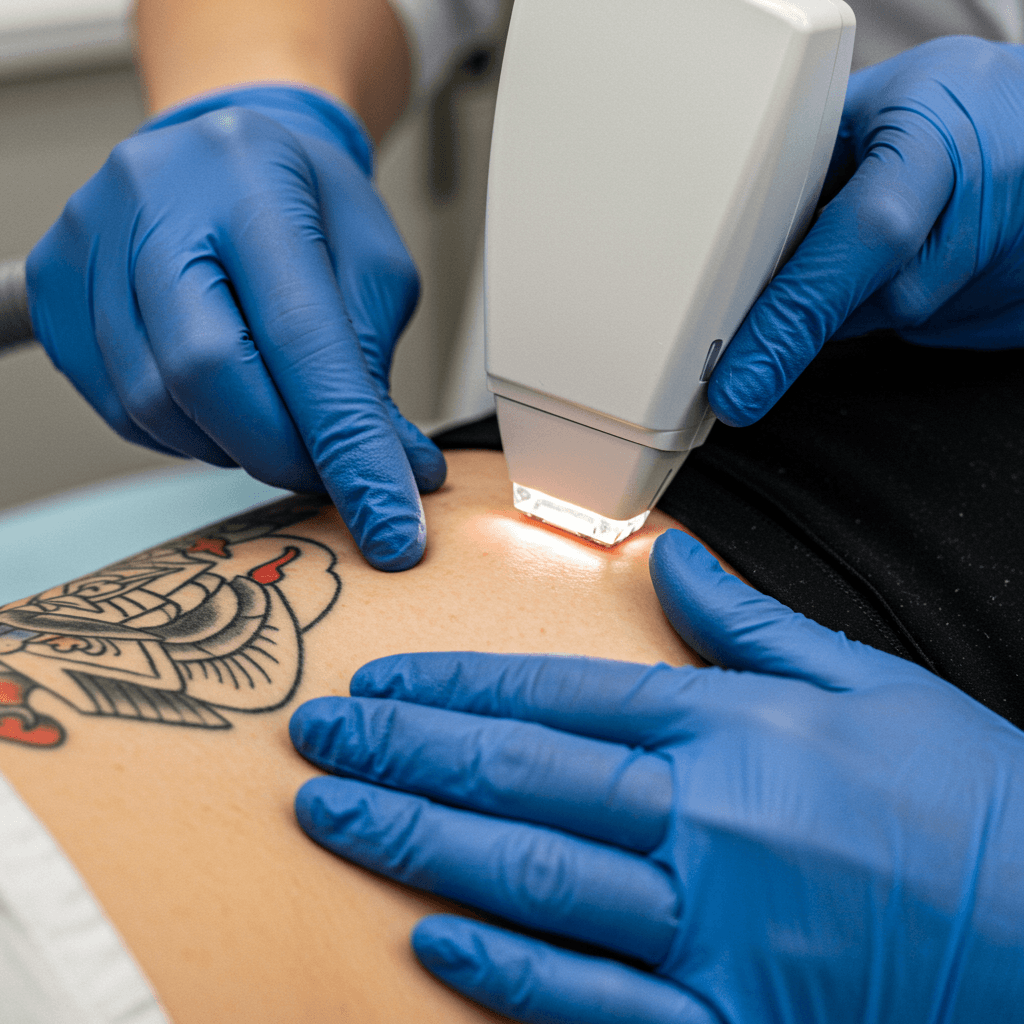
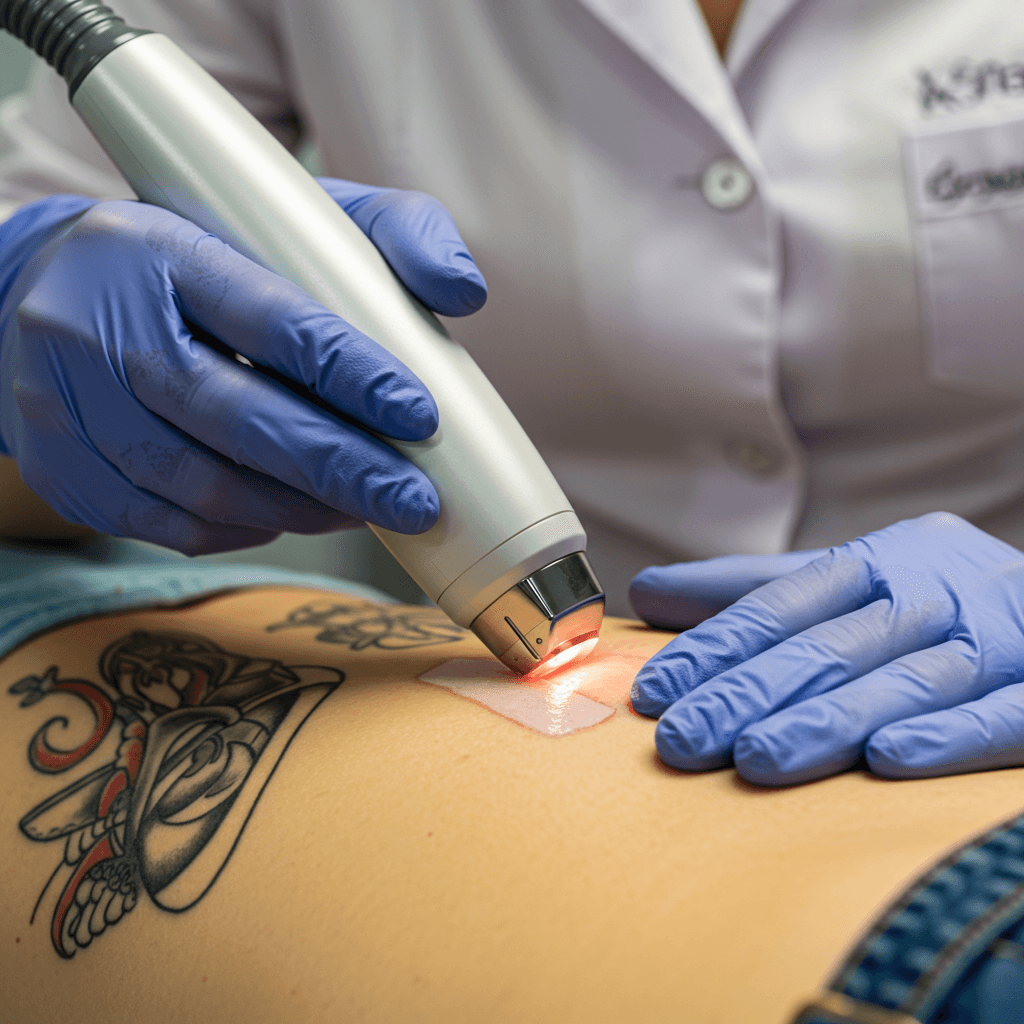
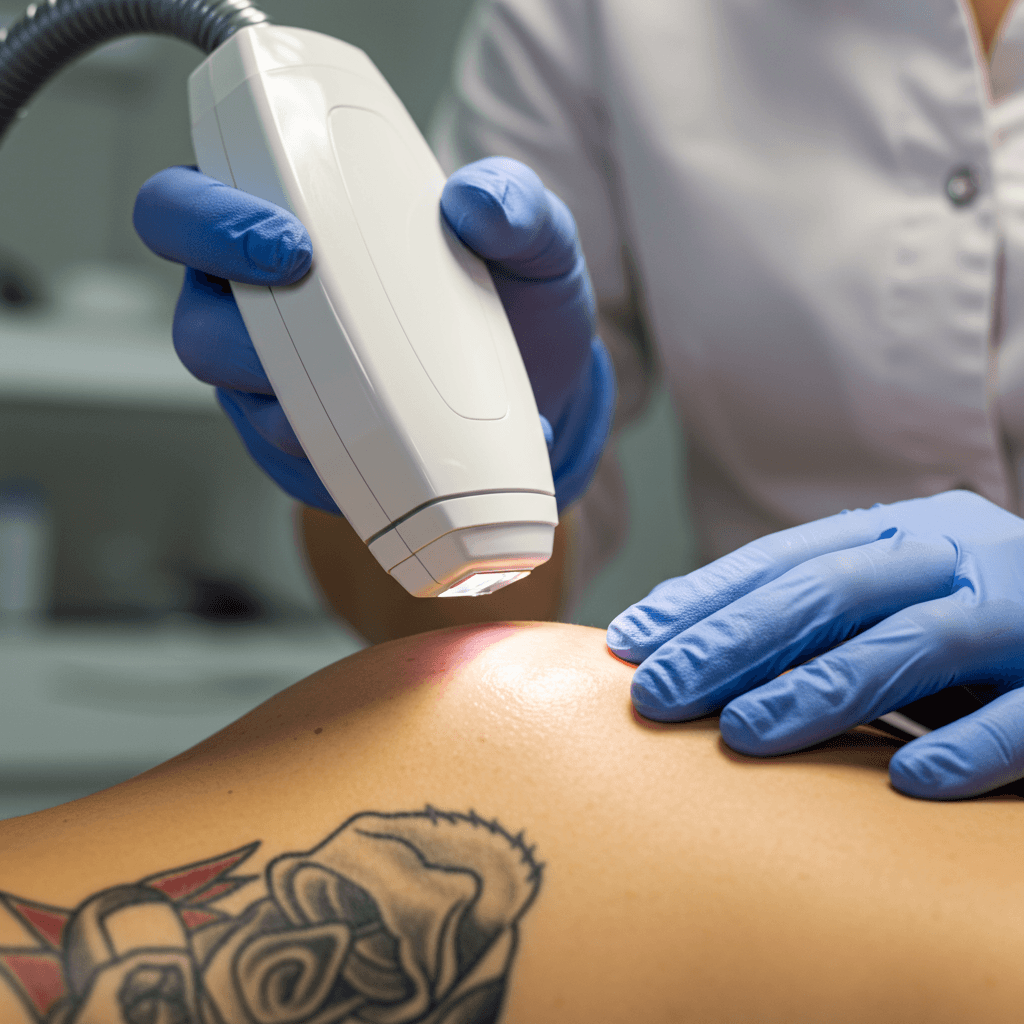
Laser tattoo removal is a widely used method for diminishing or completely eliminating unwanted tattoos. The procedure involves the application of concentrated light beams that target the ink particles in the skin, fragmenting them into smaller pieces. This allows the body's immune system to gradually absorb and eliminate the ink. Sessions typically vary in length and number depending on the tattoo's size, colour, and age. Proper aftercare is essential to ensure optimal healing and prevent complications.
 16383 Appointments made
 1248+ clinics to offer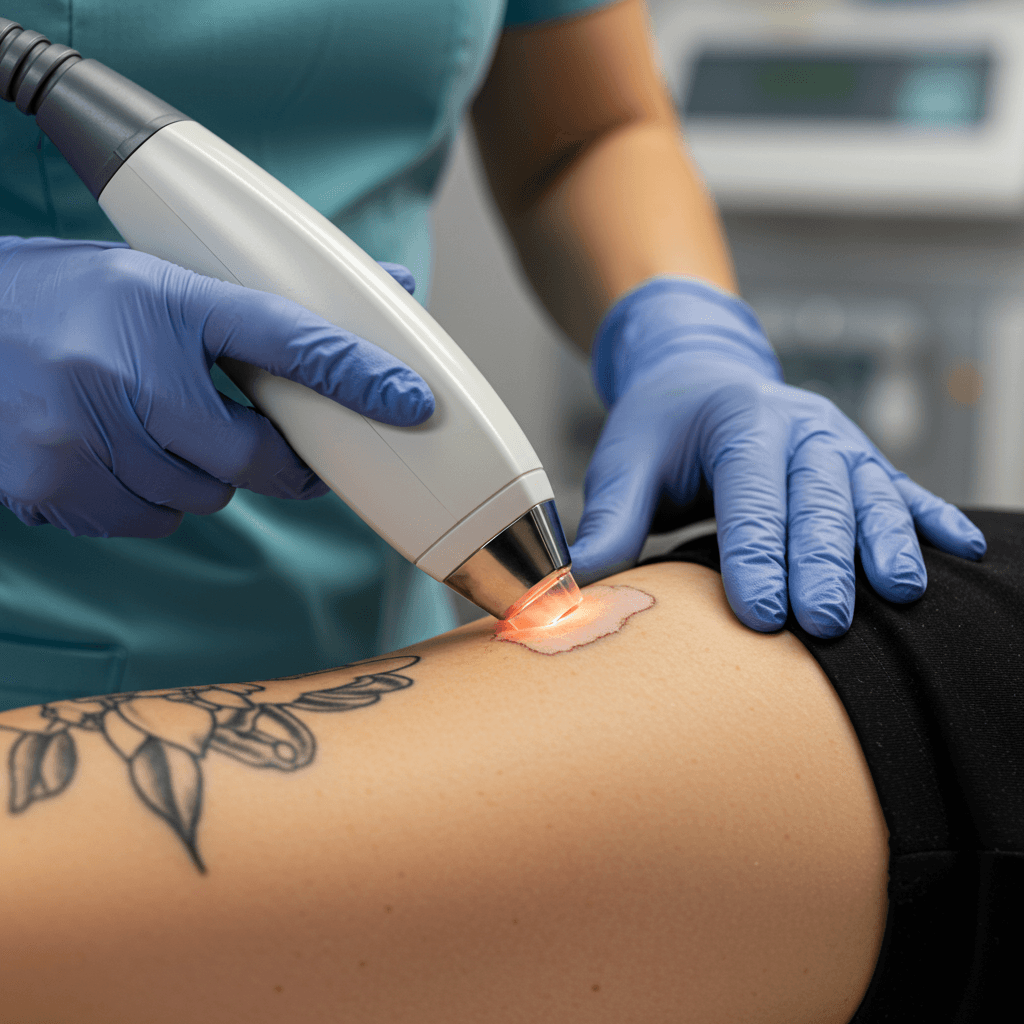
Highlights

Price range

Treatment time

Recovery time

Treatment sessions

Duration of results

Satisfaction rate
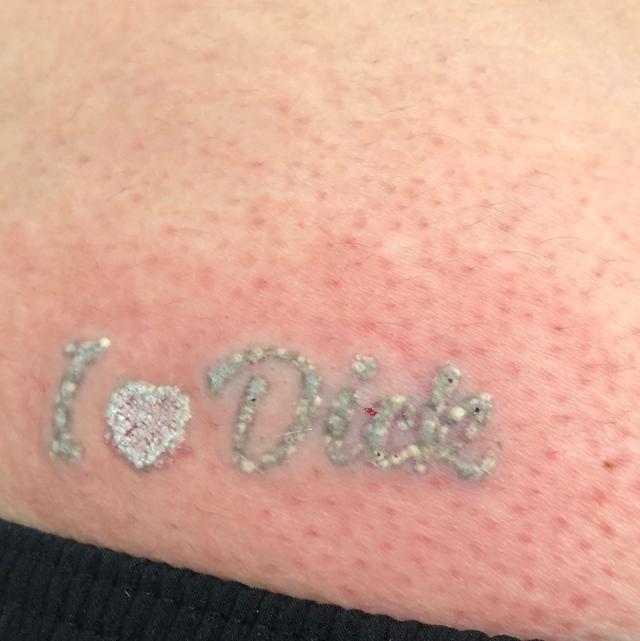
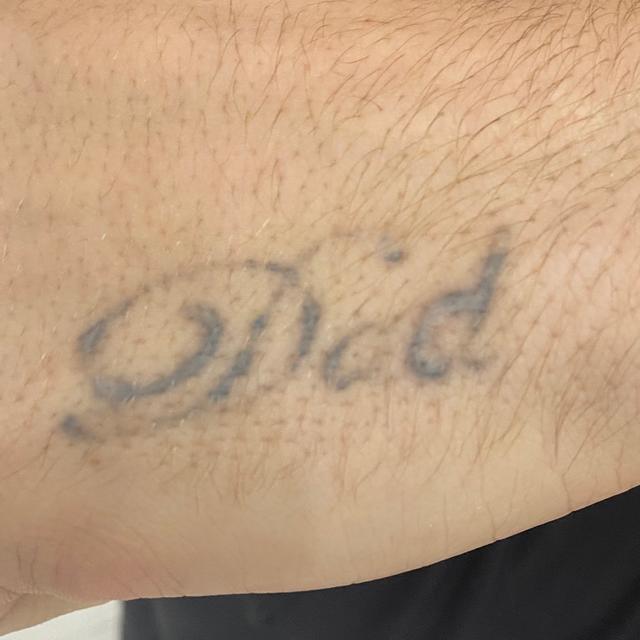
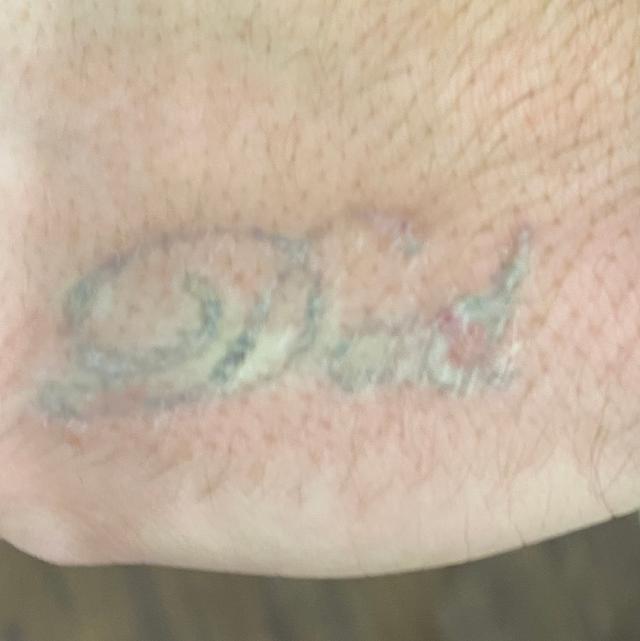
Before / After results
How it works
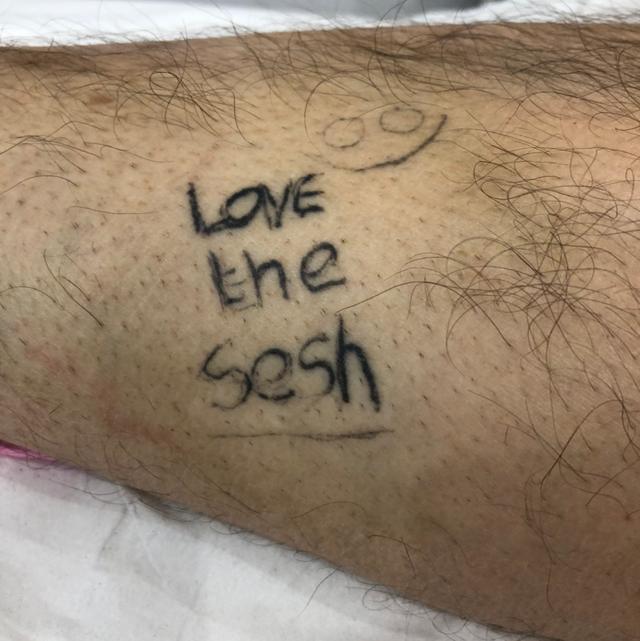
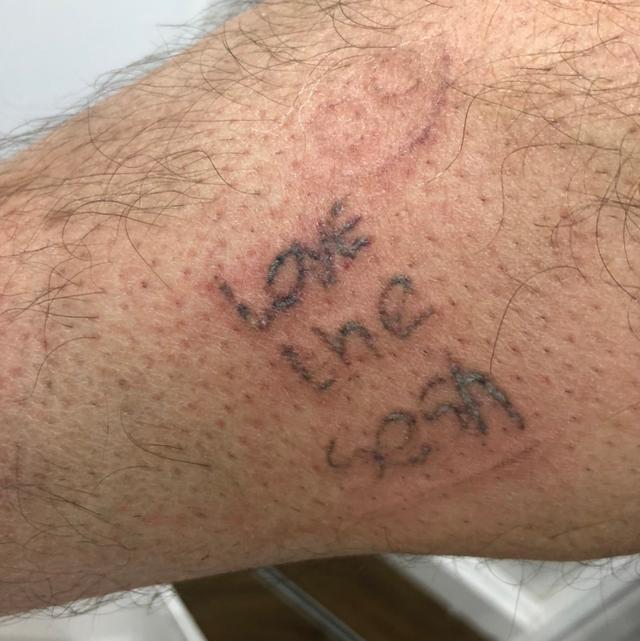
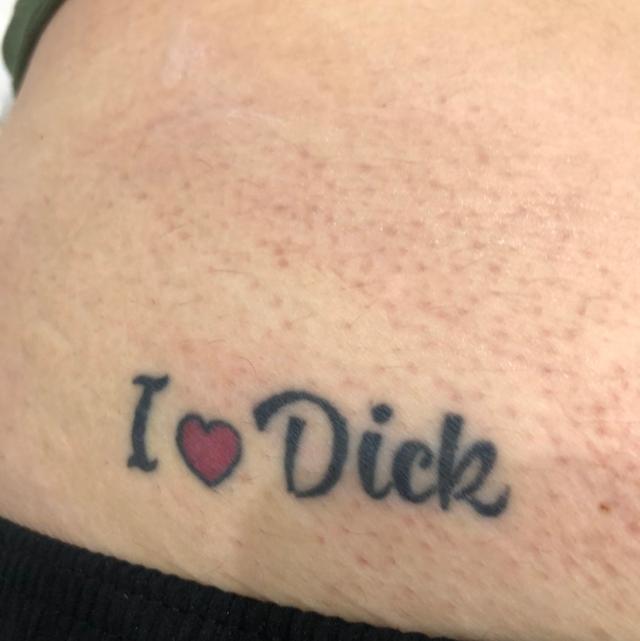
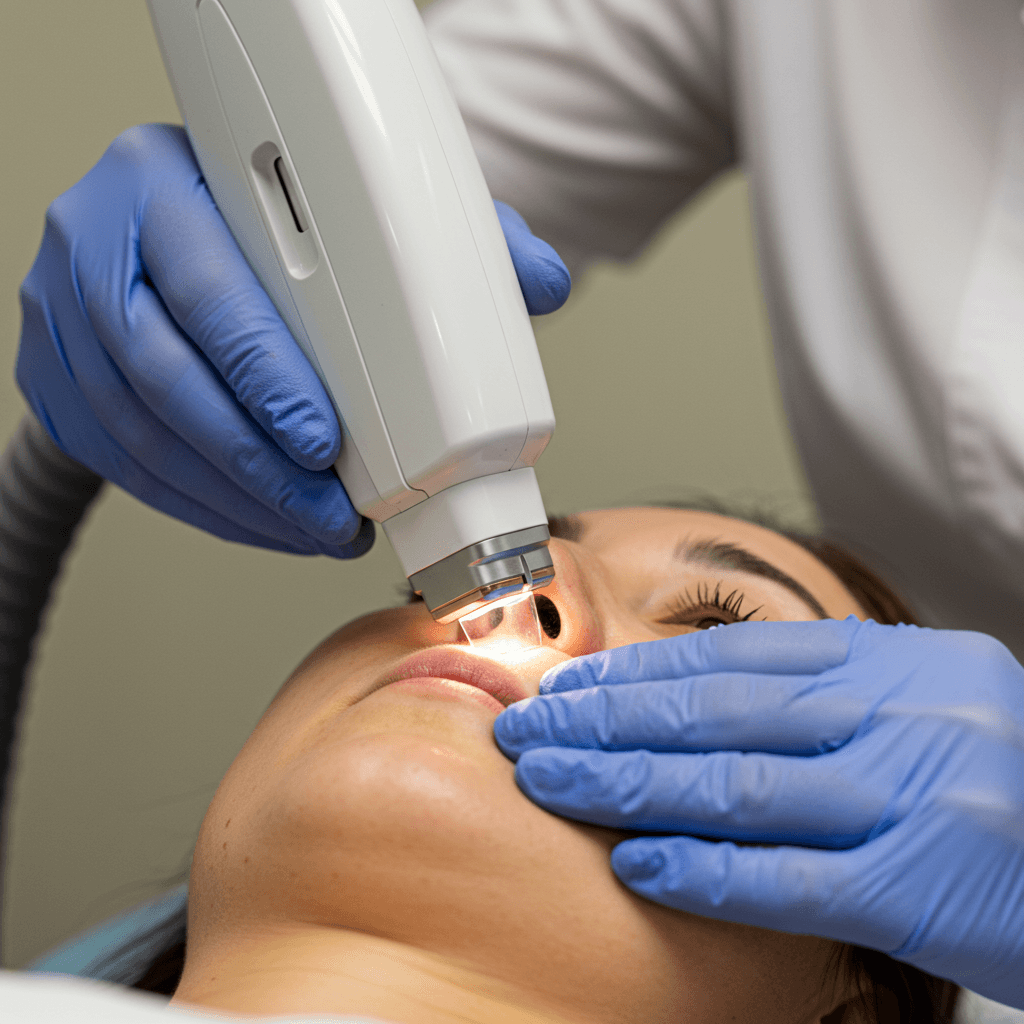
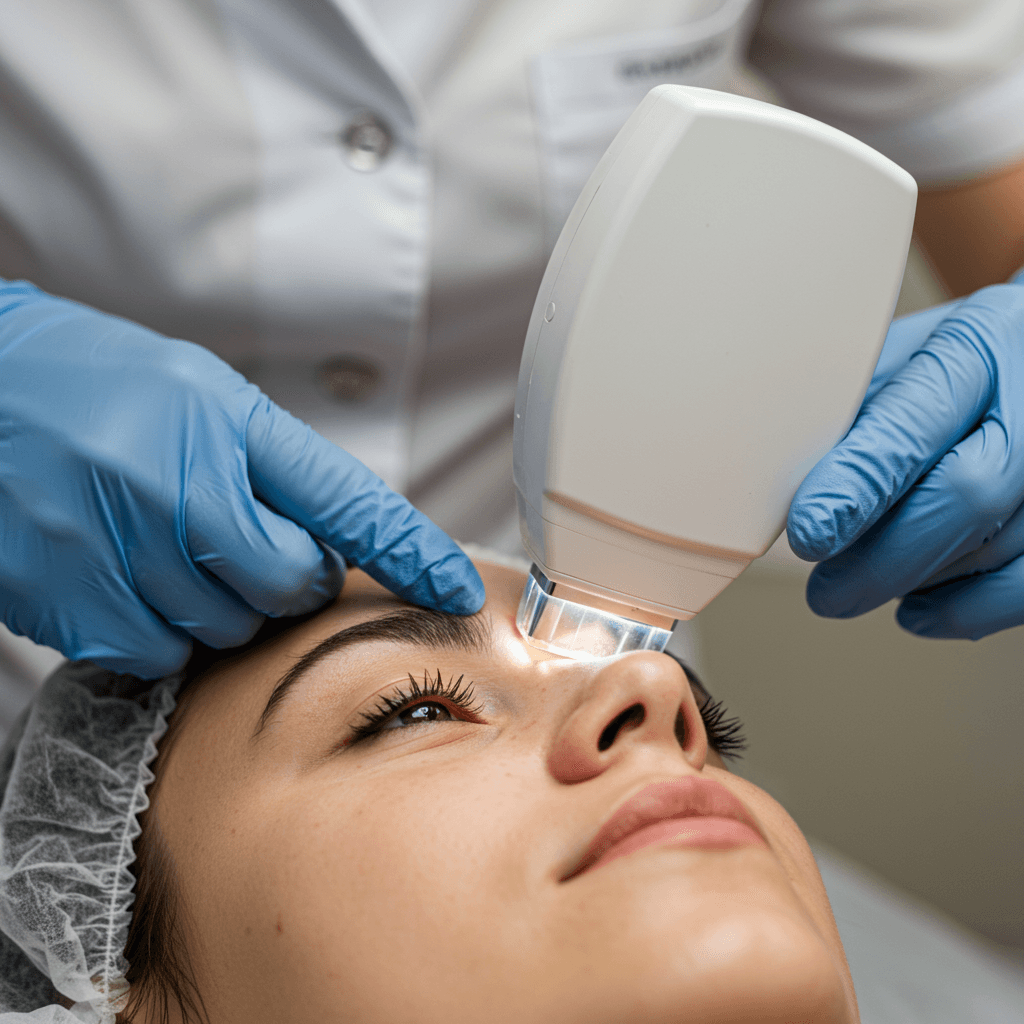
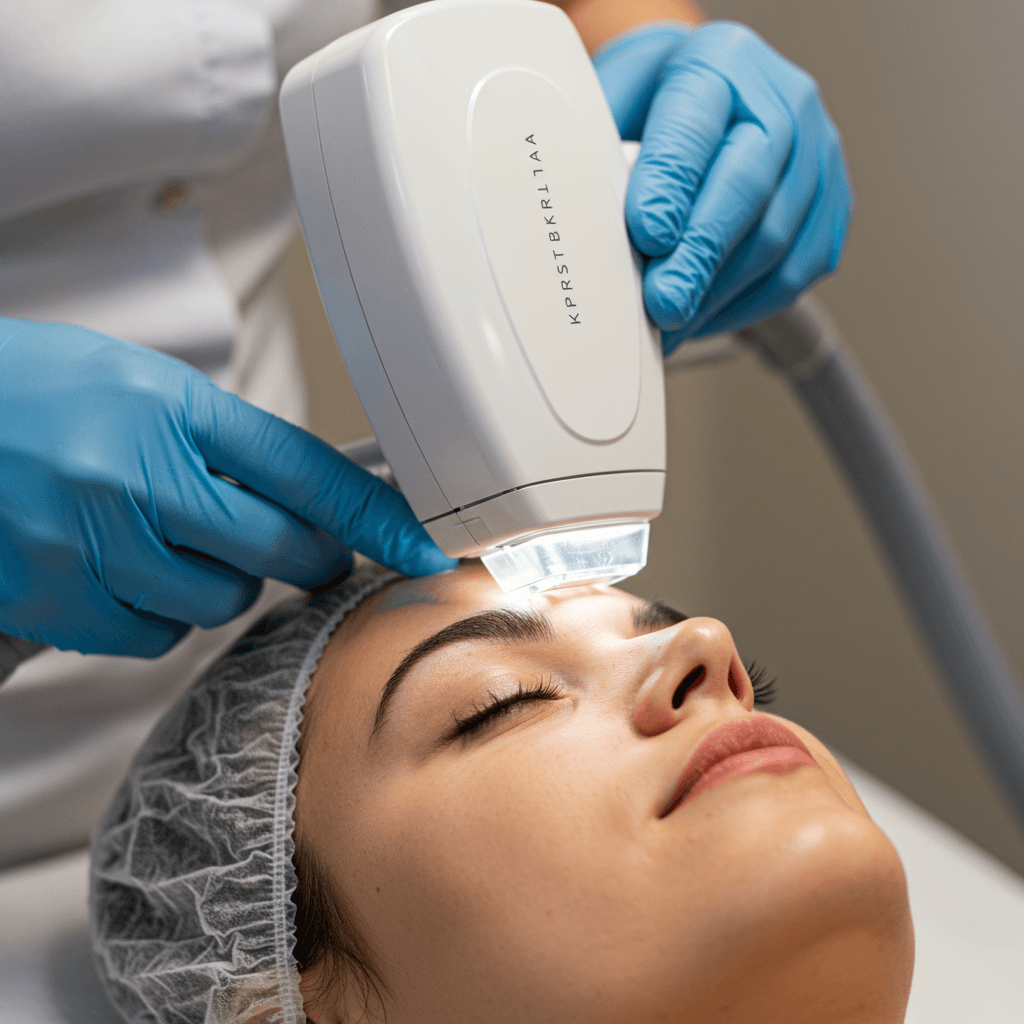
Laser tattoo removal employs focused beams of light to break down tattoo ink particles in the skin. The body's immune system then gradually absorbs and eliminates these fragments. This method is primarily used to safely remove unwanted tattoos, utilising advanced laser technologies such as Q-switched and Pico lasers for effective results.


Ideal candidates
A good candidate for laser tattoo removal is generally in good health, has realistic expectations, and possesses light to medium skin tones. Ideal candidates often seek to remove outdated or unwanted tattoos due to personal or professional reasons, and the treatment effectively addresses concerns about visibility and aesthetics.
Treatment variations
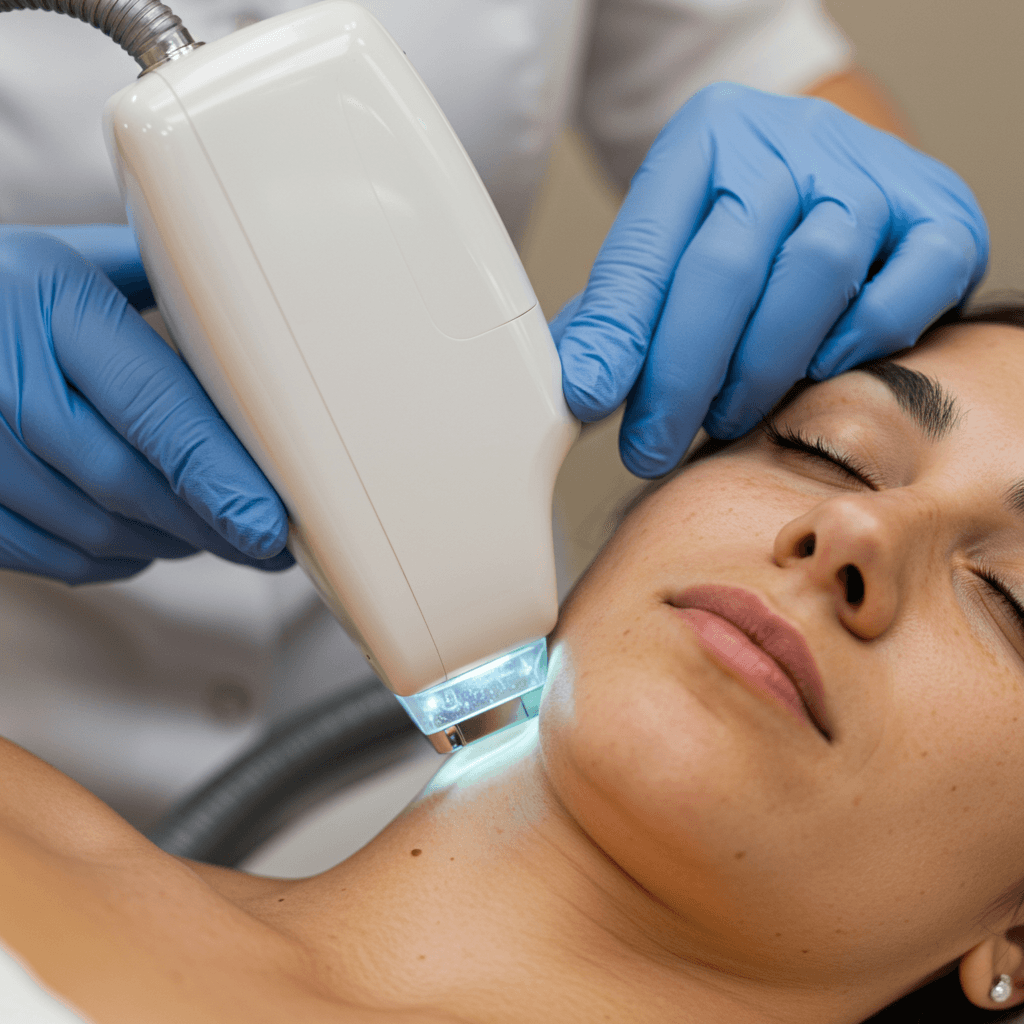
Various types of Laser Tattoo Removal exist, tailored to specific areas and aesthetic aspirations. Depending on the treatment zone, the look you wish to achieve, and your individual anatomy, your practitioner will suggest the most appropriate option to ensure effective and safe results for your tattoo removal journey.
Important considerations
Laser Tattoo Removal is generally safe when performed by a qualified professional. Safety considerations include ensuring the technician is certified and experienced to minimise risks of skin damage or scarring. Prior to the procedure, it's essential to consult a specialist to discuss your medical history and any potential allergies. Always follow pre-treatment guidelines, such as avoiding sun exposure and skin irritants, to ensure the best results. Choose a reputable clinic for optimal outcomes.
The Laser Tattoo Removal procedure
Laser tattoo removal is a non-surgical procedure that employs targeted laser technology to break down ink pigments, facilitating their natural elimination from the skin for optimal aesthetic results.
What it feels like
After laser tattoo removal, patients often experience a sense of relief and comfort, as the procedure is quick and efficient. Redness and slight swelling may occur, but these typically subside swiftly, leaving a feeling of rejuvenation and anticipation for clearer skin.
Laser Tattoo Removal benefits
01
Effective Results
Laser treatment provides effective removal, helping you achieve your desired look.
02
Professional Care
Undergoing treatment with a professional ensures safety and expertise throughout the process.
03
Quick Recovery
Recovery is quick, allowing you to return to daily activities with minimal disruption.
04
Safe Procedure
Laser tattoo removal is a safe option, minimising risks associated with other methods.
05
Emotional Relief
Experience relief from past decisions, empowering you to move forward confidently.
Laser Tattoo Removal risks and side effects
Understand potential side effects like swelling, bruising, or asymmetry. Seek prompt care for severe pain, discoloration, or worsening symptoms.
1. Skin Irritation
Temporary redness, swelling, or tenderness may occur post-treatment, often resolved with proper aftercare. This is a common response as the skin heals.
2. Hypopigmentation or Hyperpigmentation
Changes in skin colour can happen, especially in those with darker skin tones. These alterations may be temporary or, in rare cases, permanent.
3. Blistering
Formation of blisters can occur after laser treatment. While they usually heal without complications, improper care can lead to scarring or infection.
4. Scarring
Though rare, some individuals may experience scarring, particularly if the treated area is not cared for adequately. Following aftercare guidelines is crucial to minimise this risk.
5. Infection
There is a slight risk of infection following laser procedures. Adhering to cleanliness and aftercare instructions is essential to prevent this complication.
Recovery process
Recovery timeline
After Laser Tattoo Removal, swelling and bruising may occur, lasting 1-2 weeks. Physical activity should be restricted for at least 48 hours to aid healing. Initial fading is visible within a few weeks, but final results typically take 6-12 months as the skin fully heals and the ink metabolises. Proper aftercare is essential for optimal results.

Aftercare Instructions
- Keep the treated area clean and dry.
- Avoid sun exposure; use sunscreen if outdoors.
- Do not pick or scratch the treated area.
- Refrain from swimming or soaking in water for a week.
- Moisturize with recommended ointment to aid healing.
- Attend follow-up appointments as scheduled for optimal results.

Week 1
During the first week post-Laser Tattoo Removal, patients may experience mild swelling and bruising, with the tattoo initially appearing darker. Over time, fading begins as the skin heals, revealing clearer, lighter ink remnants.

Week 2
In the second week post-treatment, swelling typically subsides significantly, revealing clearer ink fading. Patients may notice scabbing and peeling, which is normal as the skin heals, while the tattoo continues to lighten gradually.

Months 1–6+
In the weeks following laser tattoo removal, patients may experience swelling and fading. Optimal results typically appear after several months as the skin heals, with effects continuing to improve over time as ink breaks down.
Questions about Laser Tattoo Removal
All your questions answered.
Laser tattoo removal results are typically permanent, but factors like skin type, ink pigmentation, and tattoo depth can affect longevity. Some individuals may require maintenance treatments to ensure optimal results, especially if any faint remnants remain. It's important to follow your specialist's aftercare advice to maximise the effectiveness of the treatment and enhance lasting clarity.
Laser tattoo removal can cause some discomfort, often described as a sensation similar to being snapped by a rubber band. To manage pain, practitioners may use topical anaesthetics or cooling devices during the procedure. Additionally, they ensure a comfortable experience by maintaining open communication and adjusting techniques based on individual tolerance levels, making the process as pleasant as possible.
Patients can generally resume normal activities immediately after Laser Tattoo Removal, though some may experience temporary redness, swelling, or blistering. These effects typically subside within a few days. It's advisable to avoid applying makeup on the treated area for at least 48 hours to allow proper healing. Always follow your practitioner’s specific aftercare instructions for best results.
Good candidates for laser tattoo removal are generally healthy individuals without skin conditions, on certain medications, or with conditions like eczema or psoriasis. Pregnant or breastfeeding women should also avoid treatment. Consultation with a qualified practitioner is crucial to assess skin type, tattoo characteristics, and any contraindications, ensuring a safe and effective removal process tailored to your needs.
 We’re an MHRA licensed broker.
All-in-one platform for aesthetic clinics. Manage bookings and digital consent easily. Reduce paperwork and save time. Secure client data and records. Built for modern practitioners.


Get in touch






.1f395bec.png&w=32&q=75) 455+ clinics
455+ clinics



 5 (101)
 22.51m