Find Fungal Nail Treatment near me
Book the best Fungal Nail Treatment online in seconds. Read reviews and compare the top rated Fungal Nail Treatment near you on Faces.
Fungal nail treatment aims to eliminate fungal infections affecting the toenails or fingernails, restoring nail health and appearance. The process typically involves topical antifungal medications or oral prescriptions, which work to eradicate the fungus while encouraging nail regrowth. Common ingredients include clotrimazole, terbinafine, and itraconazole. Treatment duration can vary, often requiring several weeks to months, depending on the severity of the infection. Maintaining proper hygiene and keeping nails trimmed can also aid in the recovery process, preventing reinfection.
 46 Appointments made
 16+ clinics to offer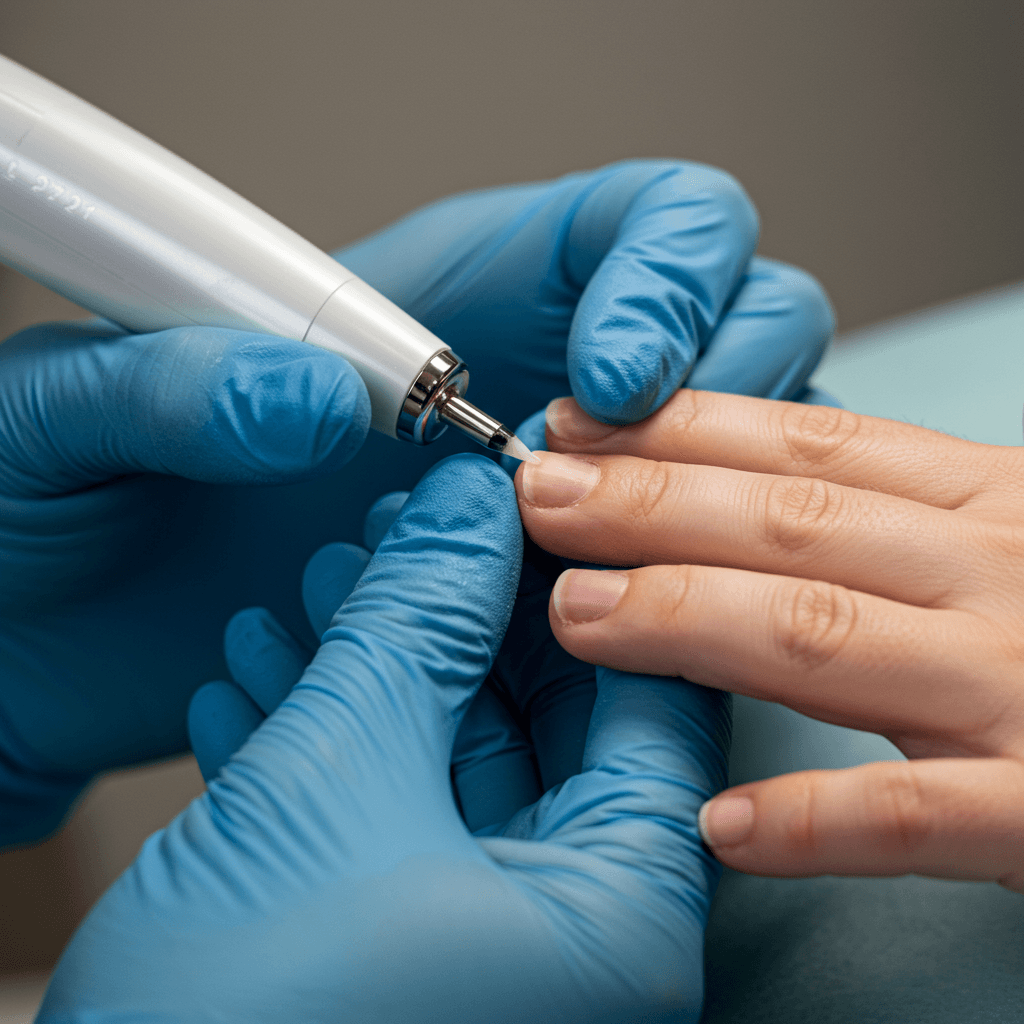
Highlights

Price range

Treatment time

Recovery time

Treatment sessions

Duration of results

Satisfaction rate
Before / After results
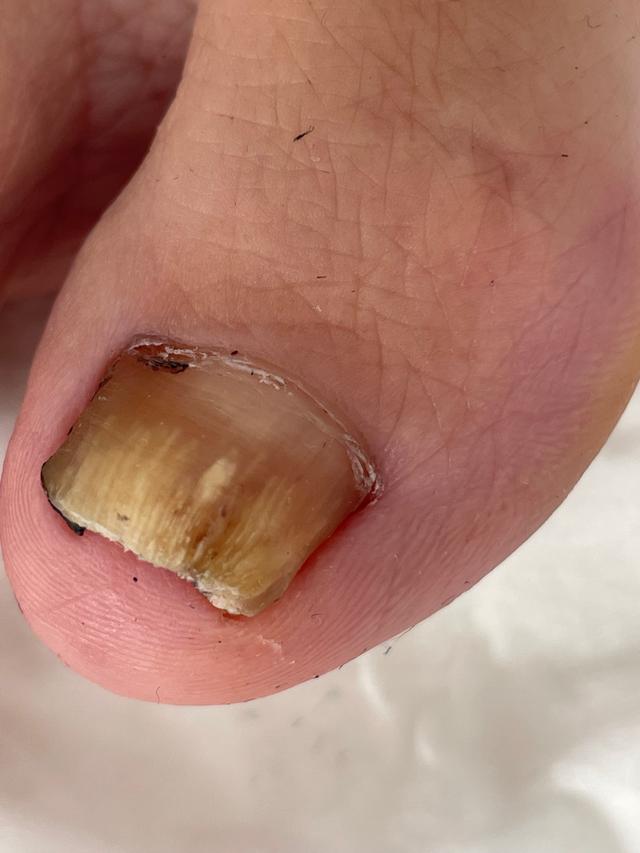
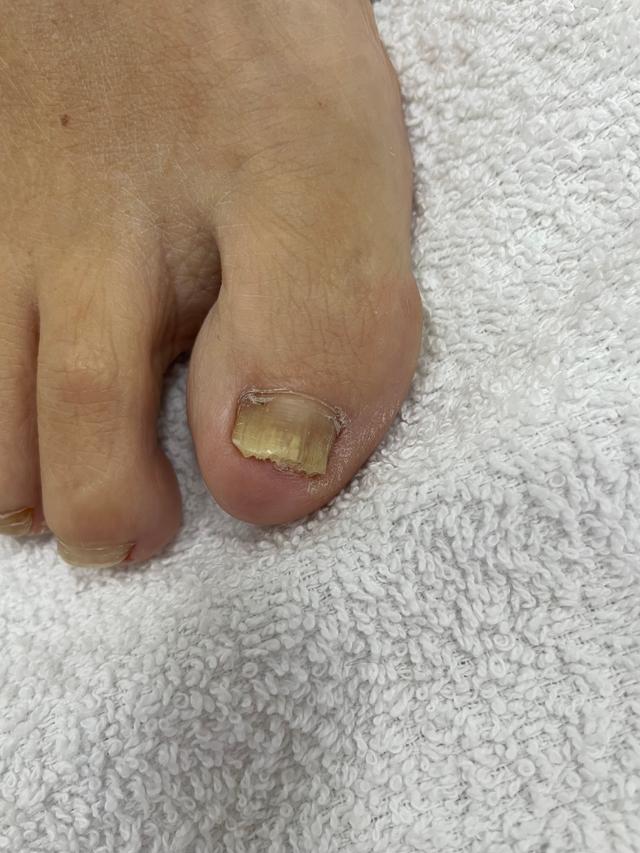
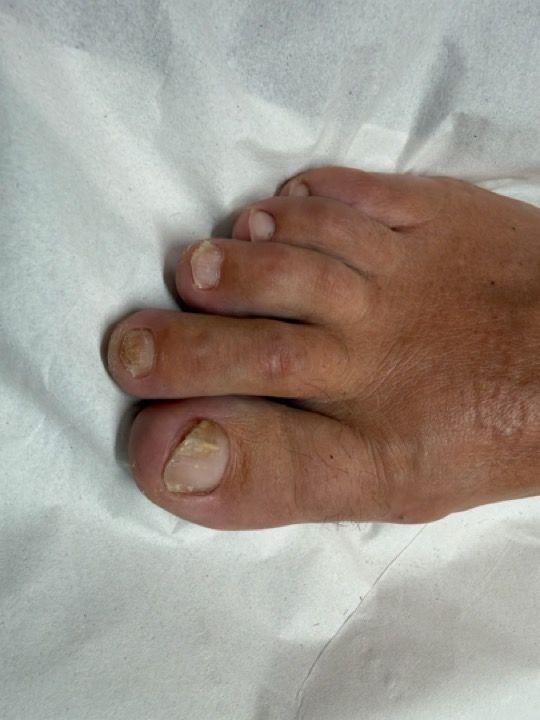
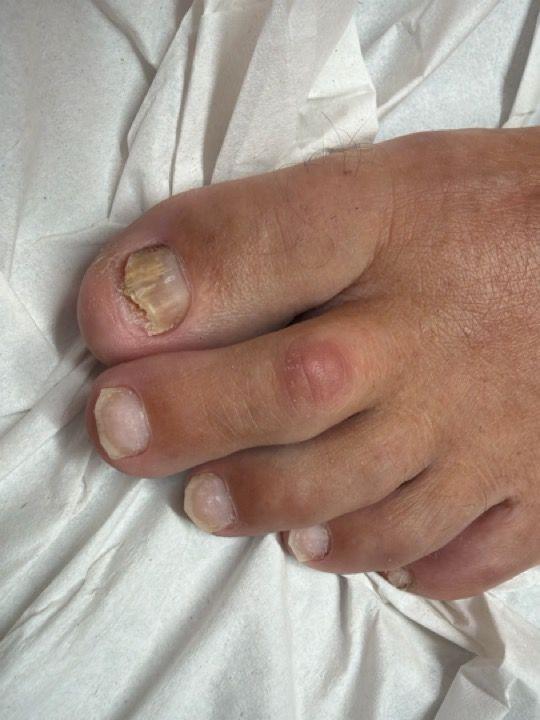
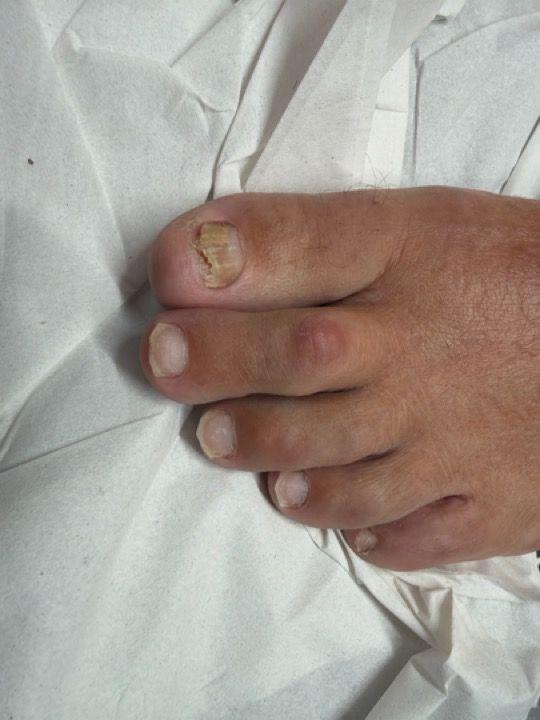
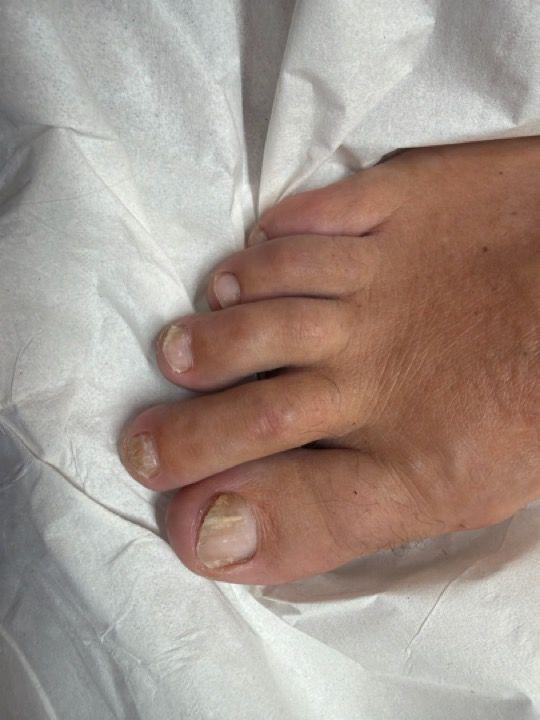
How it works
Fungal nail treatment employs antifungal agents, such as terbinafine or ciclopirox, to eradicate the infection. These compounds penetrate the nail, targeting the fungus's cell membrane and inhibiting its growth. The primary purpose is to restore healthy nail appearance and alleviate discomfort. Treatments can be topical or oral, depending on severity.


Ideal candidates
Good candidates for Fungal Nail Treatment include individuals with visible nail discolouration, thickened nails, or discomfort due to infection. Ideal characteristics encompass a persistent fungal infection unresponsive to over-the-counter remedies. This treatment effectively addresses aesthetics, discomfort, and prevents further spread, promoting healthier nails and improved overall foot hygiene.
Treatment variations
Various Fungal Nail Treatments are offered, tailored to specific areas and aesthetic preferences. Your practitioner will assess your needs to recommend the most appropriate option, considering the treatment site, your desired appearance, and individual anatomy. This personalised approach ensures optimal results for healthier, more attractive nails.
Important considerations
Fungal nail treatments are generally safe when conducted by qualified professionals. It's crucial to seek advice from a healthcare provider to assess your specific condition and discuss potential risks. Always disclose any allergies or medical history prior to treatment. Ensuring a clean environment and adhering to aftercare instructions are vital for optimal results. For effective and safe fungal nail treatment options, consult a specialist to explore the best solutions tailored to your needs.
The Fungal Nail Treatment procedure
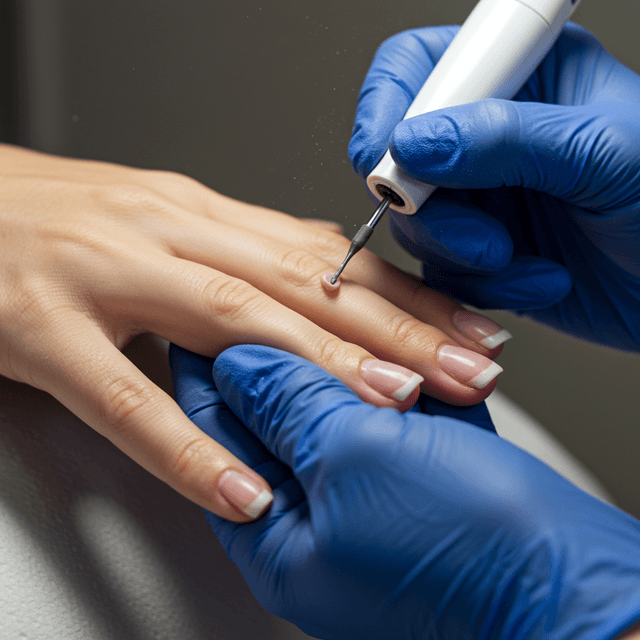
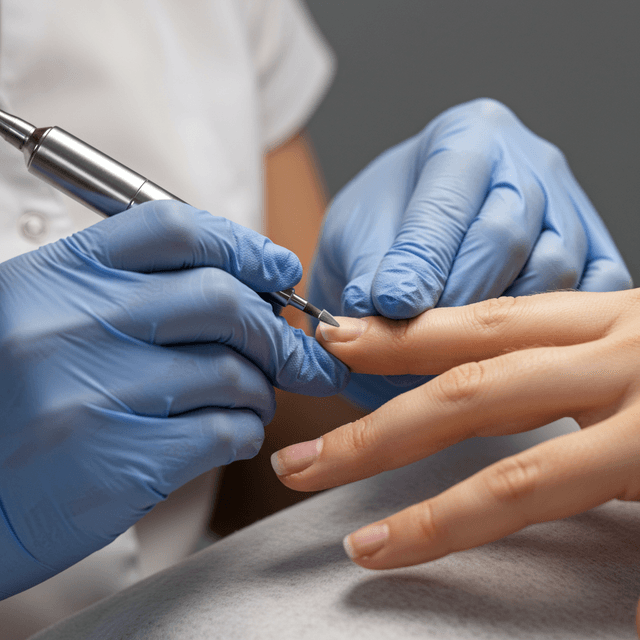
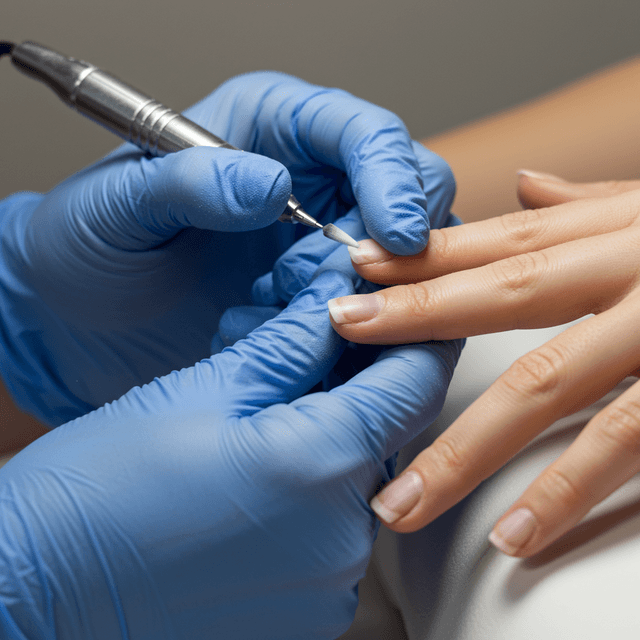
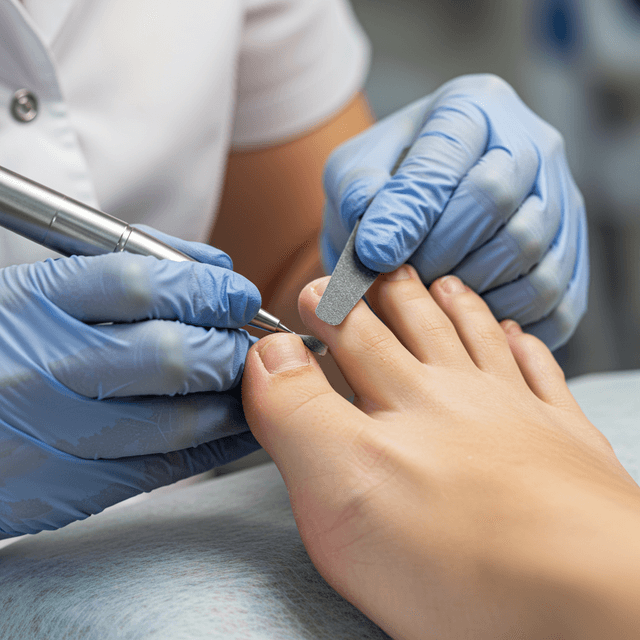
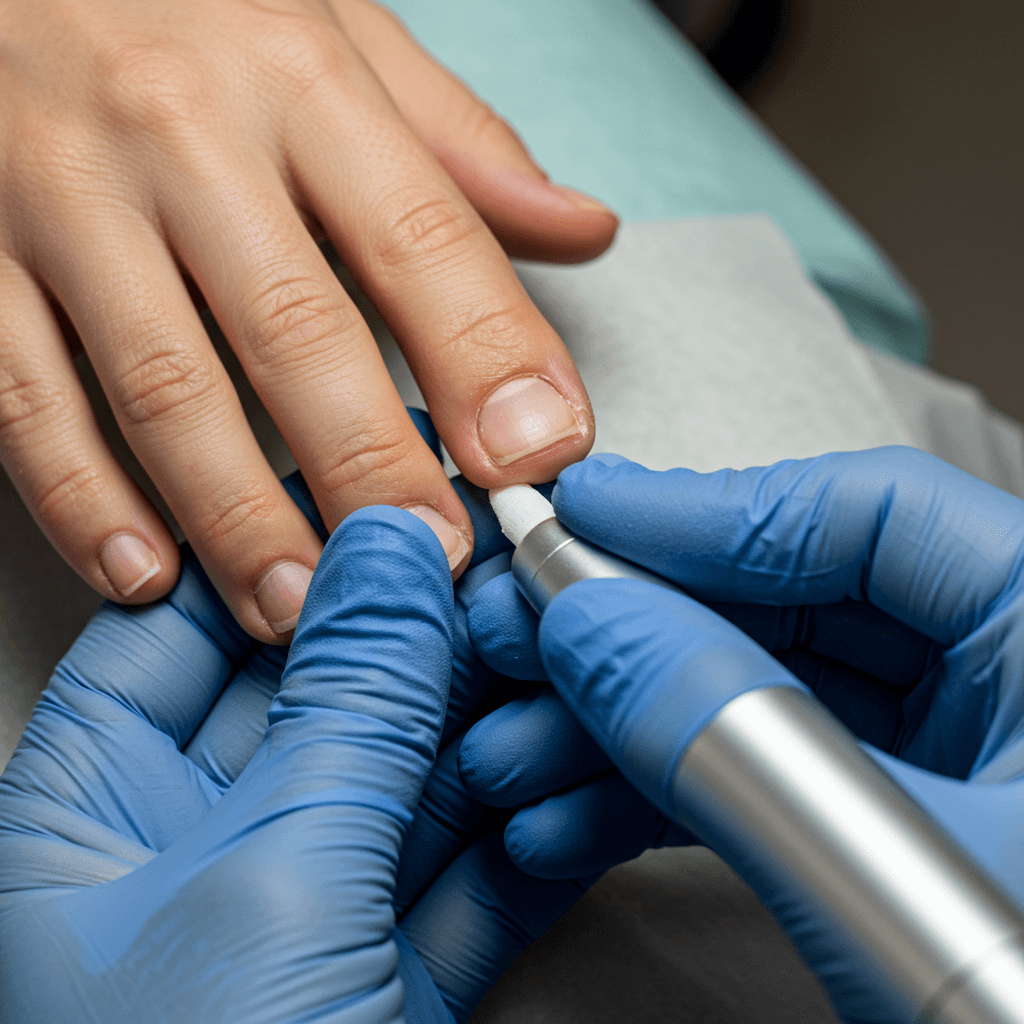
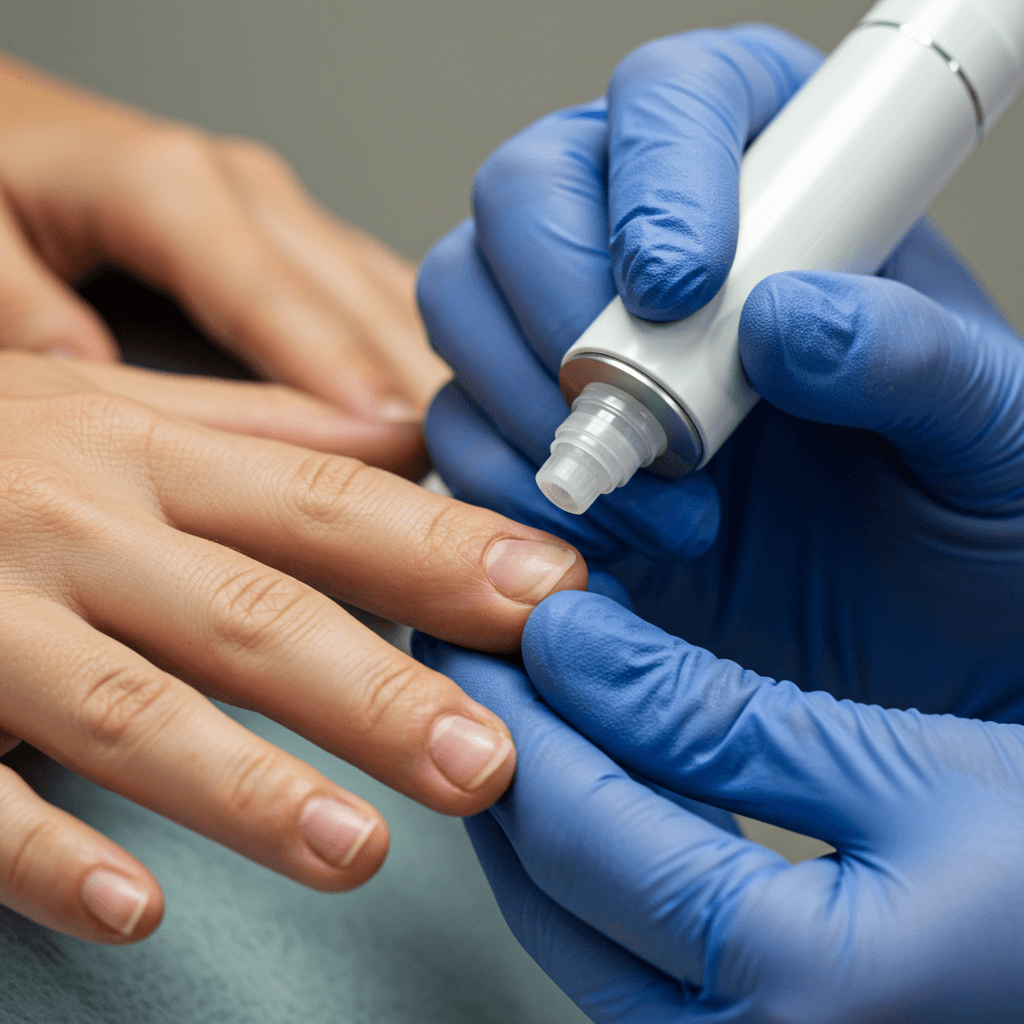
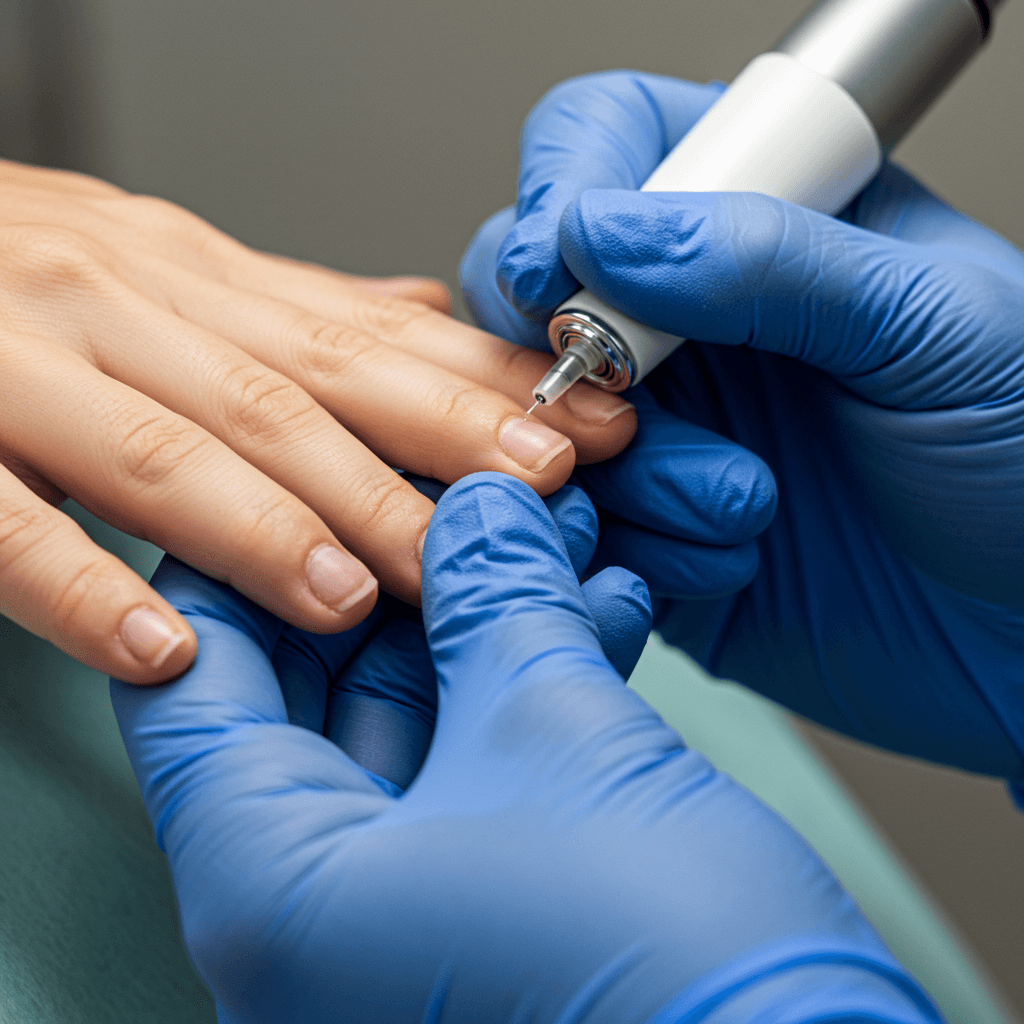
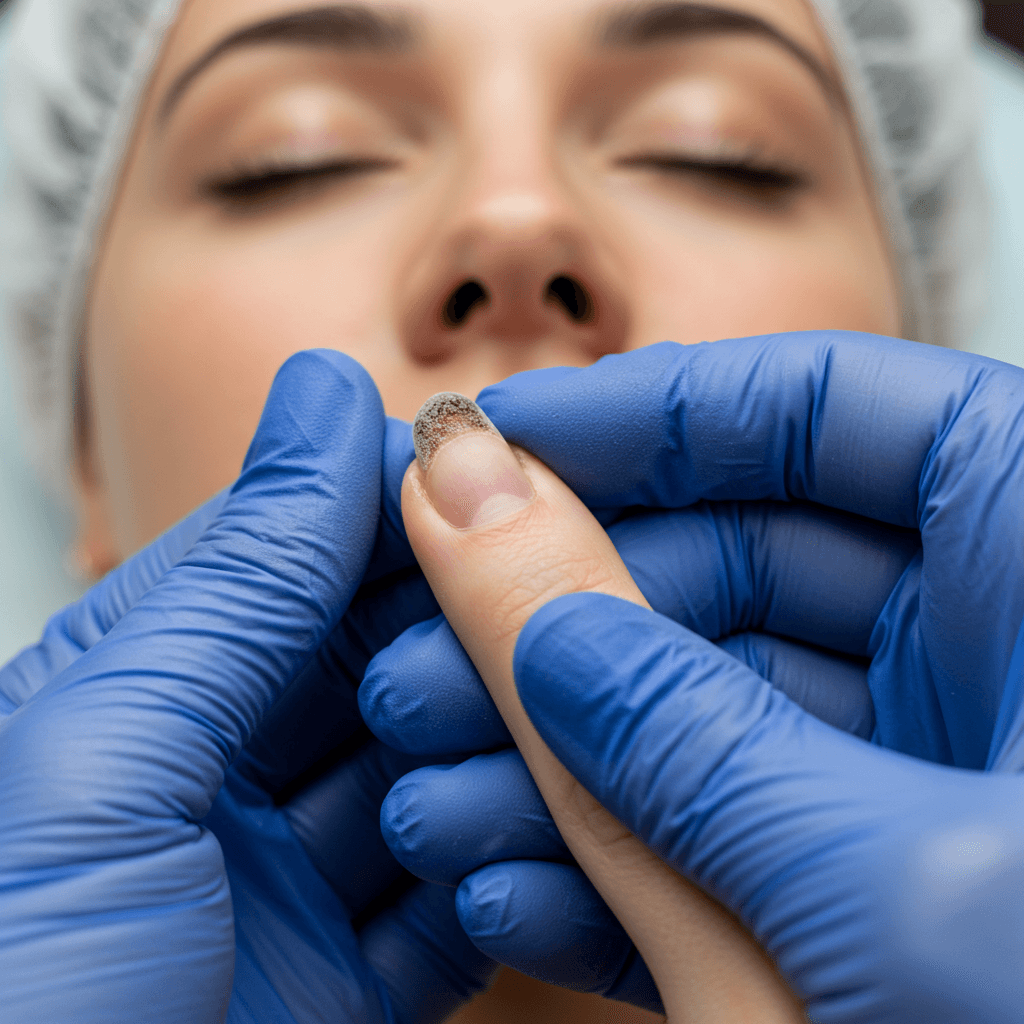
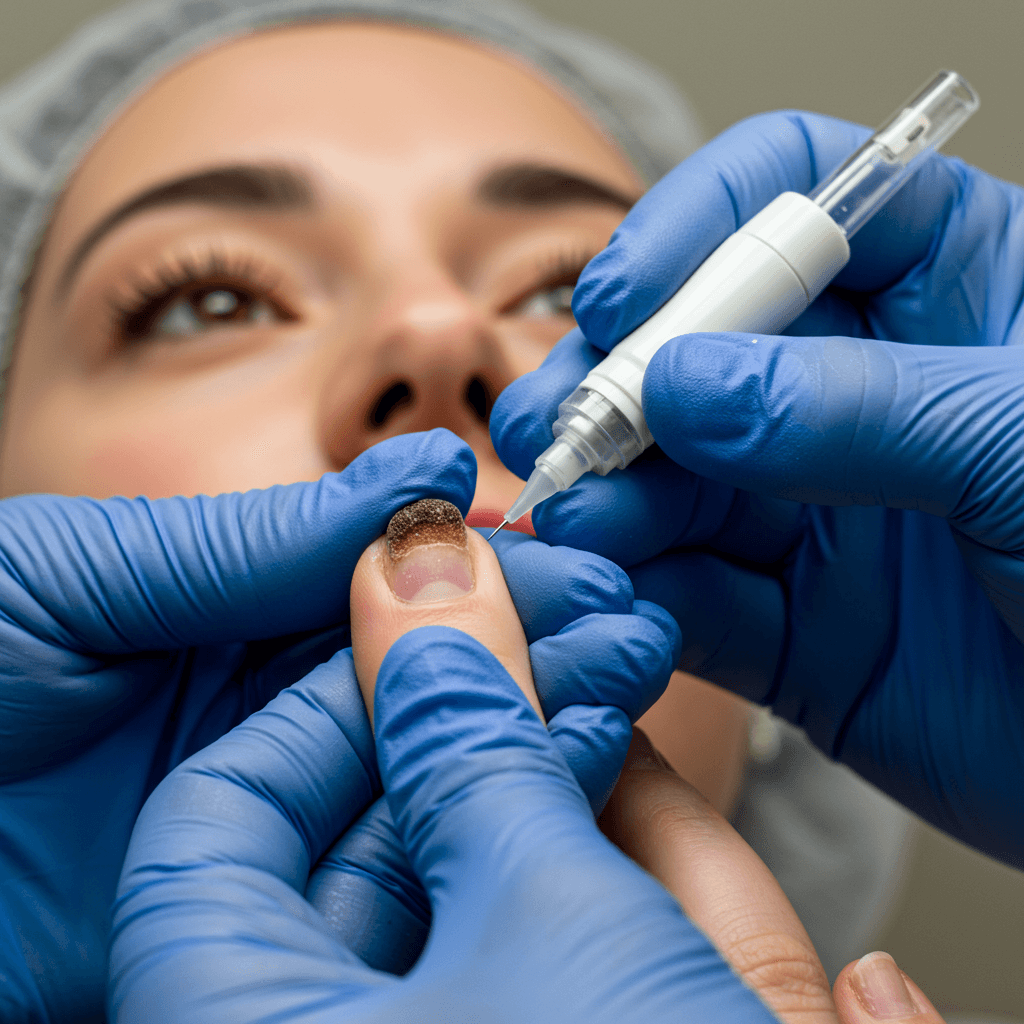
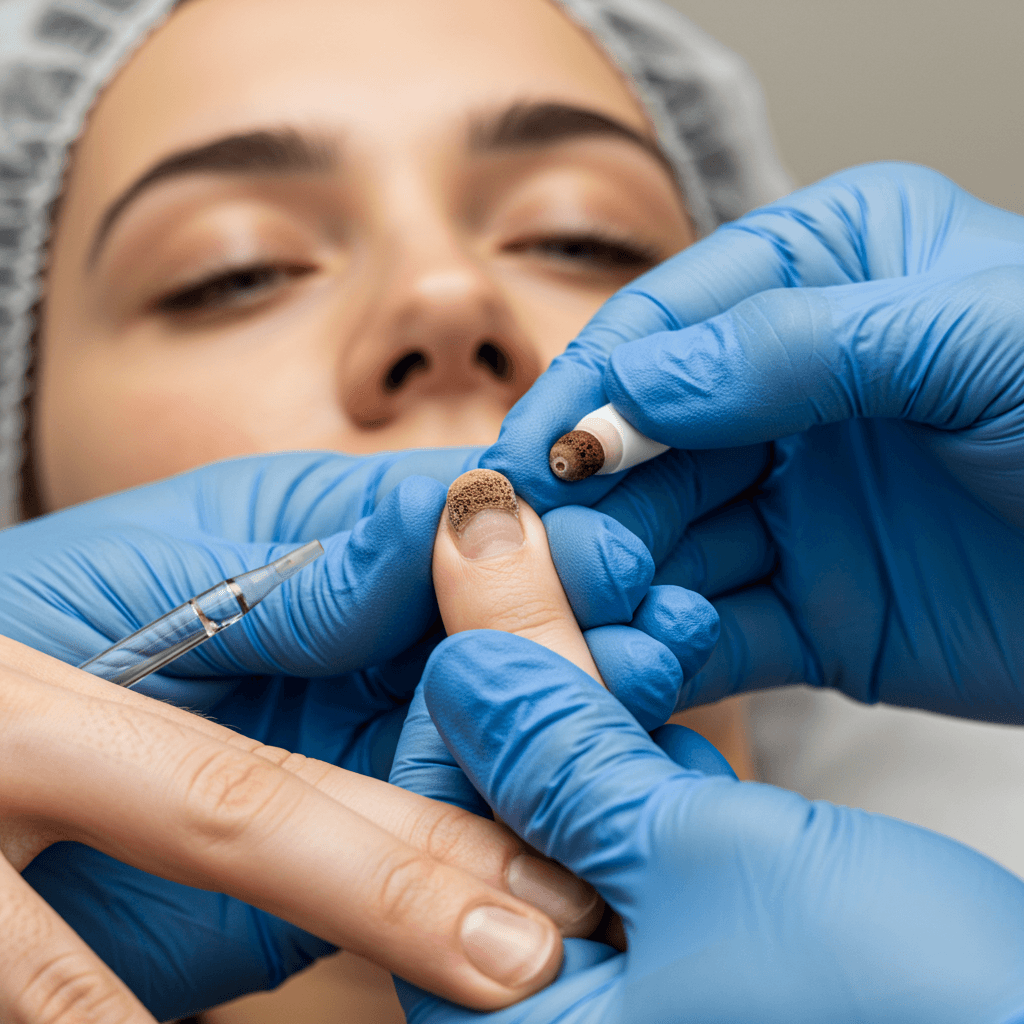
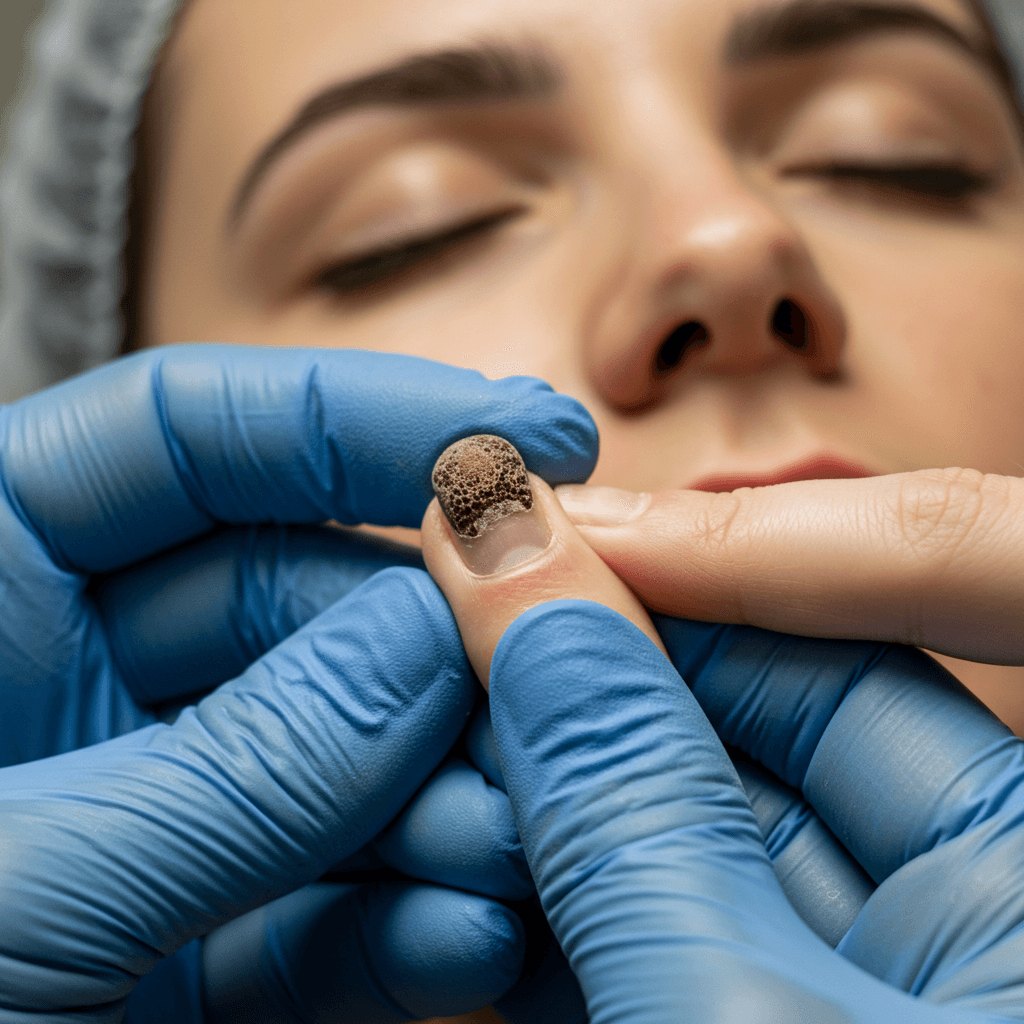
Fungal Nail Treatment is a non-surgical procedure that typically involves antifungal laser therapy to eliminate infection and restore the appearance of the affected nails.
What it feels like
After fungal nail treatment, patients often experience a sense of relief and comfort. Many report feeling lighter and more confident, as the procedure effectively targets the infection, promoting healthier nails and an overall improved sense of wellbeing.
Fungal Nail Treatment benefits
01
Effective Solution
Professional treatments provide an effective way to combat fungal nail infections.
02
Safe Procedures
All treatments ensure safe application without risking further damage to nails.
03
Quick Relief
Experience quick relief from discomfort associated with fungal nail infections.
04
Expert Guidance
Book a consultation for expert advice tailored to your specific condition.
05
Long-lasting Results
Enjoy long-lasting results that enhance nail appearance and health.
Fungal Nail Treatment risks and side effects
Understand potential side effects like swelling, bruising, or asymmetry. Seek prompt care for severe pain, discoloration, or worsening symptoms.
1. Skin Irritation
Some patients may experience redness, itching, or a burning sensation at the treatment site, indicating a sensitivity to the antifungal agents.
2. Nail Discolouration
Fungal treatments can occasionally lead to temporary discolouration of the nails, which may affect aesthetic appearance but typically resolves after treatment completion.
3. Allergic Reactions
In rare cases, an allergic reaction can occur, resulting in swelling, hives, or severe itching. Seek immediate medical attention if this happens.
4. Liver Issues
Oral antifungal medications can potentially lead to liver damage, necessitating monitoring of liver function during treatment, especially in patients with pre-existing conditions.
5. Recurrence of Infection
Despite treatment, fungal nail infections may recur due to incomplete eradication or reinfection, requiring additional intervention or prolonged management strategies.
Recovery process
Recovery timeline
After Fungal Nail Treatment, mild swelling and bruising may occur, typically resolving within a week. Physical activity is usually restricted for a few days to facilitate healing. Expect to see initial improvement in nail appearance within a month, but final results can take several months as the nail grows out completely and the infection clears.

Aftercare Instructions
- Keep nails clean and dry.
- Avoid tight shoes; wear breathable footwear.
- Do not share personal items like nail clippers.
- Apply antifungal treatment as directed.
- Regularly change socks and avoid damp environments.
- Monitor for signs of infection and consult your doctor if concerns arise.

Week 1
In the first week post-treatment, patients may experience mild swelling and bruising around the nail area. As healing progresses, visible improvement in nail appearance is expected, with reduced discolouration and gradually healthier-looking nails.

Week 2
In the second week post-treatment, patients may notice reduced swelling and discomfort. Initial improvements in nail appearance, such as a healthier colour and texture, may become evident as signs of healing progress.

Months 1–6+
Patients may see gradual improvement in nail appearance over 1-6 months, with optimal results typically appearing after 6-12 months. New, healthy nail growth replaces the infected area, reflecting long-term success of the treatment.
Questions about Fungal Nail Treatment
All your questions answered.
Fungal nail treatment results can last several months, but factors like individual health, nail growth rate, and adherence to treatment can affect longevity. To ensure lasting results, maintenance treatments and good foot hygiene are essential. Regular check-ups can help prevent re-infection, as nails take time to fully regrow and may remain susceptible if not properly cared for.
Fungal nail treatment is generally well-tolerated, with minimal discomfort reported by most patients. Some may experience slight sensitivity during the procedure, but practitioners use local anaesthetics and gentle techniques to enhance comfort. Post-procedure, any discomfort can typically be managed with over-the-counter pain relief. Our priority is ensuring a relaxed experience, so patients feel at ease throughout.
After Fungal Nail Treatment, patients can usually resume normal activities immediately, though some may experience temporary side effects like mild redness or sensitivity. Makeup can typically be applied the same day, but it's best to avoid tight shoes or excessive moisture for a few days to ensure optimal healing. Always follow your practitioner's specific aftercare advice for the best results.
Good candidates for fungal nail treatment typically exhibit clear signs of infection, such as discolouration or brittleness of the nails. However, contraindications may include certain medical conditions or allergies. It's crucial to consult a qualified practitioner to assess your suitability for treatment and discuss any potential risks, ensuring the safest and most effective approach for your specific needs.
 We’re an MHRA licensed broker.
All-in-one platform for aesthetic clinics. Manage bookings and digital consent easily. Reduce paperwork and save time. Secure client data and records. Built for modern practitioners.


Get in touch









 5 (34)
 61.43m


.1f395bec.png&w=32&q=75) 529+ clinics
529+ clinics