
Find Face Lift near me
Book the best Face Lift online in seconds. Read reviews and compare the top rated Face Lift near you on Faces.
A face lift, or rhytidectomy, is a surgical procedure designed to reduce visible signs of ageing by tightening and lifting the skin of the face and neck. During the procedure, excess skin is removed, and underlying tissues are repositioned to create a more youthful appearance. This may also involve liposuction to remove fat deposits. The surgery typically lasts several hours, and recovery time varies, though patients can generally expect swelling and bruising that subside over time, revealing smoother contours.
 6122 Appointments made
 1394+ clinics to offer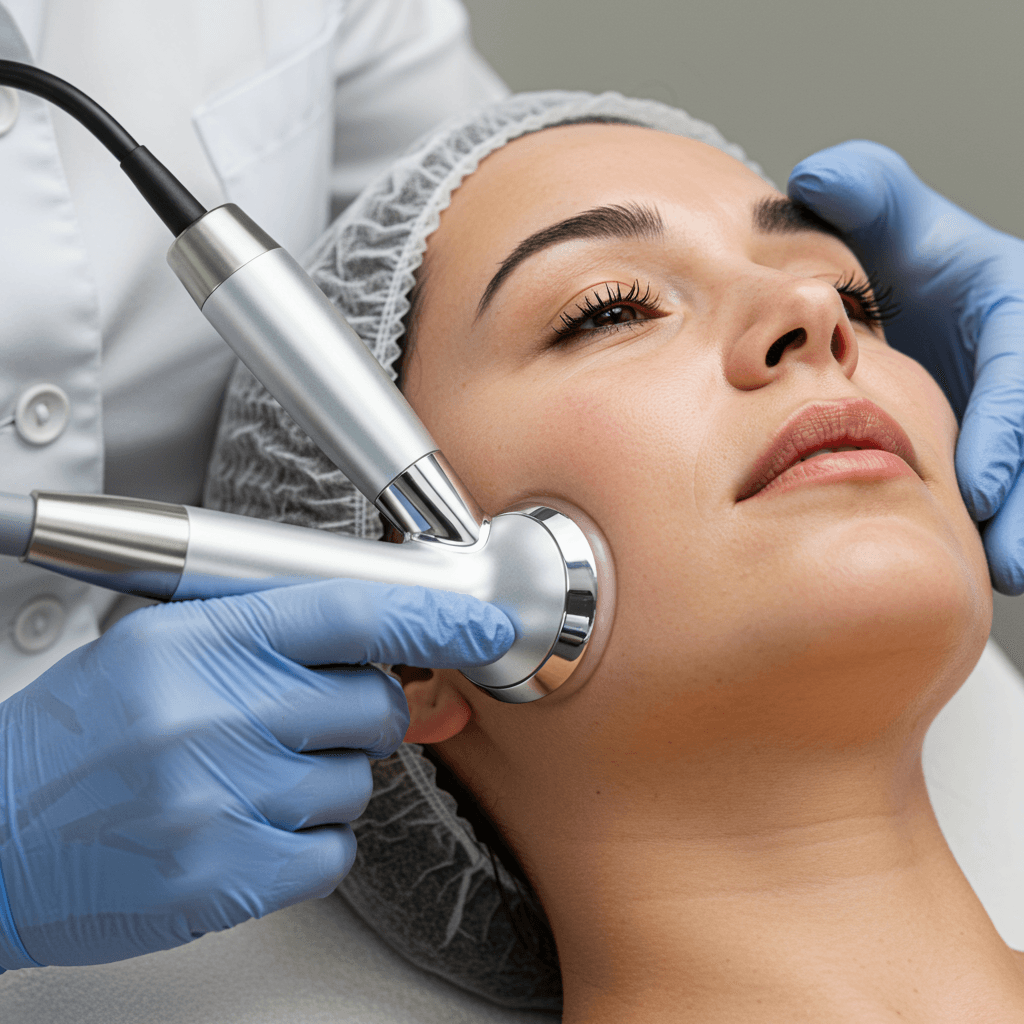
Highlights

Price range

Treatment time

Recovery time

Treatment sessions

Duration of results

Satisfaction rate
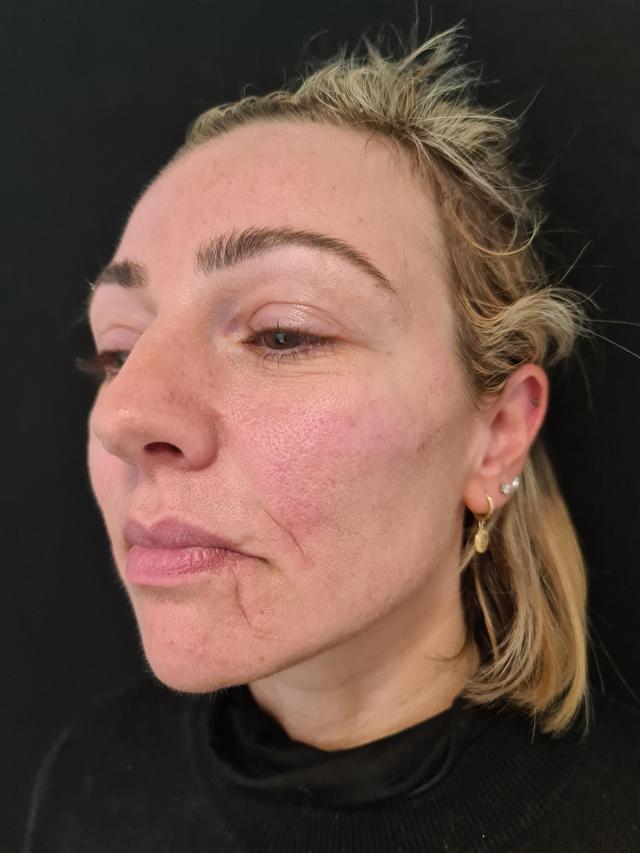
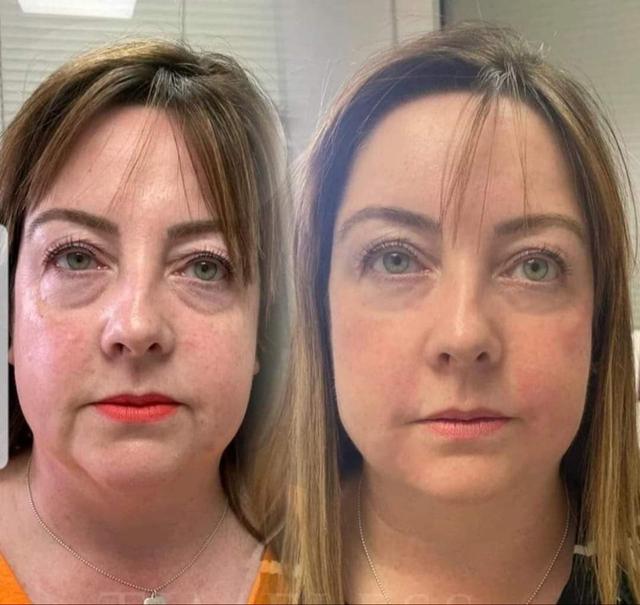
Before / After results
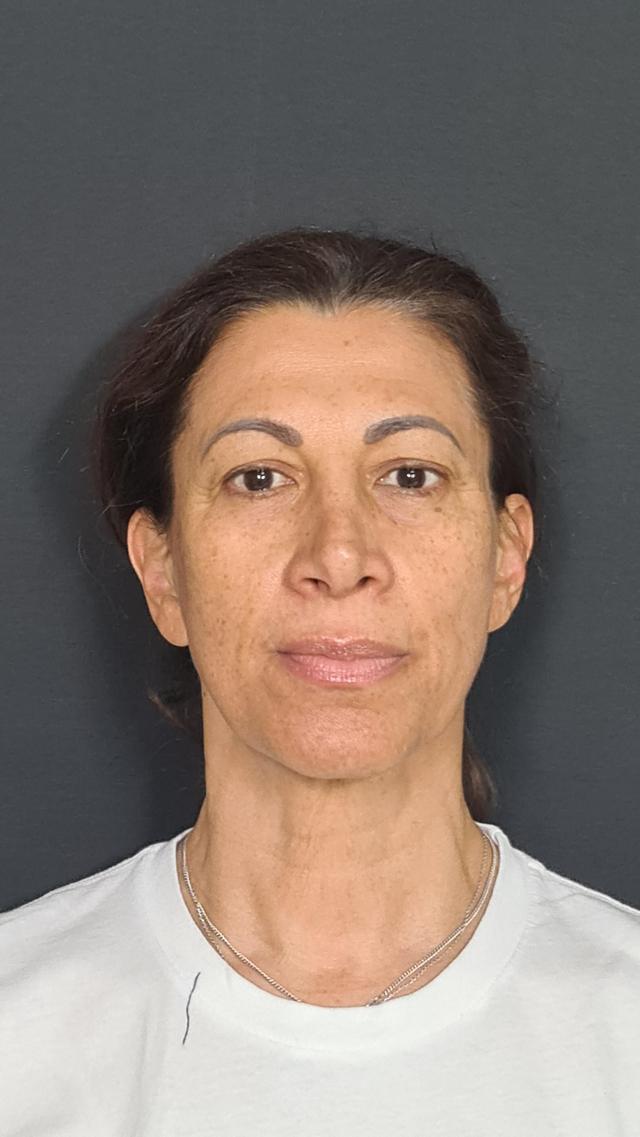

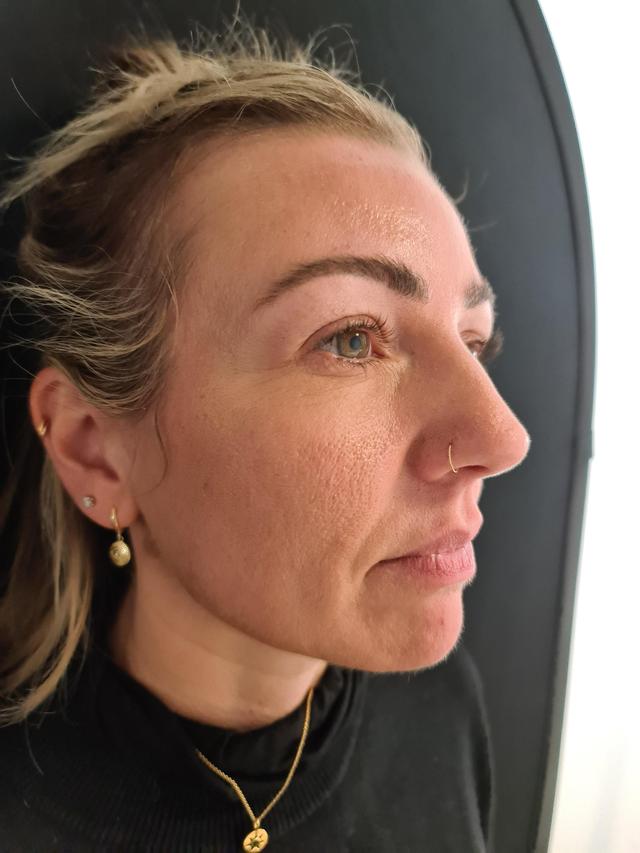
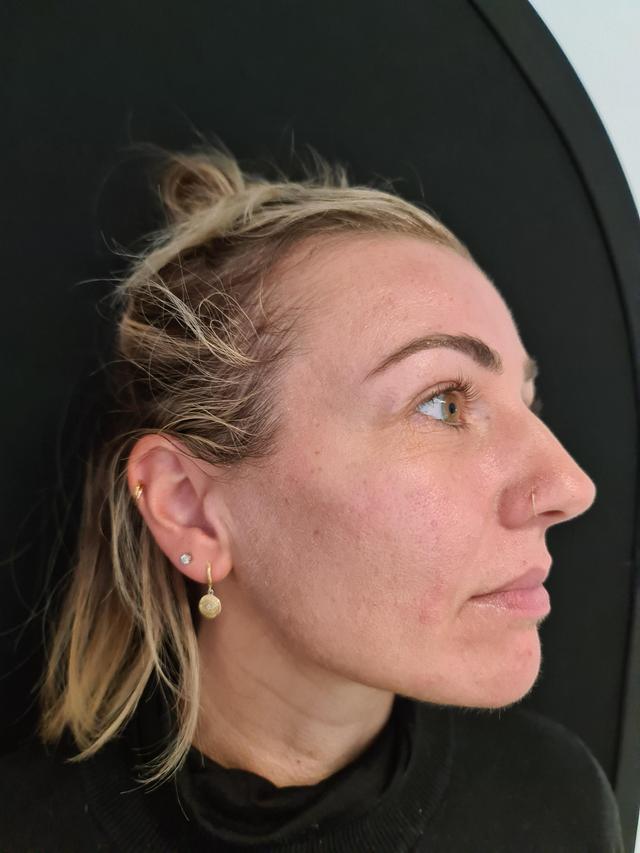
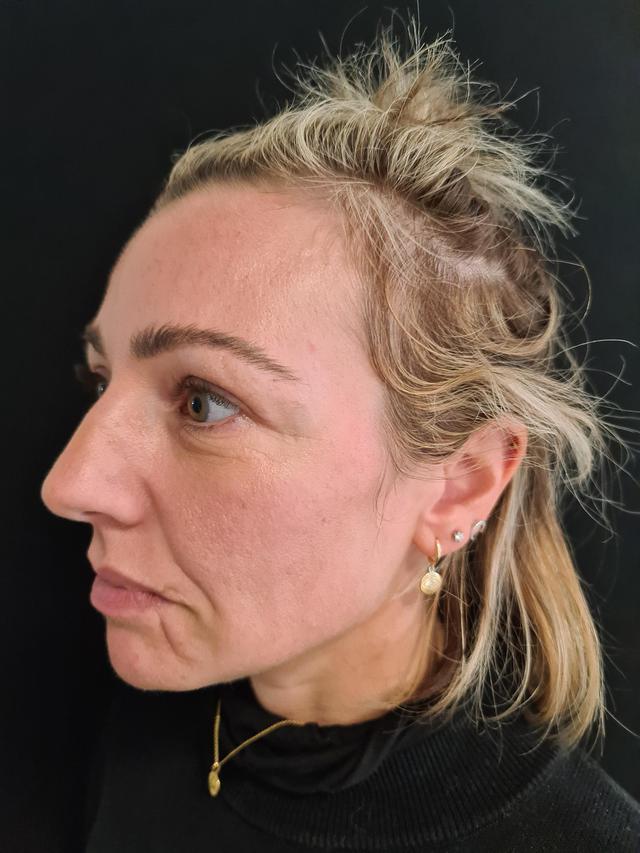
How it works
A facelift, or rhytidectomy, involves surgical lifting of facial tissues to reduce signs of ageing. The procedure repositions underlying muscles and removes excess skin, enhancing facial contours. Typically, incisions are made discreetly around the ears. Common materials include sutures for closure, ensuring minimal scarring and promoting a natural appearance post-surgery.


Ideal candidates
A good candidate for a facelift is typically aged 40-70, with realistic expectations and good overall health. Ideal characteristics include skin elasticity and specific concerns like sagging skin, deep creases, and loss of facial contours. This treatment effectively addresses signs of ageing, rejuvenating the facial appearance.
Treatment variations
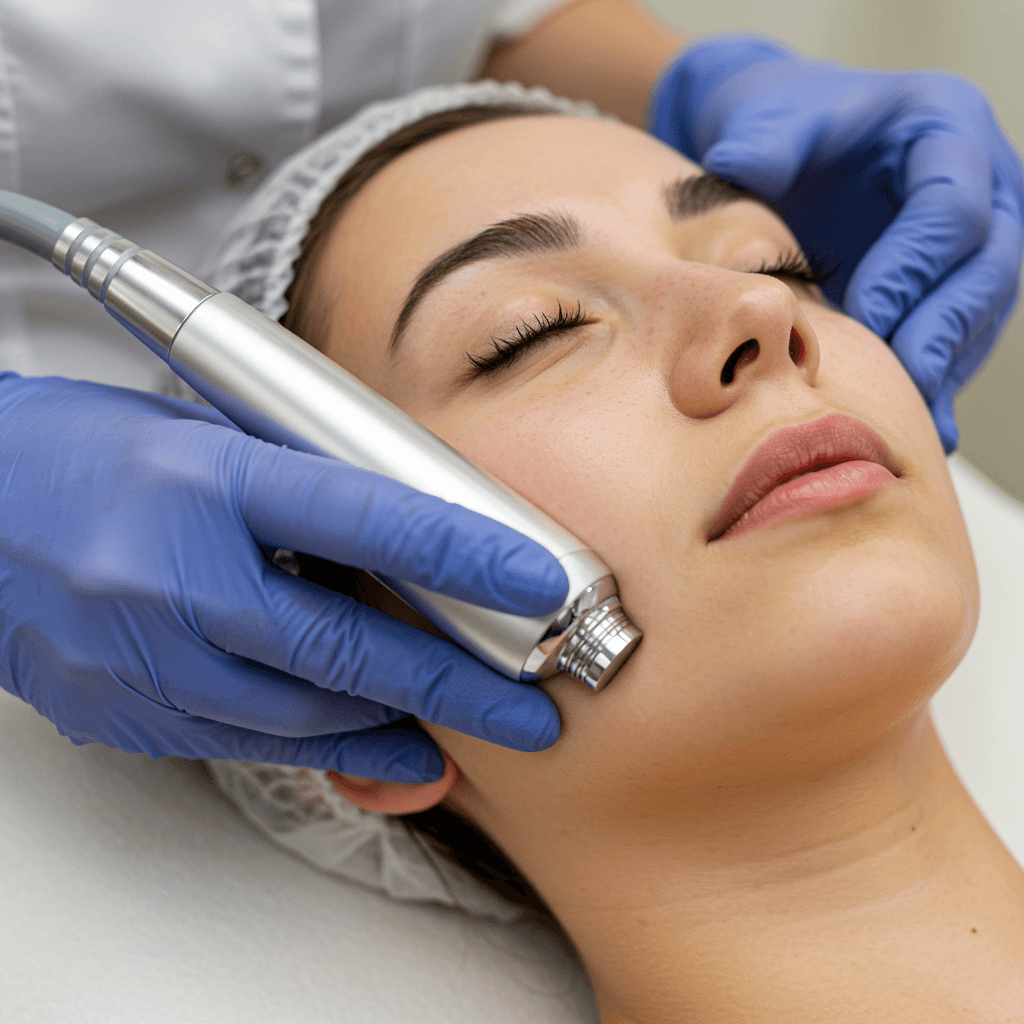
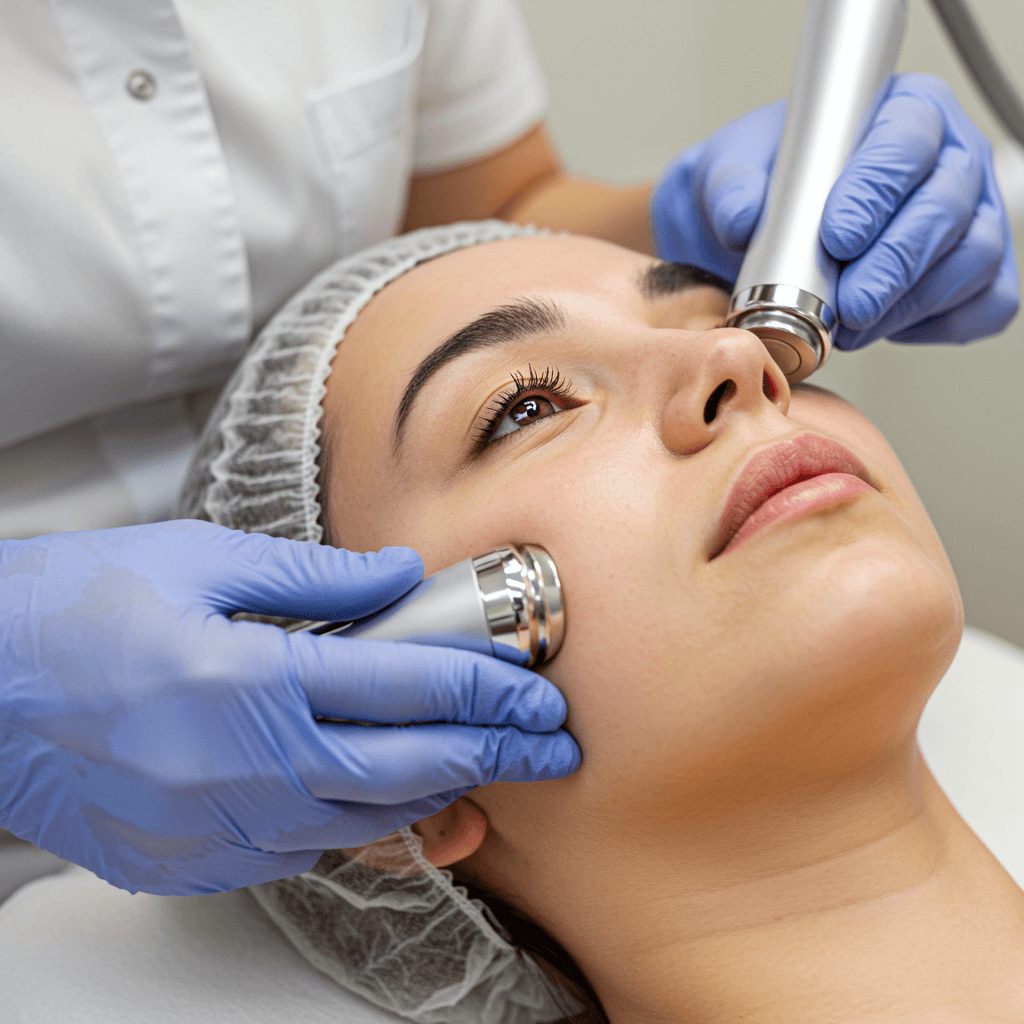
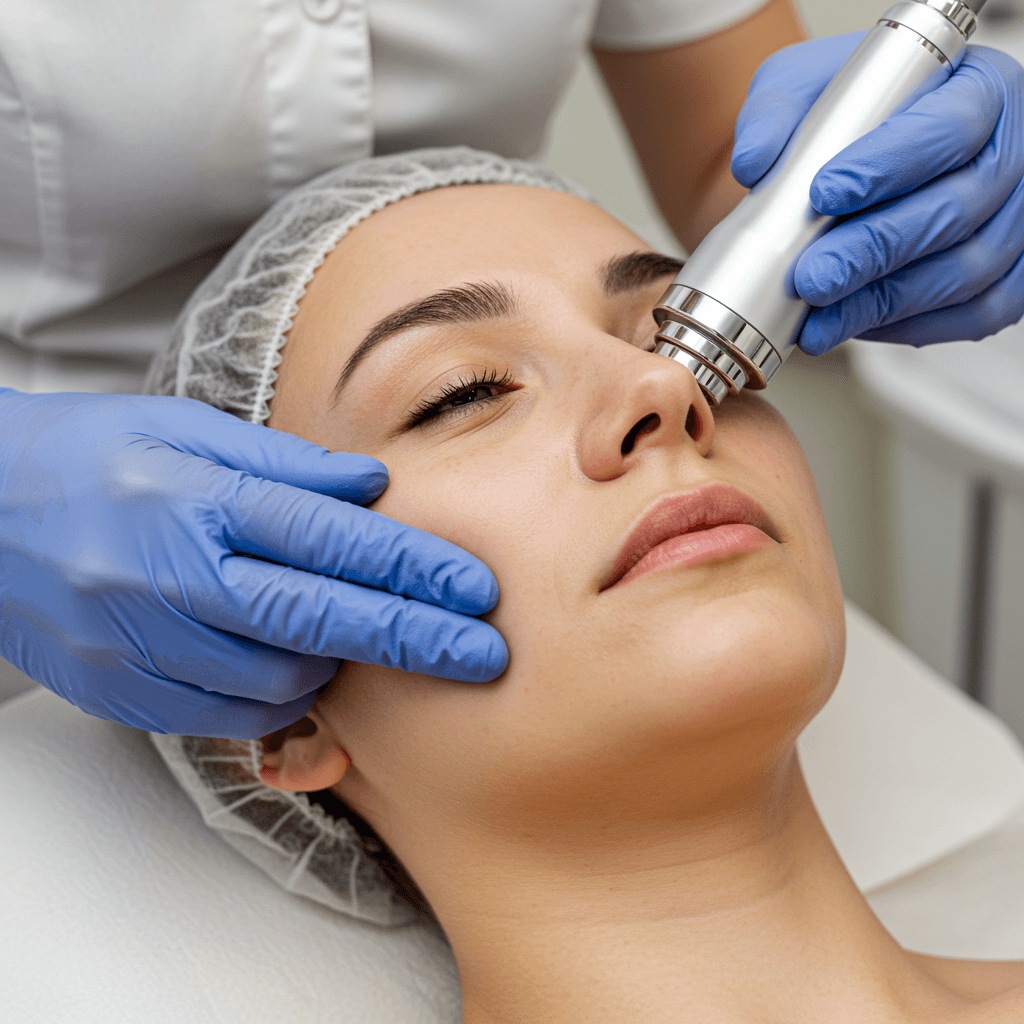
A variety of facelift options exist, each tailored to specific areas and aesthetic aspirations. Your practitioner will assess your treatment area, desired outcome, and individual anatomy to recommend the most appropriate procedure. This personalised approach ensures optimal results, enhancing your natural beauty while addressing your unique concerns effectively.
Important considerations
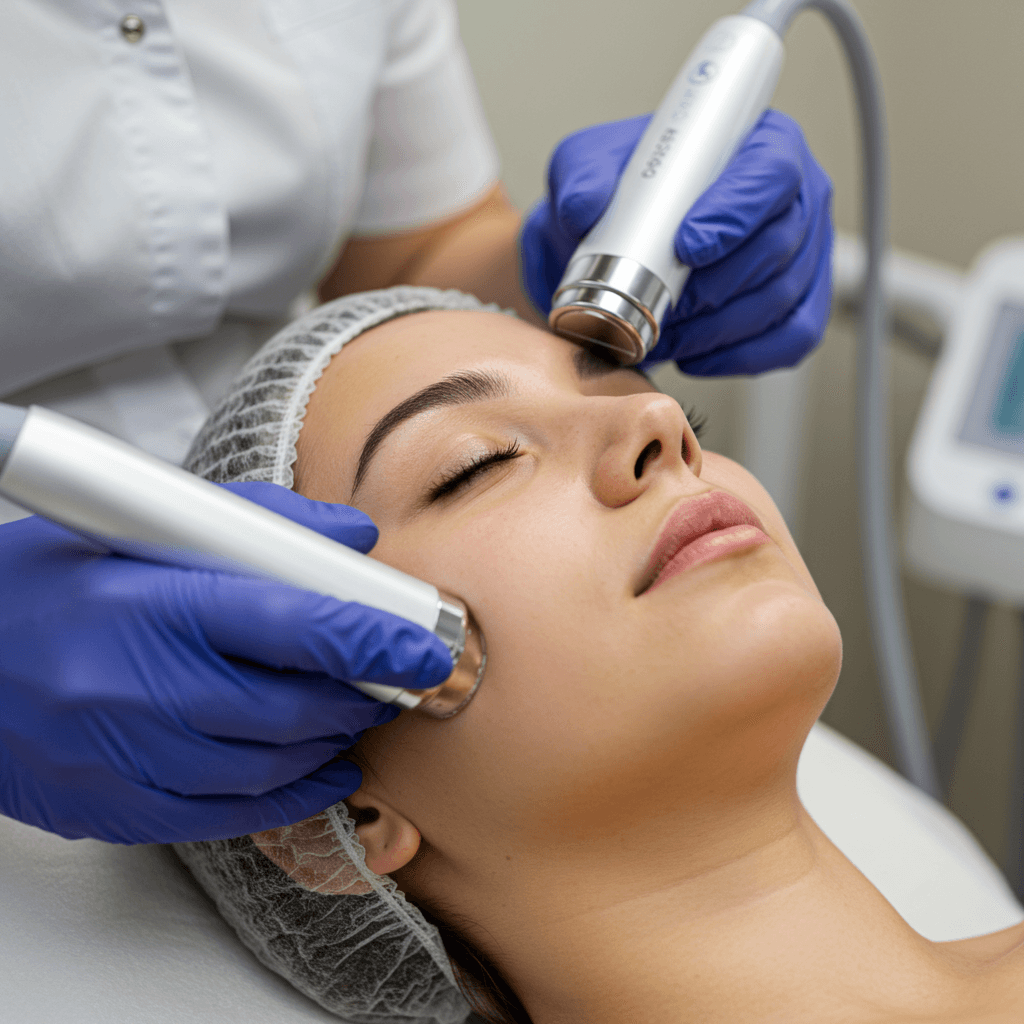
Face lift treatments can be safe when performed by a qualified professional. It’s crucial to choose an experienced surgeon who prioritises patient safety, ensuring a sterile environment and thorough pre-operative assessments. Discuss any medical history and medications during your consultation. Necessary precautions include following pre-surgery instructions and having realistic expectations. Opting for reputable clinics can enhance your experience, making your dream look attainable while minimising risks. Prioritise safety and expertise for optimal results.
The Face Lift procedure
A surgical face lift involves tightening and repositioning facial skin and underlying tissues to reduce signs of ageing, delivering a more youthful appearance through incision techniques and suturing.
What it feels like
Following a facelift, patients often experience a sense of rejuvenation and comfort as swelling subsides. Many report improved facial contours, enhanced confidence, and a youthful glow, all contributing to an overall feeling of satisfaction with their refreshed appearance.
Face Lift benefits
01
Improved Appearance
A safe and effective solution for rejuvenating your facial features.
02
Increased Confidence
Feel professional and self-assured with a refreshed look post-treatment.
03
Long-lasting Results
Enjoy the relief of natural-looking results that endure for years.
04
Minimal Downtime
Quick recovery allows you to book your treatment without major disruption.
05
Tailored Approach
Each procedure is effective and customised to meet your unique needs.
Face Lift risks and side effects
Understand potential side effects like swelling, bruising, or asymmetry. Seek prompt care for severe pain, discoloration, or worsening symptoms.
1. Swelling and Bruising
Post-operative swelling and bruising are common, typically subsiding within a few weeks. However, excessive swelling can indicate complications that require medical attention.
2. Infection
Infection is a risk with any surgical procedure, potentially leading to delayed healing or scarring. Prompt treatment with antibiotics is essential if infection occurs.
3. Scarring
While incisions are strategically placed to minimise visible scarring, some patients may experience prominent scars. Proper aftercare is crucial to ensure optimal healing and scar appearance.
4. Nerve Damage
Temporary or, rarely, permanent nerve damage can occur, leading to altered sensation or muscle weakness. Awareness and careful surgical techniques can mitigate this risk.
5. Asymmetry
Post-surgery asymmetry in facial features can arise, necessitating further correction. Ensuring realistic expectations and consultation with an experienced surgeon can help minimise this concern.
Recovery process
Recovery timeline
Recovery after a facelift typically takes 2-4 weeks. Swelling and bruising peak within 2-3 days, gradually subsiding by week two. Strenuous physical activity should be avoided for about 4-6 weeks. Initial results are visible after a few weeks, but final outcomes may take 3-6 months to fully manifest as swelling resolves.

Aftercare Instructions
- Keep head elevated for the first few days.
- Avoid strenuous activities and heavy lifting for 2-4 weeks.
- Apply cold compresses to reduce swelling.
- Follow prescribed medication for pain and discomfort.
- Avoid sun exposure; use sunscreen after healing.
- Maintain a healthy diet and stay hydrated for optimal recovery.

Week 1
In the first week post-facelift, patients can expect noticeable swelling and bruising, peaking around days two to three. Results gradually improve as swelling subsides, revealing a more youthful appearance by the week's end.

Week 2
In the second week post-Face Lift, swelling significantly reduces, revealing more defined contours. While some bruising may persist, initial results begin to appear, showcasing a younger, rejuvenated facial aesthetic as healing progresses.

Months 1–6+
In the months following a facelift, patients experience swelling and bruising initially; optimal results typically appear around three to six months, with gradual improvements noted, leading to a natural, youthful appearance that may last several years.
Questions about Face Lift
All your questions answered.
Face lift results typically last between 5 to 10 years, but individual factors such as age, skin type, and lifestyle can influence longevity. Sun exposure, smoking, and weight fluctuations may also affect how long results endure. To maintain a youthful appearance, regular follow-up treatments, like fillers or skin care, are recommended, helping to enhance and prolong the benefits of your facelift.
Patients can expect some discomfort during and after a face lift, often described as mild to moderate. Practitioners typically administer local anaesthesia and sedation to enhance comfort. Post-operative pain is managed with prescribed pain relief, and care teams provide guidance on recovery. Practitioners prioritise patient comfort throughout the procedure, ensuring a supportive environment for a smoother experience.
After a Face Lift, most patients can return to normal activities within 1 to 2 weeks, though swelling and bruising may persist. Temporary side effects include discomfort and tightness. Makeup can usually be applied around the 10-day mark, once incisions have sufficiently healed. Always follow your surgeon's specific advice for optimal recovery.
A good candidate for a facelift is typically an individual aged 40 or above with sagging skin and facial volume loss. Ideal candidates are generally in good health, without serious medical conditions or unrealistic expectations. Contraindications may include smoking or circulatory issues. A thorough consultation with a qualified practitioner is essential to determine suitability and discuss risks, ensuring personalised care.
 We’re an MHRA licensed broker.
All-in-one platform for aesthetic clinics. Manage bookings and digital consent easily. Reduce paperwork and save time. Secure client data and records. Built for modern practitioners.


Get in touch







 5 (75)
 26.89m



.1f395bec.png&w=32&q=75) 406+ clinics
406+ clinics