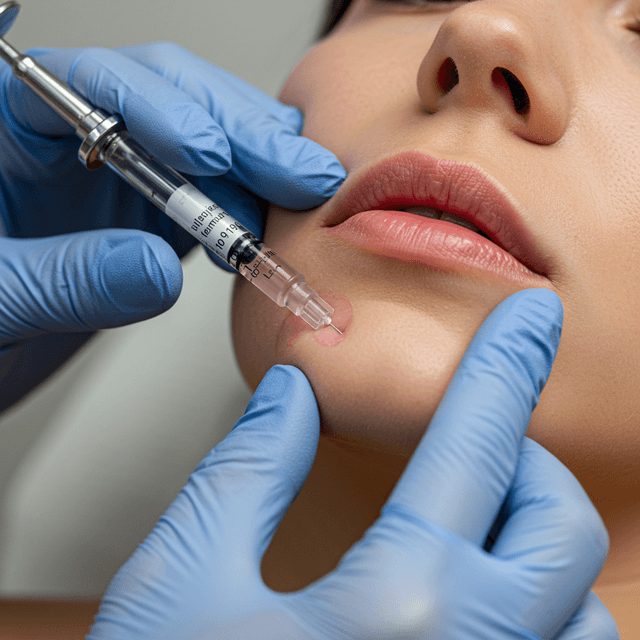
Find Cheek Filler near me
Book the best Cheek Filler online in seconds. Read reviews and compare the top rated Cheek Filler near you on Faces.
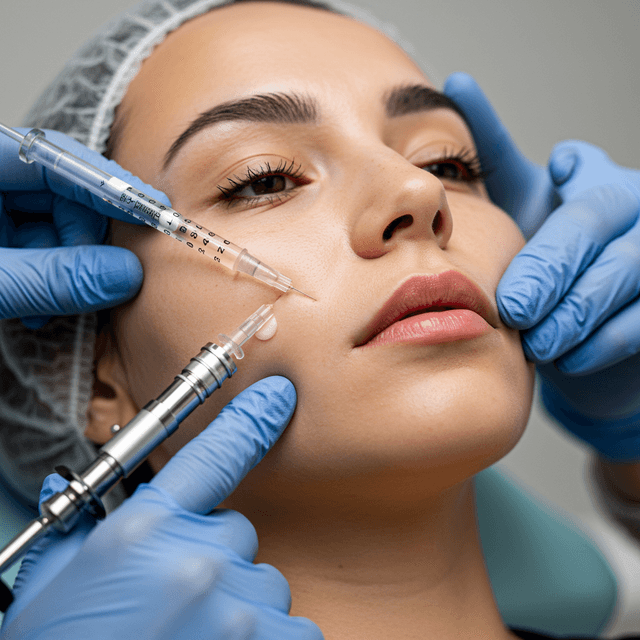
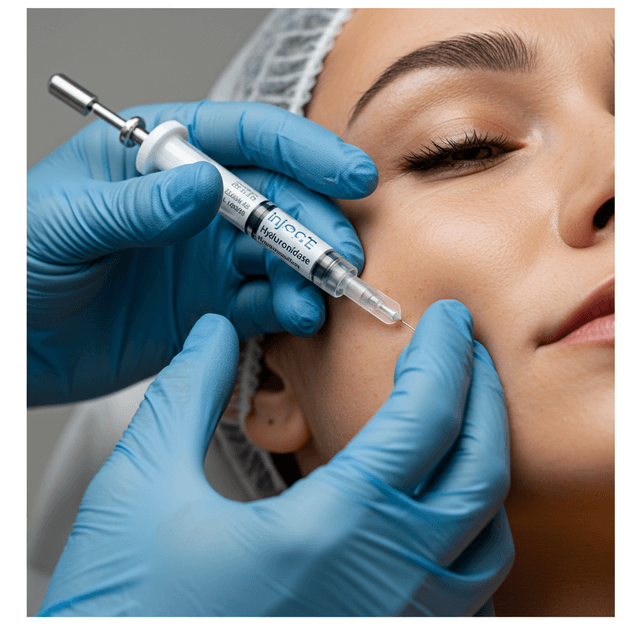
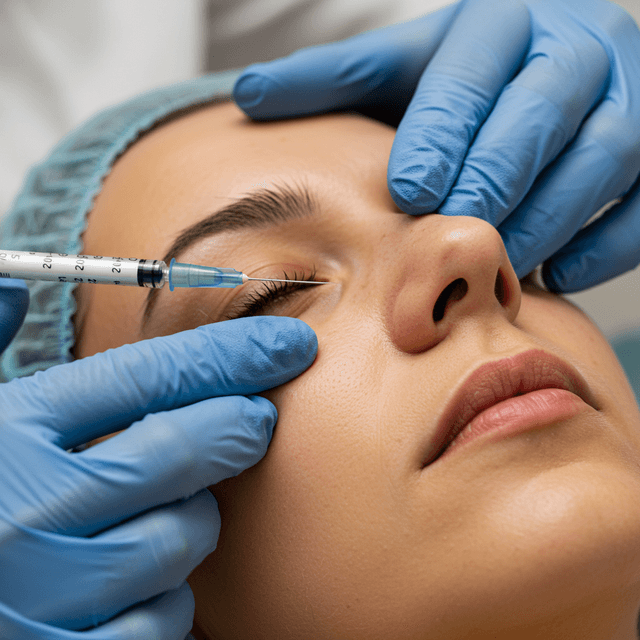
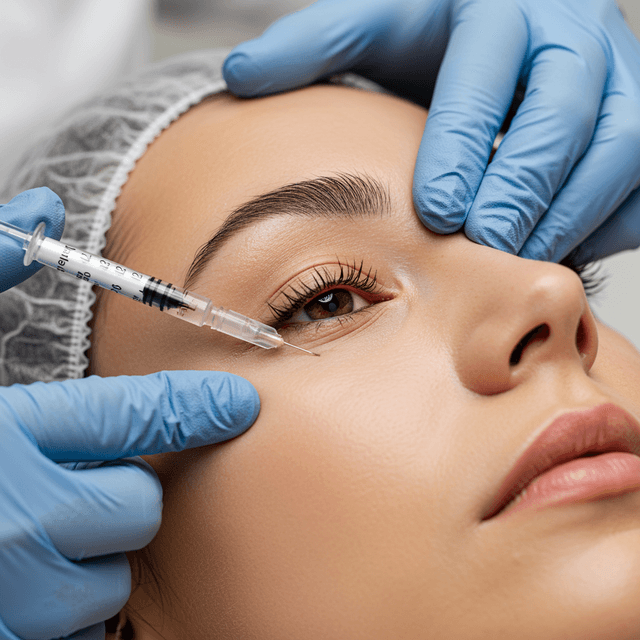
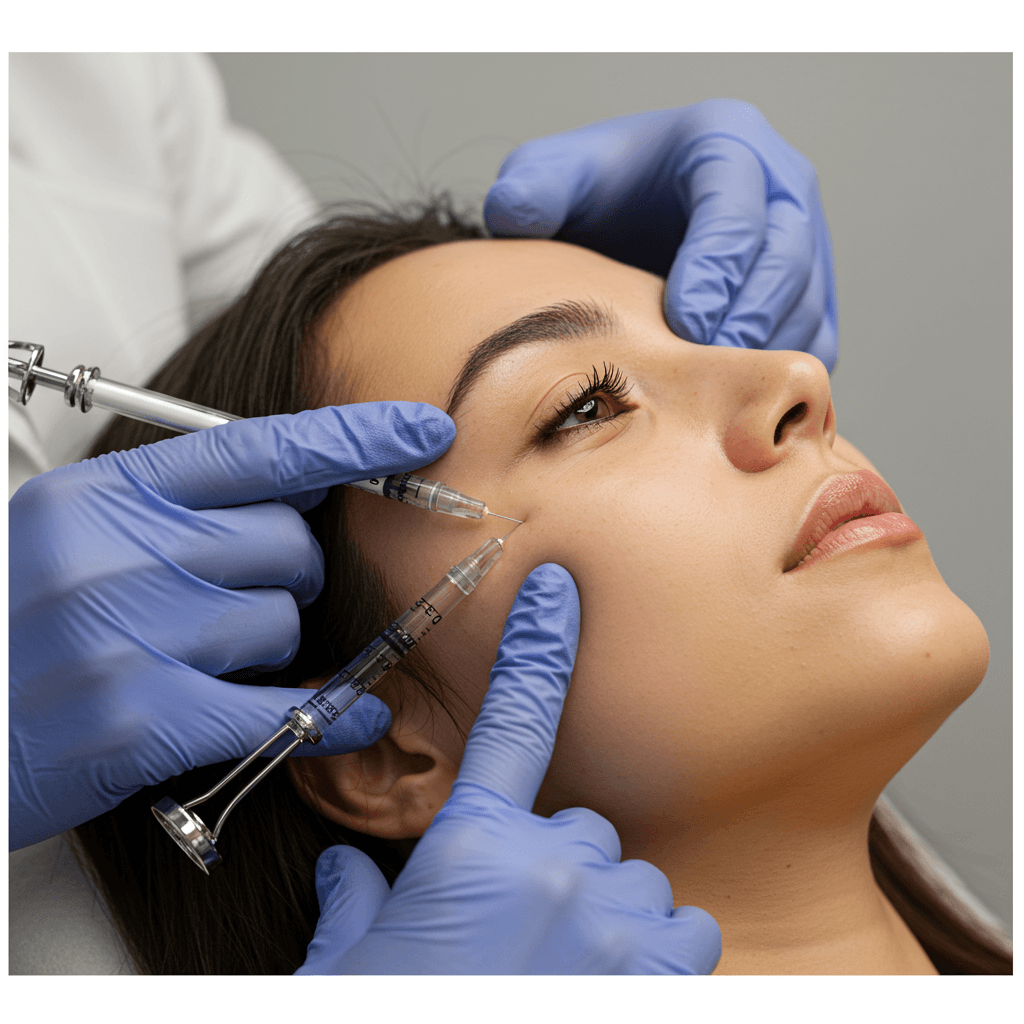
Cheek filler is a cosmetic treatment designed to enhance facial volume and provide a more defined cheek structure. Typically composed of hyaluronic acid, a substance naturally found in the body, the procedure involves injecting the filler into specific areas of the cheeks to achieve a plumper and youthful appearance. The process usually takes around 30 minutes and may involve minimal discomfort. Results are often immediate, lasting several months, and the treatment can be adjusted as needed for a personalised aesthetic outcome.
 27248 Appointments made
 5809+ clinics to offer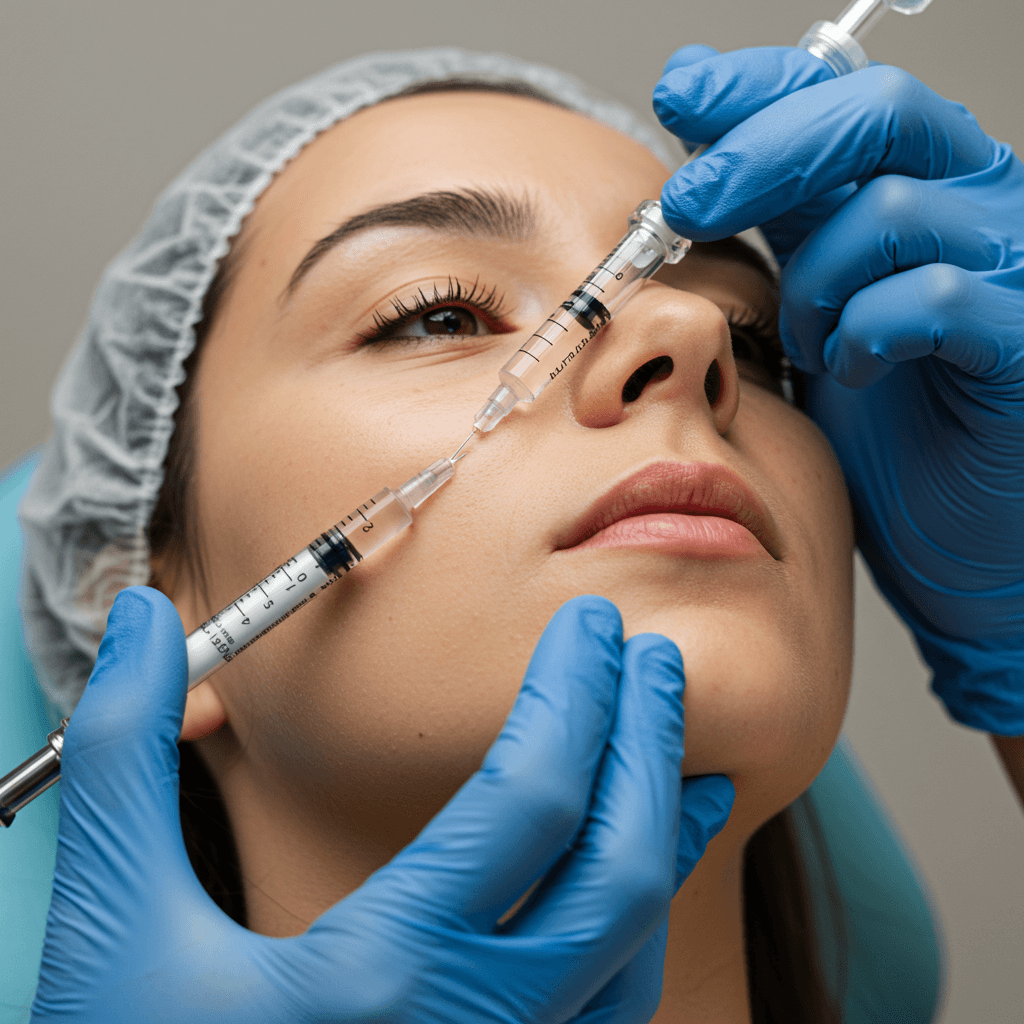
Highlights

Price range

Treatment time

Recovery time

Treatment sessions

Duration of results

Satisfaction rate
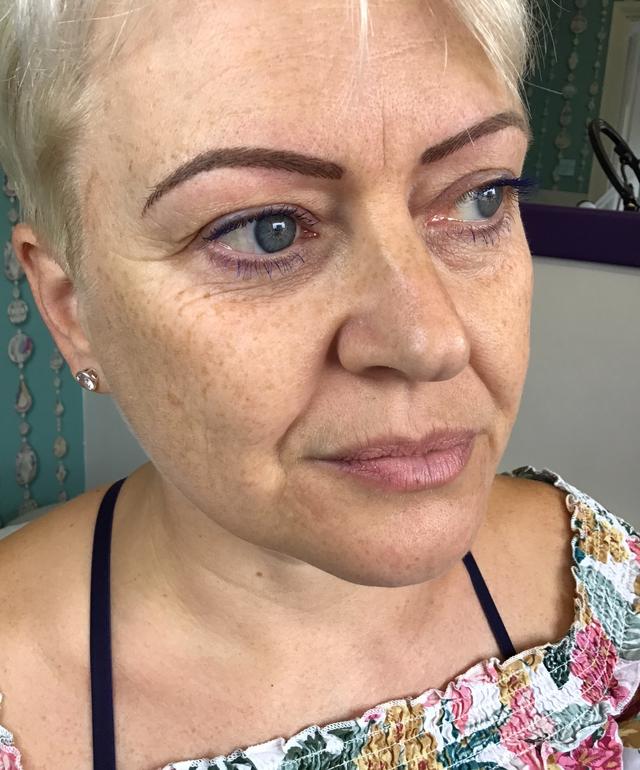
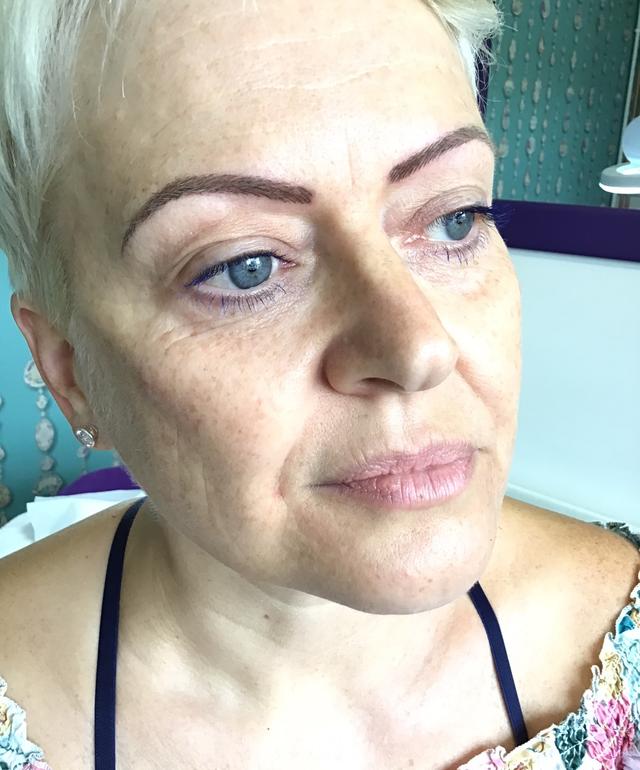
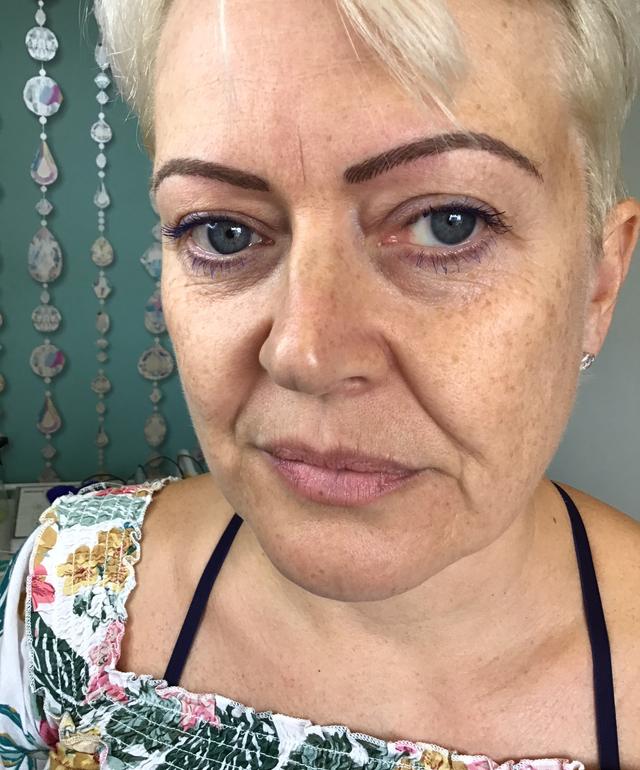
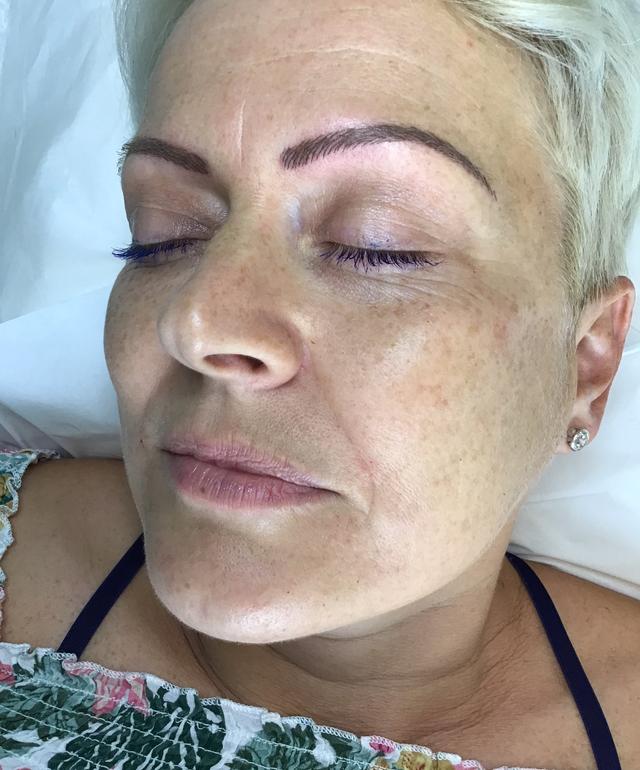
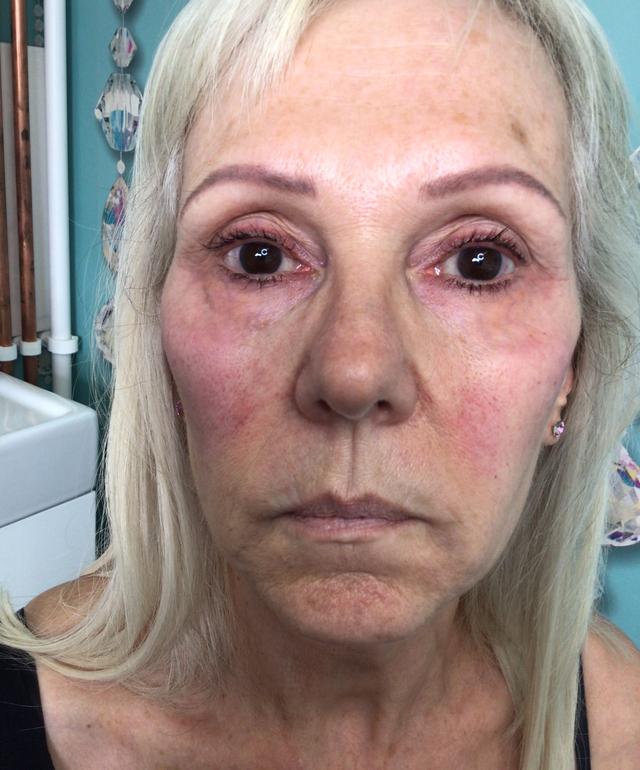
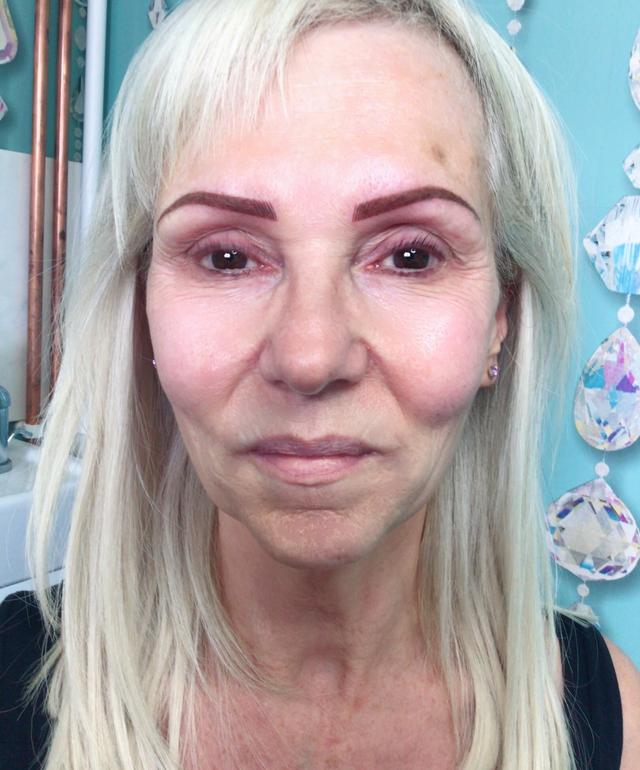
Before / After results
How it works
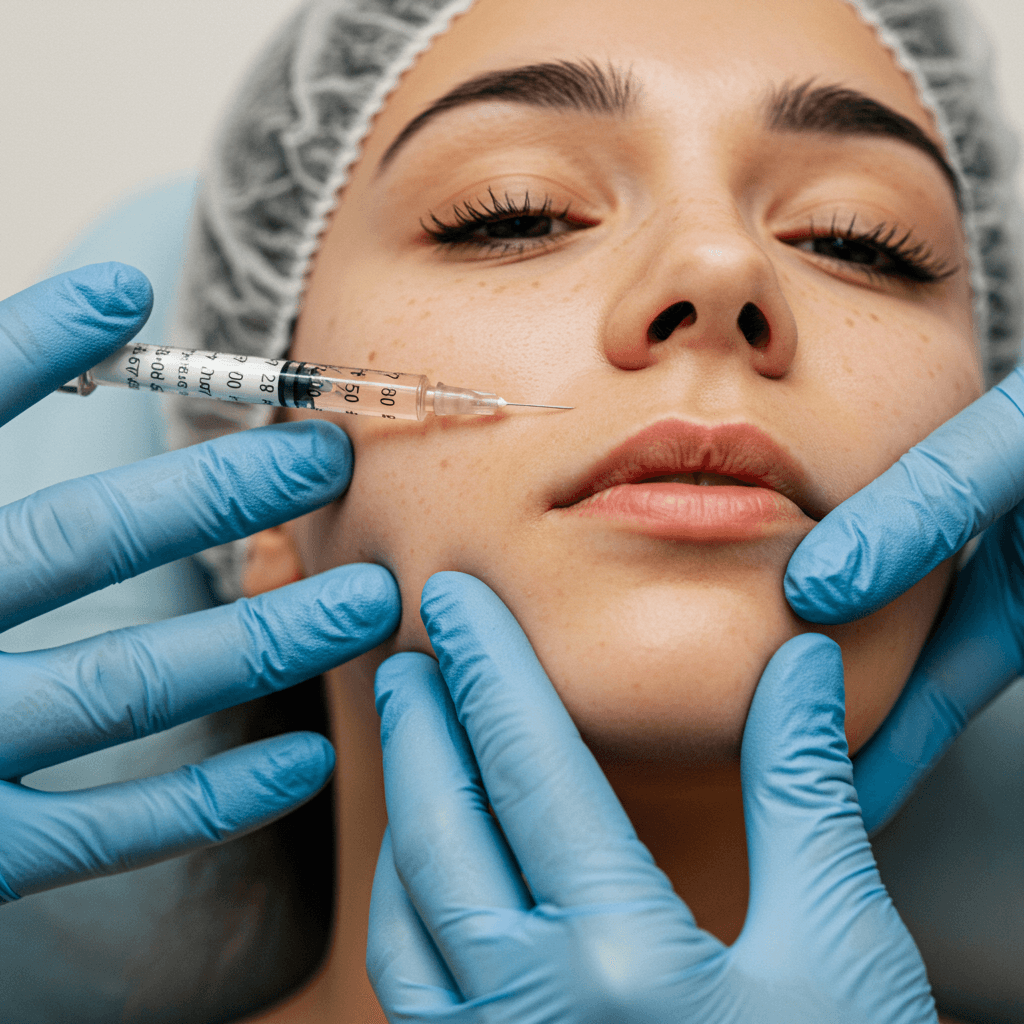
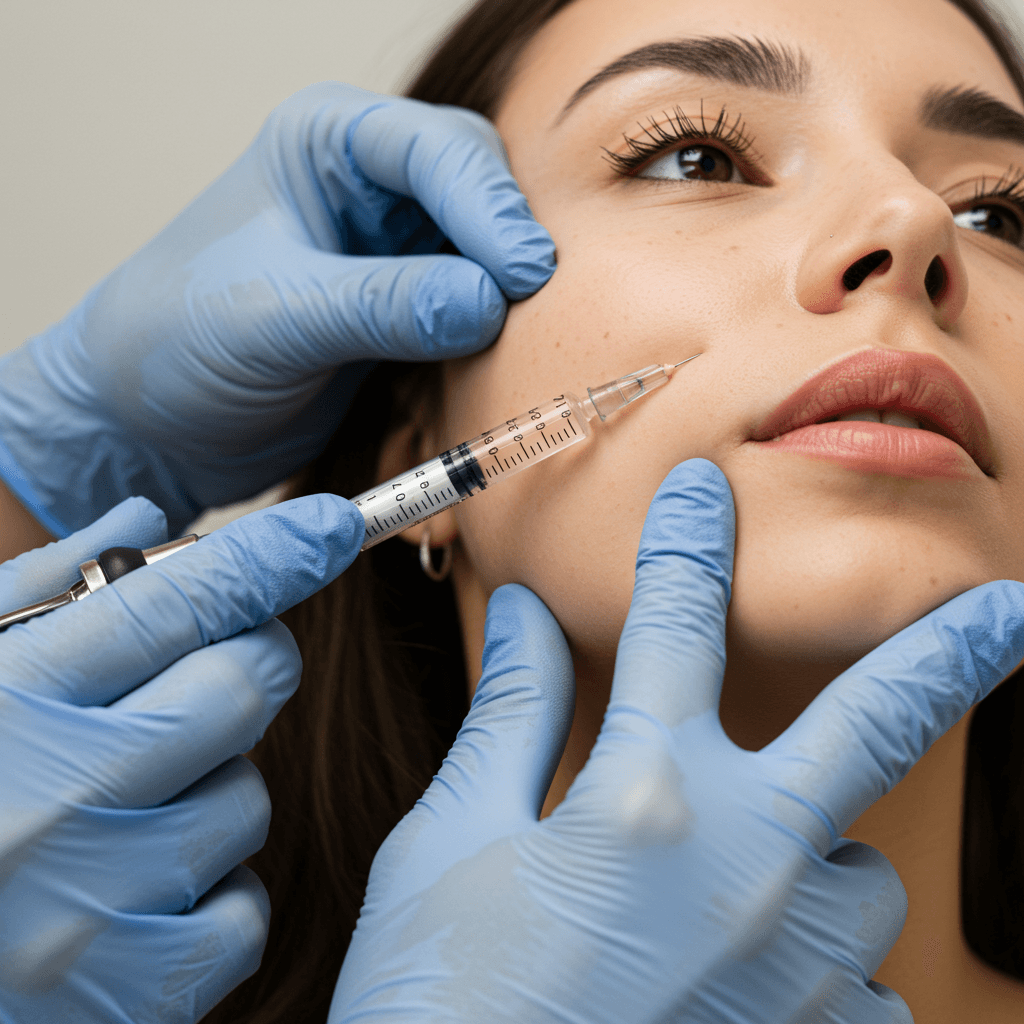
Cheek fillers, primarily hyaluronic acid, enhance facial contours by adding volume and hydration. The injection stimulates collagen production and provides a youthful appearance, correcting sagging and enhancing cheek prominence. Results are instant, with effects lasting several months, making it a popular choice for non-surgical facial rejuvenation.


Ideal candidates
A good candidate for cheek filler treatment typically has good skin elasticity and seeks to enhance facial contour, address volume loss, or improve asymmetry. Ideal candidates are generally over 21, in good health, and have realistic expectations about the outcomes, aiming for a naturally rejuvenated appearance.
Treatment variations
Various types of cheek fillers are available, each tailored to specific areas and aesthetic objectives. Your practitioner will assess your unique features and goals to determine the most appropriate filler. This personalised approach ensures optimal results, enhancing your natural beauty while addressing your individual requirements effectively.


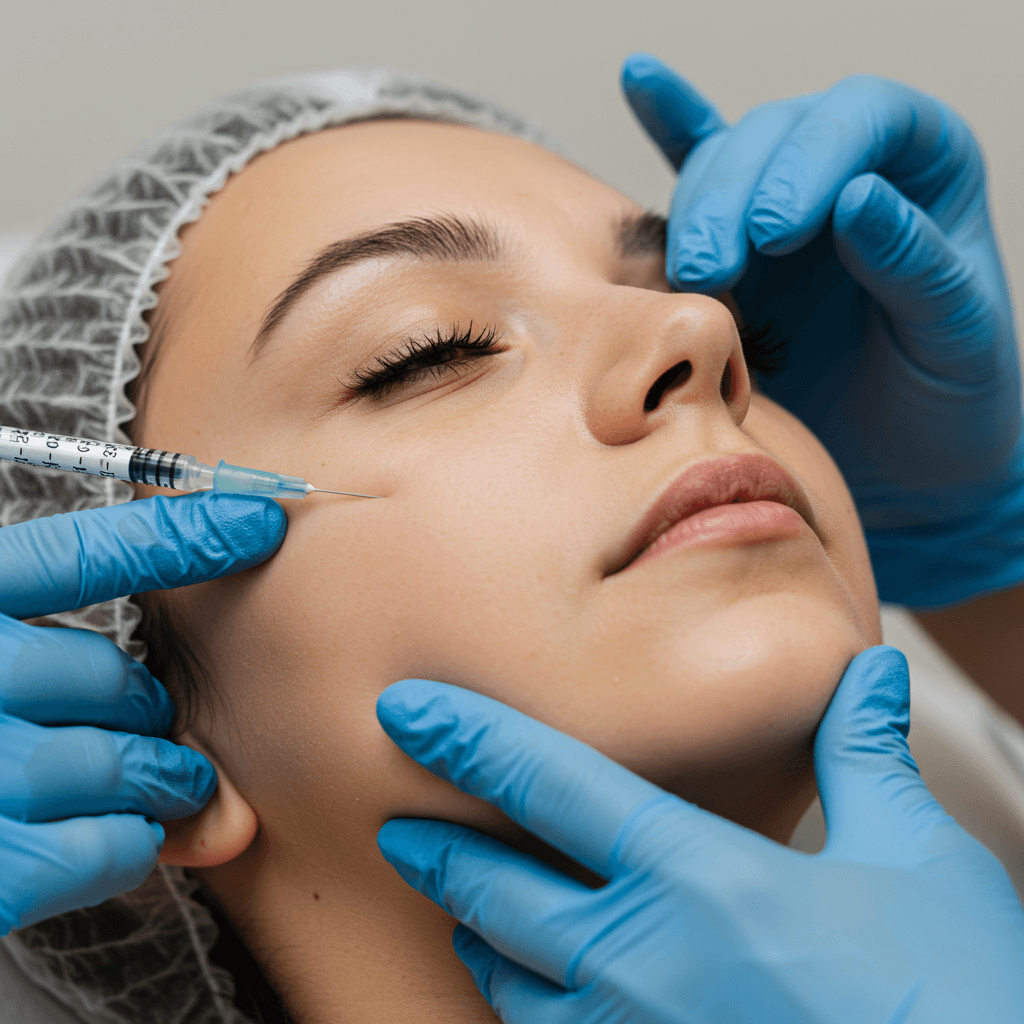
Important considerations
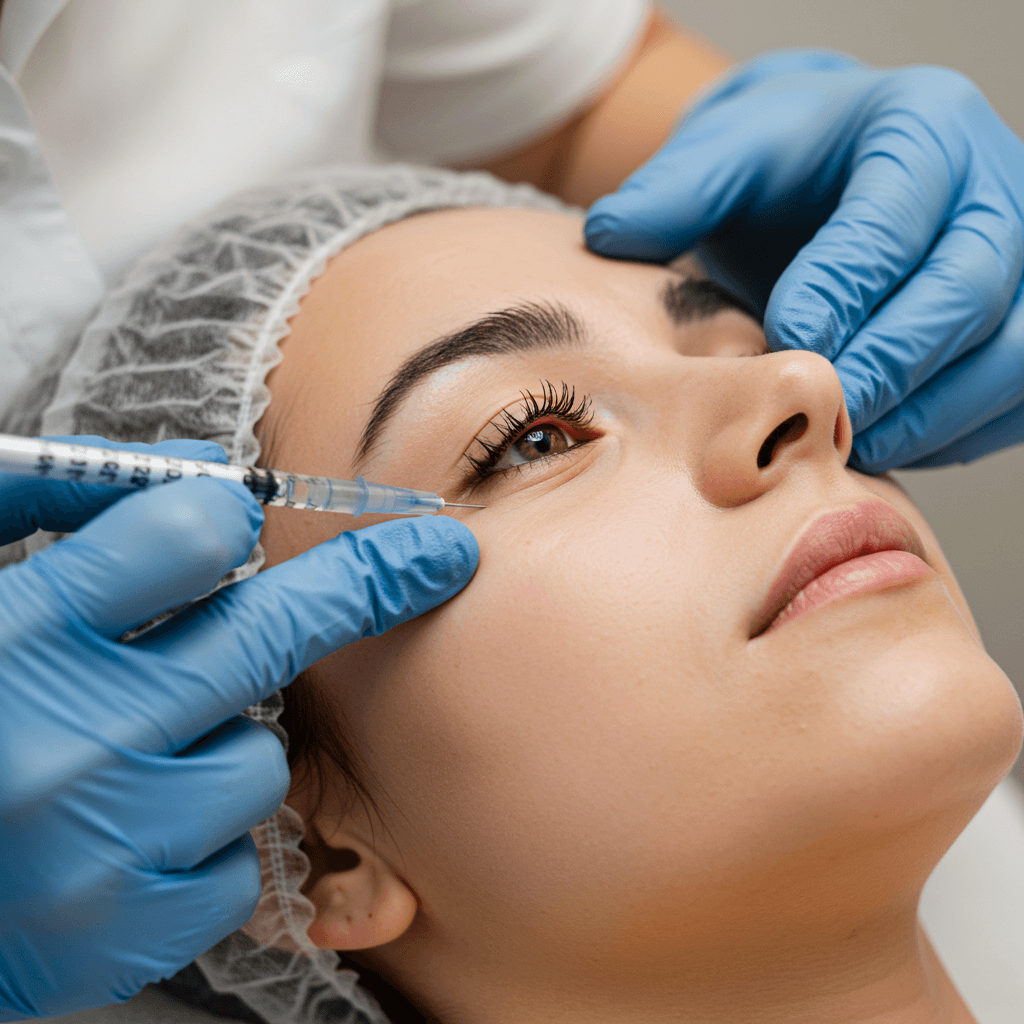
Cheek filler treatments can be safe when performed by a qualified professional, such as a registered doctor or nurse. Safety considerations include assessing your medical history and understanding potential side effects. It's crucial to choose a reputable clinic that uses approved dermal fillers. Before the procedure, discuss any allergies and follow pre-treatment guidelines to minimise risks. Opt for experienced practitioners to ensure effective and safe results, enhancing your natural beauty with confidence.
The Cheek Filler procedure
Cheek filler is a non-surgical cosmetic procedure that uses hyaluronic acid injections to enhance facial volume and contour, providing a youthful appearance.
What it feels like
After your cheek filler treatment, you’ll likely feel a sense of rejuvenation and subtle fullness in your cheeks. Most patients experience minimal discomfort, with any swelling or bruising subsiding quickly, allowing you to enjoy your enhanced look in no time.
Cheek Filler benefits
01
Enhances Facial Structure
Cheek fillers provide effective volume, creating a more defined facial contour.
02
Youthful Appearance
Professional treatment offers immediate relief from sagging, restoring a youthful look.
03
Boosts Confidence
With safe results, many experience a significant boost in self-esteem and confidence.
04
Natural Results
Expert techniques ensure the outcome appears natural and harmonious with your features.
05
Minimal Downtime
Quick procedure allows you to book for a convenient enhancement with little recovery.
Cheek Filler risks and side effects
Understand potential side effects like swelling, bruising, or asymmetry. Seek prompt care for severe pain, discoloration, or worsening symptoms.
1. Swelling
Post-treatment swelling is common and can last several days. This may lead to temporary changes in appearance, often resolving with time and proper post-care.
2. Bruising
Bruising can occur at injection sites, typically lasting a week. It may be exacerbated by factors like blood thinners or vigorous activities immediately post-treatment.
3. Infection
Though rare, there’s a risk of infection at the injection site. Proper sterilisation and aftercare can minimise this risk, but symptoms like redness and pus should prompt immediate consultation.
4. Asymmetry
Improper placement of fillers could result in facial asymmetry. This complication may require additional treatment to correct and should be discussed thoroughly with the practitioner beforehand.
5. Vascular Complications
Rarely, filler may inadvertently enter a blood vessel, causing serious complications such as skin necrosis or vision loss. Immediate medical attention is crucial if symptoms like sudden pain or colour change occur.
Recovery process
Recovery timeline
After cheek filler treatment, mild swelling and bruising can occur, peaking within 48 hours and generally subsiding within a week. Patients are advised to avoid strenuous exercise for 24-48 hours. Final results typically become visible after two weeks, once any residual swelling has fully resolved, allowing for a clearer view of the enhancement.

Aftercare Instructions
- Avoid touching or massaging the treated area for 24 hours.
- Refrain from strenuous exercise for 48 hours.
- Steer clear of extreme temperatures (saunas, hot showers) for 48 hours.
- Do not consume alcohol for 24 hours.
- Use cold packs to reduce swelling as needed.
- Follow up with your practitioner for any concerns.

Week 1
During the first week post-cheek filler treatment, patients may experience swelling and bruising, peaking around days two to three. Results gradually improve as swelling subsides, revealing a more defined and youthful appearance by the week’s end.

Week 2
In the second week post-treatment, swelling typically reduces significantly, revealing more natural results. Patients can expect a subtle enhancement in cheek contour, with the filler settling, achieving a smoother appearance as any residual puffiness dissipates.

Months 1–6+
In the weeks following cheek filler treatment, patients may notice swelling and gradual settling of the product, with optimal results typically visible after two to four weeks, lasting between six to twelve months before subtle fading occurs.
Questions about Cheek Filler
All your questions answered.
Cheek filler results typically last between 6 to 18 months, depending on factors like the type of filler used, individual metabolism, and lifestyle. Factors such as sun exposure, hydration, and skincare can also influence longevity. To maintain results, regular top-up treatments are recommended, allowing you to enjoy a youthful appearance for longer.
The Cheek Filler procedure involves minimal discomfort for most patients. Practitioners often use a topical numbing cream and the fillers themselves usually contain local anaesthetic to enhance comfort. While some may feel a slight pinch or pressure, any pain is generally mild and brief. Practitioners prioritize patient comfort, ensuring a relaxed experience throughout the process.
Patients can typically resume normal activities immediately after cheek filler treatment. Downtime is minimal, though some may experience temporary side effects like swelling or bruising for a few days. It’s advisable to avoid makeup for at least 24 hours post-treatment to minimise the risk of irritation. Always follow your practitioner’s specific guidance for the best results.
A good candidate for cheek filler treatment is typically over 18, in good health, and seeking to enhance facial volume. Potential contraindications include allergies to hyaluronic acid, skin infections, or certain medical conditions. It’s essential to consult a qualified practitioner to evaluate your suitability, discuss expectations, and ensure safety and desired outcomes before proceeding with treatment.
 We’re an MHRA licensed broker.
All-in-one platform for aesthetic clinics. Manage bookings and digital consent easily. Reduce paperwork and save time. Secure client data and records. Built for modern practitioners.


Get in touch







 5 (7)
5 (7) 22.36m







.1f395bec.png&w=32&q=75) 4912+ clinics
4912+ clinics