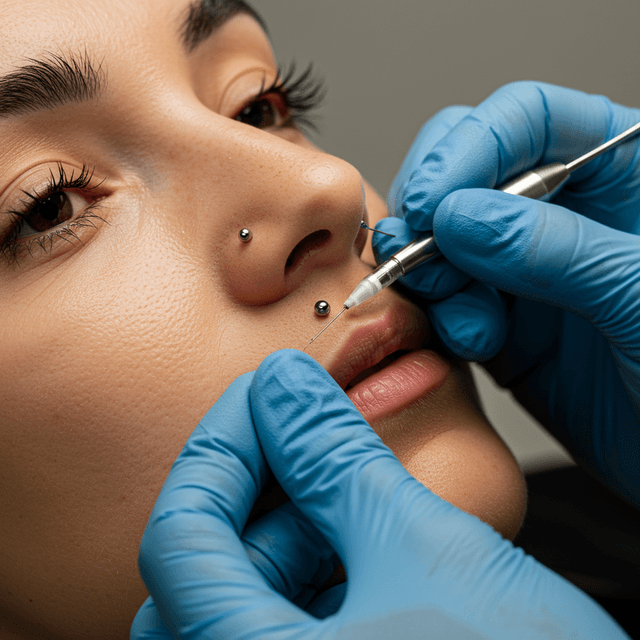
Find Body Piercing near me
Book the best Body Piercing online in seconds. Read reviews and compare the top rated Body Piercing near you on Faces.
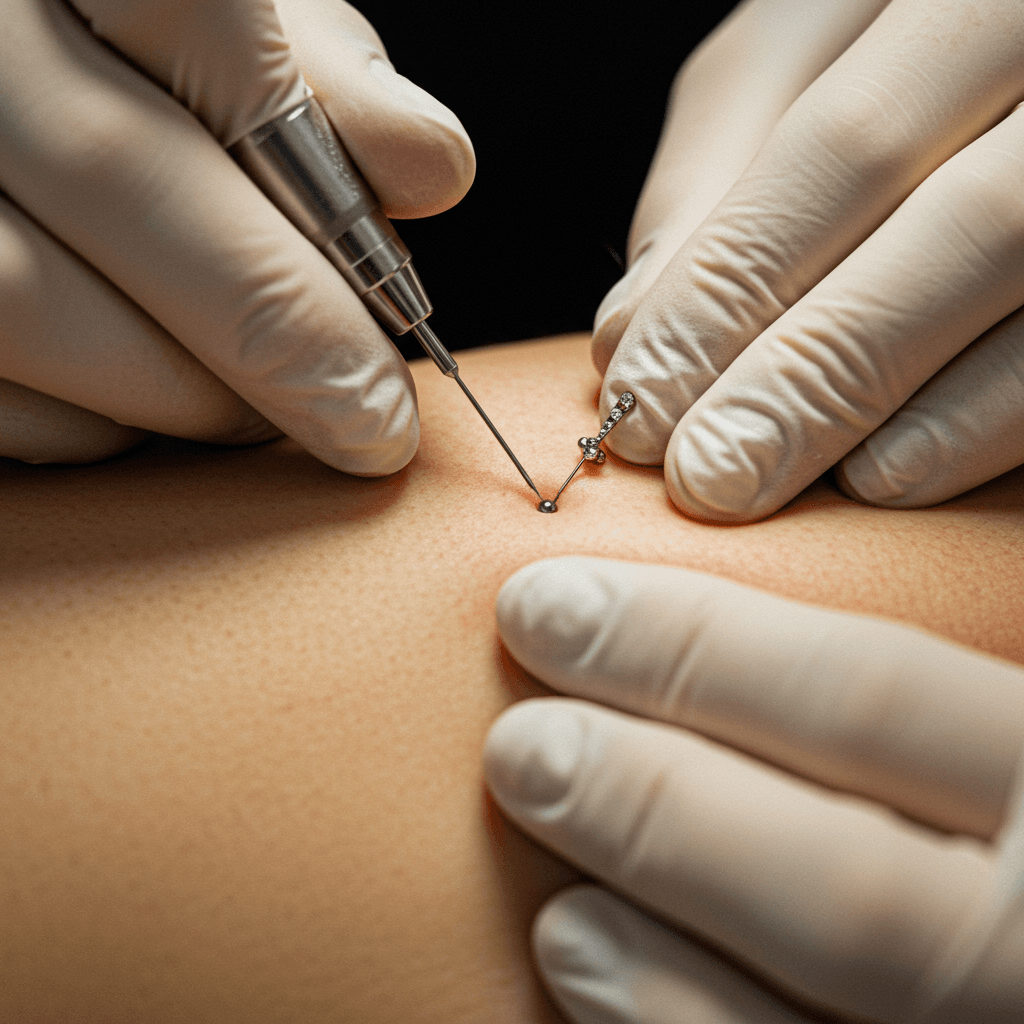
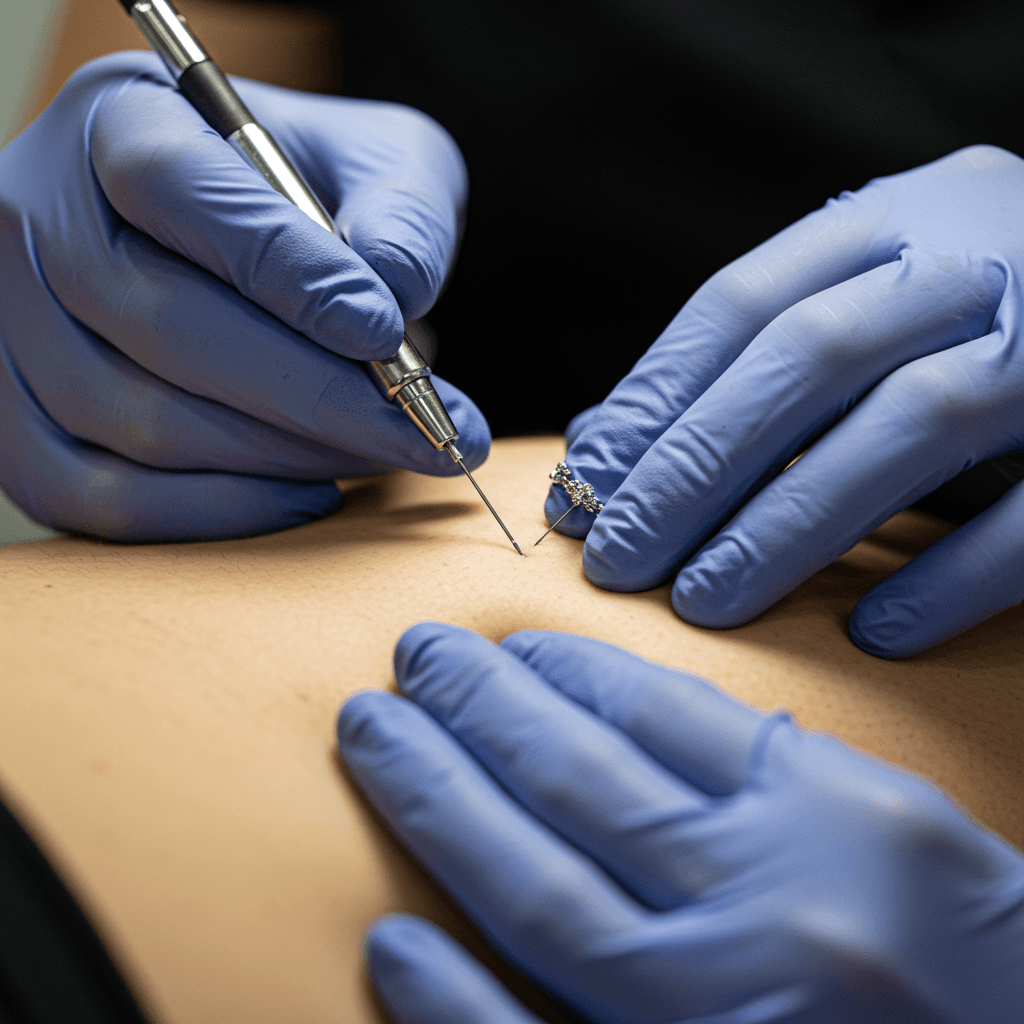
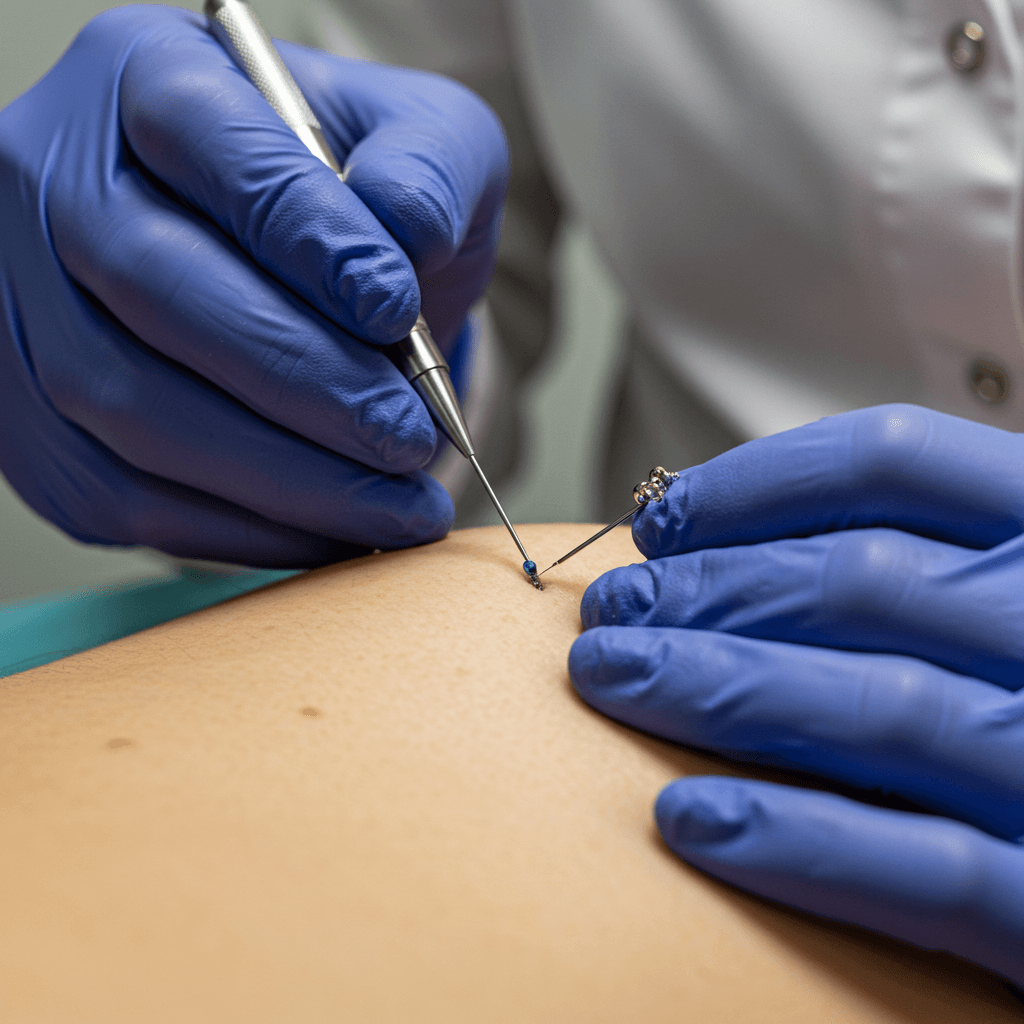
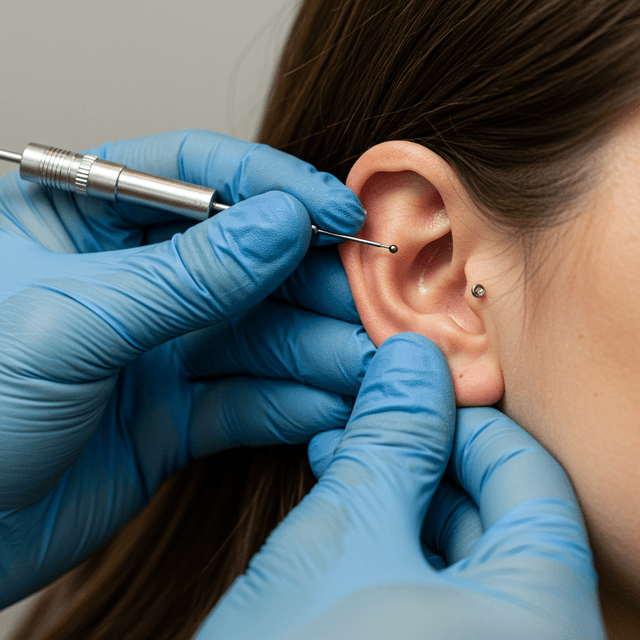
Body piercing involves the creation of an opening in the skin or cartilage to insert decorative jewellery. The procedure typically begins with thorough cleaning of the area, followed by the use of a sterilised needle to puncture the skin. Afterward, a suitable piece of jewellery, often made from materials like surgical stainless steel or titanium, is carefully placed in the new hole. Proper aftercare is essential to prevent infection and ensure healing, with recommendations including regular cleaning and avoiding irritation during the recovery period.
 25728 Appointments made
 271+ clinics to offer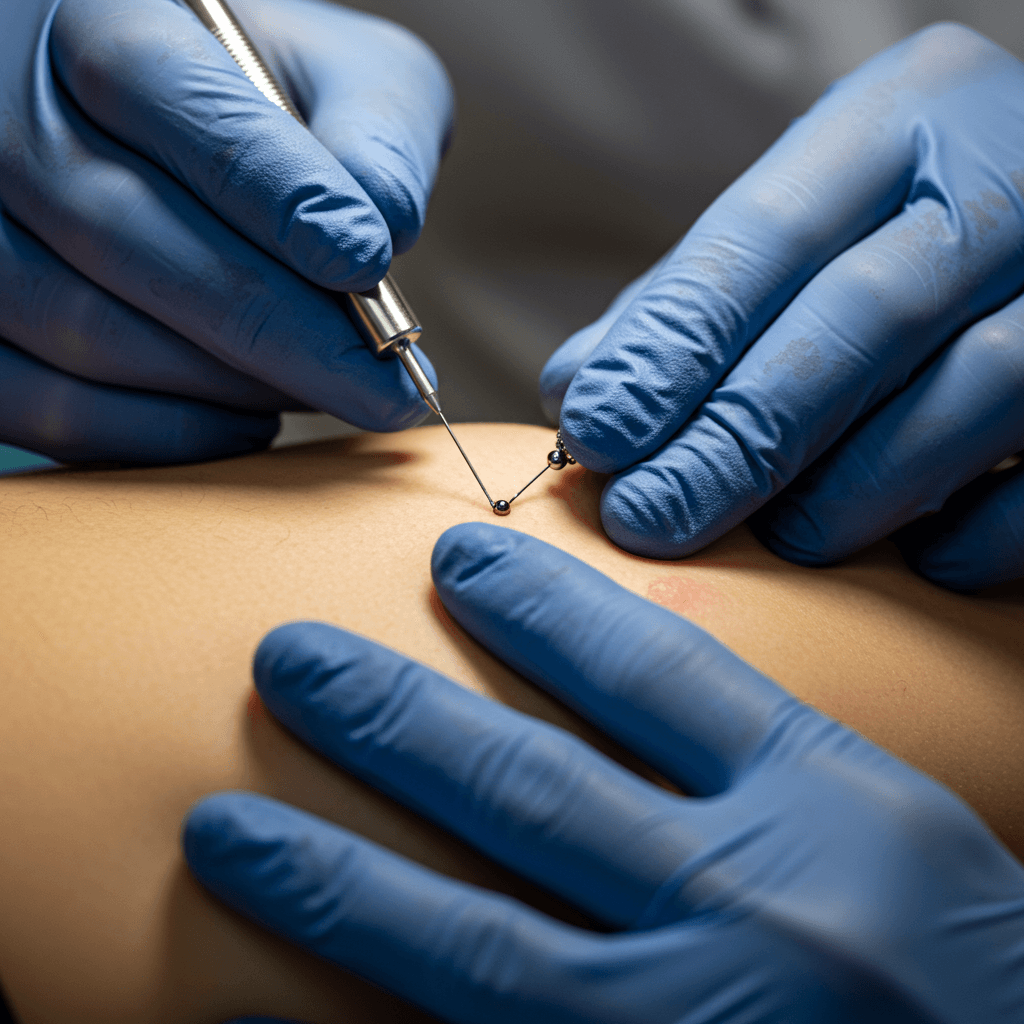
Highlights

Price range

Treatment time

Recovery time

Treatment sessions

Duration of results

Satisfaction rate
Before / After results
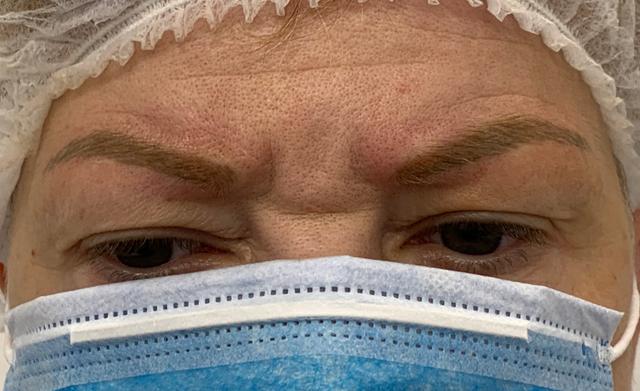
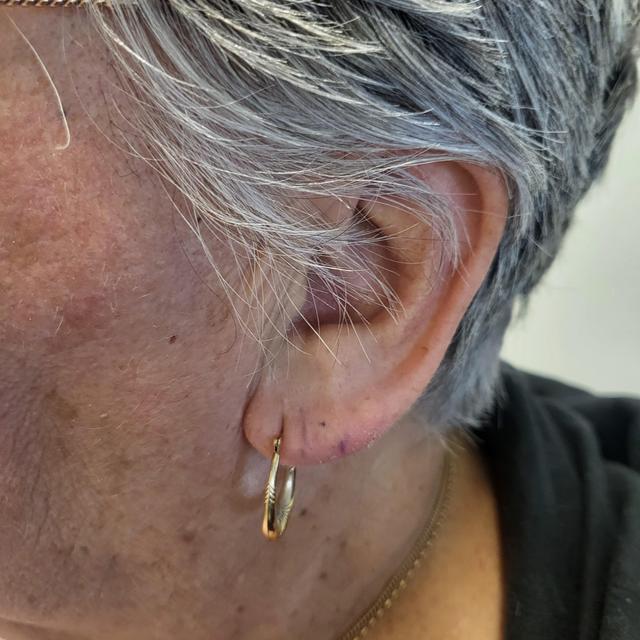
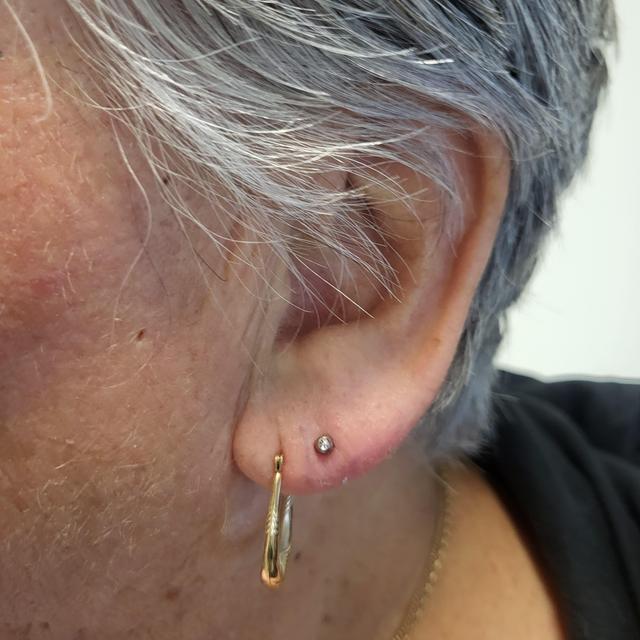
How it works
Body piercing involves creating an opening in the skin using a sterilised needle, allowing for the insertion of decorative jewellery. The purpose is often aesthetic or cultural. Common materials include surgical steel, titanium, and biocompatible plastics to minimise irritation and promote healing in newly pierced areas.


Ideal candidates
A good candidate for body piercing is an individual over 16 years old, in good health, and with realistic expectations. They should demonstrate an understanding of aftercare and potential risks. Body piercing can address aesthetic desires, personal expression, and cultural significance while enhancing body art appreciation.
Treatment variations
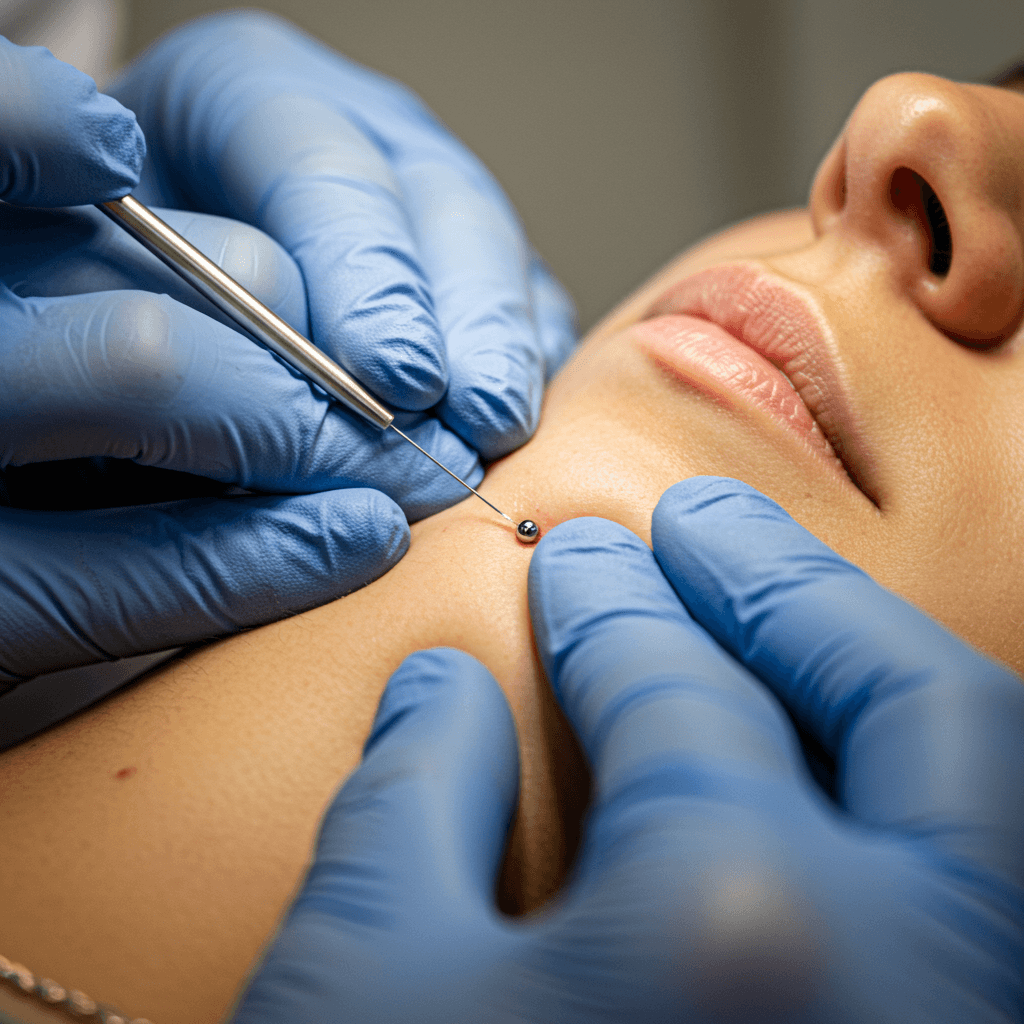
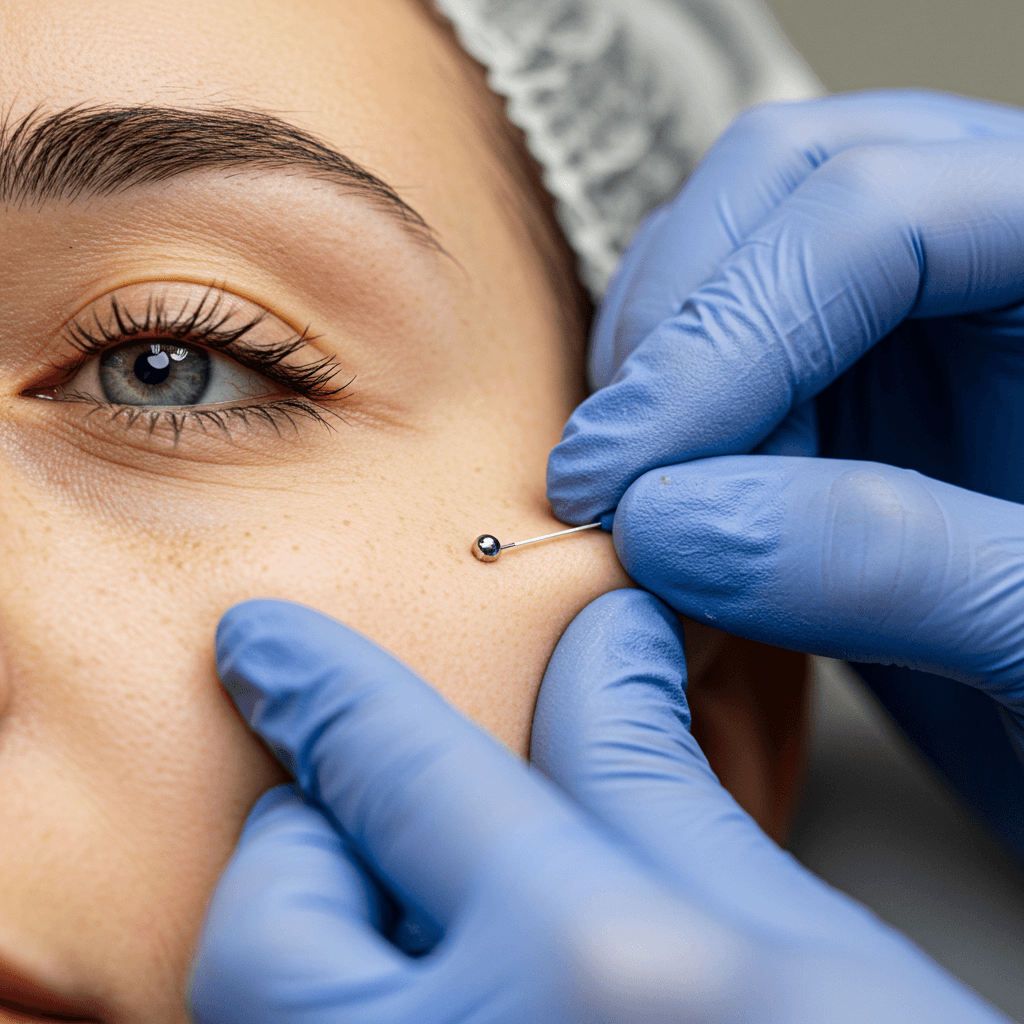
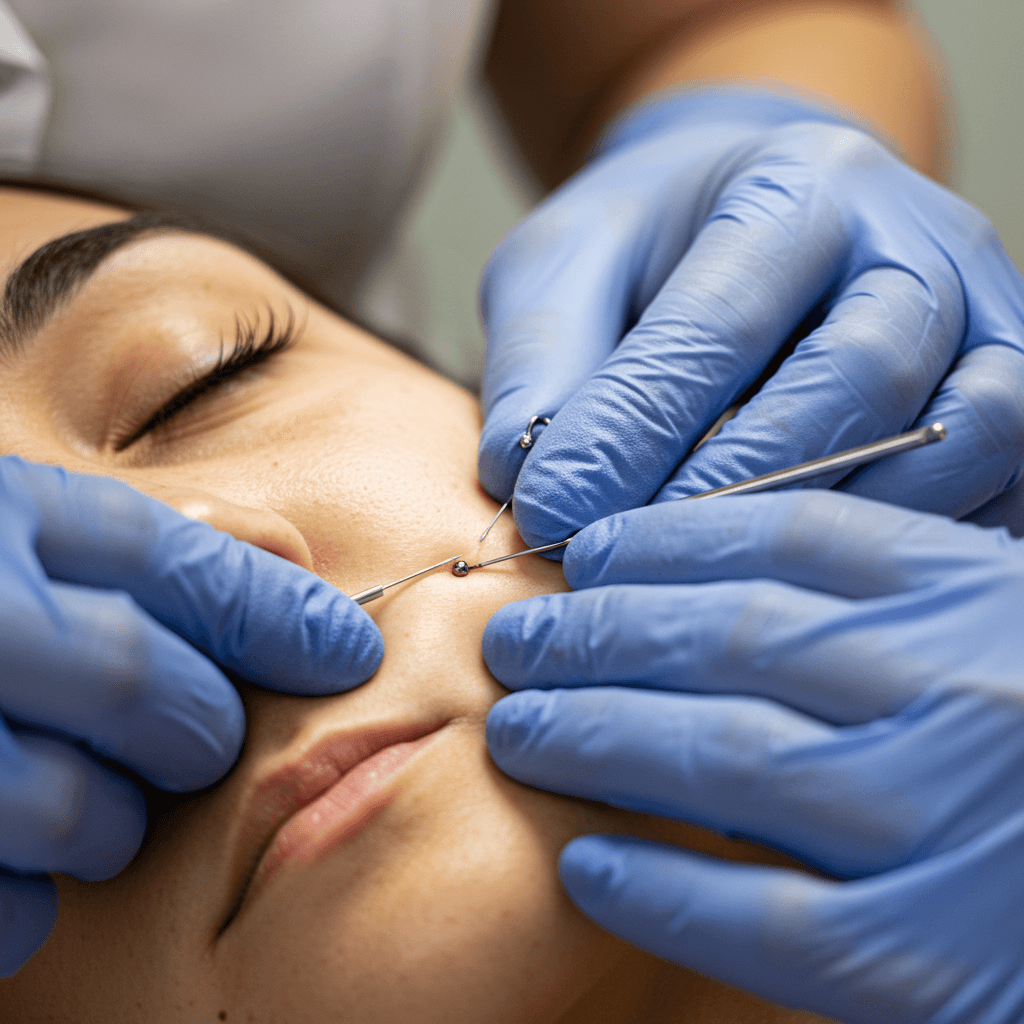
Body piercing offers a variety of options tailored to specific areas and aesthetic preferences. Your practitioner will assess your anatomy and desired look to recommend the most appropriate type. Whether it's for self-expression or style, professional guidance ensures a safe and satisfying piercing experience.
Important considerations
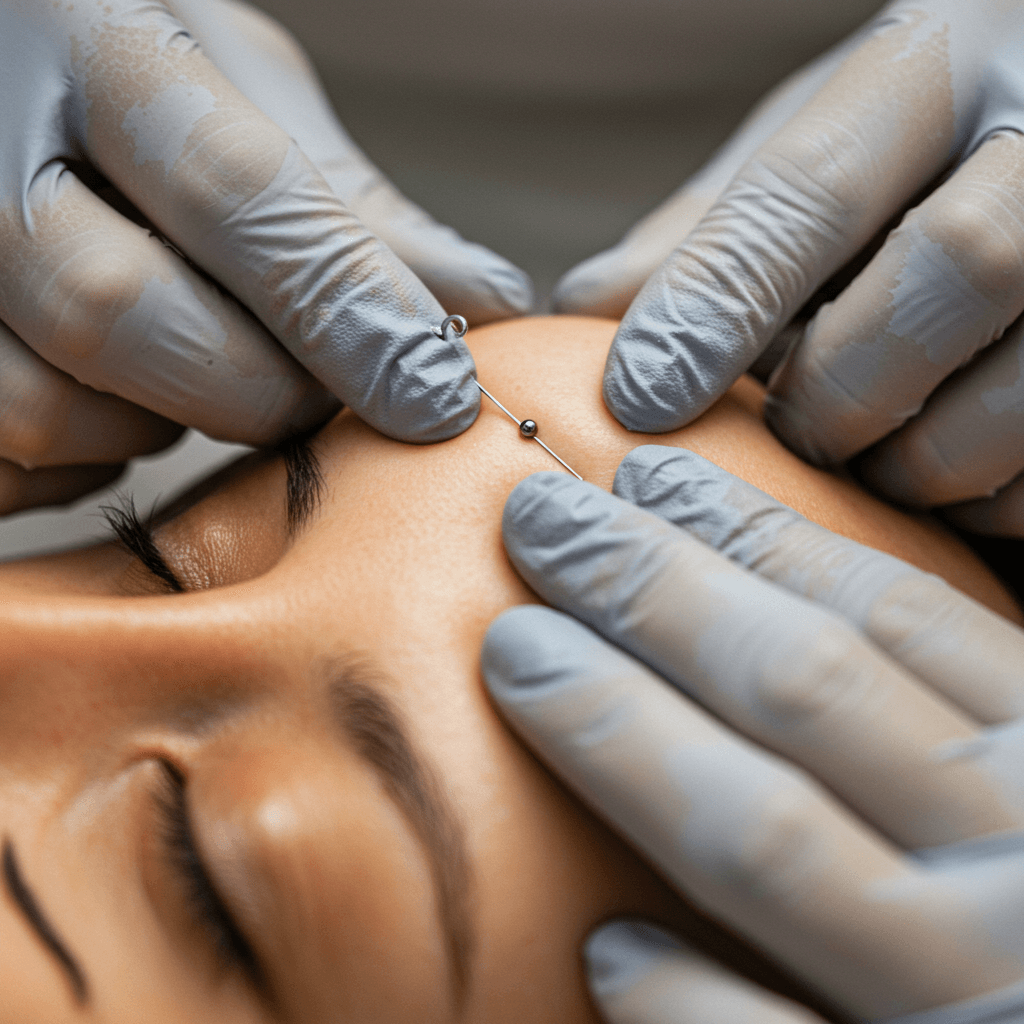
Body piercing can be safe when performed by a qualified professional in a sterile environment. It's crucial to choose an experienced piercer who uses high-quality materials to minimise infection risks. Before the procedure, ensure you're in good health and discuss any concerns. Adhering to aftercare instructions is essential for healing. Invest in your look confidently by opting for a reputable piercing studio to guarantee a safe and satisfying experience.
The Body Piercing procedure
Body piercing is a non-surgical procedure that involves creating an opening in the skin using a sterile needle to insert jewellery for decorative purposes.
What it feels like
After a body piercing, patients often experience a sense of exhilaration and satisfaction. The initial sensitivity quickly subsides, replaced by comfort as they admire their new adornment, feeling confident and unique in their personal expression.
Body Piercing benefits
01
Professional Service
Experienced practitioners ensure safe and effective body piercing treatment for clients.
02
Customised Options
You can book various styles to express your individual personality and taste.
03
Quick Recovery
With proper care, relief from discomfort can be achieved in a short time.
04
Enhanced Confidence
Body piercing can safely boost self-esteem and affirm your personal identity.
05
Artistic Expression
A professional piercing allows for unique designs that showcase your individual style.
Body Piercing risks and side effects
Understand potential side effects like swelling, bruising, or asymmetry. Seek prompt care for severe pain, discoloration, or worsening symptoms.
1. Infection
Infections can occur at the piercing site due to bacteria entering the wound, leading to redness, swelling, and pus. Proper aftercare is crucial to minimise this risk.
2. Allergic Reactions
Some individuals may experience allergic reactions to the metal in the jewellery, resulting in itching, rash, or irritation. Selecting hypoallergenic materials can help reduce this risk.
3. Keloids
Keloids are raised scars that can develop at the piercing site, particularly in predisposed individuals. They might be more common in certain body areas and can require treatment if bothersome.
4. Migration or Rejection
Body piercings can sometimes migrate or be rejected by the body, causing the jewellery to move or be pushed out. This is more common with surface piercings and can necessitate removal.
5. Nerve Damage
Though rare, nerve damage can occur during piercing, leading to prolonged pain, numbness, or altered sensation in the area. It's essential to choose a skilled professional to minimise this risk.
Recovery process
Recovery timeline
Recovery from body piercing typically involves swelling and bruising peaking within the first few days. Light physical activity can resume after 1-2 weeks, but vigorous exercise should be avoided for at least a month. Full healing may take several months, with final results visible around this time, depending on the piercing location and individual healing response.

Aftercare Instructions
- Clean the piercing daily with saline solution or antiseptic spray.
- Avoid touching or twisting the jewelry.
- Keep hair, makeup, and other products away from the area.
- Refrain from swimming and soaking in water until healed.
- Wear loose clothing to prevent irritation.
- Avoid alcohol and tobacco to promote faster healing.

Week 1
During the first week post-body piercing, patients typically experience some swelling and minimal bruising. Results evolve as swelling subsides, revealing clearer piercings. Proper aftercare is essential to ensure a smooth healing process.

Week 2
In the second week post-body piercing, swelling typically decreases significantly, and redness may lessen. The piercing may appear more settled, but healing continues, so careful hygiene remains essential to avoid complications.

Months 1–6+
In the first month post-piercing, patients may experience swelling and tenderness, gradually subsiding. Optimal results typically manifest around three to six months, with the piercing fully healing over a year, potentially enhancing its appearance long-term.
Questions about Body Piercing
All your questions answered.
Body piercing results can last indefinitely if properly cared for. Generally, healing times range from a few weeks to several months, depending on the location and individual factors like skin type and aftercare. Regular maintenance, such as cleaning and monitoring for infections, significantly contributes to longevity. Neglect can lead to issues, so ongoing care is essential for lasting results.
Body piercing typically involves some discomfort, often described as a sharp pinch, lasting only a moment. Practitioners may use numbing creams or sprays to reduce pain, and they focus on creating a calm environment to ease anxiety. Clear communication and gentle techniques also help ensure a more comfortable experience, making the process as swift and pleasant as possible.
After a body piercing treatment, most patients can resume normal activities within a day. However, tenderness, swelling, or slight bleeding are common temporary side effects. It’s advisable to avoid makeup around the piercing for at least a few days to prevent irritation or infection. Always follow your piercer's aftercare instructions for the best healing results.
A good candidate for body piercing is generally over 16, in good health, and free from skin conditions or allergies. Contraindications include autoimmune disorders, diabetes, and certain medications that affect healing. A consultation with a qualified practitioner is essential to discuss your medical history, ensure a safe procedure, and receive aftercare advice tailored to your needs.
 We’re an MHRA licensed broker.
All-in-one platform for aesthetic clinics. Manage bookings and digital consent easily. Reduce paperwork and save time. Secure client data and records. Built for modern practitioners.


Get in touch







 0 (0)
0 (0) 67.85m





.1f395bec.png&w=32&q=75) 365+ clinics
365+ clinics