


What is Strabismus Surgery?
What kind of treatment is the Strabismus Surgery consent form for?
Strabismus surgery is a surgical treatment designed to correct misalignment of the eyes, improving vision and aesthetics.
- Aims to realign the eyes for better coordination.
- Typically results in improved binocular vision.
- Can enhance cosmetic appearance, boosting confidence.
- Success rates vary but are generally high among patients.
As with any surgery, there may be rare side effects; consult your surgeon for more information.

- It is a legal and ethical requirement in the UK
- Confirms you understand the treatment and possible side effects
- Helps set realistic expectations and ensures safe practice
- Builds trust between you and your practitioner
- Your signed confirmation of informed consent
Potential side effects of Strabismus Surgery treatments
Strabismus surgery may result in various side effects that patients should be aware of.
- Temporary swelling
- Bruising around the eyes
- Discomfort or pain
- Double vision
- Changes in eye alignment
Rare side effects include infection, scarring, or persistent double vision.
Who is the ideal candidate for this treatment?
The ideal candidate for Strabismus Surgery includes those with specific conditions and health considerations.
- Children and adults with strabismus affecting vision or appearance
- Individuals in good overall health without significant medical issues
- Non-pregnant individuals or those planning pregnancy after surgery
- No severe allergies to anaesthesia
Consultation is essential for personalised assessment.
Aftercare advice for best results
Proper aftercare is essential for optimal healing and results following strabismus surgery.
- Keep the eye area clean and dry.
- Administer prescribed eye drops as directed.
- Avoid strenuous activities and heavy lifting.
- Wear sunglasses outdoors to protect from light.
- Attend all follow-up appointments with your surgeon.
Failure to follow advice may lead to complications.
How to fill the consent form?
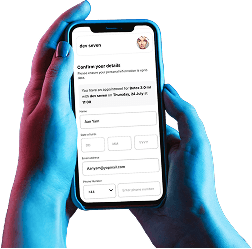
To complete the consent form, carefully read each section outlining the treatment, potential risks, and expected outcomes. Ensure you understand all information before proceeding. Fill in personal details accurately and confirm agreement by ticking the required boxes. The form must be signed digitally to confirm your informed consent.
Looking for an Strabismus Surgery consent form?
Download the Faces Consent App to get your form quickly, easily and it's absolutely FREE!
![[object Object]](/v2/_next/static/media/AppStore.9b0cc504.svg)
![[object Object]](/v2/_next/static/media/googlePlay.bb99f555.svg)