


What is Septoplasty?
What kind of treatment is the Septoplasty consent form for?
Septoplasty is a surgical procedure aimed at correcting a deviated septum to improve breathing and nasal function.
- Intended to relieve nasal obstruction and enhance airflow.
- Typically performed under general anaesthesia in a hospital setting.
- Patients can expect improved breathing and reduced sinus issues post-surgery.
- Recovery time usually spans a few weeks, with minimal downtime.
Potential side effects may include slight bleeding or infection, but these are rare.

- It is a legal and ethical requirement in the UK
- Confirms you understand the treatment and possible side effects
- Helps set realistic expectations and ensures safe practice
- Builds trust between you and your practitioner
- Your signed confirmation of informed consent
Potential side effects of Septoplasty treatments
Septoplasty may lead to various side effects during recovery.
- Pain or discomfort
- Swelling and bruising
- Nasal bleeding
- Difficulty breathing
- Changes in sense of smell
Rare side effects may include infection or septal perforation.
Who is the ideal candidate for this treatment?
The ideal candidate for Septoplasty treatment typically exhibits significant nasal obstruction due to a deviated septum.
- Age 18 or older
- Persistent nasal breathing difficulties
- No active infections or severe allergies
- Non-pregnant individuals
Consultation is essential for those with underlying medical conditions.
Aftercare advice for best results
Proper aftercare is essential for optimal healing following septoplasty.
- Rest and avoid strenuous activities for at least a week.
- Keep your head elevated, especially while sleeping.
- Use saline nasal sprays to keep nostrils moist.
- Avoid blowing your nose for a few weeks.
- Follow all prescribed medication instructions carefully.
Remember to attend follow-up appointments for optimal recovery.
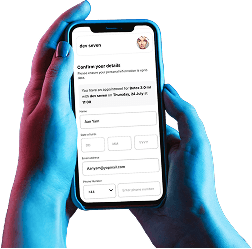
How to fill the consent form?
To complete the consent form, carefully read each section outlining the treatment, potential risks, and expected outcomes. Ensure you understand all information before proceeding. Fill in personal details accurately and confirm agreement by ticking the required boxes. The form must be signed digitally to confirm your informed consent.
Looking for an Septoplasty consent form?
Download the Faces Consent App to get your form quickly, easily and it's absolutely FREE!
![[object Object]](/v2/_next/static/media/AppStore.9b0cc504.svg)
![[object Object]](/v2/_next/static/media/googlePlay.bb99f555.svg)