


What is Scalp Micropigmentation?
What kind of treatment is the Scalp Micropigmentation consent form for?
Scalp Micropigmentation is a non-surgical cosmetic treatment designed to replicate the appearance of hair follicles on the scalp.
- Ideal for those experiencing hair loss or thinning.
- Creates the illusion of a fuller head of hair.
- Results are immediate and can last for several years.
- Safe and minimally invasive procedure.
- Promotes confidence and self-esteem in patients.
As with any cosmetic treatment, rare side effects may occur, so it's essential to discuss any concerns with your practitioner.

- It is a legal and ethical requirement in the UK
- Confirms you understand the treatment and possible side effects
- Helps set realistic expectations and ensures safe practice
- Builds trust between you and your practitioner
- Your signed confirmation of informed consent
Potential side effects of Scalp Micropigmentation treatments
Scalp Micropigmentation treatments can result in several common side effects.
- Redness
- Swelling
- Itching
- Flaking
- Infection
Rare side effects may include allergic reactions or pigmentation irregularities.
Who is the ideal candidate for this treatment?
The ideal candidate for Scalp Micropigmentation is someone seeking a natural-looking solution for hair thinning or loss.
- Generally healthy adults
- Non-pregnant individuals
- No severe allergies to pigments
- No skin conditions affecting the scalp
Consultation is essential for those with medical concerns.
Aftercare advice for best results
Proper aftercare is essential for optimal healing and results following scalp micropigmentation.
- Avoid intense workouts or sweating for at least 4 days.
- Keep the scalp dry and avoid washing for the first 3 days.
- Do not expose the scalp to direct sunlight for 2 weeks.
- Avoid scratching or picking at the scalp.
- Use gentle, fragrance-free products when washing your hair.
Remember, adhering to these guidelines will help maintain the integrity of your treatment.
How to fill the consent form?
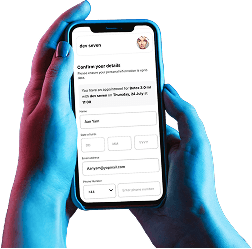
To complete the consent form, carefully read each section outlining the treatment, potential risks, and expected outcomes. Ensure you understand all information before proceeding. Fill in personal details accurately and confirm agreement by ticking the required boxes. The form must be signed digitally to confirm your informed consent.
Looking for an Scalp Micropigmentation consent form?
Download the Faces Consent App to get your form quickly, easily and it's absolutely FREE!
![[object Object]](/v2/_next/static/media/AppStore.9b0cc504.svg)
![[object Object]](/v2/_next/static/media/googlePlay.bb99f555.svg)