


What is Pulsed Dye Laser?
What kind of treatment is the Pulsed Dye Laser consent form for?
The Pulsed Dye Laser treatment is a non-surgical procedure primarily used for skin conditions such as vascular lesions and pigmented lesions.
- Utilises concentrated laser energy to effectively target blood vessels.
- Commonly treats conditions like rosacea, port wine stains, and warts.
- Typically requires multiple sessions for optimal results.
- Patients may experience redness and slight swelling post-treatment.
Rare side effects include blistering or changes in skin pigmentation.

- It is a legal and ethical requirement in the UK
- Confirms you understand the treatment and possible side effects
- Helps set realistic expectations and ensures safe practice
- Builds trust between you and your practitioner
- Your signed confirmation of informed consent
Potential side effects of Pulsed Dye Laser treatments
Pulsed Dye Laser treatments may cause some side effects, primarily mild and temporary.
- Redness at the treatment site
- Swelling
- Discomfort or pain
- Bruising
- Peeling or crusting
Rare side effects include scarring or changes in skin pigmentation.
Who is the ideal candidate for this treatment?
The ideal candidate for Pulsed Dye Laser treatment typically has specific skin concerns and health considerations.
- Non-pregnant individuals
- People without active infections or skin conditions
- Those free from severe allergies
- Individuals with realistic treatment expectations
Not suitable for those with certain medical conditions or on specific medications. Always consult a professional.
Aftercare advice for best results
Proper aftercare for Pulsed Dye Laser treatment promotes healing and enhances results.
- Keep the area clean and dry.
- Avoid direct sun exposure; use SPF 30 or higher.
- Do not pick or scratch treated skin.
- Moisturise to prevent dryness.
- Follow your practitioner's instructions carefully.
If any unusual symptoms occur, contact your practitioner immediately.
How to fill the consent form?
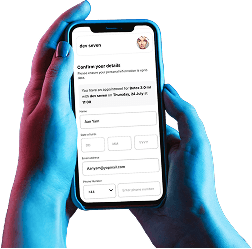
To complete the consent form, carefully read each section outlining the treatment, potential risks, and expected outcomes. Ensure you understand all information before proceeding. Fill in personal details accurately and confirm agreement by ticking the required boxes. The form must be signed digitally to confirm your informed consent.
Looking for an Pulsed Dye Laser consent form?
Download the Faces Consent App to get your form quickly, easily and it's absolutely FREE!
![[object Object]](/v2/_next/static/media/AppStore.9b0cc504.svg)
![[object Object]](/v2/_next/static/media/googlePlay.bb99f555.svg)