
Faces LogoWe’re an MHRA licensed broker.

All-in-one platform for aesthetic clinics. Manage bookings and digital consent easily. Reduce paperwork and save time. Secure client data and records. Built for modern practitioners.

Facebook IconInstagram IconLinkedin IconYoutube IconTwitterIcon IconTiktokIcon Icon

Services

Search ClinicsSearch TreatmentsSearch treatments by locationTraining CoursesCard Machine CompaniesWaste Management ServicesSocial Media MarketingCPD portfolioComplications ConsultantFinance OptionsGet Aesthetics InsuranceGet medical malpractice insuranceAccountancy ServicesFind a prescriberAll ClinicsWeight loss Service for AppetiteWeight loss Service for Eating HabitsWeight loss Service For Control DifficultiesWeight loss Service For Poor Diet

About us

Consent FormsAftercare FormsGDPRHIPAA ComplianceAdvice, Tips and News

Sell

Sell on FacesSeller RegistrationSeller List

Help

Help and supportGeneral FAQ’sSeller’s FAQ’sReturns, Refunds and CancellationsDelivery and FulfilmentMarketplace Terms and ConditionsUser Code of conductSay Hello

Get in touch

  • Phone Icon01785 558018
  • Whatsapp Icon07999 875249
  • Mail Icon[email protected]
  • Location IconFaces pharmacy Ltd,
    Staffordshire Technology Park,
    Pearl House, Unit 8/9 Anson court,
    Stafford ST18 0GB, UK
Play Store OR Code ImageGoogle Play Store Image
App Store OR Code ImageApp Store Image

© 2026 Faces Consent. All rights reserved.

Privacy policyTerms and conditions
faces-image

Non Surgical Rhinoplasty consent form

A Non Surgical Rhinoplasty consent form is crucial in aesthetic treatments, ensuring patient safety through comprehensive documentation of risks and benefits. It facilitates clear communication between practitioner and patient, promoting transparency about the procedure. By outlining expectations and potential outcomes, the form enables informed decisions, empowering patients to take charge of their aesthetic journey. This essential document fosters trust, ultimately enhancing the overall treatment experience in the cosmetic industry.

What is Non Surgical Rhinoplasty?

Non-surgical rhinoplasty, often referred to as a liquid nose job, uses dermal fillers to reshape and enhance the nose without invasive surgery. Targeting areas like the bridge and tip, it provides immediate results with minimal downtime, making it a popular choice for those seeking facial symmetry and refinement.

What kind of treatment is the Non Surgical Rhinoplasty consent form for?

The Non Surgical Rhinoplasty consent form is for a non-surgical injectable treatment aimed at enhancing the shape and profile of the nose.

  • Utilises dermal fillers for contouring without surgery.
  • Intended for those seeking minor shape adjustments.
  • Results typically last 6 to 18 months.
  • Minimal downtime with instant results.
  • Consultation required to assess individual needs.

Possible side effects include swelling or bruising, which are usually temporary.

Why you must sign a consent form
Signing a Consent Form
  • It is a legal and ethical requirement in the UK
  • Confirms you understand the treatment and possible side effects
  • Helps set realistic expectations and ensures safe practice
  • Builds trust between you and your practitioner
  • Your signed confirmation of informed consent

Potential side effects of Non Surgical Rhinoplasty treatments

Non-surgical rhinoplasty offers a quick enhancement but may lead to some side effects.

  • Swelling
  • Bruising
  • Redness at injection site
  • Pain or tenderness
  • Asymmetry

Rare side effects may include allergic reactions or vascular occlusion.

Who is the ideal candidate for this treatment?

The ideal candidate for Non Surgical Rhinoplasty is someone seeking subtle nasal enhancements without surgery.

  • Over 18 years old
  • Good general health
  • No active allergies to fillers
  • Not pregnant or breastfeeding
  • No serious medical conditions

Consultation is essential for tailored advice.

Aftercare advice for best results

Proper aftercare is essential for optimal healing and results following a Non Surgical Rhinoplasty.

  • Avoid touching or massaging the nose for at least 24 hours.
  • Keep your head elevated to reduce swelling.
  • Refrain from strenuous exercise for a week.
  • Use ice packs to manage swelling.
  • Follow your practitioner’s guidelines for skincare.

Remember to consult your practitioner if you have any concerns.

How to fill the consent form?

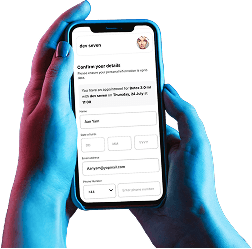
To complete the consent form, carefully read each section outlining the treatment, potential risks, and expected outcomes. Ensure you understand all information before proceeding. Fill in personal details accurately and confirm agreement by ticking the required boxes. The form must be signed digitally to confirm your informed consent.

Looking for an Non Surgical Rhinoplasty consent form?

Download the Faces Consent App to get your form quickly, easily and it's absolutely FREE!

[object Object][object Object]
Azzalure Banner

Frequently asked questions

Non-surgical rhinoplasty typically involves minimal discomfort. Most practitioners use a numbing cream or local anaesthetic to reduce any pain during the procedure. Patients may experience slight swelling or tenderness afterwards, but this usually subsides quickly, allowing for a relatively pain-free recovery.
Results from non-surgical rhinoplasty are typically visible immediately after the procedure, with optimal outcomes becoming more apparent as swelling subsides over the following days. Final results generally stabilise within two weeks, allowing patients to fully appreciate their enhanced nasal contour.
Once you’ve signed for non-surgical rhinoplasty, changing your mind isn't straightforward. Generally, deposits are non-refundable, and the procedure is considered irreversible. However, it's essential to discuss your concerns with your practitioner, as they may offer advice on potential alternatives or adjustments post-treatment.
Yes, you must sign a consent form prior to undergoing Non Surgical Rhinoplasty. This document outlines the procedure, potential risks, and aftercare instructions, ensuring that you are fully informed and agree to the treatment, which is a standard practice for patient safety.