


What is Nail Gel/Acrylic?
What kind of treatment is the Nail Gel/Acrylic consent form for?
The Nail Gel/Acrylic consent form is for a non-surgical cosmetic treatment aimed at enhancing the appearance of nails.
- Ideal for creating a polished, long-lasting nail look.
- Available in various shades and finishes for customisation.
- Typically enhances nail strength and durability.
- Results can last several weeks with proper maintenance.
- Ideal for special occasions or routine nail care.
Rare side effects may include nail damage or allergic reactions; consult a professional for more information.

- It is a legal and ethical requirement in the UK
- Confirms you understand the treatment and possible side effects
- Helps set realistic expectations and ensures safe practice
- Builds trust between you and your practitioner
- Your signed confirmation of informed consent
Potential side effects of Nail Gel/Acrylic treatments
Nail Gel and Acrylic treatments may offer beautiful results but can lead to several common side effects.
- Allergic reactions
- Nail damage or thinning
- Skin irritation
- Infection risk
- Discolouration
Rare side effects include respiratory issues from inhalation of fumes.
Who is the ideal candidate for this treatment?
The ideal candidate for Nail Gel/Acrylic treatment is someone who meets specific health and lifestyle criteria.
- Non-pregnant individuals
- No known allergies to nail products
- Individuals without fungal or skin infections
- No underlying medical conditions affecting nail health
Consultation is advised for those with concerns.
Aftercare advice for best results
Proper aftercare is essential for maintaining your nail enhancements and ensuring they look their best.
- Avoid soaking hands in water for prolonged periods.
- Use cuticle oil daily to keep nails hydrated.
- Avoid picking or peeling at the enhancements.
- Wear gloves when doing household chores.
- Schedule regular fills for acrylics every 2-3 weeks.
Remember, healthy nails start with proper care!
How to fill the consent form?
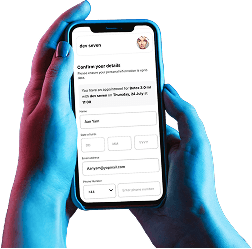
To complete the consent form, carefully read each section outlining the treatment, potential risks, and expected outcomes. Ensure you understand all information before proceeding. Fill in personal details accurately and confirm agreement by ticking the required boxes. The form must be signed digitally to confirm your informed consent.
Looking for an Nail Gel/Acrylic consent form?
Download the Faces Consent App to get your form quickly, easily and it's absolutely FREE!
![[object Object]](/v2/_next/static/media/AppStore.9b0cc504.svg)
![[object Object]](/v2/_next/static/media/googlePlay.bb99f555.svg)