


What is Mini Facelift?
What kind of treatment is the Mini Facelift consent form for?
The Mini Facelift consent form pertains to a surgical procedure aimed at rejuvenating the lower face and neck for a more youthful appearance.
- Targets sagging skin and minor jowls.
- Generally performed under local anesthesia.
- Minimal scarring and quicker recovery compared to a full facelift.
- Results can last several years with proper skincare.
Rare side effects may include infection or abnormal scarring; consult with your surgeon for more details.

- It is a legal and ethical requirement in the UK
- Confirms you understand the treatment and possible side effects
- Helps set realistic expectations and ensures safe practice
- Builds trust between you and your practitioner
- Your signed confirmation of informed consent
Potential side effects of Mini Facelift treatments
Mini Facelift treatments can lead to various side effects, predominantly mild and manageable.
- Swelling
- Bruising
- Pain at the incision site
- Temporary numbness
- Skin tightness
Rare side effects may include infection and scarring.
Who is the ideal candidate for this treatment?
The ideal candidate for a Mini Facelift treatment is someone seeking subtle facial rejuvenation without extensive recovery time.
- Adults with loose skin and mild to moderate sagging
- Non-smokers in good overall health
- Individuals not currently pregnant or breastfeeding
- No significant allergies or medical conditions affecting healing
Consultation is essential for personalised advice and exclusions.
Aftercare advice for best results
Proper aftercare is crucial for optimal healing after a Mini Facelift.
- Keep your head elevated to reduce swelling.
- Avoid strenuous activity for at least two weeks.
- Follow your surgeon's instructions on cleaning the incision sites.
- Use prescribed medications to manage pain and prevent infection.
- Stay hydrated and maintain a balanced diet.
Remember to attend all follow-up appointments for the best results.
How to fill the consent form?
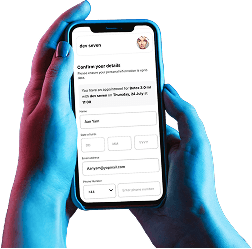
To complete the consent form, carefully read each section outlining the treatment, potential risks, and expected outcomes. Ensure you understand all information before proceeding. Fill in personal details accurately and confirm agreement by ticking the required boxes. The form must be signed digitally to confirm your informed consent.
Looking for an Mini Facelift consent form?
Download the Faces Consent App to get your form quickly, easily and it's absolutely FREE!
![[object Object]](/v2/_next/static/media/AppStore.9b0cc504.svg)
![[object Object]](/v2/_next/static/media/googlePlay.bb99f555.svg)