


What is Micropigmentation?
What kind of treatment is the Micropigmentation consent form for?
Micropigmentation is a non-surgical cosmetic treatment aimed at enhancing the appearance of features such as eyebrows, lips, and scalp.
- Long-lasting results that can enhance facial features.
- Safe, minimally invasive procedure with little downtime.
- Customisable colours and techniques to suit individual preferences.
- Results usually last 1-3 years, depending on skin type and care.
Possible rare side effects may include irritation or allergic reactions; always consult your practitioner for comprehensive information.

- It is a legal and ethical requirement in the UK
- Confirms you understand the treatment and possible side effects
- Helps set realistic expectations and ensures safe practice
- Builds trust between you and your practitioner
- Your signed confirmation of informed consent
Potential side effects of Micropigmentation treatments
Micropigmentation treatments may lead to several common side effects during the healing process.
- Redness
- Swelling
- Itching
- Dryness
- Crusting
Rare side effects can include infection or an allergic reaction.
Who is the ideal candidate for this treatment?
The ideal candidate for Micropigmentation treatment is someone seeking a long-lasting solution for enhancing their features.
- Over 18 years old
- Not pregnant or breastfeeding
- No allergies to pigments or anaesthetics
- No chronic skin conditions
- In good overall health
Consult a professional for any specific health concerns prior to treatment.
Aftercare advice for best results
Proper aftercare is essential for optimal healing and results after micropigmentation.
- Avoid touching the area to prevent infection.
- Keep it clean and dry for the first week.
- Apply a recommended ointment as directed.
- Avoid sun exposure and swimming for at least two weeks.
- Do not pick or scratch any scabs that may form.
Remember, follow your specialist's advice for the best results.
How to fill the consent form?
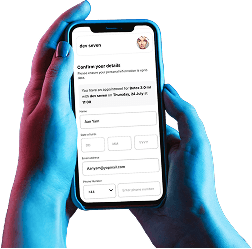
To complete the consent form, carefully read each section outlining the treatment, potential risks, and expected outcomes. Ensure you understand all information before proceeding. Fill in personal details accurately and confirm agreement by ticking the required boxes. The form must be signed digitally to confirm your informed consent.
Looking for an Micropigmentation consent form?
Download the Faces Consent App to get your form quickly, easily and it's absolutely FREE!
![[object Object]](/v2/_next/static/media/AppStore.9b0cc504.svg)
![[object Object]](/v2/_next/static/media/googlePlay.bb99f555.svg)