

What is Mastectomy?
What kind of treatment is the Mastectomy consent form for?
The Mastectomy consent form is for surgical treatment aimed at removing breast tissue to manage or prevent breast cancer.
- Intended for patients diagnosed with breast cancer or at high risk.
- Can include total or partial removal of breast tissue.
- Typical outcomes include reduced cancer risk and improved quality of life.
- Recovery time varies; most patients require support during the healing process.
Possible rare side effects may include infection or changes in sensation.

- It is a legal and ethical requirement in the UK
- Confirms you understand the treatment and possible side effects
- Helps set realistic expectations and ensures safe practice
- Builds trust between you and your practitioner
- Your signed confirmation of informed consent
Potential side effects of Mastectomy treatments
Mastectomy treatments may lead to various side effects that patients should consider.
- Pain and discomfort
- Swelling or lymphedema
- Changes in sensation
- Scarring
- Fatigue
Rare side effects may include infections and complications from anaesthesia.
Who is the ideal candidate for this treatment?
The ideal candidate for mastectomy treatment generally includes individuals with specific breast cancer situations.
- Those diagnosed with invasive breast cancer.
- Individuals with a strong family history of breast cancer.
- Patients with genetic mutations like BRCA1 or BRCA2.
- Women not currently pregnant or planning soon.
Exclusions may apply for active allergies or serious comorbidities.
Aftercare advice for best results
Proper aftercare following a mastectomy is crucial for recovery and optimal results.
- Keep the surgical area clean and dry.
- Follow your doctor's pain management plan.
- Wear a supportive bra as advised.
- Stay hydrated and maintain a balanced diet.
- Attend all follow-up appointments.
Remember to watch for any signs of infection and contact your healthcare provider if concerned.
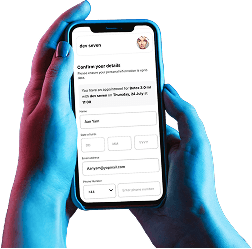
How to fill the consent form?
To complete the consent form, carefully read each section outlining the treatment, potential risks, and expected outcomes. Ensure you understand all information before proceeding. Fill in personal details accurately and confirm agreement by ticking the required boxes. The form must be signed digitally to confirm your informed consent.
Looking for an Mastectomy consent form?
Download the Faces Consent App to get your form quickly, easily and it's absolutely FREE!
![[object Object]](/v2/_next/static/media/AppStore.9b0cc504.svg)
![[object Object]](/v2/_next/static/media/googlePlay.bb99f555.svg)