


What is Massage Therapy?
What kind of treatment is the Massage Therapy consent form for?
The Massage Therapy consent form is for therapeutic massage treatments aimed at promoting relaxation, pain relief, and overall well-being.
- Intended for stress reduction, muscle tension relief, and improved circulation.
- Typical outcomes include enhanced relaxation, reduced pain, and improved mobility.
- May assist with headaches, chronic pain, and anxiety management.
- Sessions typically last between 30 to 90 minutes, tailored to individual needs.
Although rare, potential side effects may include soreness or bruising following treatment.

- It is a legal and ethical requirement in the UK
- Confirms you understand the treatment and possible side effects
- Helps set realistic expectations and ensures safe practice
- Builds trust between you and your practitioner
- Your signed confirmation of informed consent
Potential side effects of Massage Therapy treatments
Massage therapy can provide numerous benefits but may also lead to some common side effects.
- Soreness
- Bruising
- Headaches
- Dizziness
- Fatigue
Rare side effects may include nerve damage or allergic reactions.
Who is the ideal candidate for this treatment?
Massage therapy is ideal for those seeking relaxation and relief from tension.
- Individuals experiencing muscle tension or stress
- Pregnant women, with medical approval
- People recovering from injury or surgery
- Those with chronic pain conditions
- Individuals with allergies, ensuring therapist awareness
Consult a GP if you have serious medical conditions or concerns.
Aftercare advice for best results
Proper aftercare is essential for maximising the benefits of your massage therapy session.
- Drink plenty of water to stay hydrated.
- Avoid intense physical activity for at least 24 hours.
- Rest and allow your body to recover.
- Apply heat or cold packs if needed.
- Listen to your body and note any discomfort.
Remember, it's normal to feel some soreness after a massage.
How to fill the consent form?
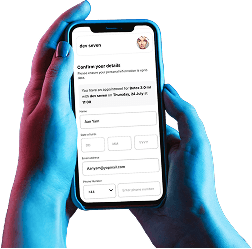
To complete the consent form, carefully read each section outlining the treatment, potential risks, and expected outcomes. Ensure you understand all information before proceeding. Fill in personal details accurately and confirm agreement by ticking the required boxes. The form must be signed digitally to confirm your informed consent.
Looking for an Massage Therapy consent form?
Download the Faces Consent App to get your form quickly, easily and it's absolutely FREE!
![[object Object]](/v2/_next/static/media/AppStore.9b0cc504.svg)
![[object Object]](/v2/_next/static/media/googlePlay.bb99f555.svg)