


What is Liposuction?
What kind of treatment is the Liposuction consent form for?
Liposuction is a surgical procedure designed to remove excess fat deposits from specific areas of the body for improved contour and shape.
- Effective for stubborn fat in areas like the abdomen, thighs, and arms.
- Typically results in a slimmer appearance and enhanced body proportions.
- Recovery time varies, but most return to normal activities within a few weeks.
- Ideal for individuals at or near their target weight seeking body sculpting.
As with any surgery, there can be rare side effects; thorough consultation is essential.

- It is a legal and ethical requirement in the UK
- Confirms you understand the treatment and possible side effects
- Helps set realistic expectations and ensures safe practice
- Builds trust between you and your practitioner
- Your signed confirmation of informed consent
Potential side effects of Liposuction treatments
Liposuction treatments can lead to various side effects, which patients should consider prior to undergoing the procedure.
- Swelling
- Bruising
- Pain or discomfort
- Infection
- Skin irregularities
- Fluid accumulation
Rare side effects may include blood clots and adverse reactions to anaesthesia.
Who is the ideal candidate for this treatment?
The ideal candidate for liposuction is someone in good health looking to remove stubborn fat deposits.
- Non-smokers
- Stable weight with realistic expectations
- No recent pregnancies
- Absence of severe allergies or medical conditions
Not suitable for those with certain health issues or significant weight loss goals.
Aftercare advice for best results
Proper aftercare is essential for optimal recovery and results following liposuction.
- Rest and avoid strenuous activity for a few weeks.
- Keep surgical areas clean and dry.
- Wear compression garments as advised.
- Stay hydrated and maintain a healthy diet.
- Follow up with your surgeon for check-ups.
Always consult your surgeon if you experience unusual symptoms.
How to fill the consent form?
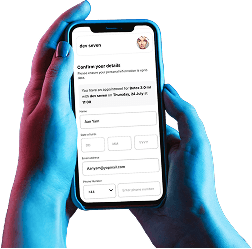
To complete the consent form, carefully read each section outlining the treatment, potential risks, and expected outcomes. Ensure you understand all information before proceeding. Fill in personal details accurately and confirm agreement by ticking the required boxes. The form must be signed digitally to confirm your informed consent.
Looking for an Liposuction consent form?
Download the Faces Consent App to get your form quickly, easily and it's absolutely FREE!
![[object Object]](/v2/_next/static/media/AppStore.9b0cc504.svg)
![[object Object]](/v2/_next/static/media/googlePlay.bb99f555.svg)