


What is LED Facial Therapy?
What kind of treatment is the LED Facial Therapy consent form for?
LED Facial Therapy is a non-surgical, non-invasive treatment aimed at rejuvenating the skin and addressing various skin concerns.
- Utilises different wavelengths of light to target skin issues.
- Intended for acne, redness, pigmentation, and anti-ageing benefits.
- Promotes collagen production for improved skin texture.
- Typically results in a more radiant and youthful appearance.
- Sessions are quick, with no downtime required.
Rare side effects may include temporary redness or sensitivity. Always consult with your practitioner for personalised advice.

- It is a legal and ethical requirement in the UK
- Confirms you understand the treatment and possible side effects
- Helps set realistic expectations and ensures safe practice
- Builds trust between you and your practitioner
- Your signed confirmation of informed consent
Potential side effects of LED Facial Therapy treatments
LED Facial Therapy treatments may cause various side effects, though they are generally mild and temporary.
- Skin redness
- Minor swelling
- Temporary dryness
- Increased sensitivity
Rare side effects may include burns or allergic reactions.
Who is the ideal candidate for this treatment?
LED Facial Therapy is suitable for various skin types and concerns.
- Individuals seeking rejuvenation and acne reduction
- Those with sensitive skin or rosacea
- Non-pregnant adults free from photosensitivity conditions
- People without active skin infections or serious medical conditions
Consult a professional if you have allergies or medical concerns.
Aftercare advice for best results
Proper aftercare is essential for maximising the benefits of LED Facial Therapy.
- Avoid direct sun exposure for a few days.
- Keep skin hydrated; use a gentle moisturiser.
- Don’t apply heavy makeup for at least 24 hours.
- Avoid hot showers and strenuous exercise for 48 hours.
Always consult your therapist if any irritation occurs.
How to fill the consent form?
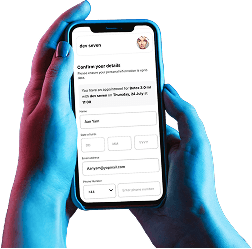
To complete the consent form, carefully read each section outlining the treatment, potential risks, and expected outcomes. Ensure you understand all information before proceeding. Fill in personal details accurately and confirm agreement by ticking the required boxes. The form must be signed digitally to confirm your informed consent.
Looking for an LED Facial Therapy consent form?
Download the Faces Consent App to get your form quickly, easily and it's absolutely FREE!
![[object Object]](/v2/_next/static/media/AppStore.9b0cc504.svg)
![[object Object]](/v2/_next/static/media/googlePlay.bb99f555.svg)