


What is Gum Graft Surgery?
What kind of treatment is the Gum Graft Surgery consent form for?
Gum Graft Surgery is a surgical dental procedure designed to restore gum tissue that has receded or become damaged.
- Intended to protect teeth and bone from further recession.
- Can enhance the aesthetics of your smile and improve oral health.
- Typically results in increased gum coverage and reduced sensitivity.
- Recovery time varies, but most patients return to normal activities within a week.
Please consult your dentist for potential side effects or further information regarding the procedure.

- It is a legal and ethical requirement in the UK
- Confirms you understand the treatment and possible side effects
- Helps set realistic expectations and ensures safe practice
- Builds trust between you and your practitioner
- Your signed confirmation of informed consent
Potential side effects of Gum Graft Surgery treatments
Gum graft surgery may lead to various side effects as part of the recovery process.
- Pain at the graft site
- Swelling of the gums
- Bleeding from the surgical area
- Infection risk
- Changes in gum appearance
Rare side effects include allergic reactions and prolonged recovery time.
Who is the ideal candidate for this treatment?
The ideal candidate for Gum Graft Surgery is generally in good health with specific oral health needs.
- Adults with gum recession or periodontal disease.
- Non-pregnant individuals.
- No severe allergies affecting healing.
- Stable medical conditions (e.g., diabetes, under control).
Consult your dentist for personalised advice.
Aftercare advice for best results
Proper aftercare is crucial for optimal healing following gum graft surgery.
- Avoid hard, crunchy, or spicy foods for a week.
- Stay away from smoking and alcohol for at least 48 hours.
- Gently rinse with a saltwater solution after 24 hours.
- Keep the graft site clean, avoiding direct brushing.
- Take prescribed medications as directed.
Contact your dentist if you notice unusual swelling or bleeding.
How to fill the consent form?
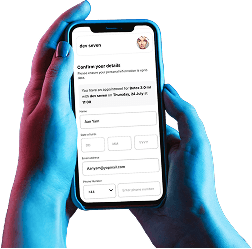
To complete the consent form, carefully read each section outlining the treatment, potential risks, and expected outcomes. Ensure you understand all information before proceeding. Fill in personal details accurately and confirm agreement by ticking the required boxes. The form must be signed digitally to confirm your informed consent.
Looking for an Gum Graft Surgery consent form?
Download the Faces Consent App to get your form quickly, easily and it's absolutely FREE!
![[object Object]](/v2/_next/static/media/AppStore.9b0cc504.svg)
![[object Object]](/v2/_next/static/media/googlePlay.bb99f555.svg)