

Faces LogoWe’re an MHRA licensed broker.

All-in-one platform for aesthetic clinics. Manage bookings and digital consent easily. Reduce paperwork and save time. Secure client data and records. Built for modern practitioners.

Facebook IconInstagram IconLinkedin IconYoutube IconTwitterIcon IconTiktokIcon Icon

Services

Search ClinicsSearch TreatmentsSearch treatments by locationTraining CoursesCard Machine CompaniesWaste Management ServicesSocial Media MarketingCPD portfolioComplications ConsultantFinance OptionsGet Aesthetics InsuranceGet medical malpractice insuranceAccountancy ServicesFind a prescriberAll ClinicsWeight loss Service for AppetiteWeight loss Service for Eating HabitsWeight loss Service For Control DifficultiesWeight loss Service For Poor Diet

About us

Consent FormsAftercare FormsGDPRHIPAA ComplianceAdvice, Tips and News

Sell

Sell on FacesSeller RegistrationSeller List

Help

Help and supportGeneral FAQ’sSeller’s FAQ’sReturns, Refunds and CancellationsDelivery and FulfilmentMarketplace Terms and ConditionsUser Code of conductSay Hello

Get in touch

  • Phone Icon01785 558018
  • Whatsapp Icon07999 875249
  • Mail Icon[email protected]
  • Location IconFaces pharmacy Ltd,
    Staffordshire Technology Park,
    Pearl House, Unit 8/9 Anson court,
    Stafford ST18 0GB, UK
Play Store OR Code ImageGoogle Play Store Image
App Store OR Code ImageApp Store Image

© 2026 Faces Consent. All rights reserved.

Privacy policyTerms and conditions
faces-image

Fat Transfer Breast Augmentation consent form

A Fat Transfer Breast Augmentation consent form plays a crucial role in aesthetic treatments by ensuring patient safety and promoting clear communication. It fosters transparency about potential risks, benefits, and alternatives, empowering patients to make informed decisions regarding their body. By outlining procedural details and postoperative care, the form helps establish trust between the practitioner and patient, ultimately enhancing the overall experience in cosmetic surgery.

What is Fat Transfer Breast Augmentation?

Fat transfer breast augmentation is a cosmetic procedure that enhances breast volume using the patient's own fat, harvested from areas like the abdomen or thighs. This method offers natural results and minimizes the risk of rejection, making it a popular choice for those seeking a subtle enhancement.

What kind of treatment is the Fat Transfer Breast Augmentation consent form for?

Fat Transfer Breast Augmentation is a surgical procedure that enhances breast size and shape using the patient’s own body fat.

  • Uses liposuction to extract fat from areas like the abdomen or thighs.
  • Injected into the breasts for a fuller appearance.
  • Results appear natural and can improve breast contours.
  • Typically involves minimal scarring and shorter recovery time compared to implants.
  • Full results develop over several months as swelling subsides.

As with any surgery, rare side effects may include infection or uneven results.

Why you must sign a consent form
Signing a Consent Form
  • It is a legal and ethical requirement in the UK
  • Confirms you understand the treatment and possible side effects
  • Helps set realistic expectations and ensures safe practice
  • Builds trust between you and your practitioner
  • Your signed confirmation of informed consent

Potential side effects of Fat Transfer Breast Augmentation treatments

Fat Transfer Breast Augmentation can lead to various side effects that patients should consider.

  • Swelling
  • Bruising
  • Pain or discomfort
  • Asymmetry
  • Infection risk

Rare side effects may include fat necrosis or allergic reactions.

Who is the ideal candidate for this treatment?

The ideal candidate for Fat Transfer Breast Augmentation is typically healthy and has realistic expectations.

  • Individuals with sufficient body fat for extraction
  • Those not planning future pregnancies
  • No history of allergies to anaesthetics
  • Absence of chronic medical conditions affecting recovery

Consultation is vital to assess personal suitability.

Aftercare advice for best results

Proper aftercare is essential for optimal healing and results after a Fat Transfer Breast Augmentation.

  • Rest and avoid strenuous activities for at least two weeks.
  • Wear a supportive bra as advised by your surgeon.
  • Follow the prescribed pain management and antibiotic regimen.
  • Keep the incision sites clean and dry.

Always consult your surgeon with any concerns during your recovery.

How to fill the consent form?

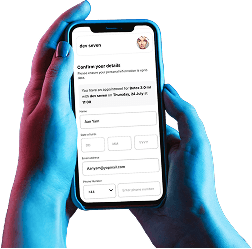
To complete the consent form, carefully read each section outlining the treatment, potential risks, and expected outcomes. Ensure you understand all information before proceeding. Fill in personal details accurately and confirm agreement by ticking the required boxes. The form must be signed digitally to confirm your informed consent.

Looking for an Fat Transfer Breast Augmentation consent form?

Download the Faces Consent App to get your form quickly, easily and it's absolutely FREE!

[object Object][object Object]
Azzalure Banner

Frequently asked questions

Fat transfer breast augmentation typically involves minimal pain, as local anaesthesia is used during the procedure. Some discomfort may occur post-surgery, manageable with prescribed pain relief. Most patients report only mild soreness and bruising in both the donor and augmentation areas as they heal.
Results from fat transfer breast augmentation typically become visible within a few weeks as swelling subsides, but the final shape and size can take up to three months to fully settle as the body adjusts to the new fat placement. Individual healing times may vary.
Once you’ve signed consent forms for fat transfer breast augmentation, changing your mind may be difficult. Typically, you should inform your surgeon as soon as possible, but initial deposits may be non-refundable, and the procedure usually proceeds as scheduled unless otherwise discussed.
Yes, you must sign a consent form before undergoing fat transfer breast augmentation. This form ensures you understand the procedure, associated risks, and have made an informed decision regarding your treatment. It is a standard practice to protect both patient and practitioner.