


What is Endoscopic Sleeve Gastroplasty?
What kind of treatment is the Endoscopic Sleeve Gastroplasty consent form for?
Endoscopic Sleeve Gastroplasty is a non-surgical procedure designed to aid weight loss by reducing stomach volume.
- Minimally invasive technique for significant weight loss.
- Designed for individuals struggling with obesity.
- Typically results in 15-20% weight loss over 6-12 months.
- Promotes healthier lifestyle changes with ongoing support.
Potential rare side effects include nausea or gastric complications, so ongoing monitoring is essential.

- It is a legal and ethical requirement in the UK
- Confirms you understand the treatment and possible side effects
- Helps set realistic expectations and ensures safe practice
- Builds trust between you and your practitioner
- Your signed confirmation of informed consent
Potential side effects of Endoscopic Sleeve Gastroplasty treatments
Endoscopic Sleeve Gastroplasty is a minimally invasive procedure that may lead to some common side effects.
- Nausea
- Vomiting
- Abdominal pain
- Difficulty swallowing
- Acid reflux
Rare side effects include perforation, bleeding, or infection.
Who is the ideal candidate for this treatment?
The ideal candidate for Endoscopic Sleeve Gastroplasty is usually someone struggling with obesity and its related conditions.
- Adults aged 18-65
- Body Mass Index (BMI) of 30 or higher
- No current pregnancy or recent surgery
- Absence of contraindicated medical conditions
Not suitable for individuals with severe allergies or certain gastrointestinal diseases.
Aftercare advice for best results
Proper aftercare following Endoscopic Sleeve Gastroplasty is essential for optimal healing and results.
- Follow a liquid diet for the first week.
- Gradually introduce soft foods as advised.
- Stay hydrated and avoid sugary drinks.
- Attend all follow-up appointments.
- Monitor for any unusual symptoms.
Always consult your healthcare provider if you have concerns.
How to fill the consent form?
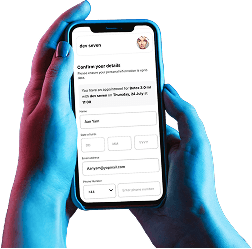
To complete the consent form, carefully read each section outlining the treatment, potential risks, and expected outcomes. Ensure you understand all information before proceeding. Fill in personal details accurately and confirm agreement by ticking the required boxes. The form must be signed digitally to confirm your informed consent.
Looking for an Endoscopic Sleeve Gastroplasty consent form?
Download the Faces Consent App to get your form quickly, easily and it's absolutely FREE!
![[object Object]](/v2/_next/static/media/AppStore.9b0cc504.svg)
![[object Object]](/v2/_next/static/media/googlePlay.bb99f555.svg)