


What is DNA Appliance?
What kind of treatment is the DNA Appliance consent form for?
The DNA Appliance consent form pertains to a non-surgical dental treatment aimed at correcting bite and alignment issues.
- Designed to improve jaw alignment and function.
- Helps alleviate symptoms of TMD (temporomandibular disorders).
- Promotes better oral health and overall well-being.
- Typically results in improved aesthetics and facial symmetry.
- Requires ongoing monitoring and adjustments for optimal results.
As with any treatment, rare side effects may occur, and it's essential to consult your dental professional for personalised advice.

- It is a legal and ethical requirement in the UK
- Confirms you understand the treatment and possible side effects
- Helps set realistic expectations and ensures safe practice
- Builds trust between you and your practitioner
- Your signed confirmation of informed consent
Potential side effects of DNA Appliance treatments
DNA Appliance treatments may lead to various common side effects during the adjustment period.
- Discomfort or soreness in the jaw
- Increased salivation
- Headaches
- Mild tooth sensitivity
- Changes in chewing patterns
Rare side effects may include allergic reactions or prolonged discomfort.
Who is the ideal candidate for this treatment?
The ideal candidate for DNA Appliance treatment is generally healthy with specific considerations.
- Adults and mature teenagers
- No severe allergies to dental materials
- Free from major medical conditions
- Not currently pregnant or nursing
Consult a professional for individual suitability and any exclusions.
Aftercare advice for best results
Follow these aftercare tips for the best results with your DNA Appliance.
- Maintain proper oral hygiene, brushing and flossing daily.
- Avoid hard or sticky foods to prevent damage.
- Wear the appliance as prescribed, consistently.
- Schedule regular follow-up appointments with your dentist.
Remember to report any discomfort or issues promptly.
How to fill the consent form?
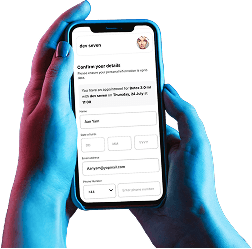
To complete the consent form, carefully read each section outlining the treatment, potential risks, and expected outcomes. Ensure you understand all information before proceeding. Fill in personal details accurately and confirm agreement by ticking the required boxes. The form must be signed digitally to confirm your informed consent.
Looking for an DNA Appliance consent form?
Download the Faces Consent App to get your form quickly, easily and it's absolutely FREE!
![[object Object]](/v2/_next/static/media/AppStore.9b0cc504.svg)
![[object Object]](/v2/_next/static/media/googlePlay.bb99f555.svg)