


What is Dermabrasion?
What kind of treatment is the Dermabrasion consent form for?
The Dermabrasion consent form is for a non-surgical skin resurfacing treatment designed to improve skin texture and tone.
- Intended to treat acne scars, fine lines, and sun damage.
- Removes the outer layer of skin for a smoother appearance.
- Patients can expect improved skin clarity and reduced imperfections.
- Minimal downtime with gradual results over weeks.
Rare side effects may include redness, swelling, or infection; consult with your practitioner for more information.

- It is a legal and ethical requirement in the UK
- Confirms you understand the treatment and possible side effects
- Helps set realistic expectations and ensures safe practice
- Builds trust between you and your practitioner
- Your signed confirmation of informed consent
Potential side effects of Dermabrasion treatments
Dermabrasion treatments may result in several common side effects during the recovery process.
- Redness
- Swelling
- Crusting
- Itching
- Pigmentation changes
Rare side effects include scarring and infection.
Who is the ideal candidate for this treatment?
The ideal candidate for Dermabrasion treatment generally has specific skin concerns and health considerations to bear in mind.
- Non-pregnant individuals
- Those without active skin infections
- No history of keloid scarring
- No significant allergies to anaesthetics
- Good overall health without chronic conditions
A consultation is essential before proceeding.
Aftercare advice for best results
Proper aftercare is essential for optimal healing and results following dermabrasion.
- Avoid sun exposure; use a high-SPF sunscreen.
- Keep the treated area clean and moisturised.
- Avoid picking or scratching the skin.
- Stay hydrated and maintain a healthy diet.
- Follow your practitioner’s specific aftercare instructions.
Remember to consult your practitioner if you notice any unusual symptoms.
How to fill the consent form?
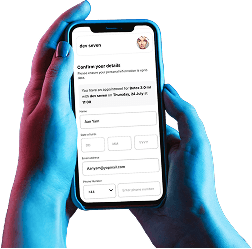
To complete the consent form, carefully read each section outlining the treatment, potential risks, and expected outcomes. Ensure you understand all information before proceeding. Fill in personal details accurately and confirm agreement by ticking the required boxes. The form must be signed digitally to confirm your informed consent.
Looking for an Dermabrasion consent form?
Download the Faces Consent App to get your form quickly, easily and it's absolutely FREE!
![[object Object]](/v2/_next/static/media/AppStore.9b0cc504.svg)
![[object Object]](/v2/_next/static/media/googlePlay.bb99f555.svg)