


What is Dental Bone Graft?
What kind of treatment is the Dental Bone Graft consent form for?
The Dental Bone Graft consent form is for a surgical procedure aimed at restoring bone tissue in the jaw to support dental implants or enhance oral health.
- Intended for patients needing bone volume for implants.
- Utilises graft material to promote new bone growth.
- Typical outcomes include increased stability for implants.
- Recovery time varies, generally a few months.
Rare side effects may include infection or delayed healing.

- It is a legal and ethical requirement in the UK
- Confirms you understand the treatment and possible side effects
- Helps set realistic expectations and ensures safe practice
- Builds trust between you and your practitioner
- Your signed confirmation of informed consent
Potential side effects of Dental Bone Graft treatments
Dental bone graft treatments can lead to various side effects, though they are typically manageable.
- Pain at the graft site
- Swelling and inflammation
- Infection risk
- Bleeding or bruising
- Delayed healing
Rare side effects may include allergic reactions or graft failure.
Who is the ideal candidate for this treatment?
The ideal candidate for Dental Bone Graft treatment typically has specific dental and health considerations.
- Patients with significant bone loss due to injury or tooth extraction
- Individuals not pregnant or planning to conceive soon
- Those without allergies to graft materials
- Individuals with controlled medical conditions, such as diabetes
Consultation is essential for those with serious health concerns.
Aftercare advice for best results
Following your dental bone graft, proper aftercare is crucial for optimal healing and results.
- Rest and avoid strenuous activities for a few days.
- Apply ice packs to reduce swelling.
- Follow a soft food diet; avoid hard or crunchy foods.
- Maintain oral hygiene; brush gently around the site.
- Take prescribed medications as directed.
Contact your dentist if you notice excessive pain or bleeding.
How to fill the consent form?
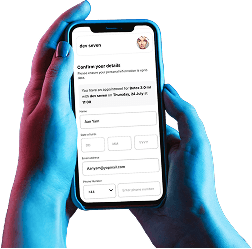
To complete the consent form, carefully read each section outlining the treatment, potential risks, and expected outcomes. Ensure you understand all information before proceeding. Fill in personal details accurately and confirm agreement by ticking the required boxes. The form must be signed digitally to confirm your informed consent.
Looking for an Dental Bone Graft consent form?
Download the Faces Consent App to get your form quickly, easily and it's absolutely FREE!
![[object Object]](/v2/_next/static/media/AppStore.9b0cc504.svg)
![[object Object]](/v2/_next/static/media/googlePlay.bb99f555.svg)