

What is Cryotherapy?
What kind of treatment is the Cryotherapy consent form for?
Cryotherapy is a non-surgical treatment that uses extreme cold to target and reduce various skin concerns and pain conditions.
- Intended for muscle recovery, fat reduction, and skin rejuvenation.
- Commonly used in sports medicine and beauty therapies.
- Typical outcomes include improved recovery, smoother skin, and reduced inflammation.
Some patients may experience temporary skin irritation or sensitivity.

- It is a legal and ethical requirement in the UK
- Confirms you understand the treatment and possible side effects
- Helps set realistic expectations and ensures safe practice
- Builds trust between you and your practitioner
- Your signed confirmation of informed consent
Potential side effects of Cryotherapy treatments
Cryotherapy treatments can offer various benefits, but potential side effects may occur, including:
- Redness
- Swelling
- Skin irritation
- Hypopigmentation
- Burning sensation
Rare side effects may include frostbite or nerve damage.
Who is the ideal candidate for this treatment?
The ideal candidate for Cryotherapy treatment is generally healthy and without contraindications.
- Not pregnant or breastfeeding
- No severe allergies to cold
- No cardiovascular issues or uncontrolled hypertension
- No skin infections or open wounds
Consult a medical professional if unsure about suitability.
Aftercare advice for best results
Post-cryotherapy care is essential for maximising benefits and recovery.
- Stay hydrated.
- Avoid hot showers or baths for 24 hours.
- Rest and allow your body to recuperate.
- Monitor for any unusual symptoms.
If in doubt, consult a healthcare professional.
How to fill the consent form?
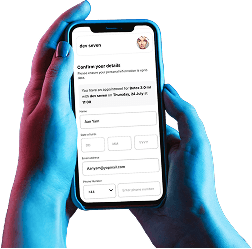
To complete the consent form, carefully read each section outlining the treatment, potential risks, and expected outcomes. Ensure you understand all information before proceeding. Fill in personal details accurately and confirm agreement by ticking the required boxes. The form must be signed digitally to confirm your informed consent.
Looking for an Cryotherapy consent form?
Download the Faces Consent App to get your form quickly, easily and it's absolutely FREE!
![[object Object]](/v2/_next/static/media/AppStore.9b0cc504.svg)
![[object Object]](/v2/_next/static/media/googlePlay.bb99f555.svg)