

What is Buccal Fat Removal?
What kind of treatment is the Buccal Fat Removal consent form for?
The Buccal Fat Removal consent form is for a surgical procedure aimed at reducing facial fullness for a more contoured appearance.
- Intended for individuals seeking a slimmer face and enhanced cheekbone definition.
- Typically results in a noticeable reduction of cheek volume.
- Recovery may involve some swelling and bruising for a few weeks.
- Final results generally become visible after 3 to 6 months.
As with any surgery, there are rare risks including infection or asymmetry.

- It is a legal and ethical requirement in the UK
- Confirms you understand the treatment and possible side effects
- Helps set realistic expectations and ensures safe practice
- Builds trust between you and your practitioner
- Your signed confirmation of informed consent
Potential side effects of Buccal Fat Removal treatments
Buccal Fat Removal can enhance facial contours but may lead to certain side effects.
- Swelling
- Bruising
- Pain or discomfort
- Infection risk
- Uneven results
Rare side effects may include nerve damage or excessive scarring.
Who is the ideal candidate for this treatment?
The ideal candidate for Buccal Fat Removal treatment typically has specific characteristics and health considerations.
- Adults with round facial features
- Generally in good physical health
- Non-smokers
- Not pregnant or breastfeeding
- No allergies to anaesthesia
Consultation is essential for those with underlying medical conditions.
Aftercare advice for best results
Following buccal fat removal, proper aftercare is crucial for optimal healing and results.
- Keep your head elevated for the first few days.
- Apply cold compresses to reduce swelling.
- Avoid strenuous activities for at least a week.
- Stick to soft foods for the initial recovery period.
- Maintain good oral hygiene, avoiding irritants.
Remember to follow your surgeon's specific instructions for the best outcome.
How to fill the consent form?
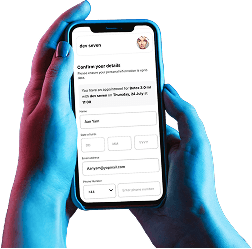
To complete the consent form, carefully read each section outlining the treatment, potential risks, and expected outcomes. Ensure you understand all information before proceeding. Fill in personal details accurately and confirm agreement by ticking the required boxes. The form must be signed digitally to confirm your informed consent.
Looking for an Buccal Fat Removal consent form?
Download the Faces Consent App to get your form quickly, easily and it's absolutely FREE!
![[object Object]](/v2/_next/static/media/AppStore.9b0cc504.svg)
![[object Object]](/v2/_next/static/media/googlePlay.bb99f555.svg)