

What is Brow Patch Test?
What kind of treatment is the Brow Patch Test consent form for?
The Brow Patch Test consent form is for non-surgical injectable treatments, primarily designed to assess skin sensitivity before aesthetic procedures.
- Determines potential allergic reactions to brow fillers or injectables.
- Ideal for ensuring patient safety and comfort.
- Typically results in an informed decision for subsequent treatments.
- Non-invasive and quick process, usually taking only a few minutes.
Some rare side effects may include irritation or redness at the test site.

- It is a legal and ethical requirement in the UK
- Confirms you understand the treatment and possible side effects
- Helps set realistic expectations and ensures safe practice
- Builds trust between you and your practitioner
- Your signed confirmation of informed consent
Potential side effects of Brow Patch Test treatments
Brow Patch Test treatments may result in various side effects, which are generally mild and temporary.
- Skin irritation
- Redness
- Swelling
- Itching
Rare side effects may include severe allergic reactions and complications. Consult a professional if concerns arise.
Who is the ideal candidate for this treatment?
The ideal candidate for a Brow Patch Test treatment is someone who needs to assess their skin's reaction to the product used.
- Individuals without known allergies to ingredients
- Those without skin conditions affecting the brow area
- Pregnant or breastfeeding women, with prior consultation
- Adults over 18 years
Not suitable for those with severe allergic reactions or recent skin treatments in the area.
Aftercare advice for best results
Proper aftercare is essential for optimal healing and accurate results after a brow patch test.
- Avoid touching or scratching the area.
- Keep the area clean and dry.
- Refrain from applying makeup for 24 hours.
- Use a gentle moisturiser if needed.
Monitor for any adverse reactions and consult a professional if necessary.
How to fill the consent form?
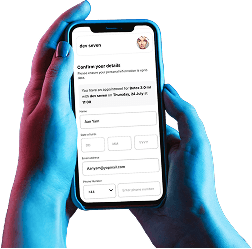
To complete the consent form, carefully read each section outlining the treatment, potential risks, and expected outcomes. Ensure you understand all information before proceeding. Fill in personal details accurately and confirm agreement by ticking the required boxes. The form must be signed digitally to confirm your informed consent.
Looking for an Brow Patch Test consent form?
Download the Faces Consent App to get your form quickly, easily and it's absolutely FREE!
![[object Object]](/v2/_next/static/media/AppStore.9b0cc504.svg)
![[object Object]](/v2/_next/static/media/googlePlay.bb99f555.svg)