

Faces LogoWe’re an MHRA licensed broker.

All-in-one platform for aesthetic clinics. Manage bookings and digital consent easily. Reduce paperwork and save time. Secure client data and records. Built for modern practitioners.

Facebook IconInstagram IconLinkedin IconYoutube IconTwitterIcon IconTiktokIcon Icon

Services

Search ClinicsSearch TreatmentsSearch treatments by locationTraining CoursesCard Machine CompaniesWaste Management ServicesSocial Media MarketingCPD portfolioComplications ConsultantFinance OptionsGet Aesthetics InsuranceGet medical malpractice insuranceAccountancy ServicesFind a prescriberAll ClinicsWeight loss Service for AppetiteWeight loss Service for Eating HabitsWeight loss Service For Control DifficultiesWeight loss Service For Poor Diet

About us

Consent FormsAftercare FormsGDPRHIPAA ComplianceAdvice, Tips and News

Sell

Sell on FacesSeller RegistrationSeller List

Help

Help and supportGeneral FAQ’sSeller’s FAQ’sReturns, Refunds and CancellationsDelivery and FulfilmentMarketplace Terms and ConditionsUser Code of conductSay Hello

Get in touch

  • Phone Icon01785 558018
  • Whatsapp Icon07999 875249
  • Mail Icon[email protected]
  • Location IconFaces pharmacy Ltd,
    Staffordshire Technology Park,
    Pearl House, Unit 8/9 Anson court,
    Stafford ST18 0GB, UK
Play Store OR Code ImageGoogle Play Store Image
App Store OR Code ImageApp Store Image

© 2026 Faces Consent. All rights reserved.

Privacy policyTerms and conditions
faces-image

Breast Reduction consent form

A Breast Reduction consent form is essential in aesthetic treatments as it ensures patient safety through a thorough understanding of the procedure. It facilitates clear communication between the patient and clinician, promoting transparency regarding potential risks and outcomes. By detailing the specifics of the surgery, the consent form empowers patients to make informed decisions about their health and body, ultimately enhancing their overall experience and satisfaction with the treatment.

What is Breast Reduction?

Breast reduction is a surgical procedure designed to decrease breast size by removing excess tissue and skin, alleviating physical discomfort. It typically targets fullness in the chest area, enhancing body proportions. Ideal for those seeking relief from back pain or self-esteem issues, it offers lasting results and improved comfort.

What kind of treatment is the Breast Reduction consent form for?

The Breast Reduction consent form is for surgical treatment aimed at decreasing breast size for aesthetic or medical reasons.

  • Reduces breast weight and volume, alleviating discomfort.
  • Enhances body proportions and overall appearance.
  • Improves physical activity and lifestyle quality.
  • Typically results in elevated self-esteem and confidence.

As with any surgical procedure, rare risks include infection and scarring.

Why you must sign a consent form
Signing a Consent Form
  • It is a legal and ethical requirement in the UK
  • Confirms you understand the treatment and possible side effects
  • Helps set realistic expectations and ensures safe practice
  • Builds trust between you and your practitioner
  • Your signed confirmation of informed consent

Potential side effects of Breast Reduction treatments

Breast reduction treatments can lead to various side effects, some of which are common and mild.

  • Swelling
  • Bruising
  • Pain and discomfort
  • Changes in nipple sensation
  • Scarring

Rare side effects may include infection or adverse reactions to anaesthesia.

Who is the ideal candidate for this treatment?

The ideal candidate for Breast Reduction treatment typically experiences physical discomfort due to large breasts.

  • Over 18 years old
  • Not currently pregnant or planning pregnancy
  • Good overall health without serious medical conditions
  • No significant allergies affecting surgery

This procedure is not recommended for smokers or those with active infections.

Aftercare advice for best results

Proper aftercare is essential for optimal healing following breast reduction surgery.

  • Wear the recommended support bra.
  • Avoid heavy lifting and strenuous activities for several weeks.
  • Keep incisions clean and dry.
  • Follow your surgeon's medication instructions.
  • Attend all follow-up appointments.

Remember to listen to your body and rest as needed.

How to fill the consent form?

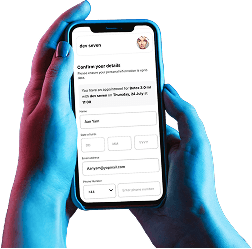
To complete the consent form, carefully read each section outlining the treatment, potential risks, and expected outcomes. Ensure you understand all information before proceeding. Fill in personal details accurately and confirm agreement by ticking the required boxes. The form must be signed digitally to confirm your informed consent.

Looking for an Breast Reduction consent form?

Download the Faces Consent App to get your form quickly, easily and it's absolutely FREE!

[object Object][object Object]
Azzalure Banner

Frequently asked questions

Breast reduction surgery is performed under general anaesthesia, so patients do not feel pain during the procedure. Post-operative discomfort is common but manageable with prescribed pain relief. Most patients report a significant reduction in breast-related pain and discomfort after healing.
Results from breast reduction surgery typically become apparent within a few weeks as swelling diminishes, with final outcomes observed around three to six months post-operation. Individual healing times may vary, so it's essential to follow your surgeon's aftercare advice for optimal results.
Once you sign the consent forms for breast reduction, it can be difficult to withdraw your agreement, but you may still discuss your concerns with your surgeon. Generally, any decision to cancel surgery should be made as early as possible, ideally before the pre-operative preparations begin.
Yes, you must sign a consent form before undergoing breast reduction surgery. This document ensures you understand the procedure, associated risks, and potential outcomes, confirming your informed decision to proceed with the surgery. Always discuss any concerns with your surgeon prior to signing.