


What is Breast Reconstruction?
What kind of treatment is the Breast Reconstruction consent form for?
The Breast Reconstruction consent form pertains to surgical treatment aimed at restoring the shape and appearance of the breast following mastectomy or injury.
- Intended for patients post-mastectomy or trauma.
- Can involve implants or autologous tissue techniques.
- Expected outcomes include improved breast symmetry and aesthetics.
- The procedure may enhance emotional well-being and self-image.
As with any surgical procedure, there are rare risks such as infection or complications related to anaesthesia.

- It is a legal and ethical requirement in the UK
- Confirms you understand the treatment and possible side effects
- Helps set realistic expectations and ensures safe practice
- Builds trust between you and your practitioner
- Your signed confirmation of informed consent
Potential side effects of Breast Reconstruction treatments
Breast reconstruction treatments can offer significant benefits but may also entail some common side effects.
- Pain and discomfort
- Swelling and bruising
- Infection risk
- Scarring
- Changes in nipple sensation
Rare side effects may include blood clots or implant complications.
Who is the ideal candidate for this treatment?
The ideal candidate for breast reconstruction treatment is someone who has undergone a mastectomy and is in good overall health.
- Non-smokers or those who have quit smoking.
- No active infections or untreated medical conditions.
- Emotionally prepared for the procedure.
- Not currently pregnant or planning pregnancy shortly.
Consultation is essential for those with allergies or specific medical conditions.
Aftercare advice for best results
Proper aftercare is essential for healing and achieving the best results after breast reconstruction.
- Keep the surgical area clean and dry.
- Follow prescribed pain management and medication guidelines.
- Wear supportive bras as advised.
- Avoid strenuous activities for the recommended recovery period.
- Attend all follow-up appointments.
Be mindful of any unusual symptoms and contact your surgeon if concerned.
How to fill the consent form?
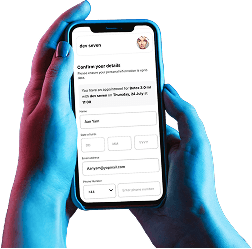
To complete the consent form, carefully read each section outlining the treatment, potential risks, and expected outcomes. Ensure you understand all information before proceeding. Fill in personal details accurately and confirm agreement by ticking the required boxes. The form must be signed digitally to confirm your informed consent.
Looking for an Breast Reconstruction consent form?
Download the Faces Consent App to get your form quickly, easily and it's absolutely FREE!
![[object Object]](/v2/_next/static/media/AppStore.9b0cc504.svg)
![[object Object]](/v2/_next/static/media/googlePlay.bb99f555.svg)