


What is Body Piercing?
What kind of treatment is the Body Piercing consent form for?
The Body Piercing consent form is for non-surgical body modification procedures that involve creating an opening in the skin to insert jewellery.
- Intended for aesthetic enhancement or self-expression.
- Common piercings include ears, nose, and belly button.
- Typical outcomes include minimal discomfort and healing time, with expected results of stylish body adornment.
- Proper aftercare ensures optimal healing and reduces infection risks.
Rare side effects may include allergic reactions or keloid formation.

- It is a legal and ethical requirement in the UK
- Confirms you understand the treatment and possible side effects
- Helps set realistic expectations and ensures safe practice
- Builds trust between you and your practitioner
- Your signed confirmation of informed consent
Potential side effects of Body Piercing treatments
Body piercing treatments can lead to various common side effects during the healing process.
- Infection
- Allergic reactions
- Redness and swelling
- Pain or discomfort
- Scarring
- Excessive bleeding
Rare side effects may include complications such as keloids or nerve damage.
Who is the ideal candidate for this treatment?
The ideal candidate for body piercing is healthy and well-informed about the procedure.
- Over 18 years of age
- No history of skin allergies
- No pre-existing medical conditions, particularly bleeding disorders
- Not pregnant or breastfeeding
- Willing to follow aftercare guidelines
Consult a professional if unsure about suitability.
Aftercare advice for best results
Proper aftercare is essential for healing and to prevent infection after body piercing.
- Avoid touching the piercing with dirty hands.
- Clean with saline solution twice daily.
- Do not remove jewellery prematurely.
- Avoid swimming in pools and oceans.
- Wear loose clothing over the piercing.
Remember to consult a professional if you notice any signs of infection.
How to fill the consent form?
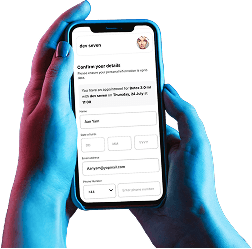
To complete the consent form, carefully read each section outlining the treatment, potential risks, and expected outcomes. Ensure you understand all information before proceeding. Fill in personal details accurately and confirm agreement by ticking the required boxes. The form must be signed digitally to confirm your informed consent.
Looking for an Body Piercing consent form?
Download the Faces Consent App to get your form quickly, easily and it's absolutely FREE!
![[object Object]](/v2/_next/static/media/AppStore.9b0cc504.svg)
![[object Object]](/v2/_next/static/media/googlePlay.bb99f555.svg)