


What is Blood Test?
What kind of treatment is the Blood Test consent form for?
The Blood Test consent form is for diagnostic testing, aimed at evaluating a patient's health status through blood samples.
- Used for various health assessments, including organ function and disease detection.
- Typically non-invasive, providing quick and accurate results.
- Outcomes include informed treatment decisions based on blood analysis.
- Can help monitor ongoing health conditions or prevent potential issues.
Rare side effects may include bruising or discomfort at the puncture site.

- It is a legal and ethical requirement in the UK
- Confirms you understand the treatment and possible side effects
- Helps set realistic expectations and ensures safe practice
- Builds trust between you and your practitioner
- Your signed confirmation of informed consent
Potential side effects of Blood Test treatments
Blood test treatments can lead to various side effects, though most are mild and temporary.
- Bruising at the puncture site
- Pain or discomfort during the test
- Lightheadedness or dizziness
- Swelling at the injection site
- Infection risk at the puncture site
Rare side effects may include severe allergic reactions or vein inflammation.
Who is the ideal candidate for this treatment?
The ideal candidate for a blood test treatment typically includes individuals needing health assessments.
- Pregnant women for prenatal screenings.
- Individuals with allergies to specific medications.
- Patients with chronic conditions monitoring.
- Healthy adults for routine health checks.
Exclusions may include severe needle phobia or specific medical contraindications.Consult your doctor for personalised advice.
Aftercare advice for best results
Proper aftercare ensures quick healing and accurate results from your blood test.
- Apply pressure to the site for a few minutes.
- Keep the bandage on for at least 4 hours.
- Avoid heavy lifting or vigorous exercise for the day.
- Stay hydrated and eat normally.
If you experience unusual pain or swelling, consult a healthcare professional.
How to fill the consent form?
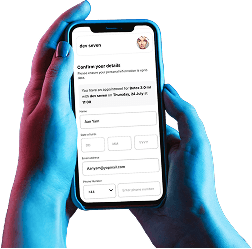
To complete the consent form, carefully read each section outlining the treatment, potential risks, and expected outcomes. Ensure you understand all information before proceeding. Fill in personal details accurately and confirm agreement by ticking the required boxes. The form must be signed digitally to confirm your informed consent.
Looking for an Blood Test consent form?
Download the Faces Consent App to get your form quickly, easily and it's absolutely FREE!
![[object Object]](/v2/_next/static/media/AppStore.9b0cc504.svg)
![[object Object]](/v2/_next/static/media/googlePlay.bb99f555.svg)