
A client arrives for a skin consultation three months into a course of weight loss injections. She mentions nausea after meals, some hair shedding and a hollowing around her cheeks. A friend has just switched to a daily tablet, and she wants to know whether she should do the same. Aesthetic practitioners now hear versions of this conversation every week. Answering it well means knowing how each medicine works, which ones are licensed for weight management, which side effects are expected and which need urgent referral back to the prescriber.
All the medicines below act on gut hormones that control appetite. GLP-1 (glucagon-like peptide-1) receptor agonists have three main effects: they boost insulin release when blood glucose rises, slow gastric emptying, and act on the brain to reduce hunger. Slower gastric emptying explains both the fullness patients notice and the nausea many experience. Each product is covered below.
Mounjaro KwikPen Explained
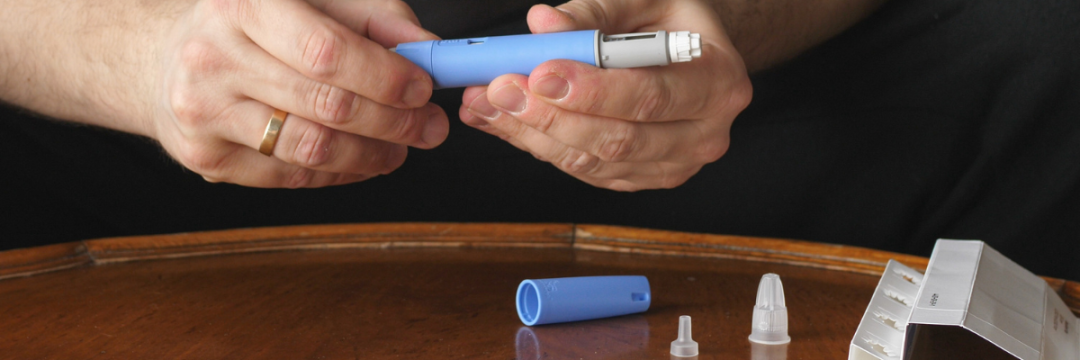
How it works: Patient searches for weight loss injections Mounjaro reflect tirzepatide’s position as the most effective licensed option. The Mounjaro KwikPen acts on two hormone pathways, GIP (glucose-dependent insulinotropic polypeptide) and GLP-1. That makes it a dual agonist, unlike the semaglutide and liraglutide products.
Licence and dosing: The NICE technology appraisal for tirzepatide sets out the licensed population: adults with a BMI of 30 or above, or 27 up to 30 with at least one weight-related condition. Dosing works like this:
- It is injected once a week.
- It starts at 2.5mg for four weeks.
- It rises in 2.5mg steps, with at least four weeks on each dose, to a maximum of 15mg.
Results: In the SURMOUNT-1 trial, mean weight reduction at 72 weeks was 20.9% on 15mg.
Side effects: Nausea, diarrhoea, constipation, vomiting and reflux are most common. They usually peak after each dose increase and settle within weeks. MHRA guidance reported by Pulse advises women using oral contraception to add condoms, because tirzepatide may make the pill less effective.
Price: Log in to view prices.
Further reading: For course costs, see this guide to Mounjaro cost per dose and titration planning.
Wegovy FlexTouch Pen and Wegovy Pill
How it works: Wegovy contains semaglutide, a GLP-1 receptor agonist. It now comes in two formats, which widens the choice of weight loss injections UK patients have.
Dosing:
- The Wegovy FlexTouch pen is injected weekly. It is titrated over 16 weeks from 0.25mg to a 2.4mg maintenance dose. The MHRA approved a higher 7.2mg maintenance dose in January 2026.
- The Wegovy pill (semaglutide tablets) was authorised by the MHRA in June 2026. It is licensed for adults with obesity, or overweight with at least one weight-related condition, and is taken as one 25mg tablet daily. It must be taken on an empty stomach with a small sip of water, and the patient then waits before eating, drinking or taking other medicines. Patients who can’t keep to that routine absorb less of the drug.
Results: In OASIS 4, the pill produced average weight loss of 13.6% over 64 weeks, compared with 2.2% on placebo. When clients ask about weight loss pills that actually work, this is the strongest licensed evidence available. It still sits below tirzepatide.
Side effects: The gastrointestinal effects are similar for both formats. Around 7% of OASIS 4 participants stopped treatment because of adverse events. A very rare risk of a type of optic nerve damage (NAION) has been added to the semaglutide product information, so any sudden loss of vision needs same-day assessment.
Price: Log in to view prices.
Ozempic FlexTouch Pen: Diabetes Licence and Off-Label Weight Loss Risks
How it works: The Ozempic FlexTouch pen contains semaglutide, the same molecule as Wegovy.
Licence: Ozempic is licensed for type 2 diabetes, not weight management. During the GLP-1 shortages, UK supply guidance told prescribers not to use it for weight loss, to protect access for diabetic patients.
Dosing: Ozempic is a weekly injection, usually starting at 0.25mg and adjusted for glycaemic control.
Side effects: The gastrointestinal profile matches Wegovy. In people with diabetes, a rapid fall in glucose can worsen existing diabetic retinopathy.
Practice point: A client who says they take Ozempic “for weight loss” should be asked who prescribed it and why. Supply outside the licence may fall outside the practitioner’s insurance cover.
Price: Log in to view prices.
Rybelsus Tablets: How This Oral Weight Loss Treatment Differs From Wegovy
How it works: Rybelsus tablets contain oral semaglutide.
Licence and dosing: Rybelsus is licensed only for type 2 diabetes, at doses up to 14mg. The Wegovy pill, by contrast, is licensed for weight management at 25mg. The administration rules are the same: an empty stomach, a small sip of water and a wait before eating.
Results: Weight loss at diabetes doses is modest. Rybelsus is not a substitute for a weight-management prescription.
Choosing between pills: The best weight loss pills for a particular patient depend on four things:
- their eligibility under the licence
- whether they can manage the daily routine
- their weight-loss target
- how they feel about injections
The older lipase inhibitor orlistat remains an alternative. It produces more modest weight loss and causes gastrointestinal effects of its own.
Side effects: Nausea and diarrhoea are the most common, and hypoglycaemia can occur when Rybelsus is combined with insulin or a sulfonylurea.
Price: Log in to view prices.
Saxenda Pre-filled Pen: The Original Daily Weight Loss Injections
How it works: Saxenda contains liraglutide, an earlier GLP-1 receptor agonist and one of the first weight loss injections licensed in the UK.
Dosing: It is injected daily, starting at 0.6mg and rising weekly to 3mg over five weeks.
Results: Average weight loss in the SCALE trial was around 8%, the lowest of the licensed injectables.
Side effects: Gastrointestinal effects are common. Daily dosing also means more injection-site reactions than the weekly products.
Availability: Novo Nordisk has discontinued branded Saxenda in the UK. Generic liraglutide now supplies the same drug at the same doses, so patients using a remaining Saxenda supply should discuss continuity with their prescriber.
Price: Log in to view prices.
Retatrutide: Why It Is Not Yet a Licensed Option
How it works: Retatrutide is a triple agonist acting on GIP, GLP-1 and glucagon receptors. It has produced striking results in trials.
Licence: It has no UK marketing authorisation, so no UK doctor can legally prescribe it, privately or on the NHS. Phase 3 trials are still reporting, and realistic UK approval estimates run into 2027 or 2028.
Risks: The MHRA has dismantled UK operations producing illegal retatrutide and tirzepatide pens. Counterfeit products have been found to contain the wrong drug, the wrong dose or contaminants.
Practice point: Any client using retatrutide is using an unlicensed product. They should be advised to stop and speak to a regulated prescriber.
Weight Loss Medication Side Effects That Need Prescriber Referral
Every weight loss medication in this class shares a core set of serious risks. These should never be managed at the aesthetic chair. Refer straight back to the prescriber for:
- Pancreatitis: severe, persistent abdominal pain, sometimes spreading to the back.
- Gallbladder disease: pain under the right ribs after meals.
- Dehydration: heavy vomiting or diarrhoea, which can cause acute kidney injury.
- Anaesthesia: patients due to have sedation or a general anaesthetic must tell the anaesthetist, because of the aspiration risk.
Report suspected reactions through the MHRA Yellow Card scheme. Clinics unsure how to handle an adverse event can contact the Faces Complications Consultant Helpline.
Facial Volume Loss and the Aesthetic Consultation
Rapid weight loss reduces facial fat as well as body fat. It often shows first as midface flattening, deeper nasolabial folds and temple hollowing. Hair shedding is usually telogen effluvium caused by fast weight loss, and it recovers once weight stabilises.
Timing: Volume replacement during active weight loss is a moving target. It is usually best planned once weight has stabilised.
Documentation: Record the medication, dose and weight trend on the medical form. Make sure digital consent forms and aftercare forms reflect that the client’s anatomy may still change.
Weight Loss Injections NHS Access and the Private Route
NHS access: Weight loss injections NHS access is expanding, but slowly. GP prescribing of tirzepatide began on 23 June 2025 for people with a BMI of at least 40 and four of five qualifying conditions. From 2026/27, the criteria widen to:
- a BMI of 35 or above with at least four weight-related conditions, or
- a BMI of 40 or above with at least three.
Lower BMI thresholds apply for people from South Asian, Chinese, other Asian, Middle Eastern, Black African and African-Caribbean backgrounds. Semaglutide injections are mainly available through specialist weight management services. The Wegovy pill has no NHS route yet.
Private route: Most clients use a private prescription. Through Faces, the process works like this:
- The practitioner connects with a Faces-registered prescriber and creates a prescription request.
- The prescriber reviews and approves it.
- Faces Pharmacy dispenses the medicine.
Practitioners comparing weight loss tablets with injectable options should leave the final product choice to the prescriber.
Advertising: The ASA’s updated enforcement notice confirms that weight-loss POMs cannot be promoted to the public. That includes indirect wording such as “weight-loss injection” or “GLP-1”. Clinics should check their social media, website and Google profile before launching a weight-management service.
The practical takeaway: the right product is the one the patient can take safely and consistently, prescribed within its licence, with side effects managed by the prescriber and recorded by the clinic.
Access the Full Prescription-Only Range Through Faces Pharmacy
Practitioners managing clients on these treatments can log in to view the full prescription-only range from Faces Pharmacy. The range includes the Mounjaro UK, Wegovy UK, Ozempic UK, Rybelsus and Saxenda UK. Connect with a Faces-registered prescriber, submit the prescription request, and the pharmacy dispenses once the prescriber approves it.
FAQs
Are weight loss injections safe?
Licensed weight loss injections are considered safe for eligible adults when they are prescribed after a clinical assessment and monitored. Most side effects are gastrointestinal and ease after each dose increase. Rare but serious risks such as pancreatitis mean ongoing prescriber oversight is essential. Unlicensed or counterfeit products carry far greater risk.
How do weight loss injections work?
They mimic gut hormones that reduce appetite and slow stomach emptying, so patients feel full sooner and eat less. Tirzepatide acts on two hormone receptors (GIP and GLP-1), while semaglutide and liraglutide act on GLP-1 only.
Can I get weight loss injections on the NHS?
Yes, if strict criteria are met. Tirzepatide is being phased into GP practices. From 2026/27, it covers people with a BMI of 35 or above and four qualifying conditions, or 40 or above and three. Semaglutide injections are mainly available through specialist services, and rollout timing varies by region.
How to get weight loss injections?
They are available through the NHS if a patient meets its criteria, or through a private prescription after a consultation with a registered prescriber. The private licence criteria are a BMI of 30 or above, or 27 or above with at least one weight-related condition. Any supply without a prescription is illegal.
Do weight loss pills work?
Licensed oral semaglutide works. The Wegovy pill produced average weight loss of 13.6% over 64 weeks, which is less than the most effective injections. It must be taken daily on an empty stomach for proper absorption. Unlicensed supplements sold as weight loss pills have no comparable evidence.