The best skincare routine isn’t the one with the most steps or the most expensive bottles. It’s the one that suits your skin and that you’ll actually stick to. Skin renews itself roughly every four to six weeks, so steady daily care beats any quick fix.

At its core, every good routine does three jobs: cleanse, moisturise and protect. Everything else (toners, serums, exfoliants, masks) is an optional extra you add to target a specific concern.
A cleanser clears away dirt and oil, a moisturiser keeps skin hydrated, and daily SPF protects against premature ageing. Get these three right and you’ve done most of the work.
This guide walks you through how to identify your skin type, build a simple morning and evening routine, introduce active ingredients safely, and avoid the mistakes that hold most people back.
Step one: know your skin type
What works brilliantly on oily skin can leave dry skin tight and flaky, so start here. A quick test: wash your face with a gentle cleanser, pat dry, apply nothing, and check how it feels after an hour.
| Skin type | How it feels after an hour | What it needs | Exfoliation |
|---|---|---|---|
| Oily | Shiny all over, especially the T-zone; pores look larger | Gel or foaming cleanser, lightweight oil-free moisturiser, non-comedogenic SPF | 2–3 times a week (salicylic acid works well) |
| Dry | Tight, rough or flaky patches | Cream or balm cleanser, hydrating serum, rich moisturiser with ceramides | Once a week, gently |
| Combination | Oily T-zone, normal or dry cheeks | Light hydration all over, targeted treatment on oily areas | 1–2 times a week, focused on the T-zone |
| Sensitive | Stings, flushes or itches easily | Fragrance-free, minimal-ingredient products; patch test everything | Rarely, if at all |
| Normal | Comfortable, neither tight nor shiny | A simple, balanced routine to maintain it | 1–2 times a week |
Skin type can shift with the seasons, hormones and age, so reassess once or twice a year. Skin concerns (acne, pigmentation, fine lines) are separate from skin type and are handled with targeted treatments, covered below.
Your daily routine, morning and night
Your morning routine protects skin from the day ahead; your evening routine cleans up and supports repair overnight. A good rule for order: apply products from thinnest to thickest texture, and always finish the morning with sunscreen.
| Step | Morning (protect) | Evening (repair) |
|---|---|---|
| 1. Cleanse | A gentle cleanser, or just water if your skin is dry | Double cleanse if wearing makeup or SPF: an oil or balm first, then your usual cleanser |
| 2. Tone (optional) | A hydrating, alcohol-free toner | An exfoliating toner on the nights you exfoliate |
| 3. Serum | Antioxidant, such as vitamin C | Treatment, such as retinol or a hydrating serum |
| 4. Eye cream (optional) | Light formula | Richer formula |
| 5. Moisturise | Lightweight lotion or gel | Richer cream to support the skin barrier overnight |
| 6. Protect | Broad-spectrum SPF 30 or higher, every day | Not needed |
Cleanse
A gentle cleanser removes oil, sweat, pollution and makeup without stripping your skin’s natural oils. If your face feels squeaky or tight afterwards, your cleanser is too harsh.
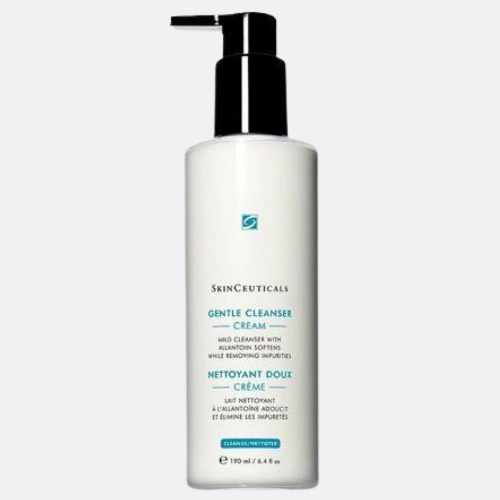
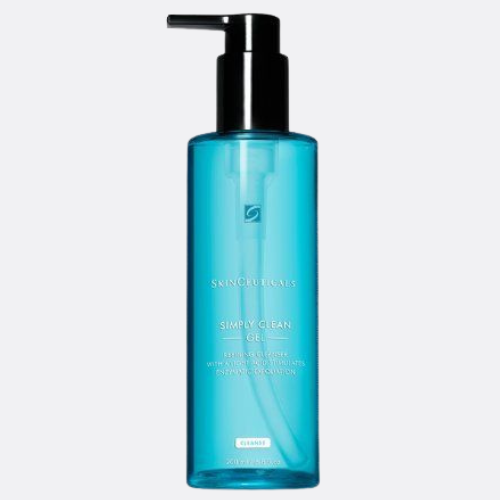
Shop on Faces: Normal-to-dry skin will love Gentle Cleanser Cream 190ml (£36.00), with soothing allantoin to keep skin calm and comfortable. If you’re prone to breakouts, Blemish + Age Cleanser Gel 240ml (£39.90) uses a triple-acid complex to clear impurities without stripping. For a fresh, thorough everyday clean, try Simply Clean Gel 195ml (£44.00). Browse all cleansers.
Tone (optional)
Modern toners are less about “balancing pH” (a good cleanser already respects your skin’s natural acidity) and more about adding a light layer of hydration or a gentle exfoliating acid. Skip this step if your routine already feels complete.
Shop on Faces: Blemish + Age Toner 200ml (£36.90) combines AHA and BHA to gently exfoliate, helping clear blemishes and smooth early signs of ageing.
Serum
Serums are concentrated, lightweight formulas designed to target one concern, such as dullness, breakouts, pigmentation or fine lines. One or two well-chosen serums are plenty.
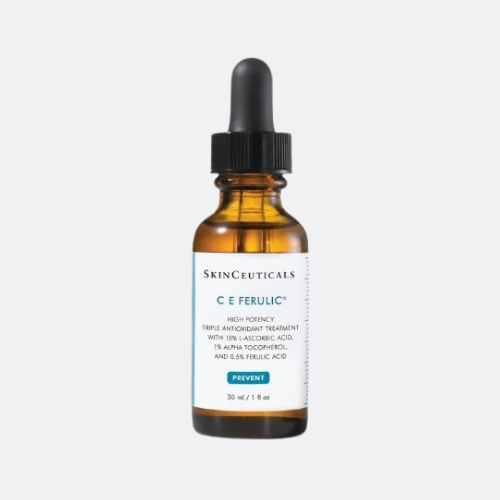
Shop on Faces: For brighter, protected skin each morning, C E Ferulic 30ml (£129.50) is a cult antioxidant serum, or try Serum 10 AOX 30ml (£80.50) as a lighter-priced alternative. Targeting dark spots? Tranexamic Acid 5% Serum (£4.90) is an affordable way to even out skin tone. Sensitive skin will love the soothing Skin1004 Madagascar Centella Ampoule 100ml (£17.60), and COSRX Advanced Snail Mucin (£24.00) is a hydration hero for all skin types. Ready for retinol? Start with Retinol 0.3% 30ml (£68.90) in your evening routine. Browse all serums.
Moisturise
Moisturiser keeps skin hydrated and supports the skin barrier, the outer layer that keeps water in and irritants out. Oily skin still needs moisture; choose a lightweight gel rather than skipping it.
Shop on Faces: Hydrating B5 30ml (£74.80) gives lightweight, non-greasy hydration that suits oily and combination skin. For dry or tight skin, Emollience 60ml (£67.50) softens and replenishes without feeling heavy.
Protect
Daily sunscreen is the single most effective step for preventing premature ageing, sunspots and skin cancer. UVA rays, which drive ageing, pass through cloud and window glass, so wear it year-round in the UK, not just on sunny days. Apply around two finger-lengths for the face and neck, and reapply every two hours when outdoors.
Shop on Faces: Advanced Brightening UV Defense SPF50 40ml (£49.00) offers high, everyday protection with a lightweight feel, while helping keep your complexion bright. Browse all SPF for face.
Choosing active ingredients
Actives are the ingredients that do the targeted work. Pick one for your main concern, introduce it slowly, and give it 8–12 weeks before judging results.
| Ingredient | What it does | Best for | When to use |
|---|---|---|---|
| Vitamin C | Brightens, fades dark spots, boosts sunscreen’s antioxidant protection | Dullness, uneven tone | Morning |
| Retinol (vitamin A) | Speeds cell turnover, smooths fine lines, unclogs pores | Ageing, acne, texture | Evening only |
| Hyaluronic acid | Draws water into the skin | Dehydration, all skin types | Morning or evening, on damp skin |
| Niacinamide | Calms redness, regulates oil, strengthens the barrier | Oily, combination, sensitive | Morning or evening |
| Salicylic acid (BHA) | Exfoliates inside pores | Blackheads, breakouts | Evening, 2–3 times a week |
| Glycolic or lactic acid (AHA) | Exfoliates the surface for smoother, brighter skin | Dullness, rough texture | Evening, 1–3 times a week |
Layering safely
- Introduce one new product at a time, two weeks apart, so you can tell what’s working and what’s irritating.
- Patch test behind the ear or on the jawline for 48 hours before applying to your whole face.
- Start retinol two or three nights a week and build up as your skin tolerates it. Mild dryness or flaking at first is normal.
- Avoid using retinol and exfoliating acids on the same night; alternate them instead.
- If you’re pregnant or breastfeeding, avoid retinoids and check with a healthcare professional before using other actives.
Common mistakes to avoid
- Doing too much at once. Starting several actives together is the fastest route to redness and a damaged barrier.
- Over-exfoliating. Stinging, shininess that looks “tight” and sudden sensitivity are signs to stop and focus on moisturising.
- Skipping sunscreen on cloudy days. Most UV damage happens on ordinary days, not just in summer.
- Giving up too soon. Most products need at least a month of consistent use to show results.
- Sleeping in makeup. It clogs pores and undoes the work of your evening routine.
Skincare beyond the bathroom shelf
Sleep, stress, diet and hydration all show up on your skin. A balanced diet rich in fruit, vegetables and healthy fats, enough water, regular sleep and stress management all support the results of your routine. Smoking accelerates skin ageing significantly, so stopping is one of the best things you can do for your complexion.
When to see a professional
A good home routine handles most everyday concerns, but some issues need expert help. Book a consultation with a qualified practitioner or dermatologist if you have:
- Persistent or painful acne, or acne that’s leaving scars
- Pigmentation or melasma that isn’t responding to over-the-counter products
- Ongoing redness, rosacea or eczema flares
- A new, changing or bleeding mole (see your GP promptly)
- Goals that skincare alone can’t reach, such as deeper lines or volume loss
A practitioner can recommend prescription-strength treatments and in-clinic options such as chemical peels or microneedling, tailored to your skin.
The bottom line
Start simple: cleanser, moisturiser and SPF every morning; cleanser and moisturiser every night. Once that feels like second nature, add one active for your main concern and give it time to work. Price matters far less than suitability, as an affordable product that suits your skin will outperform a luxury one that doesn’t.
Ready to build your routine? Explore our skincare range, or find a practitioner near you for a personalised plan.
FAQs
What is the correct order to apply skincare products?
Apply products from thinnest to thickest: cleanser, toner, serum, eye cream, moisturiser, then sunscreen in the morning. Thinner products absorb best on clean skin, while thicker creams seal everything in.
How many steps does a skincare routine really need?
Three is enough for most people: cleanse, moisturise and protect with SPF. Add a serum or treatment only when you have a specific concern you want to target.
Do I need to wear sunscreen in the UK every day?
Yes. UVA rays, which cause premature ageing and pigmentation, reach your skin all year round, even through cloud and window glass. A broad-spectrum SPF 30 or higher is the best daily habit for long-term skin health.
How long does it take to see results from a new routine?
Most products need 4–6 weeks of consistent use to show results, as that’s roughly how long skin takes to renew itself. Active ingredients like retinol can take 8–12 weeks.
Can I use vitamin C and retinol together?
Yes, but at different times of day. Use vitamin C in the morning for antioxidant protection and retinol in the evening, as it can make skin more sensitive to sunlight.
Should oily skin still use moisturiser?
Yes. Skipping moisturiser can leave skin dehydrated, which may prompt it to produce more oil. Choose a lightweight, oil-free gel or lotion labelled non-comedogenic.