
You have left the aesthetic clinic, you have looked in the mirror three times since your Botox treatment, and nothing has changed. This is the point at which most people start worrying they have wasted their money. Almost always, they have not. Botox does not work immediately, and the gap between treatment and visible change is longer than most people expect.
When Botox results start to appear
Botox is a botulinum toxin type A. It works by blocking the signal between nerve and muscle, which reduces how strongly the treated muscle contracts. That process is gradual rather than instant, because the effect builds as the block takes hold.
The settled result is normally visible at around two weeks, which is why most practitioners book a review appointment at that point rather than earlier. According to the Botox Summary of Product Characteristics, maximum effect in clinical trials was seen at around 30 days, so a small amount of further change after the two week mark is normal.
If you are unhappy at day five, wait. Adjustments made before the treatment has settled are the main cause of overtreatment.
Botox results day by day: what happens and when
Day one. Nothing visible. Small raised bumps at the injection sites settle within an hour, and any redness or minor bruising usually fades over a day or two.
Days two to three. Some people notice a slight heaviness or tightness in the treated area before they notice any change in their lines. Others feel nothing at all, which is equally normal.
Days three to five. The first visible softening, usually in movement rather than at rest. Frown lines and crow’s feet tend to respond before forehead lines do.
Day seven. Clear change in how much the area moves, though not the final result.
Day fourteen. The settled outcome, and the point at which any adjustment should be made.
Day thirty. Slight further refinement in some people, particularly where lines were deeper to begin with.
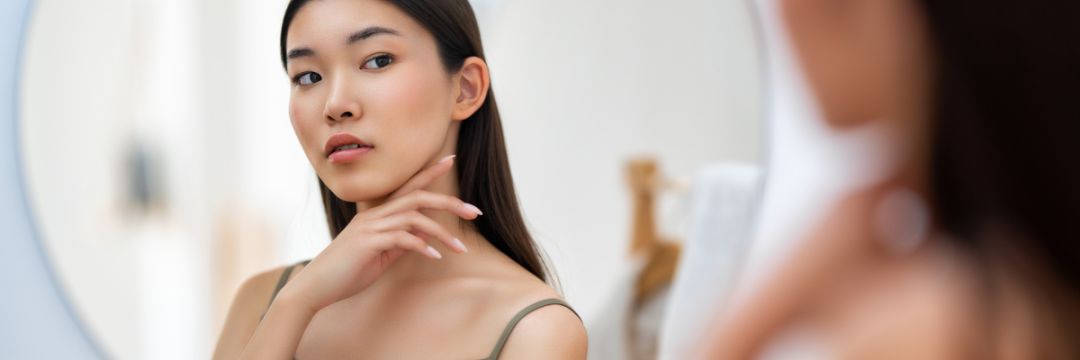
7 day botox results day by day and why the first week feels slow
The first week is where most of the anxiety sits, because the change is real but small. What you are seeing at day seven is partial. Muscles do not all respond at the same rate, and the forehead in particular tends to lag behind the frown area by several days.
Two things are worth avoiding during that week. Do not compare yourself to someone whose photograph was taken at three weeks. And do not book a top-up. A practitioner who agrees to add more product at day seven is treating an unfinished result.
How long the results last?
For frown lines, the licensed duration is up to four months. Most people find results hold for three to four months, and a smaller number see closer to five.
Duration is not a measure of how well the treatment was done. It varies with the strength of the muscle being treated, your metabolism, the dose used, and how many times you have been treated before. Stronger muscles work through the effect faster, which is why a first treatment sometimes seems to fade sooner than later ones.
Masseter Botox results take a different timeline entirely
Treatment of the masseter, the chewing muscle at the jaw angle, is used for jaw slimming and for teeth grinding. In the UK this is an off-licence use, meaning it falls outside the product’s approved indications. Your practitioner should tell you this during the consultation and explain why they are recommending it.
The timeline differs from facial lines for a straightforward reason. Softening a line depends on the muscle relaxing. Changing the shape of a jaw depends on the muscle gradually reducing in bulk through reduced use, and that takes considerably longer.
If you are treated for clenching or grinding, relief usually arrives within one to two weeks. Visible narrowing of the jawline generally takes six to eight weeks, continues developing for around three months, and often needs more than one treatment cycle before the change is obvious. Results also tend to last longer than in the upper face, because the reduction in muscle bulk persists after the block itself has worn off.
Expect a longer wait, and expect your practitioner to photograph the area rather than rely on memory.
Why your results might differ from someone else’s
Muscle strength. Strong, well-developed facial muscles often mean slower onset and shorter duration. This is physiology rather than a problem with the treatment.
Line depth. Lines present for years have a skin component as well as a muscle component. Relaxing the muscle stops them deepening and softens them, but a set crease takes longer to improve and may not fully resolve.
Whether it is your first time. First treatments frequently produce a more modest result, because practitioners start conservatively and build. Reducing an overtreated result is not possible.
Your practitioner’s technique. Placement and dosing decide the outcome more than any other factor, which is why it is worth knowing how to check your Botox practitioner is qualified before you book.
What to do in the first 24 hours
Your practitioner’s instructions take priority over anything general, and most cover the same ground. Stay upright for around four hours. Avoid rubbing or massaging the treated area. Skip strenuous exercise, saunas, steam rooms and hot yoga for 24 hours. Leave facials and skin treatments for two weeks. Many practitioners suggest avoiding alcohol on the first day, since it increases bruising.
The reasoning is the same throughout: reduce the chance of product moving from where it was placed, and reduce bruising. Full detail sits in the complete Botox aftercare guide.
One correction, because the opposite advice circulates widely. Gently using the treated muscles in the first few hours will not shorten your results. Many practitioners actively recommend it.
What genuinely affects how long results last
Reasonable evidence: consistent sun protection, not smoking, and returning for treatment before the effect has fully worn off.
Weaker: very high intensity exercise and a fast metabolism are associated with shorter duration, though not enough to change your training over.
No good evidence: drinking more water, specific diets, and supplements marketed for this purpose. Hydration is worth doing for other reasons. It will not extend the effect.

When to go back, and when to call sooner
Book a review at two weeks if your practitioner has not arranged one. That is where small adjustments are made, and most clinics include it.
For repeat treatment, most people return every three to four months. Going back much sooner is not advised, since frequent dosing at short intervals is associated with reduced response over time.
Contact your practitioner sooner if you develop a drooping eyelid or eyebrow, asymmetry still present after two weeks, or swelling at an injection site that is worsening. Seek urgent medical attention for difficulty swallowing, speaking or breathing. This is rare, and it is why your practitioner should be contactable after your appointment.
Find a Practitioner for Your Next Treatment
Compare verified practitioners in your area, check what they treat and read patient reviews before your next appointment. Profiles on Faces show each practitioner’s qualifications and treatment list, so you know who is treating you before you walk in. If your last result was not what you expected, that is a reasonable place to start looking. Find an aesthetic clinic near you on Faces.
FAQs
How long does Botox take to work on the forehead?
The forehead is usually the slowest area, with first change at around five to seven days and the settled result at two weeks. Frown lines and crow’s feet typically respond a couple of days earlier.
How long does Botox take to work on the face?
Most facial areas show first change between day three and day seven, with the result settling at around two weeks and small further refinement possible up to a month.
How long does Botox take to work between the eyebrows?
The frown area is often the fastest to respond, with softening visible from around day three and the full result at two weeks. It is also the area with the longest-standing UK licence.
How long does Botox take to work on the jaw?
Relief from clenching or grinding usually comes within one to two weeks, but visible jawline slimming takes six to eight weeks and continues developing for around three months. Jaw treatment is an off-licence use and should be discussed at consultation.
Why is my Botox not working after 5 days?
Five days is early. The treatment is still developing, and the forehead in particular is often the last area to respond. Wait until your two week review before concluding it has not worked.