


Why is Ear Surgery aftercare important?
Proper aftercare following ear surgery is crucial for optimal healing and achieving the desired results. Adhering to guidelines enhances recovery and minimises complications.
- Promotes faster healing and reduces scarring.
- Helps prevent infection and ensures a safe recovery.
- Provides clarity on activity limits for proper healing.
- Ensures long-term satisfaction with your aesthetic results.
- Facilitates ongoing communication with your healthcare provider for support.
Ear Surgery aftercare instructions
For optimal recovery post-Ear Surgery, keep the area clean, avoid strenuous activity, and attend follow-up appointments by following these essential aftercare guidelines.

What to do after Ear Surgery?
- Follow your surgeon's post-operative instructions closely.
- Keep your ear dry and clean throughout recovery.
- Attend all follow-up appointments for optimal healing.
- Use prescribed pain relief medication as directed.
What to avoid after Ear Surgery?
- Avoid water exposure to ears.
- Do not engage in strenuous activities.
- Refrain from using cotton swabs.
- Limit loud noises and music.
Common side effects and what’s normal
Understanding the common side effects of ear surgery can help you navigate your recovery confidently and ensure optimal healing.
- Mild swelling around the ears
- Occasional discomfort or aching
- Temporary changes in hearing
- Minor drainage from the incision site
- Bruising near the surgical area
If you experience excessive pain, significant bleeding, or signs of infection, please seek professional help promptly.
Ask your practitioner about medication
Ask your practitioner about any medications or supplements you're taking before your treatment. Certain medicines may affect results or increase side effect risks. Always follow professional advice to ensure safe, effective, and personalised Ear Surgery care.
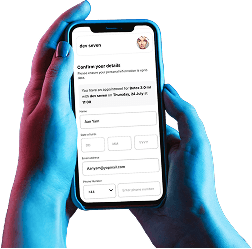
Download Ear Surgery aftercare form
For treatments that require it, we'll automatically send the Ear Surgery aftercare form to your registered email. This ensures you receive personalised post-treatment care instructions for a safe and smooth recovery. No manual request needed.
Looking for an Ear Surgery aftercare form?
Download the Faces Consent App to get your form quickly, easily and it's absolutely FREE!
![[object Object]](/v2/_next/static/media/AppStore.9b0cc504.svg)
![[object Object]](/v2/_next/static/media/googlePlay.bb99f555.svg)