
You’ve treated a client two, three, maybe four times. The results were good. Then slowly, the treatments start lasting less. They’re back sooner. The movement returns faster. Eventually they tell you it’s “not working anymore.” Sound familiar?
Botox resistance is one of those topics that doesn’t get nearly enough airtime in the industry. It’s not a myth, it’s not the client being dramatic, and it’s not always your technique. It’s a real immunological response that more practitioners are seeing — and knowing how to handle it properly separates the clinicians who retain clients long-term from those who lose them to someone else.
Here’s what you actually need to know.
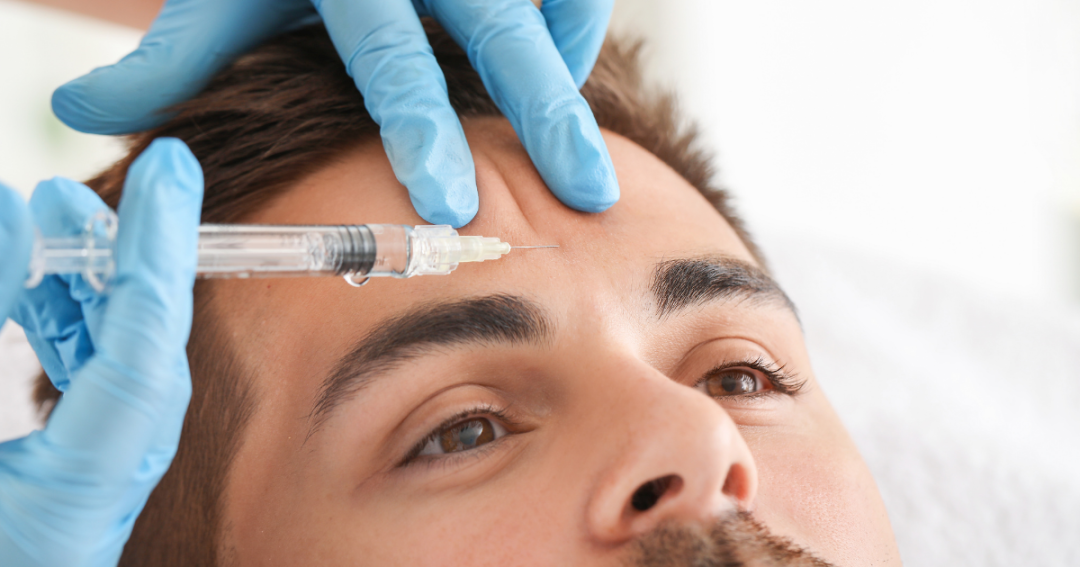
What Is Botox Resistance, and Why Does It Happen?
What is botox resistance is essentially when the body develops neutralising antibodies against botulinum toxin. These antibodies bind to the toxin before it can reach the neuromuscular junction, which means the signal to stop muscle contraction never arrives. The result? Little to no effect from the treatment, despite correct placement and dosing.
It’s worth distinguishing between two things here: true resistance (immunological) and what practitioners sometimes call “functional resistance,” where the product simply isn’t working as expected due to dilution, storage, dosage, or injection technique. True antibody-mediated resistance is less common but absolutely real. Functional resistance is far more frequent and more within your control.
What Are the Symptoms of Botox Resistance?
Botox resistance symptoms are often mistaken for poor technique or a “bad batch,” so it’s worth knowing the pattern to watch for. The most telling signs include:
- Little to no effect from the very first treatment with a new product or provider, despite correct dosing and placement — this points more towards pre-existing resistance than a technique issue
- A previously effective treatment gradually lasting less time, with movement returning noticeably sooner each session
- Reduced muscle weakening at the injection site, even when the dose has stayed consistent or been increased
- Asymmetrical or patchy results where some areas respond as expected and others don’t, despite even distribution of product
- No visible effect at all after a booster or top-up dose, when previously a top-up would reliably extend results
- Client reports of “it just doesn’t work like it used to” — often the first clue, since this is usually how clients describe it before you’ve even assessed them
The key distinguishing feature is a pattern over time: one underwhelming session can be down to many factors, but a consistent, progressive drop in efficacy despite correct technique and adequate dosing is the hallmark that should raise suspicion of true resistance, prompting the workup covered in the next sections.
How Common Is Botox Resistance?
This is where it gets interesting. How common is botox resistance is genuinely difficult to pin down because it’s underreported and often misdiagnosed as poor technique or product issues. Studies vary, but estimates suggest true immunological resistance affects somewhere between 1–3% of regular botulinum toxin users, with some research suggesting higher rates in patients who’ve had frequent, high-dose treatments over many years.
In clinical practice, what most of us see more often isn’t true antibody resistance — it’s clients who’ve been over-treated at short intervals, given inconsistent doses, or treated with products that have higher protein loads. That distinction matters enormously because the management is very different.
What Causes Botox Resistance?
What causes botox resistance is primarily the formation of neutralising antibodies to the botulinum toxin protein. But several factors make this more likely:
High protein load in the formulation Different toxin brands carry different amounts of complexing proteins alongside the active neurotoxin. Higher protein load = greater potential for an immune response. This is one reason some practitioners switch clients to highly purified formulations when resistance is suspected.
Frequent treatments at short intervals Treating clients every 6–8 weeks repeatedly exposes the immune system to the antigen. The shorter the interval between treatments, the greater the cumulative antigenic stimulation. Most guidance recommends a minimum of 12 weeks between treatments.
High doses per session Large doses in a single session increase the antigenic load. For therapeutic uses (like hyperhidrosis or migraine), where doses are much higher than cosmetic use, resistance rates are noticeably elevated.
Booster doses shortly after initial treatment If you treat and then top up within a few weeks, you’re essentially double-dosing the antigenic stimulus. This is a significant contributing factor that’s often overlooked.
How Long Does Botox Resistance Last?
This is the question clients ask most and the one with the least satisfying answer. How long does botox resistance last depends on whether you’re dealing with true antibody-mediated resistance or functional resistance.
For functional resistance, the fix is often quicker — change the product, review technique, extend the interval, and results typically improve within one or two treatment cycles.
For true immunological resistance, the picture is more complex. Antibody levels can persist for years. Some patients see improvement after a prolonged break from all botulinum toxin products (12–24 months in some cases), though this isn’t guaranteed. Switching to a different serotype — such as moving from serotype A to Botulinum Toxin B — is sometimes used therapeutically, though serotype B isn’t widely used in UK cosmetic practice and has its own side effect profile.
The honest conversation with clients is this: if true resistance has developed, management is possible but there are no quick fixes.
How to Overcome Botox Resistance in the Forehead (and Other Areas)
How to overcome botox resistance in forehead treatments is one of the most common specific queries, largely because the forehead is one of the highest-frequency treatment areas and often treated with higher cumulative doses over time.
Here’s what actually works in practice:
Switch to a different toxin brand Different formulations have different protein profiles. If a client has developed antibodies to one product, switching to a highly purified preparation with minimal complexing proteins may reduce the antigenic load enough to restore efficacy. This isn’t a guaranteed fix, but it’s a sensible first step.
Extend the treatment interval If a client is coming in every 8–10 weeks, push this to 14–16 weeks minimum. Give the antibody response time to downregulate. Frequent re-exposure keeps the immune system primed; spacing out treatments reduces that stimulus.
Reduce the dose Lower the dose per session where clinically appropriate. Less toxin = less antigen. You may need to accept that the result won’t last as long initially, but you’re trying to reset the immune response over time.
Take a full treatment break For clients with suspected true resistance, a break of at least three to six months (sometimes longer) from all botulinum toxin products is worth considering. This is a hard conversation but an important one.
Review your reconstitution and storage Before concluding a client is resistant, always rule out the basics. Is the product being stored correctly? Are you using the right diluent volume? Has the product been agitated? These things affect potency and are sometimes the actual issue.
How to Prevent Botox Resistance
How to prevent botox resistance is genuinely the more useful conversation, because once resistance develops, you’re managing it rather than reversing it.
The principles are straightforward:
- Use the minimum effective dose to achieve the result
- Maintain a minimum of 12 weeks between treatments — and push clients towards longer intervals where possible
- Avoid top-up appointments within four weeks of initial treatment
- Choose formulations with lower protein loads for clients receiving regular long-term treatment
- Don’t chase full paralysis — partial reduction is safer immunologically and often looks more natural anyway
Educating your clients on this is also part of your job. Some clients want to be treated constantly, and part of your role is managing those expectations sensibly for their long-term outcomes.
A Word on Product Choice
Not all toxins are created equal, and product selection genuinely matters when you’re thinking about long-term outcomes for your clients. If you want to explore the options available in the UK, Faces has a full range of toxins and diluents from verified suppliers — including Botox and other leading formulations. Choosing the right product for the right client at the right interval is one of the most practical levers you have.
The Takeaway
Botox resistance — whether true or functional — is manageable when you understand what’s actually happening. The practitioners who handle it best are the ones who stay curious, review their own protocols honestly, and have open conversations with clients rather than just switching products and hoping for the best.
If a client isn’t responding the way they should, don’t just increase the dose. Investigate. Review. And if needed, refer — there’s no shame in that.
Stock Up on Verified Toxins Through Faces
Whether you’re reconsidering your product range or looking for a reliable source for your existing go-to formulations, Faces gives you access to authentic, verified toxins through one trusted platform.
Browse the full range of toxins and diluents on Faces — trusted by thousands of UK practitioners.
FAQs
Can a client suddenly become resistant to Botox after years of successful treatments?
Yes, and this is actually one of the more common presentations. Resistance doesn’t always develop immediately — it can build gradually over years of repeated exposure, particularly if treatments have been frequent or given at high doses. If a client who previously responded well starts showing reduced or shorter-lasting results, resistance should be on your differential alongside product and technique factors.
Is Botox resistance permanent?
Not always, but it can be long-lasting. True antibody-mediated resistance may persist for years, and in some cases antibody levels never fully decline. Functional resistance — where the issue is with product, dose, or technique rather than antibodies — is generally reversible once the underlying cause is addressed.
Should I switch toxin brands if I suspect resistance?
It’s a reasonable step, yes. Different brands carry different protein profiles, and switching to a more highly purified formulation may reduce antigenic stimulus. However, switching brands alone won’t resolve true immunological resistance — it needs to be combined with extended intervals, reduced dosing, and potentially a treatment break.
How do I explain Botox resistance to a client without making them feel like it’s their fault?
Frame it as an immunological response that some people develop over time — similar to how some people develop sensitivities to certain medications. It’s not a reflection of how they’ve been treated or anything they’ve done wrong. Focus the conversation on what you can do to manage it and set realistic expectations. Clients appreciate honesty far more than vague reassurances.
Are some clients more predisposed to developing resistance?
There’s some evidence that genetic factors influence immune response, though this isn’t yet well-characterised in the aesthetics literature. What we do know is that frequent treatments, high doses, and short intervals are the most significant modifiable risk factors. Clients who’ve had high-dose therapeutic botulinum toxin (for conditions like hyperhidrosis or chronic migraine) may also be at higher risk when they come to you for cosmetic treatment.