
The first proper week of British sunshine has a familiar pattern. Everyone digs out their sunglasses, beer gardens fill up, and by July the skin damage starts to show. Fresh pigmentation, premature lines, and the kind of sunburn that could have been avoided with one simple habit.
Sun protection is the cheapest and most effective thing anyone can do for their skin, and it is also the thing most people quietly skip. So here is a clear, no-nonsense guide to getting it right, written for everyday readers rather than for a glossy brand campaign.
Browse the full range of trusted sun protection on Faces Shop, available for direct checkout with no login needed. Whether you are protecting a recent treatment or simply keeping your skin healthy this summer, the right sunscreen makes all the difference. Get Your High-Quality Sunscreens Here
Why sunscreen is about more than avoiding sunburn
Here is the part that often gets underplayed. UV exposure is responsible for the overwhelming majority of visible skin ageing. Fine lines, loss of firmness, uneven tone, broken capillaries, and dark spots all trace back to the sun. Daily protection is not just about preventing a painful burn on holiday, it is about slowing the damage that builds up year after year.
Skin is also far more vulnerable straight after any treatment, whether that is needling, peels, or laser. A single unprotected day can trigger stubborn pigmentation that takes months to fade, which is why aftercare advice always puts sun protection front and centre.

Best sunscreens for after aesthetic treatments
Skin is at its most vulnerable in the days and weeks after a treatment. Whether it has been needling, a peel, laser, or injectables, the surface is more reactive and far more likely to develop stubborn pigmentation if it catches unprotected sun. Look for a high factor, ideally SPF 50, with broad spectrum cover and a strong UVA rating, since UVA is the main driver of pigmentation and ageing. Just as important is a fragrance-free, lightweight, non-comedogenic formula with gentle barrier-supporting ingredients such as ceramides, hyaluronic acid, and niacinamide, and avoid anything heavy, greasy, or packed with strong actives.
Whatever you choose, the golden rule after any treatment is the same: avoid direct sun entirely until your practitioner gives the all-clear, then make daily high-factor protection non-negotiable. It is the single best way to protect both your skin and the results you have paid for.
Reading the label without the marketing noise
What the SPF number actually tells you
SPF measures protection against UVB, the rays mostly responsible for burning. A high number sounds reassuring, but the real-world jump between mid and high SPF is smaller than most people assume. The bigger issue is that almost nobody applies the amount used in lab testing. Most people use a third to a half of it.
That is why sunscreen spf 50 makes a sensible default for the face. It gives a comfortable buffer for the under-application that happens in real life. For the British summer, where protection often gets forgotten on bright but cool days, that buffer matters.
UVA, broad spectrum and the bit people skip
UVB burns, UVA ages, and penetrates deeper. The UK gets meaningful UVA exposure all year round, even through cloud and car windows. Always check for broad spectrum cover and a good UVA rating, shown as the UVA-in-a-circle symbol or four to five stars on the rating system used by retailers like Boots. An SPF number on its own only tells half the story.
Mineral or chemical filters
Mineral filters such as zinc oxide and titanium dioxide sit on the skin and reflect UV. They tend to suit reactive, post-treatment, and very sensitive skin, though older formulas can leave a white cast. Chemical filters absorb UV and convert it to heat, usually feel lighter, and blend in more easily. Neither is “safer” in any meaningful way. The right one is simply the one that gets used every single day.
Matching the formula to your skin
A generic recommendation is useless if it triggers a reaction or a breakout, because that just leads to abandoning sunscreen altogether. Matching the formula to the skin is what makes the habit stick.
Sensitive and reactive skin
For rosacea-prone, eczema-prone, or easily irritated complexions, fragrance-free mineral formulas are the safest bet. A good sunscreen for sensitive skin should be simple, free of common irritants, and ideally double up as a moisturiser so there are fewer products to juggle. Fewer steps means better compliance.
Oily and breakout-prone skin
The old myth that sunscreen always causes spots still does real damage. The truth is that the wrong texture causes spots, not protection itself. A good sunscreen for acne prone skin is lightweight, non-comedogenic, and usually labelled gel, fluid, or matte. Get the texture right and the resistance disappears.
Reliable products worth considering
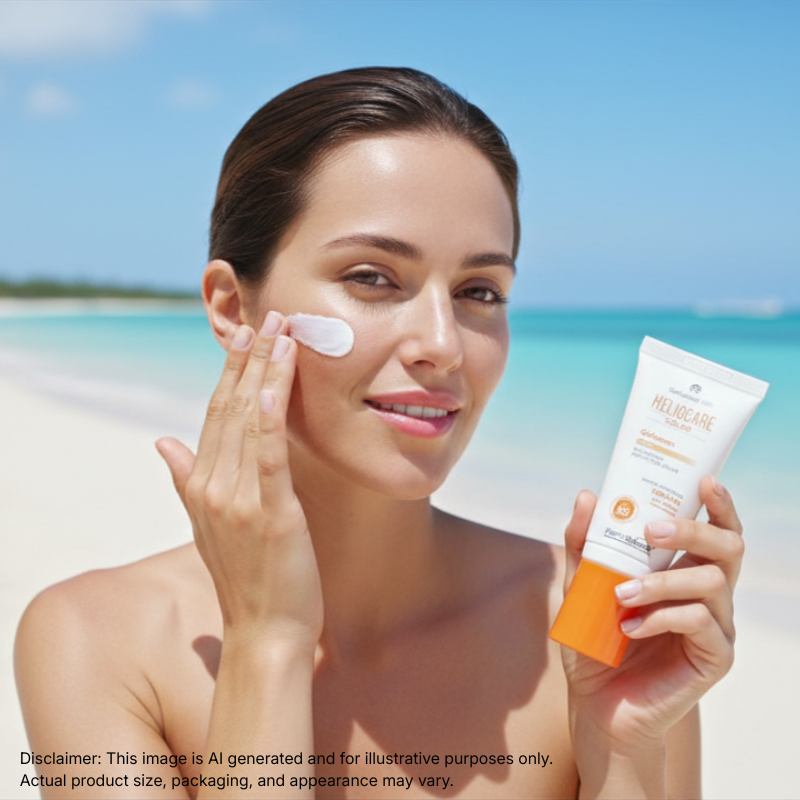
The Heliocare Gelcream Colour Light SPF50 50ml from Fillers Direct is a dependable all-rounder, and one of the more thoughtfully formulated tinted sunscreens on the market. It offers very high broad spectrum protection across UVB, UVA, visible light, and infrared, which is a wider net than most everyday sunscreens cast. What sets it apart is the inclusion of Fernblock, a standardised extract of the Polypodium Leucotomos fern that has been studied for its antioxidant and photo-repairing properties.
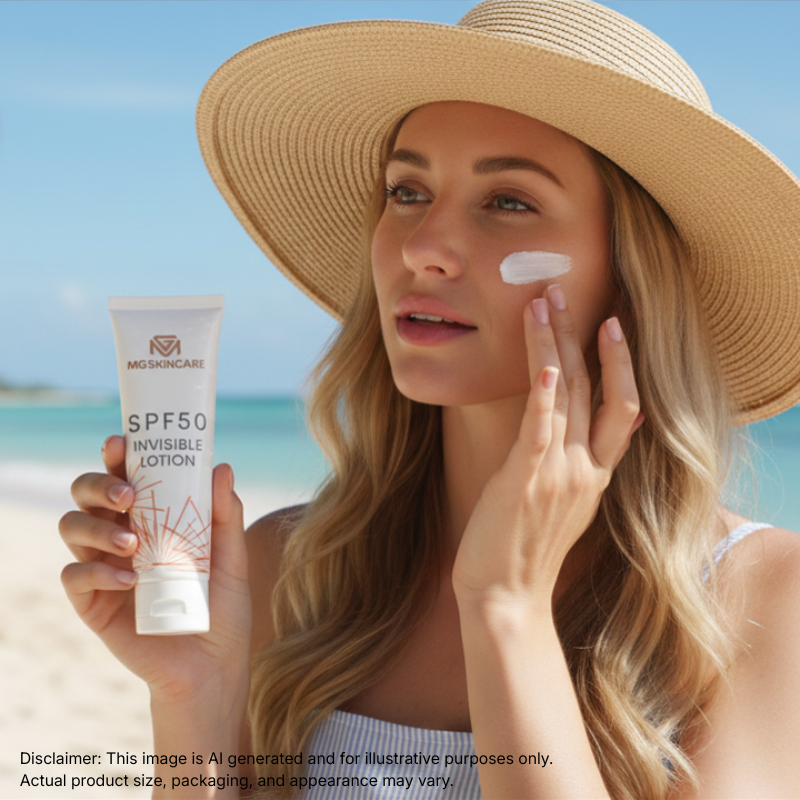
For anyone who dislikes that greasy sunscreen feel, the SPF 50 Invisible Lotion 100ml from MG Skincare is an easy choice. As the name suggests, it is designed to disappear into the skin, delivering high broad spectrum protection against UV rays while staying gentle and genuinely non-greasy. That combination is harder to find than it sounds, as plenty of high-factor sunscreens still feel heavy or tacky once applied.
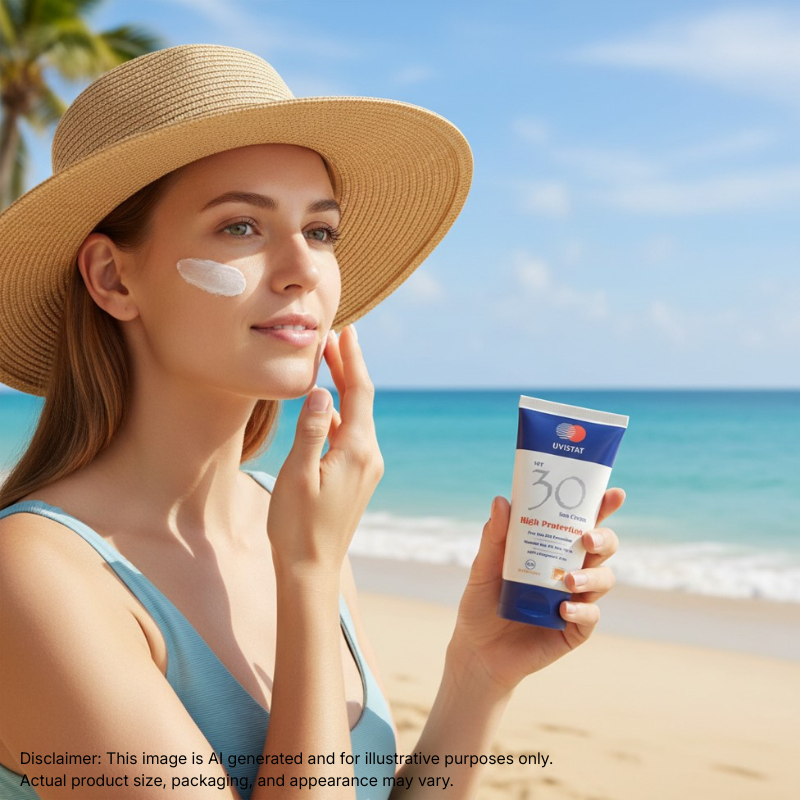
The Uvistat SPF 30 Sun Cream 125ml from Two Face Aesthetics is a solid, reliable everyday option for face and body. What earns its place here is the balanced protection: it carries a five star UVA rating alongside its SPF 30 UVB cover, which is the kind of broad spectrum credential that genuinely matters in the British climate where year-round UVA is the bigger long-term threat. It is also water resistant, so it holds up reasonably well through swimming and sweating, though reapplication after either is still essential.
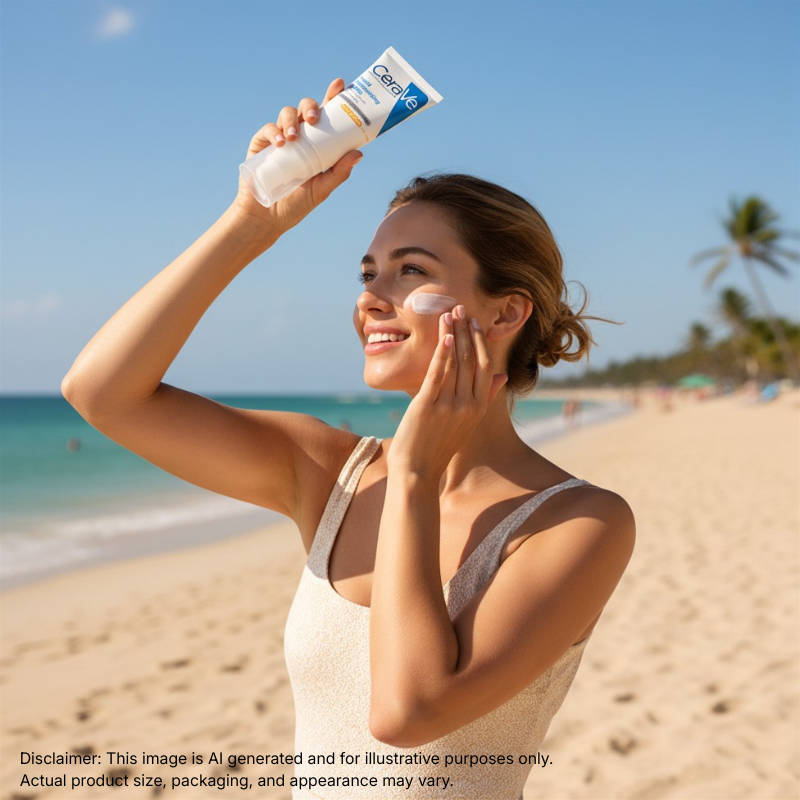
For sensitive and barrier-compromised skin, the CeraVe Facial Moisturising Lotion SPF30 52ml from You Can Clinic folds protection into a ceramide moisturiser, making daily use effortless. This is the AM lotion in the CeraVe range, developed with dermatologists to do two jobs in one step: hydrate the skin and shield it with broad spectrum SPF 30 against UVA and UVB.
The reapplication step nobody enjoy
One application in the morning is not a force field for the day. After two hours of real sun exposure, swimming, or heavy sweating, protection drops off. The easiest way to think about sunscreen is like brushing teeth: a habit, not a one-off heroic effort. Powders, sprays, and compacts make midday top-ups realistic over makeup, and realistic is the only kind of advice that actually gets followed.
A quick word on the British summer specifically
The UK climate breeds complacency. Sunscreen tends to get associated with two weeks in Spain and ignored for the other fifty weeks at home. But UV in the UK from late spring through early autumn is more than enough to cause damage, and the cloud-cover excuse does not hold up because UVA passes straight through. If there is one habit worth building this season, it is daily protection at home, not just on holiday.
Ready to stock up for the season?
Browse the full range of professional sun protection products through Faces Shop and get summer-ready before the next heatwave catches you out. Whether the goal is protecting a recent treatment or simply keeping skin healthy, the right sunscreen makes all the difference.
FAQs
Which sunscreen suits which skin type?
The most useful answer is to match it to the skin and the lifestyle. Sensitive skin tends to do well with fragrance-free mineral formulas, oily skin with lightweight non-comedogenic gels, and most faces with a broad spectrum SPF 50. The technically best product is irrelevant if it never gets used.
How soon after a treatment can sunscreen be worn?
It depends on the procedure, but as a rule, daily protection should resume as soon as the skin tolerates a gentle, fragrance-free formula. For stronger resurfacing this may be a couple of days, while milder treatments may allow same-day use. Direct sun should be avoided entirely until a practitioner gives the all-clear.
Is sunscreen really needed on cloudy UK days?
Yes. A large proportion of UV passes through cloud, and UVA is present year round. A bright but cool British day still causes cumulative damage. Daily protection from spring through autumn, regardless of how the sky looks, is the message worth repeating.
What is correct, sunscreen or suncream?
Both are correct. “Sunscreen” is more common in clinical and product contexts, “sun cream” in casual British speech. The protection level matters far more than the label.
Is it sunscreen or suncream in the UK?
UK shelves carry “sun cream”, “sunscreen”, and “sun lotion”, often on the same product. None of them indicates better or worse quality.